Is Poplar Good for Staining? Yes, With a Conditioner First
Poplar takes stain unevenly on its own because the wood mixes hard and soft grain patches, so raw stain soaks in blotchy — but a pre-stain wood conditioner fixes this in one extra step, and gel stain hides poplar’s natural green or purple mineral streaks better than thin oil-based stains do. It’s also far cheaper than oak, maple, or cherry. This guide covers the conditioning step, which stain type to pick, and how to handle mineral streaking.
Affiliate disclosure: Woodworking Advisor is reader-supported. If you buy through links on this page, we may earn an affiliate commission at no extra cost to you.
Why Poplar Stains Blotchy Without Prep
Best Pre-Stain Conditioner Pick
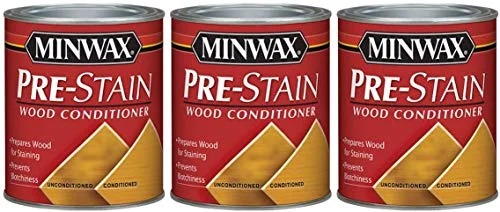 |
Minwax Pre-Stain Wood Conditioner (3-Pack) – $36.33 This is the exact type of conditioner that prevents the blotchy absorption poplar is known for, applied before stain as covered in the 3-step fix above.
|
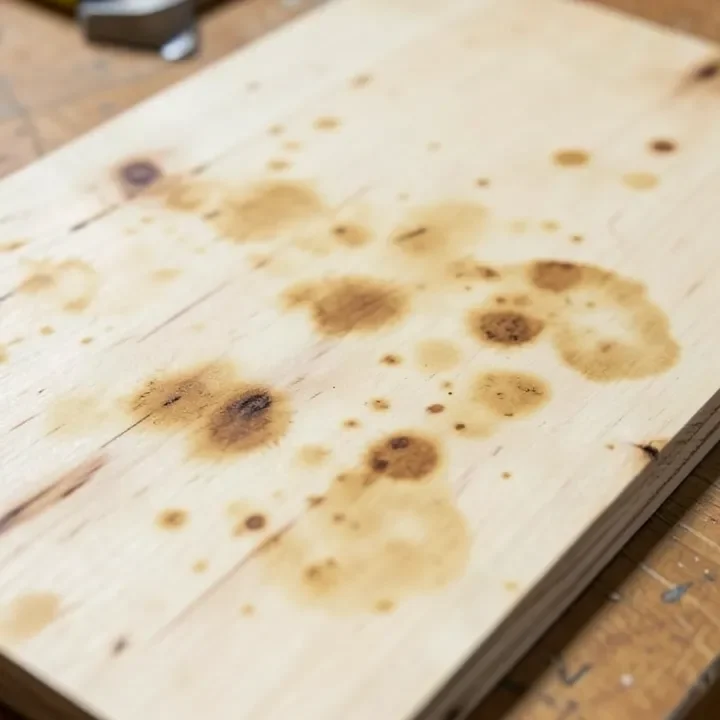
Poplar has noticeably uneven density across a single board — softer patches soak up far more stain than the harder, tighter-grained areas next to them. Skip the prep and you’ll see dark blotches next to lighter patches on the same board, even with careful, even brushing. This isn’t a technique failure; it’s the wood itself, and it happens to nearly every poplar project that skips conditioning.
The 3-Step Fix: Sand, Condition, Then Stain
- Sand to 220 grit: Sand progressively up to 220 grit — stopping at a coarser grit leaves scratches that soak up extra stain and make blotching worse, not better.
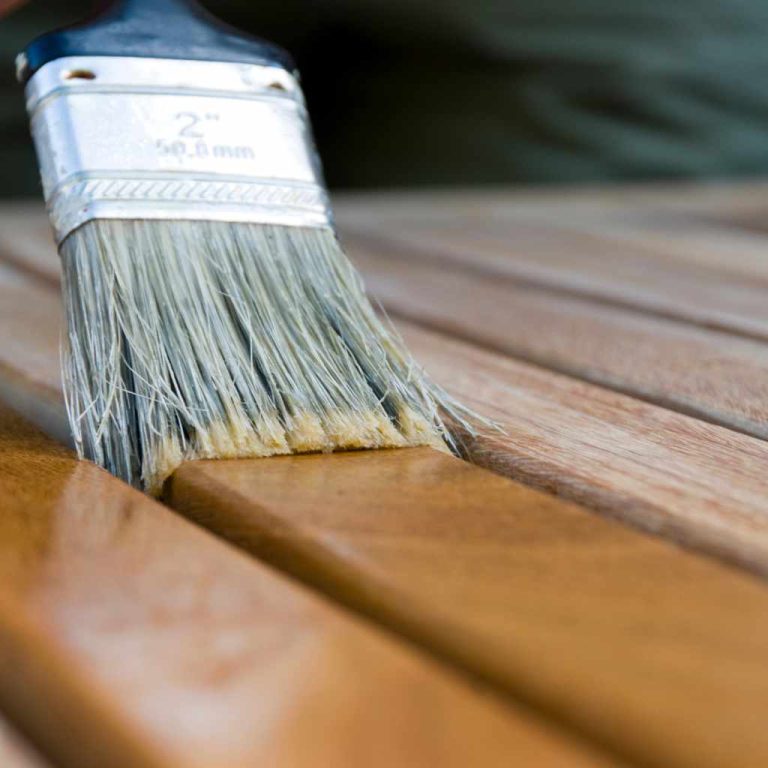
- Apply pre-stain wood conditioner: Brush or wipe on a pre-stain conditioner and let it penetrate for the time listed on the can, usually 5 to 15 minutes — this partially seals the soft grain so it can’t over-absorb stain later.
- Stain within the recommended window: Apply your stain within 2 hours of conditioning (check the product label); waiting too long lets the conditioner’s effect fade and blotching can return.
Gel Stain vs. Oil-Based Stain on Poplar
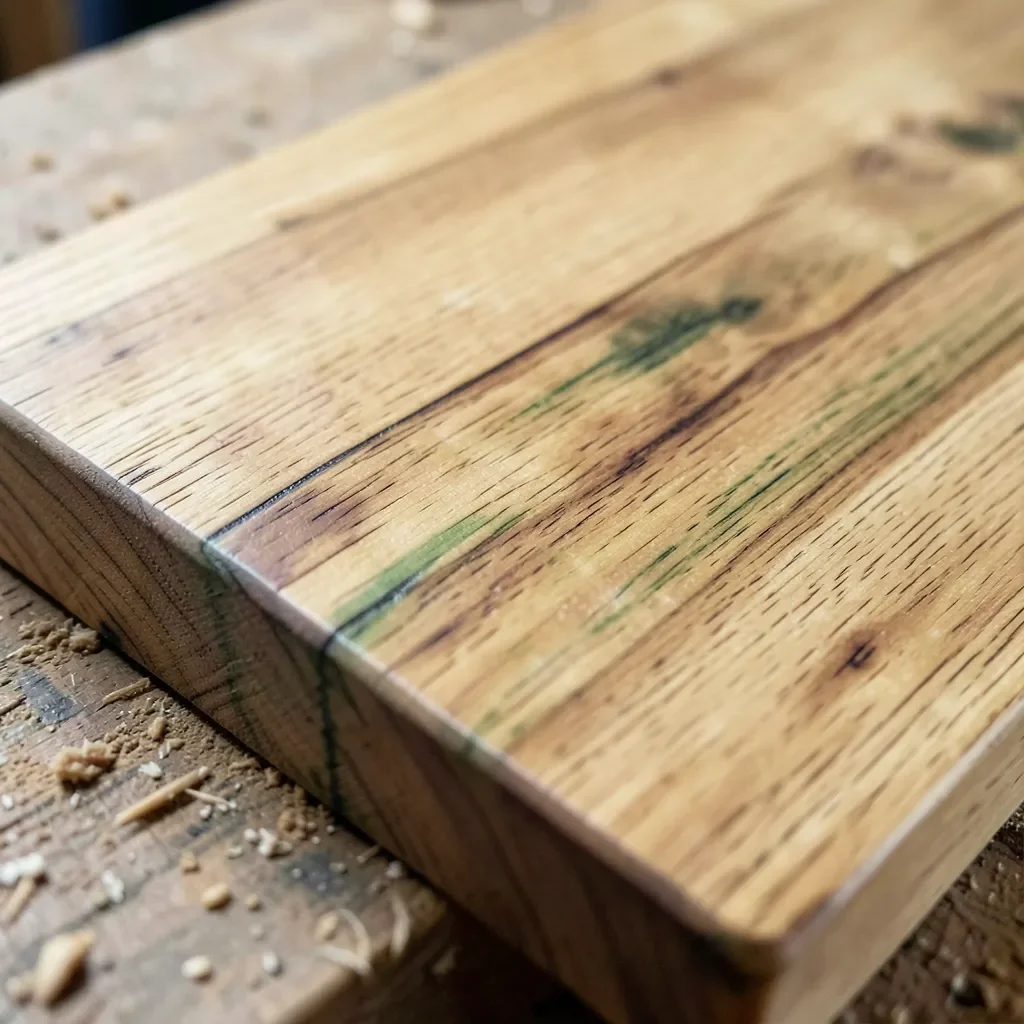
Poplar boards commonly carry green, gray, or purple mineral streaks left over from the tree’s growth — harmless, but visually distracting under a light stain. The stain type you choose changes how much of that streaking still shows through.
| Stain type | How it handles mineral streaks | Best for |
|---|---|---|
| Thin oil-based penetrating stain | Soaks in and can make streaks more visible, especially in light colors | Projects where you want the wood’s natural character to show |
| Gel stain | Sits more on the surface and evens out color, masking most streaking | A uniform, furniture-grade look with minimal blotching risk |
If hiding the streaks matters more than showing wood grain, gel stain is the safer pick for poplar. For a broader comparison of how each stain type behaves across species, see our gel stain vs. oil stain guide.
📊 Poplar runs roughly a third to half the price of comparable oak, maple, or cherry boards at most hardwood suppliers, which is why it’s the default “paint-grade” hardwood for cabinets and trim — but with proper conditioning it can also take a convincing stained finish for less money.
Always Test on a Scrap Piece First
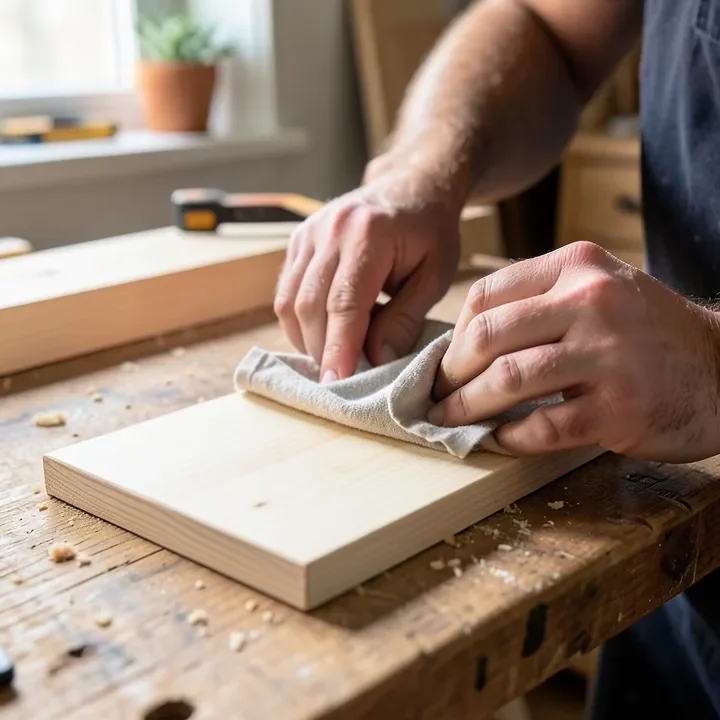
Because streaking and blotching vary board to board, test your exact conditioner-and-stain combination on an offcut from the same board before committing to the visible project. Sand, condition, and stain the test piece exactly as you plan to do the final piece — including drying time between steps — since shortcuts on the test won’t reveal the same result you’d get on the real thing.
“The boards that look worst before conditioning — the ones with obvious color patches in the raw wood — are usually the ones that benefit most from it. A conditioner won’t fix a bad stain choice, but it will fix uneven absorption almost every time we’ve tested it.”
— Our team, from testing conditioner and gel-stain combinations on poplar offcuts
Frequently Asked Questions
Do you always need a pre-stain conditioner on poplar?
Almost always, yes, if you’re using a penetrating oil or water-based stain. The only exception is gel stain, which sits on the surface rather than soaking in, so it’s more forgiving of poplar’s uneven density even without conditioning — though conditioning still helps.
Why does my poplar look green or purple under the stain?
Those tints are natural mineral streaks in poplar heartwood, not a staining mistake. A darker stain or a gel stain will mute them significantly; a very light or clear finish will let them show through more.
Do you need polyurethane over stained poplar?
Yes, for anything that will see handling or moisture. Stain alone doesn’t protect the surface. See our guide on sanding between stain and poly for the light-scuff step most people skip.
Can poplar pass for a more expensive hardwood once stained?
With careful conditioning and a darker stain or gel stain, yes — poplar can visually approach walnut or cherry tones at a fraction of the material cost. It won’t match their grain pattern up close, but from normal viewing distance the color result can be very convincing.
Condition first, choose gel stain if hiding mineral streaks matters, and always test on a matching offcut — poplar rewards the extra step with a finish that can rival pricier hardwoods. If you’re deciding between species before you buy, our wood identification guides can help confirm what you’re actually working with.
Sponsored / affiliate links. As an Amazon Associate I earn from qualifying purchases. I may earn additional commission from eligible campaigns.