Can Cedar Be Used for Flooring? Discover the Pros & Cons
Yes, cedar can be used for flooring. It offers natural beauty and durability, making it a popular choice.
Cedar flooring boasts a distinctive, rich appearance and a pleasant aroma. Known for its resistance to decay and insect damage, cedar ensures longevity. Its natural oils act as a preservative, making it an excellent choice for various environments. Cedar’s soft texture provides comfort underfoot, while its insulating properties help maintain a cozy atmosphere.
Due to its lightweight nature, cedar is easy to install, reducing labor costs. This sustainable wood option also contributes to eco-friendly building practices. Cedar flooring adds a touch of elegance and warmth to any space, enhancing both aesthetics and functionality.
Introduction To Cedar As A Flooring Material
Cedar is a versatile wood known for its beauty and durability. Many people wonder if cedar can be used for flooring. The answer is yes! Cedar offers unique advantages that make it a great choice for floors.
Cedar’s Aesthetic Appeal
Cedar wood has a rich, warm color. It ranges from light amber to deep reddish-brown. This variety adds charm to any room. The wood’s grain patterns are also striking. They can add a rustic or elegant touch to your home.
Cedar is known for its pleasant aroma. This scent can make your home feel inviting. The wood also ages well. Over time, cedar develops a beautiful patina. This makes it even more attractive as it gets older.
Historical Use In Flooring
Cedar has been used in homes for centuries. It was a popular choice for floors in colonial America. People valued its strength and beauty. Cedar was also used in ships and furniture.
Today, cedar is still a favorite for flooring. Its historical use proves its durability. Cedar floors can last for decades with proper care. This makes it a wise investment for any home.
Physical Characteristics Of Cedar Wood
Cedar wood is renowned for its unique qualities and aesthetics. Its natural properties make it a popular choice for various applications, including flooring. Knowing the physical characteristics of cedar wood helps in understanding its suitability for flooring.
Durability Factors
Cedar wood is known for its durability. It is resistant to rot and decay, making it an excellent choice for areas with high humidity. Cedar’s natural oils act as preservatives, providing long-lasting protection.
Unlike other hardwoods, cedar is softer. This means it is prone to scratches and dents. Regular maintenance can prolong its life. Use rugs in high-traffic areas to protect the surface.
Texture And Grain Patterns
Cedar wood has a distinctive texture and grain pattern. The grain is usually straight, but can sometimes be wavy. This gives each cedar floor a unique look.
The texture of cedar is smooth, with a fine and even grain. This makes it pleasant to walk on. The color ranges from pale yellow to deep brown. Over time, it develops a beautiful patina.
Cedar’s natural aroma is another appealing feature. The scent can be quite strong initially, but it fades over time. This natural fragrance adds to the charm of cedar wood flooring.
Benefits Of Choosing Cedar Flooring
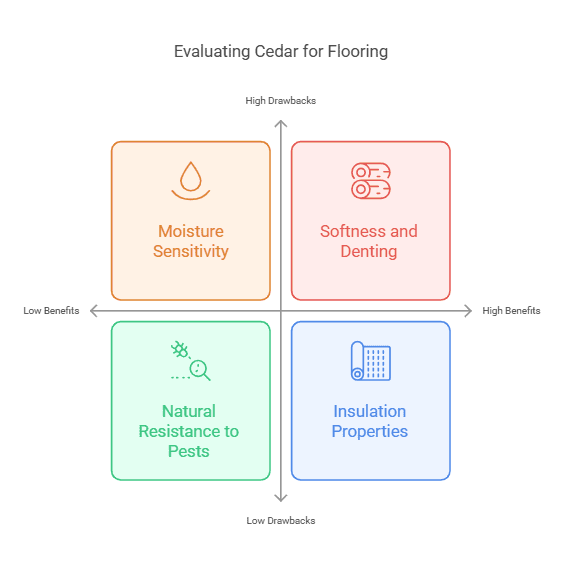
Cedar flooring offers a range of benefits that make it an excellent choice for your home. From natural resistance to pests to its unique aromatic qualities, cedar provides many advantages. Read on to learn why cedar is a great option for your floors.
Natural Resistance To Pests
Cedar wood naturally resists pests like termites and ants. This means fewer worries about insect damage.
Oil in cedar wood repels many pests. This makes it a durable choice for long-lasting floors.
Insulation Properties
Cedar flooring helps keep your home warm in winter and cool in summer. This is because cedar has good insulation properties.
This can save you money on heating and cooling bills. Cedar’s insulation helps maintain a comfortable indoor temperature.
Aromatic Qualities
Cedar wood releases a pleasant aroma. This adds a natural, fresh scent to your home.
The scent can make your home feel more inviting. Cedar’s aroma also has calming effects, enhancing your living environment.
| Benefit | Description |
|---|---|
| Natural Resistance to Pests | Cedar repels insects like termites and ants. |
| Insulation Properties | Cedar helps regulate indoor temperature. |
| Aromatic Qualities | Cedar releases a pleasant, calming scent. |
Potential Drawbacks Of Cedar Floors
Cedar is known for its beauty and aroma, making it a popular choice for many. However, there are some drawbacks to using cedar for flooring. Understanding these drawbacks can help you make an informed decision.
Softness And Denting
Cedar is a softwood, which means it is prone to dents and scratches. This softness can be a problem in high-traffic areas. If you have pets or kids, the floor can get damaged easily. Over time, these dents and scratches can make the floor look worn out.
Maintenance Considerations
Cedar floors need regular care to keep them looking good. You may need to refinish the floor every few years. This can be time-consuming and costly. In addition, cedar floors need to be cleaned carefully. Harsh chemicals can damage the wood.
Moisture Sensitivity
Cedar is sensitive to moisture. Excess moisture can cause the wood to warp or swell. It is not a good choice for areas like kitchens or bathrooms. If you live in a humid area, this can also be a problem. You will need to control the humidity levels in your home to protect the floor.
Comparing Cedar To Other Flooring Options
Cedar flooring stands out for its unique characteristics. But how does it compare to other popular flooring options? We will explore several aspects to help you make an informed choice.
Hardwood Alternatives
Cedar is often compared to other hardwoods like oak, maple, and cherry. Each wood has its own unique attributes.
- Oak: Known for its durability and traditional look.
- Maple: Offers a light, contemporary appearance.
- Cherry: Adds a rich, warm tone to any room.
Cedar, in contrast, provides a distinctive scent and natural resistance to pests. This can make cedar a unique and practical choice for certain homes.
Price Analysis
Comparing the cost of cedar flooring to other options is essential. Below is a simple table to illustrate price differences:
| Flooring Type | Average Cost per Square Foot |
|---|---|
| Cedar | $4 – $8 |
| Oak | $3 – $7 |
| Maple | $5 – $10 |
| Cherry | $6 – $12 |
Cedar falls within a moderate price range. It offers a blend of affordability and unique benefits.
Longevity Comparisons
The lifespan of flooring materials is a crucial factor. Let’s compare the longevity of cedar with other hardwoods.
- Cedar: Typically lasts 15-20 years with proper care.
- Oak: Can last 20-30 years or more.
- Maple: Often lasts 25-35 years.
- Cherry: Known to last around 30 years.
While cedar may not last as long as some other hardwoods, its natural beauty and scent offer unique advantages.
Installation Essentials For Cedar Flooring
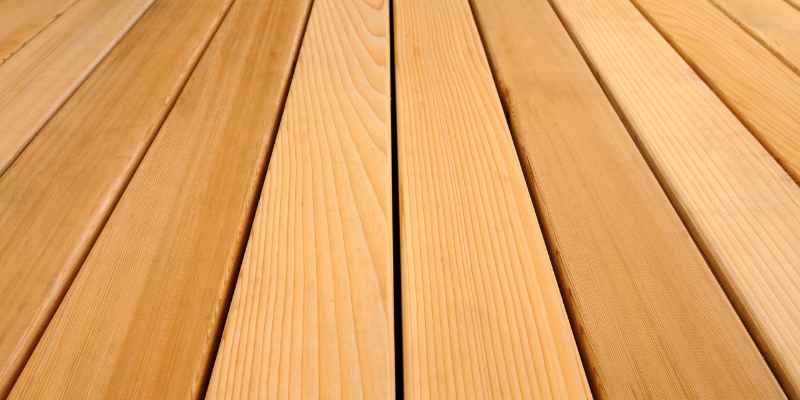
Cedar flooring offers a unique charm and durability. Installing cedar flooring requires careful planning and execution. This guide covers the essential steps for a successful installation.
Preparation Steps
Proper preparation is crucial for cedar flooring installation. First, gather all necessary tools and materials. Ensure the subfloor is clean, dry, and level. This provides a stable foundation for your cedar planks.
Let the cedar planks acclimate to the room’s temperature and humidity. This process takes about 48 hours. Lay the planks flat during this period. This prevents warping and ensures a better fit.
Measure the room dimensions accurately. Calculate the square footage. Buy an extra 10% of cedar planks. This covers any mistakes or future repairs.
Best Practices
Start laying the cedar planks from one corner of the room. Use a chalk line to ensure straight rows. This helps maintain alignment throughout the installation.
Use a moisture barrier if installing over concrete. This prevents moisture from damaging the cedar. Nail or glue the planks to the subfloor, depending on the type of installation.
Leave a small gap around the edges of the room. This allows for natural expansion and contraction. Cover the gaps with baseboards or molding for a finished look.
Finishing Techniques
Once the cedar planks are in place, sand the floor lightly. This smooths any rough spots and prepares the surface for finishing. Clean the floor thoroughly to remove dust and debris.
Apply a stain if you want to change the color of the cedar. Use a high-quality wood finish to protect the floor. Follow the manufacturer’s instructions for the best results.
Allow the finish to dry completely before moving furniture back into the room. Maintain your cedar flooring by cleaning it regularly and addressing spills promptly. This keeps your cedar floor looking beautiful for years.
Maintaining Your Cedar Flooring
Cedar flooring is a beautiful choice for any home. It provides a warm, rustic charm. Proper maintenance ensures it stays beautiful and durable. Below, we share tips to keep your cedar flooring in top shape.
Cleaning Tips
Regular cleaning is vital for cedar flooring. Follow these simple steps:
- Vacuum or sweep the floor daily to remove dirt and debris.
- Use a soft-bristle broom to avoid scratching the surface.
- Wipe spills immediately to prevent stains and water damage.
- Use a damp mop with a pH-neutral cleaner for deeper cleaning.
- Avoid harsh chemicals that can damage the wood.
Repair And Restoration
Over time, cedar flooring may show signs of wear. Here are some tips for repair and restoration:
- Sand the surface lightly to remove scratches and scuffs.
- Apply a fresh coat of sealant or finish to protect the wood.
- For deeper scratches, use a wood filler to repair the damage.
- Consult a professional for extensive repairs.
Preventive Measures
Prevention is key to maintaining cedar flooring. Consider these preventive measures:
| Measure | Benefit |
|---|---|
| Use rugs and mats | Protects high-traffic areas from wear |
| Place furniture pads | Prevents scratches from furniture legs |
| Maintain indoor humidity | Prevents wood from drying out or warping |
| Trim pet nails | Avoids scratches from pets |
By following these tips, your cedar flooring will remain stunning and durable for years. Keep it clean, repair it as needed, and take preventive measures.
Making The Decision: Is Cedar Right For You?
Choosing the right flooring material is vital for any home. Cedar is a popular choice due to its natural beauty and durability. But is it the right choice for you? Let’s explore some key considerations.
Lifestyle Considerations
Before deciding on cedar flooring, think about your lifestyle. Cedar is softwood, which means it can dent more easily than hardwood. This might be a problem if you have pets or young children.
On the bright side, cedar has natural oils that repel insects. It also has a delightful aroma that can make your home feel fresh. If you love natural scents and a warm, rustic look, cedar might be ideal for you.
Budget Implications
Budget is another crucial factor. Cedar tends to be less expensive than many hardwoods, but it isn’t the cheapest option available. Here’s a quick comparison:
| Material | Cost per Square Foot |
|---|---|
| Cedar | $4 – $8 |
| Oak | $5 – $10 |
| Pine | $3 – $7 |
While cedar is in the mid-range of flooring costs, its durability and aesthetic appeal can offer good value for money.
Final Assessment
To make a final decision, consider both your lifestyle and budget. Cedar offers a unique blend of beauty and functionality. It’s an excellent choice for those who value natural aesthetics and a fresh scent in their home.
Remember, cedar flooring will require some maintenance. Regular polishing and careful handling can help keep it looking new for years. So, if you can handle a bit of upkeep, cedar could be the perfect flooring material for you.
Real-life Examples Of Cedar Flooring
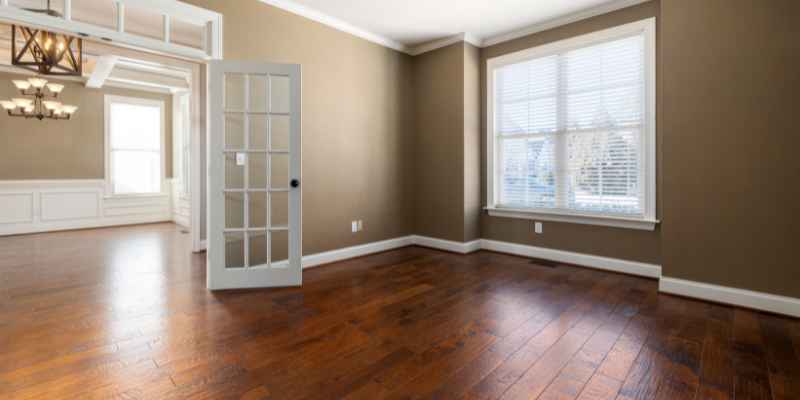
Cedar flooring is gaining popularity due to its unique aesthetic and practical benefits. Whether in homes or businesses, cedar provides a warm and inviting atmosphere. Let’s explore some real-life examples of cedar flooring in both residential and commercial settings.
Residential Case Studies
Many homeowners are now opting for cedar flooring in their living spaces. This choice offers natural beauty and durability.
| Homeowner | Project | Outcome |
|---|---|---|
| Smith Family | Living Room Renovation | Warm and Cozy Ambiance |
| Johnson Family | Bedroom Remodel | Elegant Look and Allergen-Free Environment |
For instance, the Smith family chose cedar for their living room. They wanted a warm and cozy ambiance. The Johnson family used cedar in their bedroom remodel. They achieved an elegant look and an allergen-free environment.
Commercial Applications
Businesses also benefit from cedar flooring. It creates a welcoming environment for customers.
- Retail Stores
- Restaurants
- Offices
Retail stores use cedar flooring to create an inviting shopping experience. Restaurants find cedar adds a rustic charm that attracts diners. Offices benefit from the professional yet relaxed atmosphere cedar provides.
One notable example is a local bookstore. They installed cedar flooring to enhance the cozy feel of their reading areas. Another example is a fine dining restaurant that chose cedar for its elegant yet rustic appearance.
In all these cases, cedar flooring has proven to be a versatile and effective choice for various settings.
Future Of Cedar In Flooring Innovations
The future of cedar in flooring innovations is bright and promising. Cedar, known for its durability and natural beauty, is gaining popularity. Let’s explore the exciting advancements shaping the use of cedar in flooring.
Sustainability Trends
Sustainability is a major trend in flooring. Cedar is an eco-friendly choice. It is a renewable resource, which means it can be replanted and grown again. Using cedar helps reduce the carbon footprint. This makes cedar an excellent choice for eco-conscious homeowners.
Cedar flooring also requires less energy to produce. This is because cedar trees grow faster than other hardwoods. This rapid growth rate makes cedar a sustainable option. Cedar is also biodegradable, which means it won’t harm the environment.
Technological Advancements
Technological advancements have made cedar flooring more durable. Treatments and finishes have improved cedar’s resistance to wear and tear. This means cedar floors can last longer. New technology also makes cedar flooring easier to install. This saves time and reduces labor costs.
Innovative tools and equipment have also emerged. These tools ensure precise cutting and fitting of cedar planks. This results in a perfect finish every time. Additionally, advancements in adhesives have improved the bonding of cedar planks. This ensures that cedar floors stay intact and look great for years.
Key Benefits of Technological Advancements:
- Enhanced durability
- Improved resistance to wear and tear
- Easy installation
- Precise cutting and fitting
- Stronger bonding of planks
Overall, the future of cedar in flooring innovations is exciting. As sustainability and technology evolve, cedar will remain a top choice.
Frequently Asked Questions
How Long Do Cedar Floors Last?
Cedar floors can last 20-30 years with proper maintenance. Regular care and refinishing extend their lifespan.
What Are The Disadvantages Of Cedar Wood?
Cedar wood can be expensive. It requires regular maintenance. It is prone to scratches and dents. It has limited color options. It can be susceptible to insect damage.
Is Cedar Good For Hardwood Floors?
Cedar is not ideal for hardwood floors. It is soft, prone to dents, and lacks the durability of other hardwoods.
How To Finish Cedar Flooring?
Sand the cedar flooring to smooth out imperfections. Apply a wood conditioner. Stain the wood for desired color. Seal with polyurethane. Let it dry completely.
Conclusion
Cedar can be a viable option for flooring. It offers durability, a unique appearance, and natural resistance to pests. Ensure proper installation and maintenance to maximize its lifespan. Considering its benefits, cedar flooring could be a valuable addition to your home.
Explore this option to enjoy a beautiful and long-lasting floor.