Can Cedar Be Used for Firewood? BTU Data and Best Uses (2026)
Yes, cedar can be used as firewood, but it is a kindling and fire pit wood, not a heating wood: eastern redcedar delivers about 13.0 million BTU per cord, less than half of white oak at 29.1. Burn it dry, and never when it is painted, stained, or pressure treated. This guide covers the BTU numbers, why cedar pops, the creosote myth, and where each use makes sense.
Is Cedar Good Firewood? Yes, If It Is Dry
Best Firewood Dryness Check | |
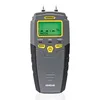 |
General Tools MMD4E Moisture Meter, $32.03 Cedar only behaves like good firewood when it is dry, and the EPA tells burners to test wood with a moisture meter before burning. This pin-type meter reads 5 to 50 percent in wood, so the 20 percent line is well inside its range.
|
As an Amazon Associate we earn from qualifying purchases. | |
Cedar lights fast, burns hot for a short time, and splits easily because it is light and soft. Those same traits are why it fails as a main fuel: there is simply less wood in each log. Here is the verdict by use.
- Kindling and fire starting: good. Split it thin and it catches faster than most hardwoods.
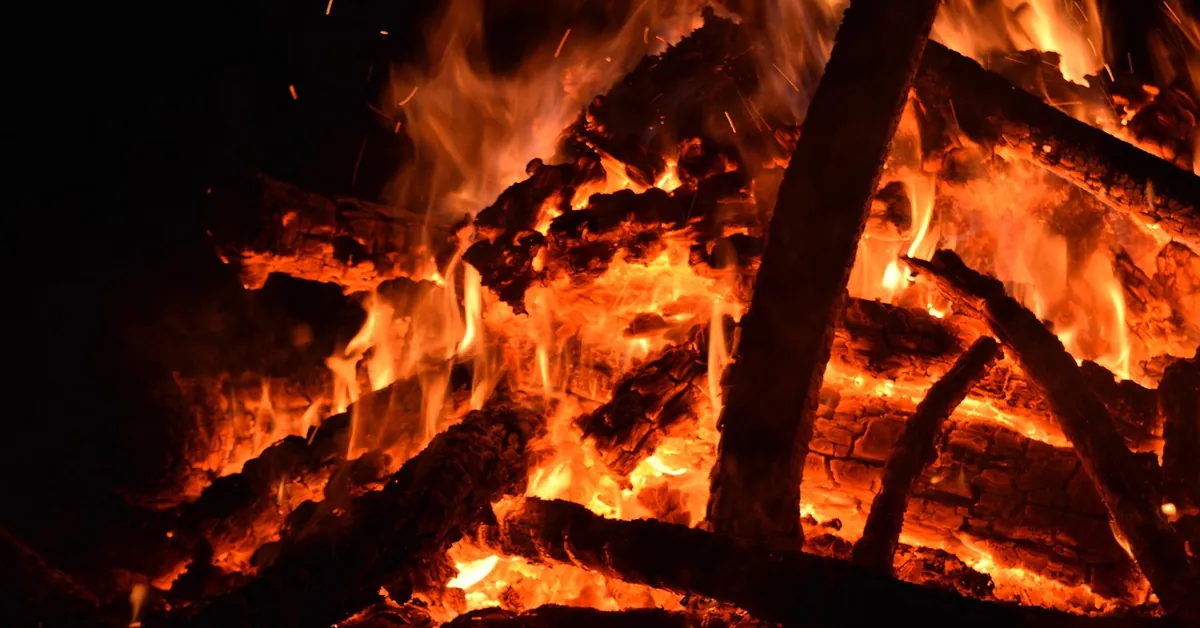
- Campfire and fire pit: good, as long as you keep seating and tents back from the sparks.
- Open fireplace: acceptable if dry, with a screen or glass doors in place.
- Wood stove or insert: kindling only, in small amounts, and only if your stove manual allows it.
- Primary winter heat: no. You would burn through far more wood for the same warmth.
If you split your own rounds, our guide to splitting kindling shows how to turn a cedar log into a pile of fire starters. For how cedar compares with other conifers, see burning pine.
Cedar Firewood BTU Rating vs Other Woods
Heat content depends on density: a cord of dense hardwood simply holds more wood fiber than a cord of light softwood. The table combines the Utah State University Extension heat values (million BTU per cord of dry wood) with Wood Database weights.
| Wood | Million BTU per cord | Dry weight (lb/ft3) | Share of white oak heat |
|---|---|---|---|
| Eastern redcedar | 13.0 | 33 | 45% |
| Western redcedar | 18.2 | 23 | 63% |
| Ponderosa pine | 16.2 | n/a | 56% |
| Douglas-fir | 20.7 | n/a | 71% |
| Quaking aspen | 18.2 | n/a | 63% |
| Silver maple | 19.0 | n/a | 65% |
| Red oak | 24.6 | n/a | 85% |
| White oak | 29.1 | 47 | 100% |
Weights are from the Wood Database pages for each species; the share column is our own arithmetic against white oak.
Eastern redcedar produces 13.0 million BTU per cord of dry wood, compared with 29.1 million for white oak. Source: Utah State University Extension
What the numbers mean for your wallet
Divide 29.1 by 13.0 and you get 2.24. In practice, you need about 2.2 cords of dry eastern redcedar to match the heat of one cord of dry white oak. Flip it around and cedar is only worth buying if it costs less than about 45 percent of what oak costs per cord, before you count the extra stacking, splitting, and refilling. Published heat charts differ by several million BTU for the same species, so treat any single figure as an estimate.
Not every cedar is the same
Most firewood pages quote one number for “cedar”, but the table shows how far apart the species are. Western redcedar tests higher in heat (18.2) and is much lighter (23.0 lb/ft3 vs 33 for eastern). Janka hardness shows the same gap: 900 lbf for eastern red cedar and 350 lbf for western red cedar, versus 1,350 lbf for white oak. If you are told a stack is cedar, ask which species before you compare prices. Our cedar vs oak comparison covers the same trade-off for building projects.
Why Cedar Pops and Throws Sparks
Fires crackle and pop when trapped moisture and resin vent from the wood. The Utah State University Extension notes that sparking and popping are a hazard in fireplaces and that conifers tend to do this more because of their high resin content. Cedar is a conifer, so expect more snap and crackle than you get from oak or maple.
Cedar is sometimes described as “safe indoors” with “minimal smoke”. That overstates it. Plan for sparks every time:
- Keep a fireplace screen or glass doors closed whenever cedar is burning.
- Clear rugs, firewood stacks, and dry leaves from around a fire pit.
- Use thin pieces on a bed of established coals instead of loading large cedar splits onto a young fire.
- Never leave a cedar fire unattended, indoors or out.
Does Cedar Cause Creosote in a Chimney?
This is the claim most pages repeat without a source: resin in cedar builds creosote faster. The Chimney Safety Institute of America (CSIA) names different causes: restricted air supply, unseasoned wood, and cooler than normal chimney temperatures. Resin does not appear on that list.
Here is where cedar can still cause trouble. Because it burns out fast, burners are tempted to close the damper or air control to stretch a load, which is the restricted air supply CSIA warns about. Wet cedar does the same thing, since the fire has to boil off water first. The EPA Burn Wise program says wood burns best at a moisture content below 20 percent. The fix is not avoiding cedar, it is burning it dry and keeping the air open.
Whatever you burn, CSIA recommends an annual inspection by a certified chimney sweep. If you burn cedar in a fireplace often, do not skip it. Our guide to burning wood safely covers fireplaces, stoves, and fire pits in more detail.
Cedar in a Fire Pit, Fireplace, or Wood Stove
| Where | Verdict | Condition |
|---|---|---|
| Fire pit or campfire | Good | Dry wood, spark distance, never unattended |
| Open fireplace | OK in moderation | Screen or doors closed, chimney inspected yearly |
| Wood stove or insert | Kindling only | Small amounts, open air control, follow the stove manual |
| Whole-house heating | Poor | Needs about 2.2 times the wood of white oak |
The pairing that works best in all of these is cedar kindling plus hardwood logs. Cedar gets the fire going in minutes, then oak, maple, or another dense wood carries it for hours. Our can you burn cedar page goes deeper on the safety rules and the 20 percent moisture limit, while this page is about whether cedar is worth using as fuel at all.
Cedar You Should Never Burn
Raw, unfinished cedar is the only kind that belongs in a fire. The EPA Burn Wise program says to avoid coated, painted, and pressure treated wood, plus plywood, particle board, or any wood with glue on or in it. Cedar often ends up in exactly those categories:
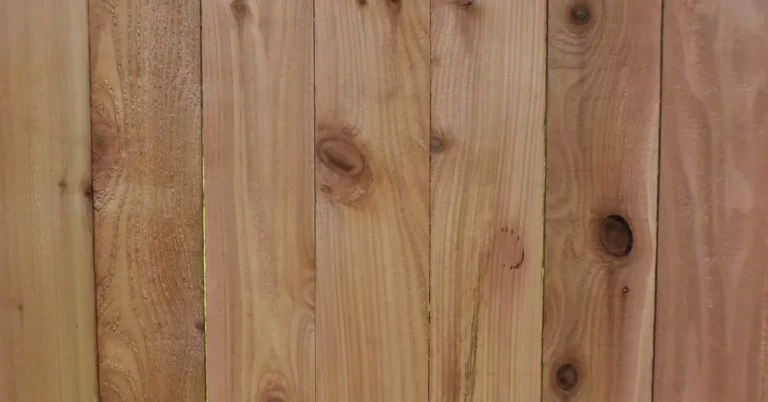
- Fence boards, decking, and siding that were stained, sealed, or painted.
- Cedar that has been pressure treated or came from an unknown source.
- Cedar plywood, glued-up panels, and finished offcuts from furniture projects.
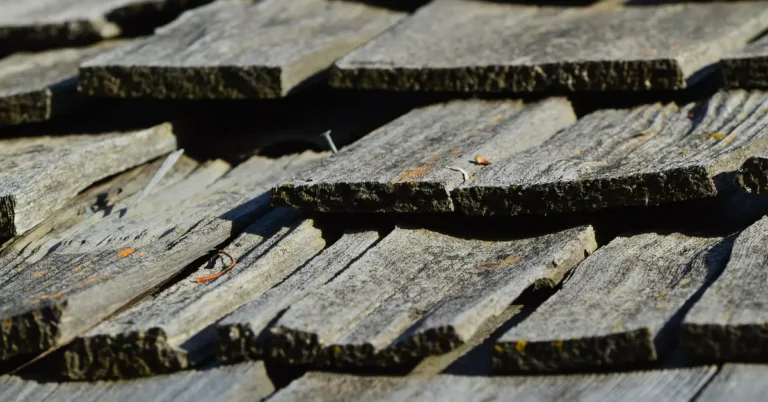
- Old shingles or lumber with unknown coatings.
If you work wood, keep a separate bin for clean, unfinished cedar offcuts and throw glued or finished pieces out with the trash. For why treated lumber is a problem in a fire, read can pressure treated wood be burned safely and can burning treated wood be dangerous.
A note on cooking: this guide covers heating and campfires only. We have not tested or sourced guidance on smoking food with cedar, so do not use scrap cedar of unknown history near food. If you want cedar flavor, buy planks labeled for cooking.
How to Season Cedar and Know When It Is Ready
The EPA Burn Wise program advises seasoning wood for at least six months and storing it outdoors, off the ground, with only the top covered, because covering the sides traps moisture. The Utah State University Extension adds that green firewood may contain 50 percent or more water by weight and produces less heat and more smoke and creosote.
- Split cedar into small pieces so more surface is exposed.
- Stack it off the ground in a spot with wind and sun.
- Cover only the top of the stack.
- After six months, split one piece and push the meter pins into the fresh face.
- Burn it when the reading is below 20 percent.
Light, low-density wood generally dries faster than dense hardwood, but the meter decides, not the calendar. For the denser end, see how long oak takes to season, and for stacking methods see how to stack firewood.
Cedar’s aromatic oils are also why many people keep it near closets and chests. Our article on whether cedar repels insects explains what those oils really do.
Frequently Asked Questions
Is cedar good firewood?
Cedar is good firewood for kindling, campfires, and fire pits, but a poor choice as your main heating wood. Eastern redcedar is listed at 13.0 million BTU per cord, against 29.1 for white oak. It lights easily and burns out quickly, so it works best as a starter under hardwood.
Is it safe to burn cedar in a fireplace or wood stove?
Dry, untreated cedar can be burned in a fireplace with a screen or closed doors, because conifers tend to pop and throw sparks. In a stove, use it only in small amounts as kindling and follow your stove manual. Never burn cedar that is painted, stained, sealed, pressure treated, or glued.
Does cedar cause creosote?
Not by itself. The Chimney Safety Institute of America lists restricted air supply, unseasoned wood, and cooler than normal chimney temperatures as the factors that speed up creosote. Wet cedar or a fire choked down with the damper can leave deposits, and so can any other wood treated the same way.
How long does cedar need to dry before burning?
The EPA says to season wood for at least six months and burn it below 20 percent moisture. Cedar is light, so it may dry sooner than oak, but the meter reading decides, not the calendar. Split it, stack it off the ground, and cover only the top.
Is red cedar or western red cedar better for burning?
By the Utah State University Extension table, western redcedar gives more heat, at 18.2 million BTU per cord against 13.0 for eastern redcedar. Western red cedar is also lighter, at 23.0 lb/ft3 versus 33 for eastern red cedar. Both still sit well below white oak.
Cedar earns a place in your woodpile as kindling and as an easy-lighting fuel for a fire pit, but it will never replace oak for heat. Keep it dry, keep it clean of coatings, watch for sparks, and keep your chimney inspected.
Sponsored / affiliate links. As an Amazon Associate I earn from qualifying purchases. I may earn additional commission from eligible campaigns.