Can You Apply Wood Conditioner After Stain? No — Here’s Why
No — pre-stain wood conditioner belongs on bare wood before staining, not on wood you have already stained; applying it afterward can lift or streak the color. Minwax instructions call for staining within 2 hours of conditioning — wait longer and it cures into a sealer that blocks stain absorption entirely. This guide covers what happens if you condition after stain, the correct timing window, which woods need it most, and the one legitimate after-stain conditioner that exists.
What Actually Happens If You Apply Wood Conditioner After Stain
Best Pre-Stain Wood Conditioner Pick
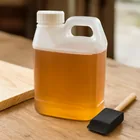
Minwax Pre-Stain Wood Conditioner
Oil-based conditioner sold by the quart; the standard 5–15 minute penetration window before stain matches most oil-based stain brands.
- Best for: Pine, birch, maple, and other blotch-prone softwoods before oil-based stain
- Why we picked it: Widely available, clear published timing window, works with most oil-based stain lines
- Main drawback: Strong solvent odor — needs ventilation and mineral spirits for cleanup
Compare more pre-stain conditioner options
 Option 1 Oil-Based Pre-Stain Conditioner
|
 Option 2 Water-Based Pre-Stain Conditioner
|
 Option 3 Varathane Premium Wood Conditioner
|
As an Amazon Associate we earn from qualifying purchases.
Wood conditioner works by partially sealing the wood’s pores before any stain goes on, so the stain that follows absorbs at a slower, more even rate. Once stain is already down, that mechanism doesn’t just stop working — it actively works against you.
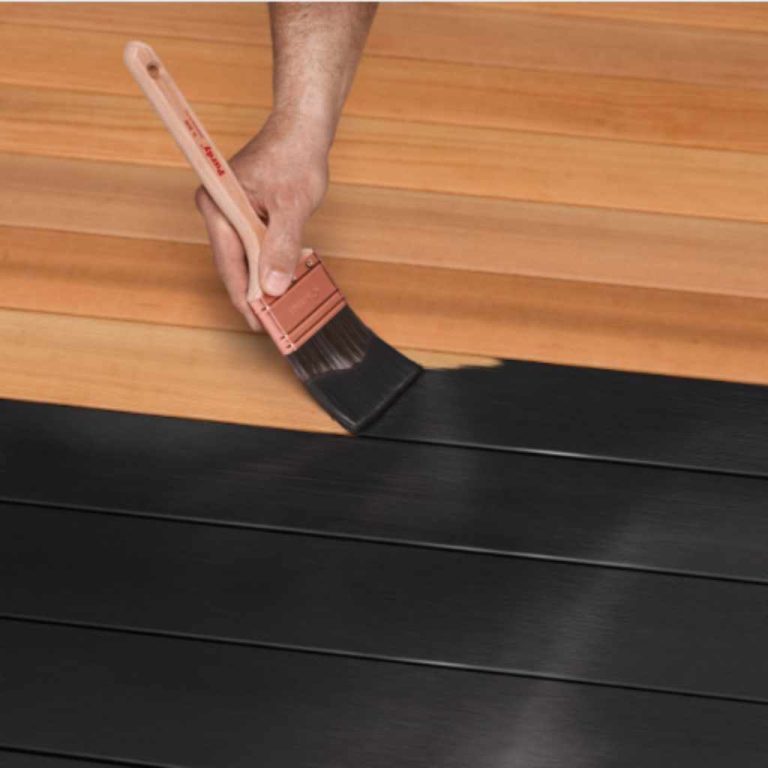
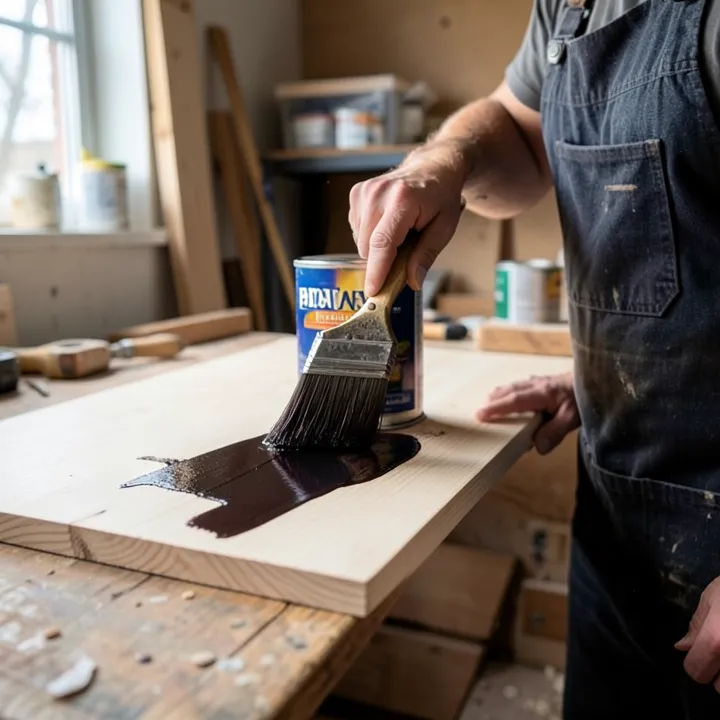
Oil-based pre-stain conditioner contains the same mineral-spirit solvents used in oil-based stain. Wipe it over stain that hasn’t fully cured yet and it can re-soften and lift pigment right back out of the wood, leaving a patchy, streaked finish instead of the smooth color you started with. Even once the stain has dried, conditioner applied on top doesn’t penetrate — it sits on a surface that’s no longer bare wood, so it can’t do the one job it’s designed for: evening out absorption into open pores. Any conditioner residue left on the surface can also interfere with topcoat adhesion, causing polyurethane or varnish to bead, blotch, or peel.
📊 Minwax recommends staining within 2 hours of applying Pre-Stain Wood Conditioner — beyond that window, the conditioner cures and acts as a sealer, blocking the stain from penetrating at all. — Source: Minwax Pre-Stain Wood Conditioner product instructions, 2026.
“In our shop, skipping conditioner on maple or birch shows up immediately — the blotches appear the moment the first coat goes on, not after it dries. We’ve never had a reason to reach for conditioner after the stain is already down; by then the wood can’t do anything with it.”
The Correct Order and Timing Window (Minwax vs. Varathane)
Both major conditioner brands agree on the sequence — condition first, wait, then stain — but the exact timing differs slightly between them.
- Sand bare wood: Work up through 120, 150, 180, and 220 grit, sanding with the grain (see our full grit guide for staining).
- Remove dust: Vacuum the surface, then wipe with a tack cloth or a rag dampened with mineral spirits.
- Apply pre-stain conditioner: Brush or wipe it on evenly, working with the grain.
- Wait: Minwax calls for 5–15 minutes; Varathane calls for 15–30 minutes followed by a light 220-grit scuff sand.
- Wipe off excess: Use a dry, lint-free cloth, working with the grain, before the conditioner dries tacky.
- Apply stain: Minwax: within 2 hours of conditioning. Varathane: wait an additional 30–60 minutes after the scuff-sand, then stain.
- Wipe and topcoat: Remove excess stain after a few minutes, then protect the finish with polyurethane, lacquer, or varnish once the stain has fully dried.
Which Woods Actually Need Pre-Stain Conditioner
Pre-stain conditioner isn’t necessary on every board — it earns its keep on soft, porous, or uneven-grained species that soak up stain unevenly. If you’re still deciding whether your project needs this step at all, our full breakdown of wood conditioner before stain covers when it’s worth it and when you can skip it.
| Wood | Blotch Risk | Conditioner Type | Why |
|---|---|---|---|
| Pine | High | Oil- or water-based (match your stain) | Soft, uneven density soaks up stain unevenly |
| Birch | High | Oil-based | Tight grain but blotches badly under darker stains |
| Maple | High | Gel stain, or oil-based conditioner | Dense, closed grain resists and blotches under liquid stain |
| Cherry | Moderate–High | Oil-based | Naturally darkens with age; uneven under standard liquid stain |
| Alder | Moderate | Water- or oil-based | Soft grain, similar risk profile to pine |
| Fir / Spruce | High | Oil-based | Very soft, highly uneven grain |
| Oak / Walnut | Low | Usually not needed | Open, consistent grain takes stain evenly |
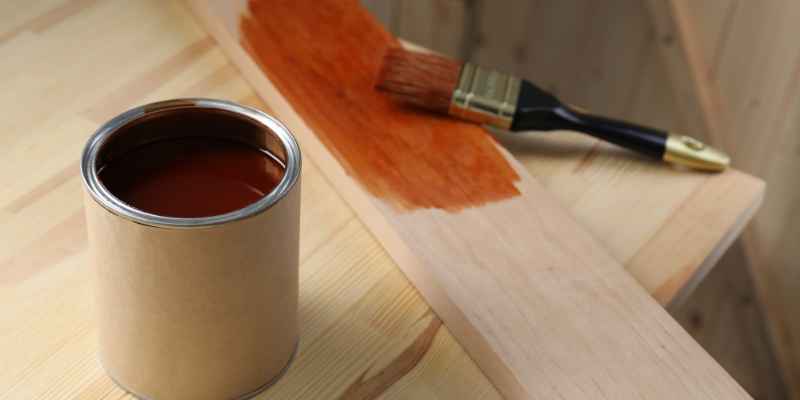
The One Legitimate After-Stain “Conditioner”
There’s exactly one situation where a product labeled “wood conditioner” does go on after stain — and it’s a different product doing a different job. Maintenance conditioners like Howard Feed-N-Wax are a blend of beeswax, carnauba wax, and mineral or orange oil, meant to feed and moisturize wood that’s already finished — stained, topcoated, or oiled. They don’t prep wood for stain absorption; they condition the surface for shine and moisture resistance during ongoing care, applied months or years after the original finish, not minutes after the stain coat. For more on conditioning products, including DIY versions made from oils and waxes, see our guide to DIY wood conditioner. Don’t confuse this maintenance step with pre-stain conditioner — using a maintenance wax product before staining, or a pre-stain conditioner as a topcoat polish, won’t do either job properly.
Already Applied It in the Wrong Order? How to Fix It
If you’ve already conditioned over stain, or stained without conditioning first and ended up with blotches, the fix is the same: sand back to bare wood. Use 220-grit sandpaper to remove the stain and any conditioner residue down to raw wood, vacuum or tack-cloth the dust, then restart the correct sequence — condition, wait, wipe, stain. Partial sanding that leaves some color behind will just blotch again, since the remaining stain blocks the conditioner from reaching the wood evenly underneath it. Not sure the step is worth repeating on your next project? Our guide on whether pre-stain wood conditioner is necessary breaks down when it’s worth the extra time.
Frequently Asked Questions
Can wood conditioner be applied after stain?
No. Pre-stain wood conditioner is designed for bare wood; applying it after stain doesn’t seal pores that are already colored, and it can lift or streak stain that hasn’t fully cured. Save conditioner for the next project’s bare wood, not the one you just stained.
What happens if you apply wood conditioner after stain?
Oil-based conditioner can re-soften and lift oil-based stain that isn’t fully cured, causing streaks or patchy color loss. On stain that has already dried, conditioner just sits on the surface without penetrating, and leftover residue can interfere with topcoat adhesion.
How long after wood conditioner can you stain?
Minwax recommends staining within 2 hours of conditioning. Varathane’s instructions call for a 15–30 minute wait, a light 220-grit scuff sand, then an additional 30–60 minutes before staining. Wait too long with either brand and the conditioner cures into a sealer that blocks stain absorption.
Does wood conditioner make stain lighter or darker?
Lighter, in most cases. Conditioner works by reducing how much stain the wood absorbs overall, which evens out blotching but also means the final color reads a shade lighter than staining the same wood unconditioned.
Which woods need pre-stain conditioner the most?
Pine, birch, maple, cherry, alder, fir, and spruce are the most blotch-prone species — all soft or tight-grained woods that absorb stain unevenly. Open-grained hardwoods like oak and walnut rarely need it.
Is there a wood conditioner meant to be used after staining?
Yes, but it’s a different product category. Maintenance conditioners like Howard Feed-N-Wax are wax-and-oil blends for feeding and moisturizing wood that’s already finished — not pre-stain conditioners, and not meant to fix uneven stain absorption.
Wood conditioner does its job before stain touches the wood, not after — that’s the order every manufacturer instruction sheet, from Minwax to Varathane, agrees on. Condition bare, blotch-prone wood, wait within the recommended window, wipe off the excess, then stain. If a board is already stained and looking uneven, sand back to bare wood and restart the sequence rather than reaching for conditioner as an after-the-fact fix.
Sponsored / affiliate links. As an Amazon Associate I earn from qualifying purchases. I may earn additional commission from eligible campaigns.