Why Do People Put Cedar in Closets?
People put cedar in closets because its natural oils — mainly thujopsene and cedrol — interfere with the pheromone signals moths use to find fabric, while the wood also absorbs humidity that causes mildew. Skip the habit and it’s wool sweaters and heirloom linens that pay for it, not the closet. This guide covers the real chemistry behind the scent, where the practice actually started, and what most closets get wrong about it.
The Real Reason: Cedar Oils Confuse Moths, They Don’t Kill Them
Best Cedar Closet Lining Pick
Real Wood Cedar Wall Board Kit (20 sq ft, Nail-Up Aromatic Cedar)
Milled aromatic cedar boards sized for lining a full closet wall, not a thin veneer strip.
- Best for: Lining an entire closet wall for maximum scent and moth protection
- Why we picked it: Real solid cedar, not a printed laminate, so the oils are genuine and can be refreshed by sanding
- Main drawback: Needs basic nail-up or adhesive installation — not a peel-and-stick job
Compare more cedar closet options
 Option 1 Cedar Tongue & Groove Wall Panels (9.7 sq ft)
|
 Option 2 Cedar Scent Refresher Spray (32 oz)
|
 Option 3 Cedar Wood Hanger Set (12-Pack with Hooks)
|
As an Amazon Associate we earn from qualifying purchases.
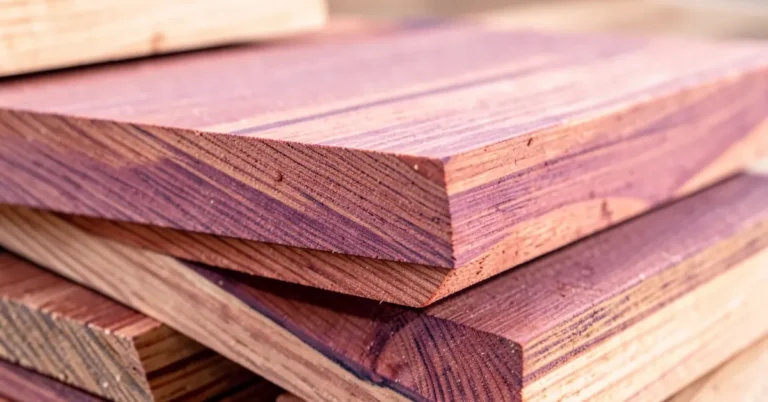
Eastern red cedar wood contains natural compounds — primarily thujopsene, cedrol, and alpha-cedrene — that give the wood its sharp, resinous smell. Those same compounds are what repel bugs: the strong odor overwhelms an adult moth’s ability to detect the pheromone trail it uses to find wool, silk, and fur to lay eggs on. It’s a repellent, not an insecticide — cedar oil is registered with the EPA as a 25(b) minimum-risk pesticide, a category reserved for substances too low-risk to require standard pesticide registration, but it doesn’t kill moth larvae already established in a garment.
That distinction matters for how you use cedar: it’s prevention, not a cure. If clothes already have moth damage or larvae in them before they go into a cedar closet, cedar won’t reverse that. Clean and freeze or dry-clean infested items first, then let the cedar do its job of keeping new moths from moving in. The same oils are why cedar shows up in mosquito research too — vapor-phase thujopsene has been shown in entomology studies to deter mosquito biting by a wide margin, which is part of why it also turns up in cedar-based mosquito repellents.

A Second Reason: Cedar Pulls Moisture Out of the Air
Cedar is naturally porous and mildly hygroscopic, meaning it absorbs excess moisture from the air around it. In a closed closet — especially in a basement, an older home, or a humid climate — that keeps humidity from building up around stored fabric, which is what causes musty odors and mildew in the first place. It’s a secondary effect, not the main reason cedar became a closet standard, but it’s a real one and it explains why cedar closets are often recommended for off-season storage in homes without climate control.
Is the “Cedar” in Your Closet Actually Cedar?
Almost never, technically. The wood in nearly every cedar closet, cedar chest, and cedar block on the market is Eastern red cedar (Juniperus virginiana) — and despite the name, that’s a juniper, not a true cedar. True cedars belong to the genus Cedrus (Lebanon cedar, Atlas cedar, deodar cedar) and don’t have the same moth-repelling oil profile. Eastern red cedar earned the “cedar” name centuries ago for its similar reddish wood and aromatic scent, and the name stuck. It’s also the more potent of the two common closet woods — Western red cedar (a true cedar, Thuja plicata) has a milder scent and weaker repellent effect, which is why Eastern red cedar dominates the closet-lining market specifically.
Where This Habit Actually Started
The practice is older than most people assume. Ancient Egyptians used cedar chests to store and protect valuable linens and documents, prizing the wood for its resistance to insects and decay. The habit that shaped American closets, though, came from a 20th-century marketing campaign: starting in the 1920s, Lane Furniture began selling cedar “hope chests” to young women as a place to store linens and keepsakes in preparation for marriage. The idea caught on hard — giving a teenage girl a cedar chest was practically a tradition in American homes from the 1920s through the 1960s. As cedar chests fell out of fashion in the second half of the century, the same principle got built into the house itself: a cedar-lined closet or cedar planking became the permanent, larger-scale version of the cedar chest, doing the same job for an entire wardrobe instead of a single trunk.
How People Add Cedar to a Closet Today
There are three common approaches to bringing cedar into a closet, in order of how much exposure they give: tongue-and-groove aromatic cedar planks nailed or glued directly to the walls (the most effective and the most work), loose cedar blocks or balls tucked among stored items (the least effective per square foot, but zero installation), and cedar plywood panels as a budget middle ground. A standard box of tongue-and-groove cedar planking runs around $30 and covers roughly 15 square feet, so lining a typical 4×8-foot closet with an 8-foot ceiling — planks plus trim — usually costs somewhere around $350–$400 in materials. Whether that’s worth it compared to blocks, sachets, or skipping cedar altogether is its own decision — we break the cost-versus-benefit down in detail in Are Cedar Closets Worth It?, and the full plank-by-plank installation steps are in our cedar closet installation guide.
How Long the Cedar Effect Actually Lasts
Cedar doesn’t work forever on its own. The scent-carrying oils sit near the surface of the wood, and over roughly three to seven years of exposure to air, that surface oxidizes and the oils stop evaporating fast enough to matter. The fix is mechanical, not chemical: lightly sand the surface with 100-150 grit sandpaper to expose fresh wood underneath, which restores the aroma and the repellent effect. One thing worth knowing before you install anything: never seal, stain, varnish, or paint cedar closet lining. A sealant blocks the very oil evaporation that makes cedar work in the first place, which defeats the entire point of using it. If sanding sounds like a hassle, our guide on making your own cedar oil covers a lower-effort way to top up the scent between sandings.

Is Cedar the Right Choice for Every Closet?
For most people, yes, with one honest caveat. Cedar is a reasonable, low-maintenance alternative to mothballs, which rely on naphthalene or paradichlorobenzene — chemicals with a much sharper toxicity profile and a smell that clings to fabric far longer than cedar’s does. But cedar isn’t risk-free for everyone: some people are sensitive to the volatile oils in red cedar and can develop skin irritation from direct, repeated contact, and a Japanese occupational study found a correlation between heavy, frequent exposure to aromatic red cedar dust and increased asthma risk in woodworkers who handled it daily. That’s an occupational-exposure finding, not a reason to avoid a cedar-lined closet you walk into a few times a day — but if anyone in the house has a wood-dust sensitivity or asthma, it’s worth knowing before committing to floor-to-ceiling cedar planking.
| Method | How It Works | Best For |
|---|---|---|
| Cedar planks/blocks | Natural oils mask pheromone trails; needs resanding every 3–7 years | Long-term, chemical-free protection with upkeep |
| Mothballs | Naphthalene/PDB vapor is directly toxic to moths and larvae | Sealed, airtight storage containers — not everyday closets |
| Lavender sachets | Mild scent deterrent; no larvae-killing effect | Freshening a closet, not primary moth defense |
Frequently Asked Questions
Why do people put cedar in closets?
Mainly to repel clothes moths: natural oils in the wood, primarily thujopsene and cedrol, mask the pheromone trail moths use to find wool and silk. A secondary reason is moisture control — cedar absorbs excess humidity, which helps prevent mildew and musty odors in enclosed closets.
Is Eastern red cedar actually a type of cedar tree?
No. Eastern red cedar (Juniperus virginiana) is botanically a juniper, not a true cedar. True cedars belong to the genus Cedrus. Eastern red cedar picked up the name for its reddish, aromatic wood, and the label has stuck for centuries — it’s still the species behind almost every cedar closet product sold today.
How long does cedar smell last in a closet?
Typically three to seven years before the surface oils oxidize enough that the scent and repellent effect fade noticeably. Lightly sanding the exposed cedar surface removes the oxidized layer and restores the aroma without replacing the wood.
Can you seal or paint cedar wood in a closet?
You shouldn’t. Sealants, stains, and paint block the pores that let cedar’s oils evaporate into the air, which is the mechanism that makes it work as a moth repellent in the first place. Leave closet-lining cedar unfinished.
Does cedar keep moths away permanently, or does it need help?
Neither permanently nor completely on its own. Cedar repels adult moths from laying eggs on stored fabric, but it doesn’t kill existing larvae or eggs already in a garment, and its effectiveness fades over years as the wood oxidizes. Clean garments before storage and resand the cedar periodically for it to keep working.
Is a cedar closet safe if someone in the house has allergies?
For most people, yes — the closet-visit level of exposure is far below what occupational studies have flagged. But some individuals develop skin irritation from direct contact with red cedar’s oils, and heavy daily exposure to cedar dust has been linked to increased asthma risk in workers. Anyone with a known wood-dust sensitivity should factor that in before installing floor-to-ceiling cedar.
Cedar closets aren’t folklore or marketing — they’re a century-old habit built on real chemistry, even if most of us inherited the practice from a hope chest tradition rather than a lab. Understand the actual mechanism — oil evaporation, not magic — and the maintenance (resand, never seal) stops being a mystery and starts being routine.
Sponsored / affiliate links. As an Amazon Associate I earn from qualifying purchases. I may earn additional commission from eligible campaigns.