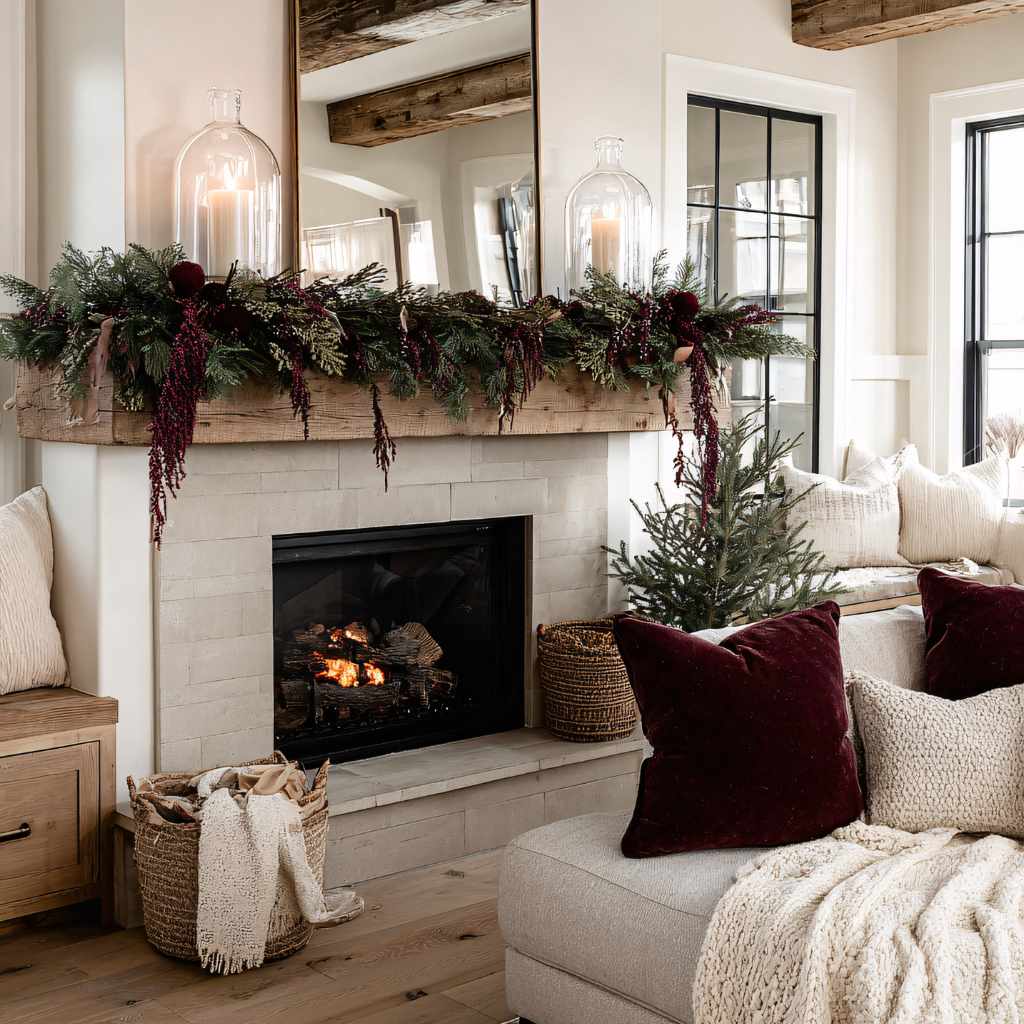
Can I Burn Wood in My Fireplace Today? A Simple Guide
Figuring out Can I Burn Wood in My Fireplace Today? can seem tricky when you’re just starting. There are rules, regulations, and things to consider that make it feel complicated. But don’t worry! This guide will break down everything you need to know in easy-to-understand steps. We’ll explore the factors that decide whether it’s safe and legal to have a cozy fire. Let’s start by looking at what affects your ability to enjoy a fire.
What Affects Your Fireplace Use?
Many things can affect your decision on Can I Burn Wood in My Fireplace Today?. These include the local air quality, any burning restrictions set by your area, and the type of fireplace you have. Understanding these aspects is essential for safe and responsible fireplace use. It isn’t just about lighting a match; it’s about being aware of your surroundings and the impact your actions have. These considerations help ensure that you can enjoy your fireplace responsibly.
Air Quality Regulations
Air quality is a significant factor. Areas with poor air quality may have burn bans. This is to reduce pollution and protect public health. These bans are often announced by local authorities when the air quality index (AQI) reaches unhealthy levels. The AQI measures different pollutants, like particulate matter and ozone. High levels of these pollutants can cause breathing problems and other health issues. When air quality is poor, burning wood adds to the problem, so burn bans are put in place. It’s important to keep track of local air quality reports, so you always know.
- Monitoring AQI: The Air Quality Index (AQI) helps determine when it’s safe to burn wood. The EPA provides AQI information. You can check local AQI levels online or through weather apps. The AQI has different levels, each of which has a different recommendation. If the AQI is in the ‘Good’ range, burning may be okay.
- Understanding Particulate Matter: Particulate matter (PM) refers to tiny particles in the air that can cause health problems when inhaled. These particles come from burning wood and other sources. PM2.5, which is particulate matter with a diameter of 2.5 micrometers or less, is of particular concern because it can get deep into the lungs. High levels of PM2.5 often trigger burn bans to protect public health.
- Local Authorities and Guidelines: Your local or regional authorities set up rules about burning wood. They issue burn bans, which are temporary restrictions, to reduce air pollution. Check with your local government or environmental protection agency for the most accurate info. They’ll also tell you about any specific local rules for your area.

Fireplace Type and Its Impact
Your fireplace’s type greatly affects how well it burns. Different fireplaces have different designs and emissions. Knowing the type you have is important to burning wood safely and efficiently. Modern fireplaces often have features to reduce pollution. Older or less efficient ones may cause more emissions. Regular maintenance is also important for safe fireplace use.
- Wood-Burning Fi
- Gas Fireplaces: Gas fireplaces use natural gas or propane and produce significantly fewer emissions. This makes them a more environmentally friendly option. They typically don’t contribute to air pollution. You usually don’t need to worry about burn bans. Gas fireplaces also offer convenience because they’re easily started and controlled.
- Pellet Stoves: Pellet stoves burn compressed wood pellets, resulting in clean-burning. They’re very efficient and produce very low emissions. They often meet stricter environmental standards. They also offer precise temperature control and can burn for extended periods.
- Inspecting and Cleaning: Before burning, it is important to inspect your fireplace for any damage. Ensure the chimney is clear of obstructions. Regular cleaning is also necessary to prevent creosote buildup, which is a fire hazard.
Local Regulations and Burn Bans
Local regulations and burn bans have a big impact on Can I Burn Wood in My Fireplace Today?. These rules are put in place to protect the air quality and the well-being of the people in the area. Checking the local rules before burning is a must. These restrictions are often seasonal or triggered by weather conditions. Following these guidelines helps keep the air clean and prevents possible health issues.
- Understanding Burn Ban Types: There are different kinds of burn bans. Some bans restrict all types of wood burning. Others might limit the use of older fireplaces. Some bans are voluntary, which means they are suggestions rather than firm rules. Knowing the type of burn ban helps you know whether you can use your fireplace.
- Checking for Current Bans: It’s easy to check if a burn ban is in place. You can find this info on your local government’s website. You can also check local news sources or weather apps. Many areas also have email or text alerts that you can sign up for.
- Consequences of Violating Bans: Violating a burn ban can lead to fines or penalties. The specific consequences vary depending on your location. It’s important to always follow the rules to avoid these penalties.
Choosing the Right Wood for Burning
The type of wood you burn makes a big difference in how well your fire burns. Using the proper wood is essential for a safe and efficient fireplace. Dry, seasoned wood burns better and produces less smoke. Avoid certain types of wood. Following these practices makes for a cleaner and more enjoyable fire experience. Let’s look at what woods burn well.
Types of Wood
Different kinds of wood have different burning characteristics. Some wood burns hot and long, while others create more smoke and less heat. The best wood is dense and has low moisture content. This wood burns more efficiently and produces fewer emissions. Let’s look at some of the best wood types for burning.
- Hardwoods: Hardwoods, like oak, maple, and ash, are dense and burn slowly. They create long-lasting, hot fires with fewer sparks. These woods are better for heating. They are also known for producing less smoke.
- Softwoods: Softwoods, like pine and fir, are less dense and burn quickly. They produce more smoke and sparks. Softwoods are better for starting a fire. They are also a good option if you need a quick burst of heat.
- Seasoned vs. Unseasoned Wood: Seasoned wood is wood that has been dried for at least six months. This drying process reduces the moisture content. Unseasoned wood has a high moisture content, which can cause it to burn poorly. The high moisture level also creates more smoke and creosote buildup in your chimney.
Preparing Wood
Preparing wood properly is an important part of fireplace use. Proper preparation involves selecting the right wood and storing it correctly. This preparation helps to create a safe, efficient, and enjoyable fire. This practice helps ensure you have a fire that burns efficiently.
- Wood Storage: Keep wood in a dry place. This helps it to season and keeps the moisture levels low. Use a woodpile cover to protect it. Make sure there is enough airflow around the wood.
- Checking for Moisture: A moisture meter helps you check the wood’s moisture content. The ideal moisture content is below 20%.
- Choosing the Right Size: The size of the wood pieces you use depends on the size of your fireplace and the amount of heat you want. Use smaller pieces for starting a fire. Then, add larger pieces for a longer-lasting fire.
Safety Tips for Burning Wood
Safety should always be your main concern. Following safety tips will prevent accidents. Keeping a fire extinguisher nearby and always being attentive when the fire is lit will help you enjoy the experience. The following tips will help ensure a safe fire.
- Chimney Maintenance: A clean chimney is key for safe burning. Have your chimney inspected and cleaned by a professional once a year. Regular cleaning removes creosote. Creosote is a flammable substance that can cause a chimney fire.
- Safe Burning Practices: Always use a fireplace screen to stop sparks from leaving the fire. Do not leave the fire unattended. Keep flammable items, like curtains and furniture, away from the fireplace.
- Fire Safety Equipment: Have a working smoke detector and carbon monoxide detector in your home. Keep a fire extinguisher close by. Know how to use it in case of an emergency.
Understanding Fireplace Regulations and Guidelines
There are rules and recommendations for using your fireplace. These regulations differ depending on where you live. Fireplace guidelines are created to protect public health and safety. Following these rules allows you to enjoy your fireplace responsibly. They also help reduce pollution.
Governmental Guidelines
Government agencies at all levels issue guidelines. They may also include regulations to manage fi
- Federal Regulations: The EPA (Environmental Protection Agency) sets national standards for wood-burning appliances. These standards help reduce emissions. They also ensure that new stoves meet certain efficiency and pollution standards.
- State and Local Rules: State and local governments can create their own rules. These often go above and beyond federal guidelines. These rules may include burn bans based on air quality or rules about the type of wood you can burn. Check the rules in your area.
- Enforcement and Compliance: Local authorities enforce fireplace regulations. This may involve inspecting homes. Violations of these rules can result in penalties. Be aware of the regulations to ensure your fireplace use is compliant.
Types of Fireplace Restrictions
Different types of restrictions may be put in place to control fireplace use. These restrictions are designed to lessen environmental impact and maintain safety. Restrictions can vary in severity. Always know the rules so that you can enjoy your fireplace responsibly.
- Burn Bans: These are temporary restrictions that prevent wood burning during poor air quality days. They may be issued by local authorities. They are usually announced when there’s an increase in pollutants.
- Wood Type Restrictions: Some areas limit the types of wood you can burn. These restrictions may ban certain woods that produce excessive smoke or emissions.
- Appliance Requirements: Regulations may require that you only use EPA-certified wood-burning appliances. These appliances are designed to be more efficient and produce fewer emissions than older models.
Staying Informed and Up-to-Date
Staying informed of the rules and guidelines is essential. Because regulations may change, it’s important to keep up with any updates. Checking your local government’s website and following local news helps you stay informed. Be prepared to change your fireplace use depending on the conditions.
- Monitoring Local News: Local news sources often report on air quality and burn bans. This is one of the quickest ways to receive updates.
- Checking Government Websites: The website of your local government will usually have the most up-to-date information. Look for sections on air quality and environmental regulations.
- Signing Up for Alerts: Sign up for email or text alerts from your local authorities. These alerts will tell you about burn bans or other important changes.
Frequently Asked Questions
Question: How often should I have my chimney cleaned?
Answer: It’s best to have your chimney inspected and cleaned at least once a year, or more often if you use your fireplace frequently.
Question: What’s the best way to start a fire in my fireplace?
Answer: Start by using a tinder bundle (like newspaper or commercial fire starters) and kindling. Then add small pieces of wood. Allow these to burn well. Add larger logs slowly as the fire grows.
Question: Can I burn anything besides wood in my fireplace?
Answer: You should only burn wood designed for fireplaces. Avoid burning trash, plastic, treated wood, or anything else that could be harmful.
Question: What should I do if my chimney catches fire?
Answer: Immediately call your local fire department. Get everyone out of the house. Don’t try to put out the fire yourself.
Question: How can I tell if my wood is seasoned?
Answer: Seasoned wood usually has cracks on the ends and is lighter in weight. It should also have a moisture content below 20%.
Final Thoughts
Deciding Can I Burn Wood in My Fireplace Today? depends on several factors, including air quality, local rules, and your fireplace type. By monitoring the Air Quality Index, following local regulations, and choosing the proper wood, you can make sure your fireplace use is safe and responsible. Remember to consider your impact on the environment and the health of your neighbors. By following safety guidelines and being aware of the rules, you can enjoy the warmth and comfort of a fire. Enjoy your fires responsibly and safely.