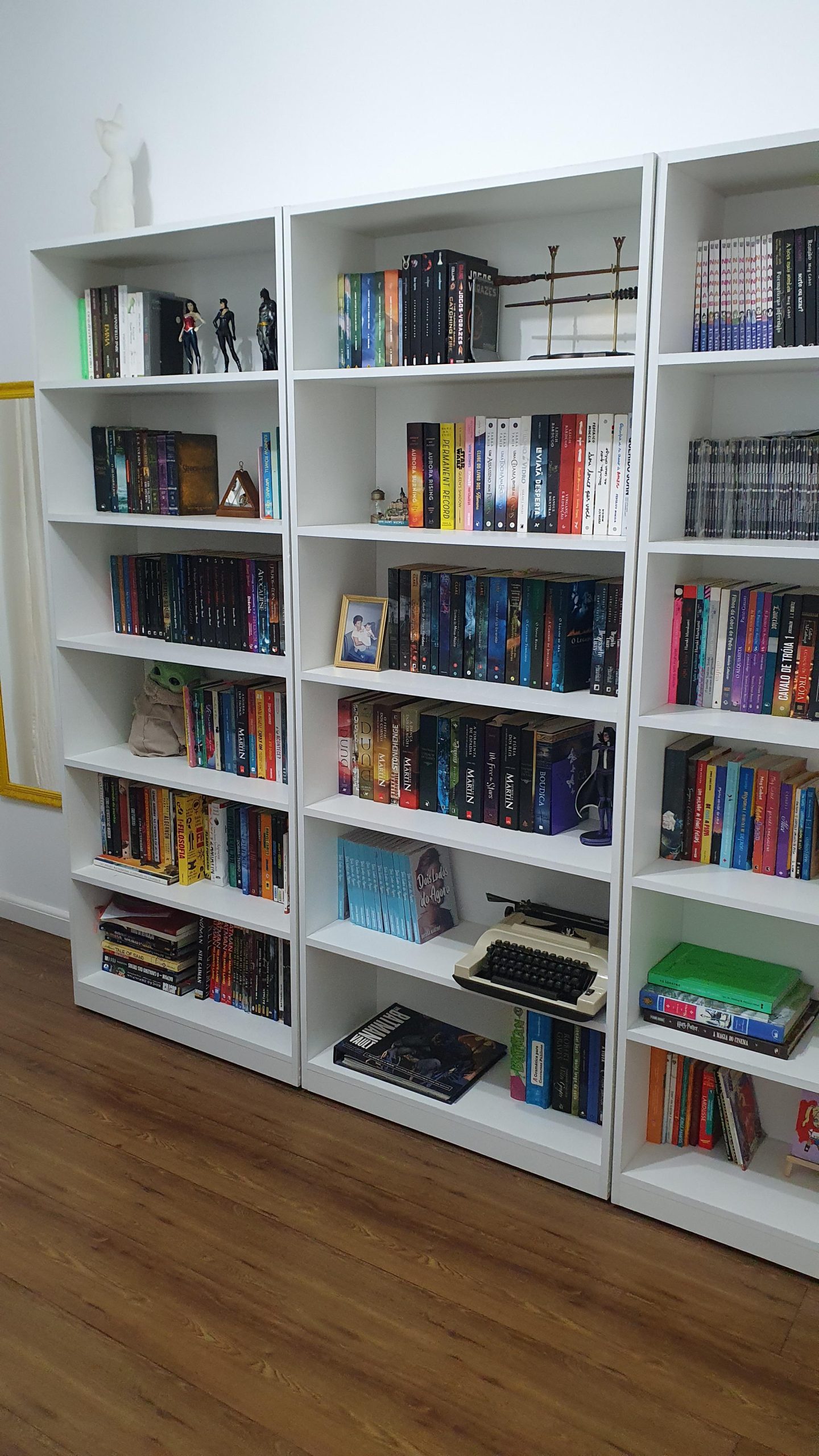
Can MDF Be Used for Shelves? Discover Its Strength
Imagine transforming your living space with beautiful shelves that not only store your essentials but also enhance your decor. You might be wondering if MDF, or Medium Density Fiberboard, can be your go-to material for crafting these shelves.
This versatile and cost-effective material is often seen as a practical choice, but does it really meet your needs? Before you make any decisions, it’s crucial to understand the advantages and limitations of using MDF for shelving. Dive into this article to uncover the secrets of MDF and learn if it’s the perfect fit for your next project.
Your ideal shelves are just a read away!

Credit: gosforthhandyman.com
MDF Material Overview
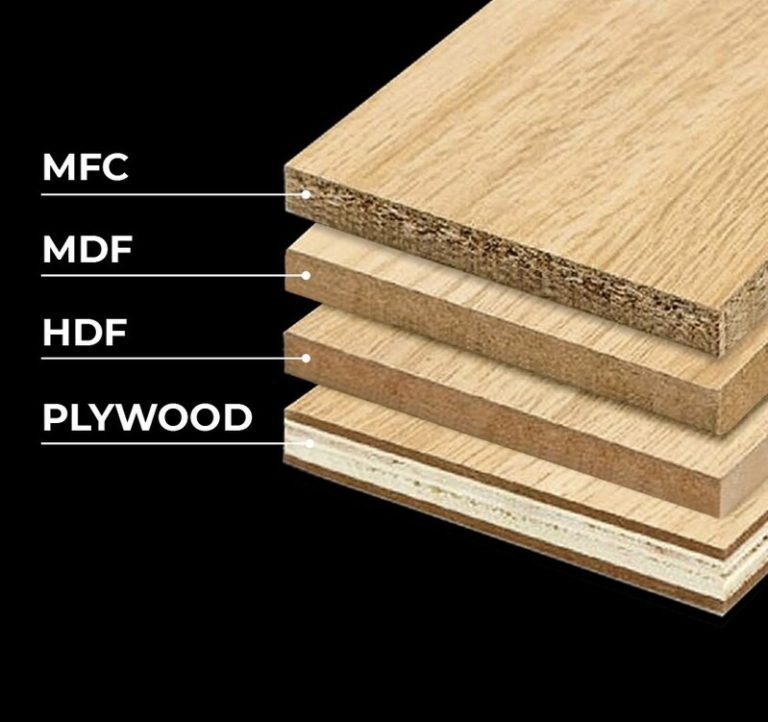
MDF stands for Medium Density Fiberboard. It is made from wood fibers and glue. The fibers are pressed together with heat. This makes MDF strong and smooth. It has no grain like real wood. It is easy to cut and shape. Paint sticks well to MDF. It is heavier than real wood. Moisture can damage MDF, so it needs care.
MDF is used in making furniture. Shelves, cabinets, and tables often use MDF. It is cheaper than real wood. It is also easier to work with. Designs on furniture look neat on MDF. Many homes have MDF shelves. They look good and are useful. MDF is not good for outdoor use. Water can harm it badly.
Strength And Durability
MDF, or Medium-Density Fiberboard, is a strong material. It can hold light to moderate weights. This makes it good for shelves in homes. But too much weight can cause it to sag. This happens because MDF is less strong than solid wood. For heavy items, thicker MDF is better. Brackets or supports help a lot too.
MDF does not warp easily. It stays flat and smooth. This is great for shelves. Cracking is rare with MDF. It does not have natural grain like wood. So, it is more stable. But water can harm MDF. It is important to keep it dry. Paint or sealant can protect MDF from moisture.
Comparing MDF To Other Materials
MDF can be a practical choice for shelving due to its smooth surface and affordability. It holds weight well, but requires proper support to prevent sagging. Comparing it to hardwood, MDF is less durable but easier to cut and paint.
MDF Vs. Plywood
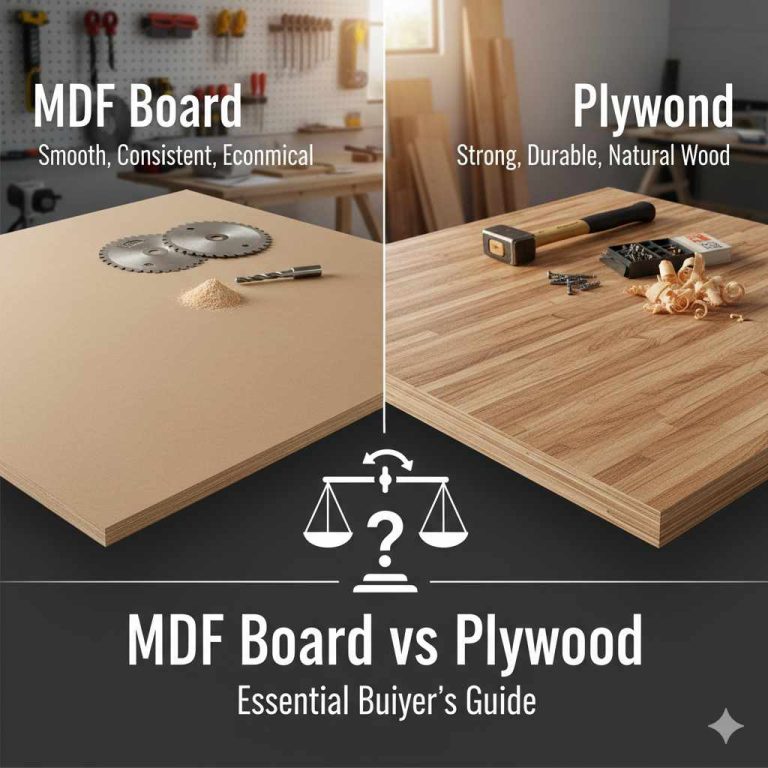
MDF and plywood are common for making shelves. MDF is smooth and easy to paint. Plywood is strong and lasts longer. MDF is cheaper than plywood. It is often used for indoor shelves. Plywood is great for places with water. It does not swell like MDF. Choose MDF for simple, painted shelves. Use plywood for strong, lasting shelves.
MDF Vs. Solid Wood
Solid wood is beautiful and natural. MDF is not as strong as solid wood. MDF is less expensive than solid wood. It is good for budget projects. Solid wood lasts longer than MDF. It can handle more weight. MDF is great for smooth, painted finishes. Solid wood is perfect for classic, strong shelves.
Design And Aesthetic Considerations
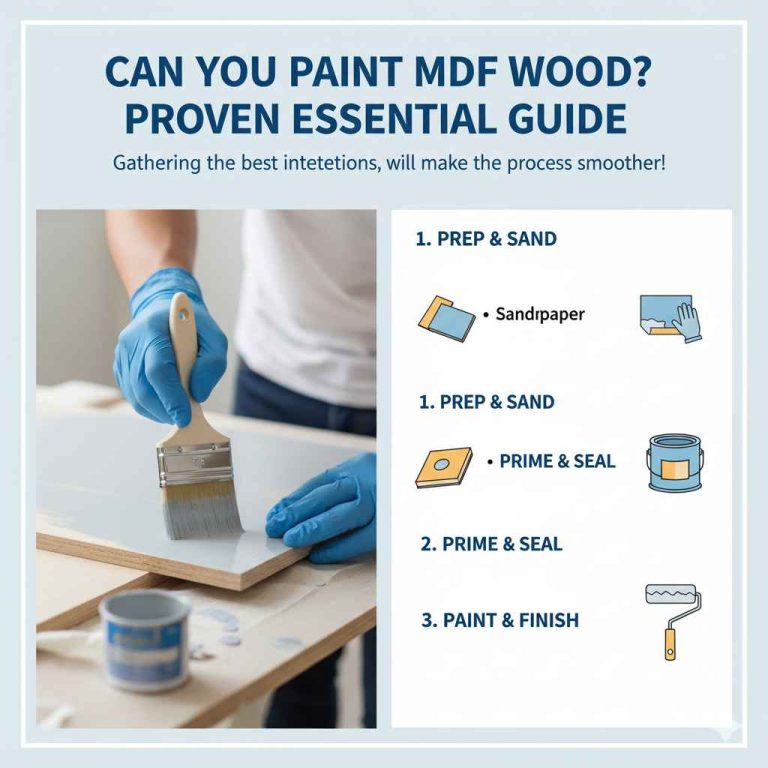
MDF can be painted or laminated. This makes it look neat and tidy. Some people like to add a veneer. A veneer can make MDF look like real wood. This adds a natural beauty to the shelves. You can also use different colors. Bright colors make a room feel fun. Soft colors make it feel calm. MDF is very smooth. This makes it easy to finish. You can make it match any room’s style.
MDF is easy to cut. You can make many shapes and sizes. This means you can have unique shelves. Make a shelf to fit any space. Add curves or angles for fun designs. MDF allows for creative ideas. You can have a special look. This makes your shelf not only useful but also special.
Installation Tips
MDF is easy to cut. Use a saw with fine teeth. Measure carefully before cutting. Mark lines with a pencil. Cut slowly to avoid splinters. Wear safety goggles for protection. Use a mask to avoid dust.
Ensure shelves are secure. Use brackets for support. Choose sturdy brackets. Fix brackets to the wall. Use screws to hold brackets. Check for stability after installation. Shelves must be level. Adjust if necessary. Heavy items need more support.
Maintenance And Care
MDF can be a practical choice for shelves with proper support. Regular cleaning keeps the surface dust-free. Avoid excessive weight to prevent sagging over time.
Cleaning MDF Surfaces
MDF shelves need gentle cleaning. Use a soft cloth for dusting. Avoid using too much water. Wet cloths can harm the surface. Mild soap can be used for stains. Mix it with a little water. Always dry the surface after cleaning. This keeps MDF strong and clean.
Preventing Damage
Keep MDF shelves away from water. Moisture is bad for them. Use coasters for wet items. Protects from spills. Avoid heavy loads on shelves. They can sag under weight. Secure your shelves well. This keeps them safe from falling. Regular checks help spot any damage early.
Environmental Impact
MDF is made from wood fibers and resin glue. It uses recycled wood which helps save trees. MDF production uses less energy than solid wood. This makes it more eco-friendly. But, it still needs resources and energy. Some people worry about the chemicals in MDF. These can be harmful if not handled well. Using MDF can reduce waste if used wisely.
MDF is hard to recycle. Its glue and chemicals make recycling tough. Disposal can be tricky too. It should not go in normal trash. Special places take MDF waste. They make sure it is safe. Burning MDF is not good. It can release bad gases. Proper disposal is important for the environment. Learn how to manage MDF waste safely. It helps the planet.

Credit: www.lemonthistle.com
Frequently Asked Questions
How Thick Should MDF Be For Shelves?
Use 18mm MDF for sturdy shelves. This thickness prevents sagging and supports moderate weight. For lighter loads, 12mm is sufficient. Ensure proper installation with brackets or supports to maintain durability. Consider the shelf’s purpose and weight load when selecting thickness.
Always prioritize quality and stability for lasting use.
Is MDF Or Plywood Better For Shelves?
MDF offers a smooth finish and is cost-effective, but it lacks strength. Plywood is durable, supports heavier loads, and resists moisture. For sturdy shelves, plywood is better. MDF suits lighter items and interior shelves. Choose based on budget and shelf use.
When Should You Not Use MDF?
Avoid using MDF in high-moisture areas like bathrooms or kitchens. It’s unsuitable for outdoor use. MDF isn’t ideal for heavy load-bearing applications. Refrain from using it where nails or screws need strong holding power. Avoid MDF for projects requiring intricate detailing or curved shapes.
What Is The Biggest Drawback Of Using MDF?
MDF’s biggest drawback is its susceptibility to moisture, which can cause swelling and damage. It lacks the durability of solid wood, making it unsuitable for high-moisture areas. Additionally, it may release formaldehyde, affecting indoor air quality.
Conclusion
Choosing MDF for shelves can be a smart decision. It offers affordability and versatility. Easy to cut and shape. Smooth surface for painting or veneering. Supports lightweight items well. Consider its limitations, though. Not suitable for heavy loads. Sensitive to moisture.
Use in dry areas. Always seal edges for durability. Perfect for decorative shelves. Ideal for budget-friendly projects. Great for custom designs. Balance its pros and cons. MDF can meet your shelving needs. Just plan wisely. Make informed choices for your space.
Enjoy creating practical and stylish shelves.