Can Mdf Go Outside? Discover Its Outdoor Potential!
Have you ever wondered if MDF (Medium Density Fiberboard) can withstand the elements outdoors? You might be considering using MDF for your next DIY project or home improvement task, but there’s that nagging question: Can MDF really survive outside?
This is a common dilemma for many homeowners and DIY enthusiasts like you, eager to explore the versatility of MDF but unsure about its durability in outdoor settings. Imagine the frustration of investing time and effort into a project, only to have it warp, swell, or deteriorate because the material wasn’t suited for outdoor use.
It’s crucial to get the facts straight before you start. We’ll unravel the truth about MDF’s capability to endure the great outdoors. You’ll discover practical insights, expert advice, and alternative solutions that ensure your projects not only look fantastic but also stand the test of time. Stick with us to learn how to make the best decision for your outdoor projects.
What Is MDF?
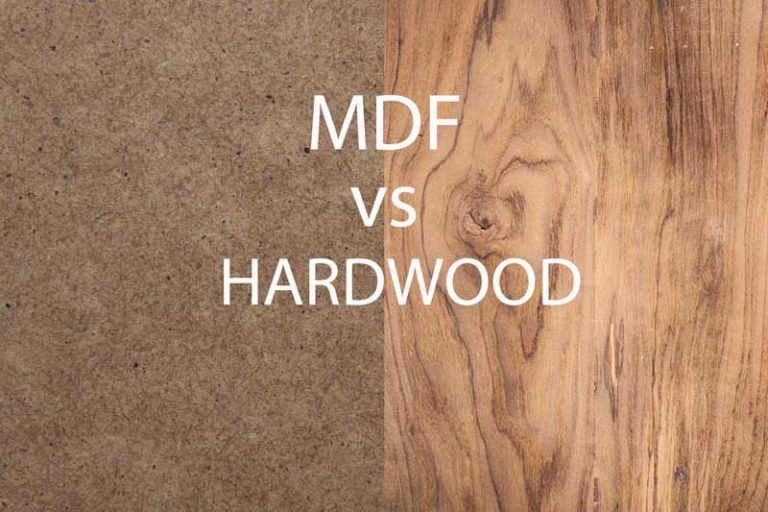
MDF stands for Medium-Density Fiberboard. It is a type of wood product. People make it by breaking down hardwood or softwood. They use a machine to do this. The fibers get glued with wax and resin. Then, they press it into sheets. MDF is very smooth and flat. This makes it easy to paint. It is less expensive than real wood.
Many people use MDF in furniture and cabinets. It is also common in flooring and doors. MDF is good for making things indoors. It is not the best for outside. Water can make it swell. So, be careful where you use it. Always seal MDF if you try it outside.

Credit: www.alamy.com
Properties Of MDF
MDF stands for Medium Density Fiberboard. It’s made from wood fibers. These fibers are mixed with resin glue. Then, they are pressed into sheets. This makes MDF smooth and dense. It does not have knots or grains. This makes it easy to cut and shape. MDF is a favorite for indoor furniture.
MDF is not very strong. It can break if it’s too wet. Water can make MDF swell and crack. It is not good for outside use. MDF needs protection from water. Paint or sealant can help. But it is still risky. MDF is best kept indoors.
MDF’s Suitability For Outdoor Use
MDF is not the best for outside use. It does not like water. Wood fibers and glue make it strong inside. But outside, rain can cause issues. The board can swell and crack. This makes it weak. Some types have a special coating. This helps a bit. But not enough for heavy rain. For long-lasting outdoor items, other materials work better. Always protect MDF with paint or sealer. This helps it last longer.
Weather can be tough on MDF. Sun, rain, and wind damage it. MDF can break in extreme weather. It absorbs water fast. This makes it expand. When dry, it shrinks again. This movement causes cracks. Cold weather is hard too. It makes the board brittle. Best to use MDF where the weather is kind. Or use it indoors for safety.
Treatments For Outdoor Use
MDF needs special care to survive outside. Sealing is the first step. A good sealant will keep water out. Coating comes next. Paint or varnish can protect the surface. Both sealing and coating are important. They work together to shield MDF from rain and sun. Always apply them in dry weather. Two or three layers are better than one. Let each layer dry fully before adding the next.
Keeping MDF dry is key for outdoor use. Waterproofing helps a lot. A special waterproof sealant can be used. This creates a barrier against moisture. Use a waterproof paint for extra protection. Choose paint made for outdoor use. It sticks better and lasts longer. Look for products labeled as weather-resistant. They are made to stand up to the elements. Always check the label before buying.
Alternatives To MDF For Outdoor Projects
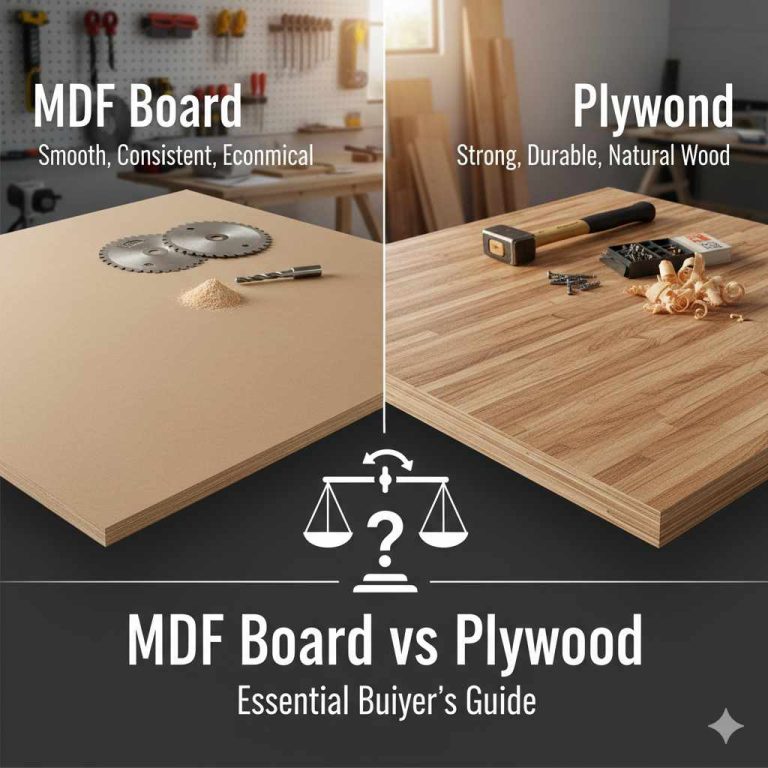
Plywood is a strong choice for outdoor projects. It resists moisture better than MDF. Plywood is made from thin wood layers. These layers are glued together. This makes it strong and durable. MDF can swell when wet. Plywood handles rain and sun much better. It’s great for outdoor furniture and garden sheds.
Composite materials blend wood and plastic. They are very durable. These materials resist rot and insects. Composite is easy to clean. It doesn’t need much care. It’s perfect for decks and fences. Composite can look like real wood. But it lasts much longer. It won’t crack or warp in bad weather.
Creative Outdoor Projects Using MDF
MDF is a popular choice for garden furniture. It is affordable and easy to shape. You can make simple benches or tables. Use a waterproof sealant to protect from rain. This helps in keeping the furniture lasting longer. Paint it in bright colors for a fun look. MDF is strong and holds weight well. Perfect for outdoor use.
MDF can add charm to gardens. Create decorative panels or signs. Cut into fun shapes like stars or flowers. Hang them on fences or walls. Use outdoor paint to keep them looking fresh. MDF is easy to carve. You can create unique designs with it. It brings a personal touch to any garden space.
Maintenance Tips For Outdoor MDF
Check your MDF pieces often. Look for signs of damage. Water and sun can hurt MDF. Cracks and swelling mean trouble. Paint or seal the surface to protect it. Keep MDF dry always. Wet MDF is weak. Use covers if it rains.
Fix damage quickly. Fill cracks with wood filler. Sand rough spots carefully. Repaint if color fades. Seal edges to keep out water. Replace damaged pieces if needed. Use outdoor paint for lasting color. Restore wood to keep its strength. MDF needs care to stay strong.
Frequently Asked Questions
How To Treat MDF For Outdoor Use?
Seal MDF with waterproof primer and paint for outdoor use. Apply multiple coats for protection. Use exterior-grade paint and sealer. Ensure edges are sealed well to prevent moisture damage. Regular maintenance checks help prolong durability.
Is MDF Ok To Use Outdoors?
MDF is not ideal for outdoor use. It absorbs moisture, swells, and deteriorates quickly. Consider using weather-resistant materials like treated wood or marine-grade plywood for outdoor projects. Proper sealing and regular maintenance can somewhat improve MDF’s durability, but it’s still not recommended for outdoor environments.
Is MDF Ruined If It Gets Wet?
Yes, MDF gets ruined if wet. Moisture weakens its structure, causing swelling, warping, and degradation. Dry MDF immediately to minimize damage. Use protective coatings or sealants for prevention, especially in moisture-prone areas.
Can Mdf Be Made Weatherproof?
MDF can be made weatherproof by applying water-resistant coatings or sealants. Use exterior-grade paints or varnishes for protection. Regular maintenance is essential to ensure durability. Keep MDF away from direct contact with water for best results. Opt for moisture-resistant MDF variants for improved weatherproofing.
Conclusion
Outdoor use of MDF poses many challenges. Moisture can cause it to swell. Weather conditions may lead to warping. Protection through sealing is essential. Even then, MDF might not last long outside. Consider alternatives like plywood for durability. Always weigh the pros and cons before deciding.
Budget and project needs matter. Understanding MDF’s limitations helps in making informed choices. Choose wisely for your projects to ensure success. Your outdoor spaces deserve materials that endure.