How Do You Cut MDF Cleanly: Expert Tips & Techniques
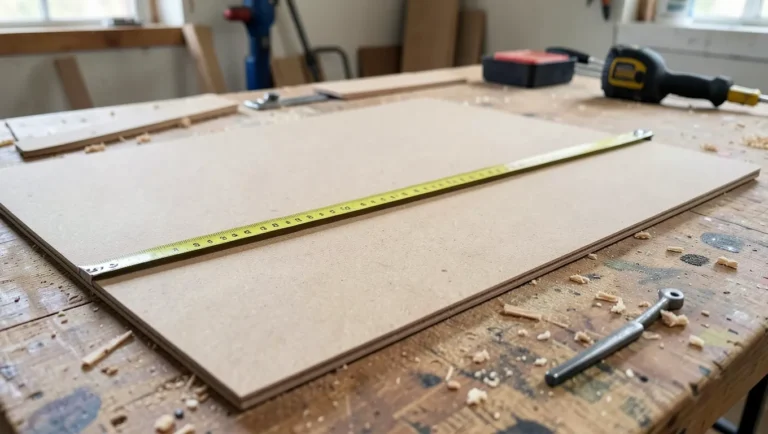
To cut MDF cleanly, use a high tooth-count carbide blade (60-80 teeth), run masking tape along the cut line before cutting, and let the blade do the work at a moderate, steady feed rate. The single biggest cause of chipped MDF edges isn’t the saw type — it’s a low tooth-count blade forcing its way through too fast.
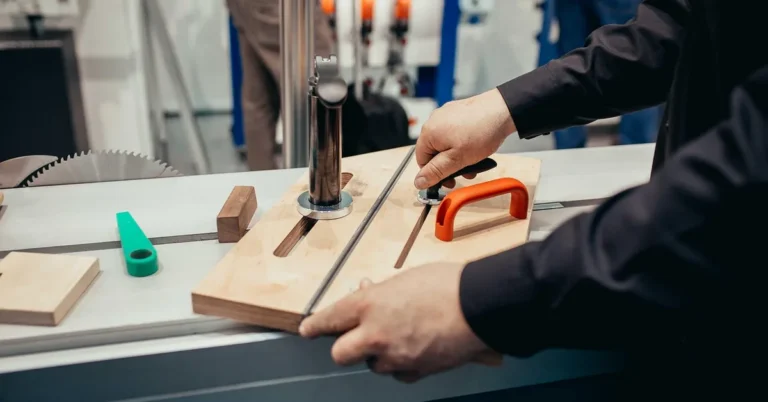
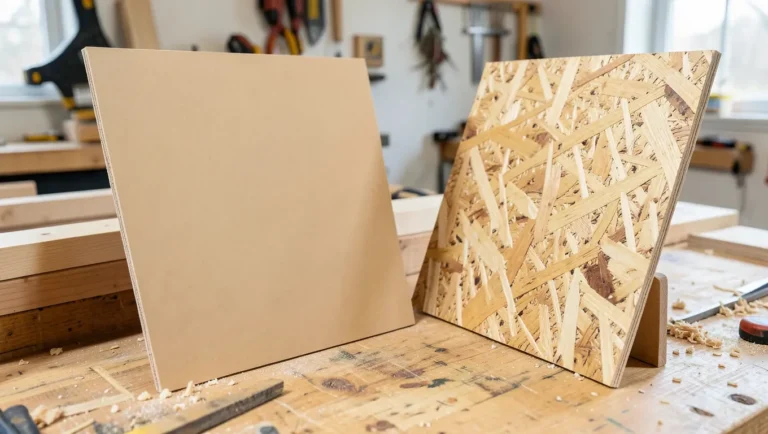
MDF’s compressed-fiber structure cuts cleanly when the blade shears through it rather than tearing, which is a function of tooth count and feed speed more than which specific saw is in hand. A circular saw, table saw, or track saw can all produce a clean edge with the right blade and technique; a standard 24-tooth framing blade will chip MDF regardless of which of those tools it’s mounted in.
The Blade Matters More Than the Saw
A high tooth-count blade — 60 teeth on a smaller blade, 80 on a 10-inch blade — leaves a much cleaner edge on MDF than a standard 24- or 40-tooth combination blade, because more teeth means each one removes a smaller bite of material and shears rather than tears the compressed fibers. A dull blade chips MDF no matter how many teeth it has, so a blade that’s cut a lot of MDF or plywood already is worth replacing before starting a project where the edges show.
The Blade Swap That Fixes Chipping
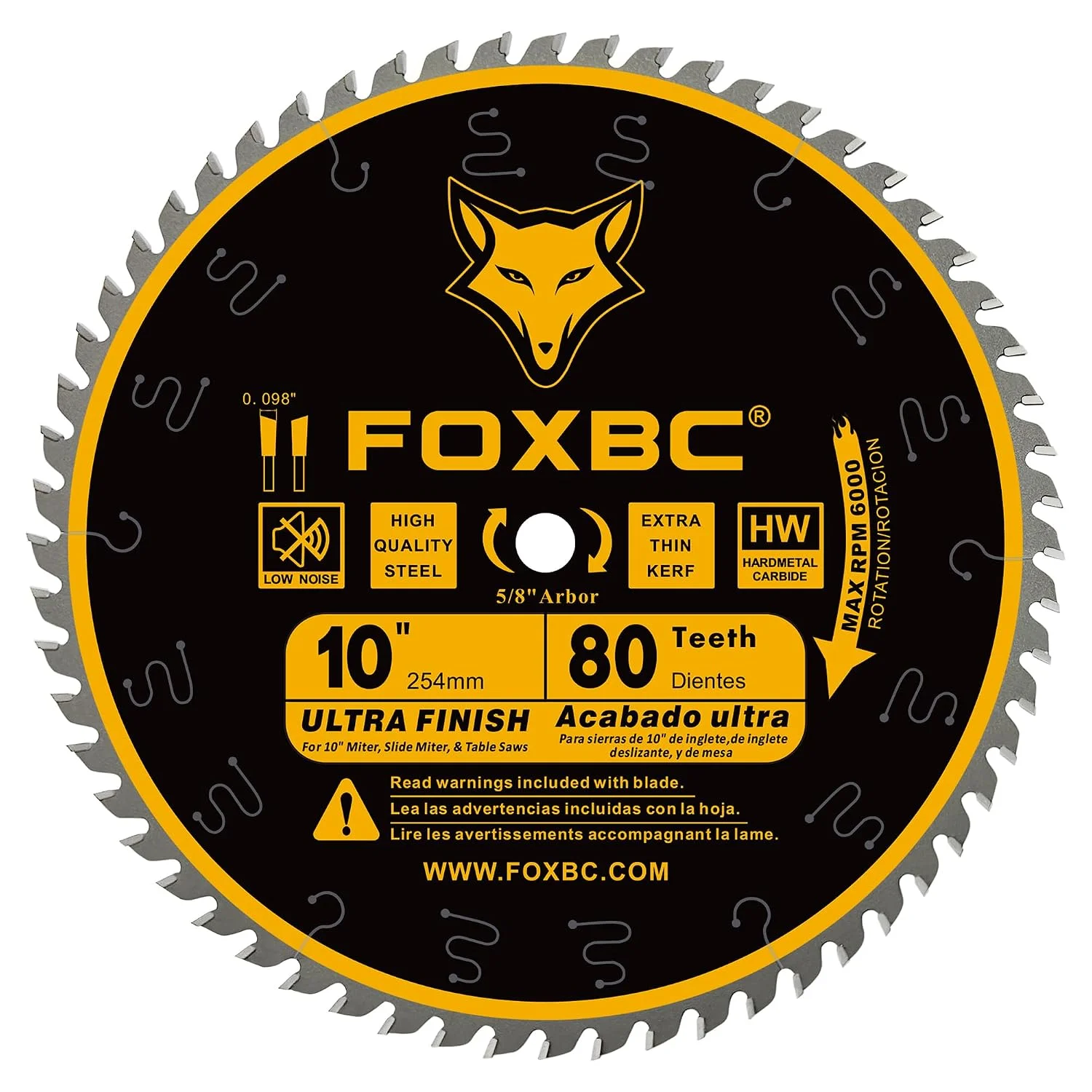 |
FOXBC 10″ 80-Tooth Ultra Finish Blade – $29.99 The high tooth count is what actually prevents chipping on MDF, plywood, and laminate edges — not the saw it’s mounted on.
|
The Masking Tape Trick (and Scoring for Extra Insurance)
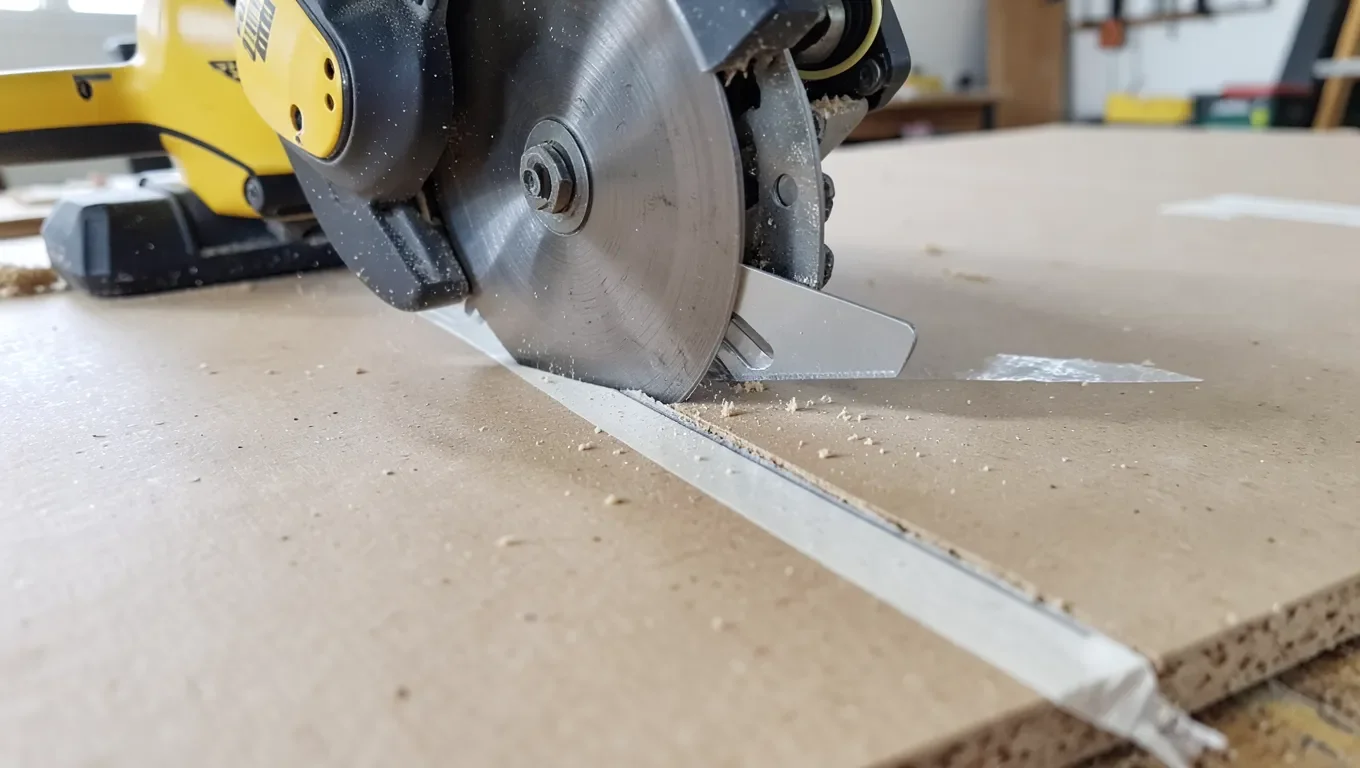
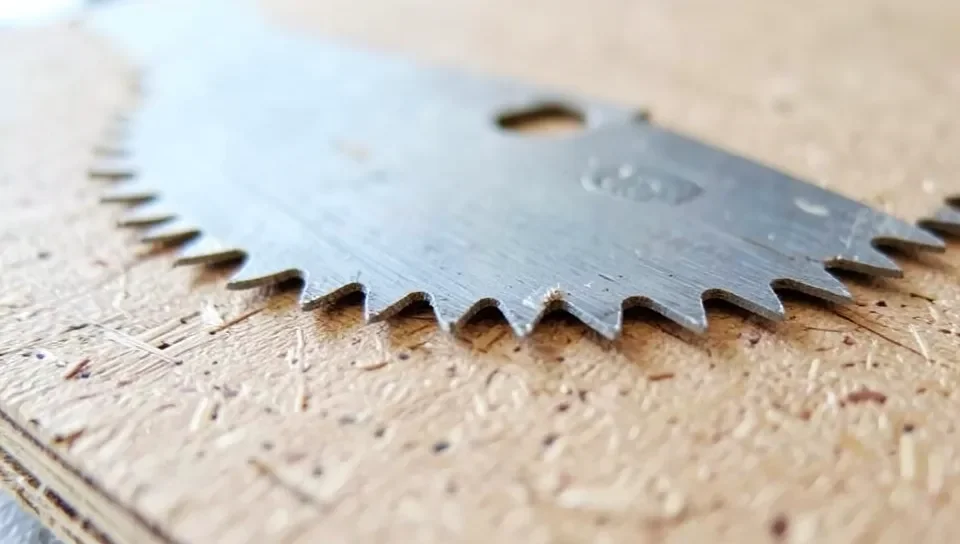
Running a strip of painter’s or masking tape directly over the marked cut line before cutting is the single cheapest fix for chipping. The tape holds the surface fibers down as the blade exits the cut, which is exactly where MDF chips worst. For a cut where the edge really has to be flawless, score a shallow line along the cut mark first with a utility knife before running the saw — this pre-cuts the surface fibers so the blade doesn’t have anything to tear on its way through.
Feed rate matters as much as the tape: push the saw through at a slow, steady pace rather than forcing it. Rushing the cut is what causes the blade to tear fibers instead of shearing them, tape or no tape. For very thin MDF (under 1/4″), support the sheet fully underneath the cut line with a sacrificial board so it doesn’t flex and crack as the blade passes through — unsupported thin MDF is prone to snapping right at the cut rather than chipping at the edge.
Managing MDF Dust
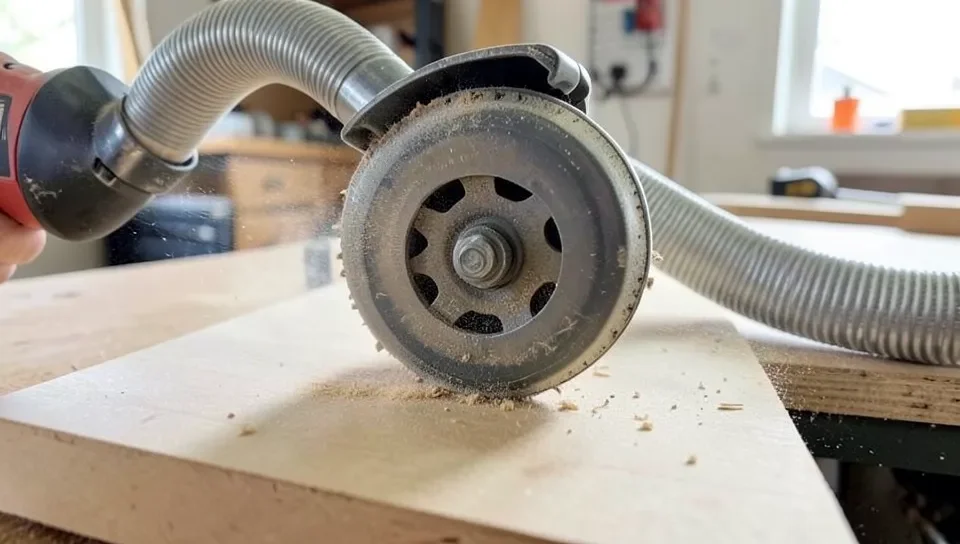
MDF dust is fine enough to stay airborne longer than regular sawdust and contains the resin binder used to hold the fibers together, so a dust mask rated for fine particulates (not just a basic paper mask) and good ventilation both matter. Hooking a shop vacuum directly to the saw’s dust port cuts down on airborne dust dramatically compared to letting it collect on the table and blow around when disturbed later.
Finishing the Cut Edge
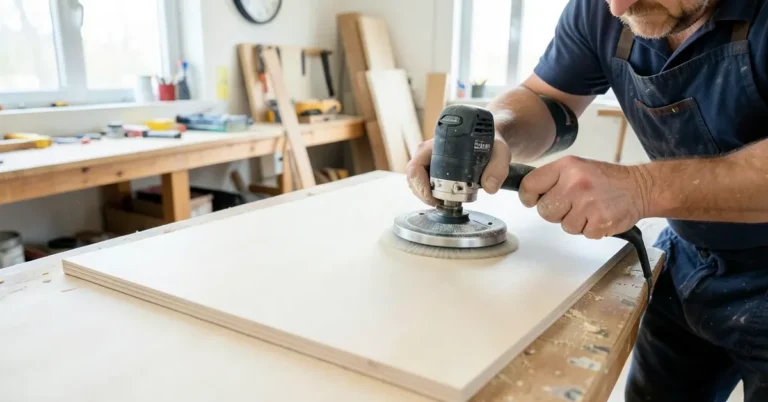
Even a clean cut leaves a slightly fuzzy edge on MDF, since the exposed core is compressed fiber rather than solid grain. A light pass with fine-grit sandpaper (220-grit or higher) knocks down that fuzz without rounding the edge over. The cut edge is also the most absorbent part of the whole board — MDF edges soak up primer and paint far more than the smooth factory faces, so plan on an extra coat of primer specifically on cut edges, or use an edge-banding product designed to seal MDF edges before painting.
Common Mistakes That Cause Chipping
- Using a low tooth-count blade. A 24-tooth framing or ripping blade is built for speed through solid lumber, not a clean edge on fiberboard.
- Feeding the saw too fast. Forcing the cut tears fibers instead of shearing them, regardless of blade quality.
- Skipping support under thin sheets. Unsupported thin MDF can crack at the cut line instead of just chipping at the surface.
- Ignoring dust exposure. A basic paper mask doesn’t filter MDF’s fine resin-laden dust as well as an N95 or better rating does.
Frequently Asked Questions
What is the best thing to cut MDF with?
Use a carbide-tipped saw blade for cutting MDF. It ensures clean, precise cuts. Avoid using fine-toothed blades, as they may dull quickly. A jigsaw or circular saw with dust extraction is ideal to minimize dust exposure and ensure safety while cutting.
How do you precisely cut MDF?
To precisely cut MDF, use a sharp carbide-tipped saw blade. Secure the board firmly. Mark your cutting line clearly. Keep a steady hand and maintain a consistent speed. Wear protective gear to ensure safety.
How do you cleanly cut MDF board?
Use a sharp carbide-tipped blade for clean MDF cuts. Secure the board tightly. Apply masking tape along the cut line to prevent chipping. Cut slowly and steadily for precision. Ensure proper ventilation to avoid inhaling dust.
How do you cut MDF without chipping?
Use a sharp carbide-tipped blade for clean cuts. Apply masking tape along the cut line. Cut slowly and steadily to minimize chipping. Ensure the MDF is securely clamped. Consider scoring the surface first for precision.
Conclusion
Cutting MDF cleanly comes down to blade choice and technique more than the specific saw used: a high tooth-count carbide blade, masking tape along the cut line, and a steady feed rate handle most chipping problems. Sand the cut edge lightly afterward and prime it extra since it’s the most absorbent part of the board, and dust management with a real particulate mask and a shop vac on the saw keeps the fine dust from becoming a bigger problem than the cut itself.
Sponsored / affiliate links. As an Amazon Associate I earn from qualifying purchases. I may earn additional commission from eligible campaigns.