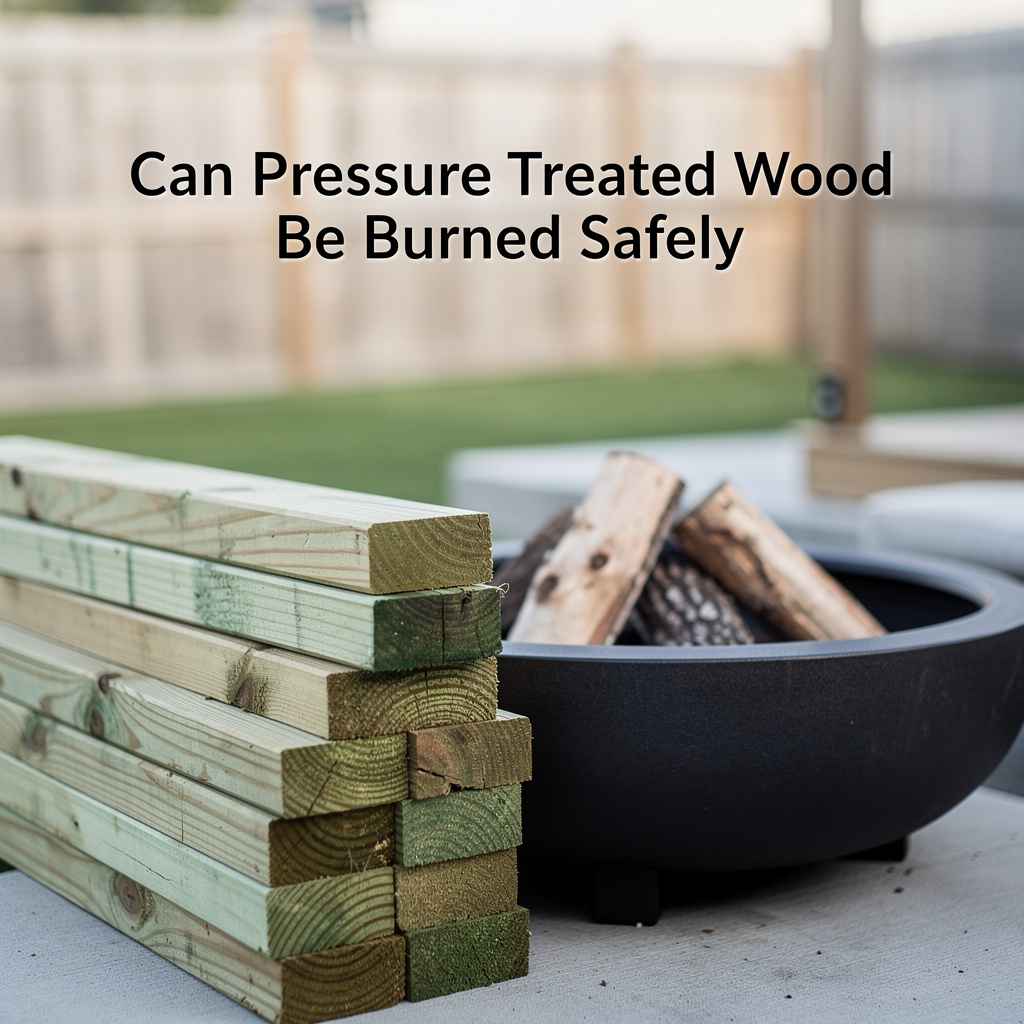
Can Pressure Treated Wood Be Burned Safely
Many folks wonder, “Can pressure treated wood be burned safely?”. It’s a common question, especially if you’re clearing out old lumber or looking for a way to get rid of scraps. The confusion comes from the chemicals used to treat the wood. But don’t worry! We’ll break down exactly what you need to know, step by step, so you can make a safe choice.
Understanding Pressure Treated Wood
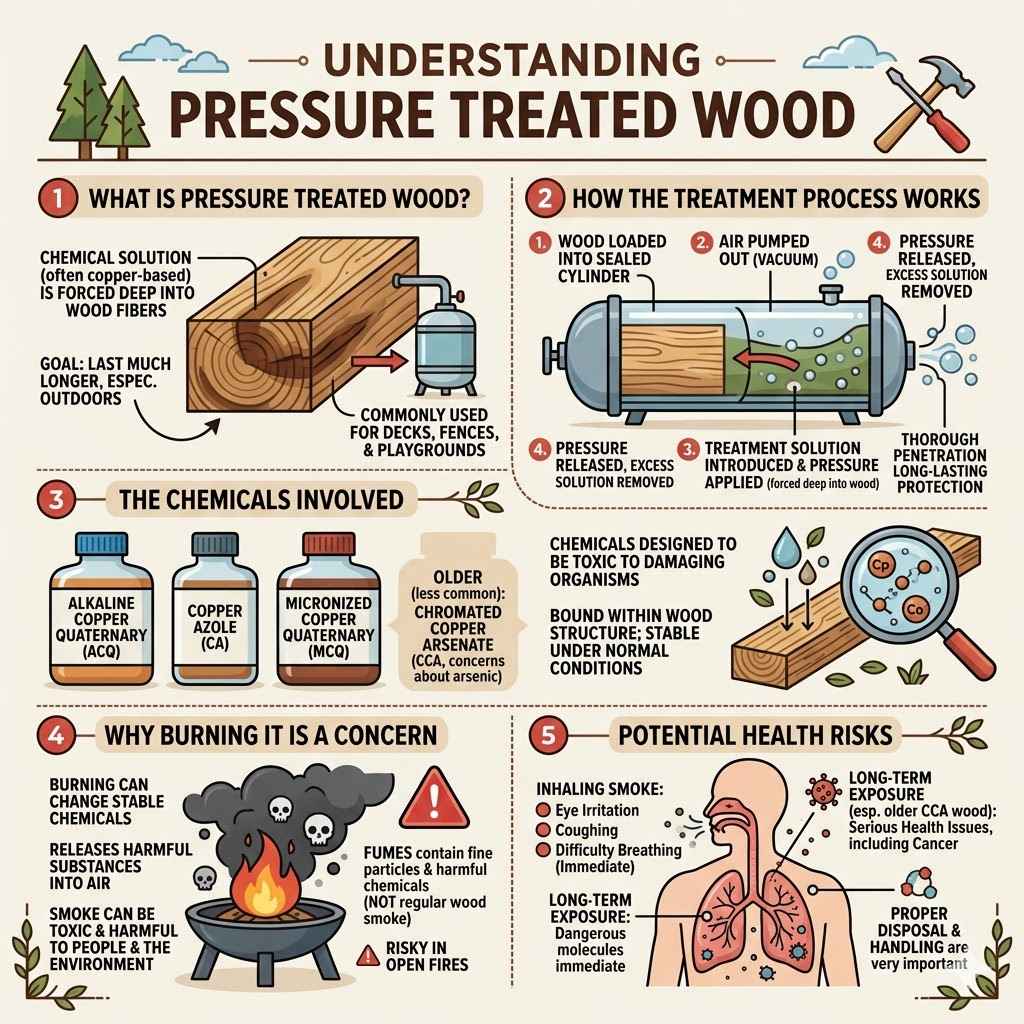
Pressure treated wood is wood that has been chemically preserved to resist decay and insect damage. This process uses a chemical solution, often containing copper and other compounds, which is forced deep into the wood under pressure. The goal is to make the wood last much longer, especially when used outdoors for things like decks, fences, and playgrounds. This treatment makes it durable but also raises questions about burning.
What Is Pressure Treated Wood?
Pressure treated wood is made by putting wood into a special tank. A chemical liquid is then pumped into the wood fibers. This liquid protects the wood from things that can cause it to rot or get eaten by bugs.
It is common to see this wood used for outdoor projects because it stays strong for many years.
The Chemicals Involved
The most common chemicals used in pressure treating are copper-based. These include compounds like Alkaline Copper Quaternary (ACQ), Copper Azole (CA), and Micronized Copper Quaternary (MCQ). Older treatments might have used Chromated Copper Arsenate (CCA), but this is less common now due to concerns about arsenic.
These chemicals are designed to be toxic to the organisms that damage wood.
When wood is treated, these chemicals are bound within the wood structure. This makes them stable under normal conditions. However, burning the wood can change these chemicals.
This is where the safety concerns arise. The idea is to understand how these stable chemicals might behave when subjected to high temperatures.
How the Treatment Process Works
The pressure treatment process is quite involved. Wood is loaded into a large, sealed cylinder. Air is pumped out, creating a vacuum.
Then, the treatment solution is introduced. Pressure is applied, forcing the liquid deep into the wood. After a set time, the pressure is released, and excess solution is removed.
This ensures thorough penetration for long-lasting protection.
Why Burning It Is a Concern
The main reason people worry about burning pressure treated wood is the potential release of harmful substances into the air. When wood burns, it releases smoke. If the wood has been treated with chemicals, these chemicals can also be released in the smoke.
This smoke can be toxic and harmful to people and the environment. It’s like cooking something with a coating that isn’t meant to be heated; the coating might release fumes.
These fumes are not like regular wood smoke. They can contain fine particles and chemicals that are bad for your lungs and can cause other health problems. The exact nature of the fumes depends on the type of treatment used.
Older treatments with arsenic are more concerning than newer ones. However, even newer treatments can release irritants. Burning these treated woods in open fires or without proper ventilation can be very risky.
Potential Health Risks
Inhaling smoke from burning pressure treated wood can cause immediate effects like eye irritation, coughing, and difficulty breathing. Over time, exposure to certain chemicals released during burning, particularly from older CCA-treated wood, has been linked to more serious health issues, including cancer. This is why proper disposal and handling are so important.
Can Pressure Treated Wood Be Burned Safely
So, can pressure treated wood be burned safely? The short answer is generally no, not in a typical backyard fire or fireplace. Most experts and regulatory bodies advise against burning pressure treated wood. This is because the chemicals used in the treatment process can be released into the air as toxic fumes when the wood is burned. These fumes can be harmful to human health and the environment. The chemicals, while locked in the wood for durability, are not designed to be vaporized and inhaled.
The Dangers of Burning Treated Lumber
When pressure treated wood burns, it releases particulate matter and chemical byproducts into the atmosphere. These can include heavy metals like arsenic, chromium, and copper, depending on the treatment type. These substances can settle on surfaces, contaminate soil, and be inhaled.
Even small amounts can be problematic, especially for children and pets who might be more exposed.
This is why regulations exist regarding the disposal of treated wood. For instance, in many places, it is illegal to burn construction debris, which often includes pressure treated wood, in residential areas or landfills not equipped for hazardous waste. The focus is on containment and preventing airborne contamination.
The goal is to minimize exposure to these potentially hazardous compounds.
Specific Chemical Concerns
Older treatments like CCA (Chromated Copper Arsenate) are of particular concern because they contain arsenic, a known carcinogen. While CCA is no longer used for residential applications in many countries, structures built before its phase-out may still be made of it. Burning CCA-treated wood can release arsenic into the air.
Newer treatments, like ACQ and CA, use copper as the main preservative, which is less toxic than arsenic but can still produce harmful fumes and residues when burned.
Other chemicals in treated wood, like formaldehyde and organic biocides, can also become airborne when burned. These can cause respiratory problems and other health issues. The intensity and type of fumes depend on the specific treatment and the temperature of the fire.
Incomplete combustion, common in backyard fires, often produces more harmful byproducts.
When Burning Might Be Considered (With Extreme Caution)
In very specific industrial settings, controlled burning of pressure treated wood might occur under strict environmental regulations. This usually involves specialized incinerators designed to capture and neutralize harmful emissions. For the average homeowner, however, burning pressure treated wood at home is strongly discouraged.
There are no truly “safe” ways for a typical person to burn this material without significant risk.
If you have a large quantity of pressure treated wood to dispose of, it is always best to check local regulations for proper disposal. Options often include taking it to a special waste facility, recycling centers, or using a licensed waste removal service. These methods ensure the wood is handled in a way that minimizes environmental and health risks.
Never assume burning is a simple solution, as the consequences can be severe.
Industrial Incineration vs. Backyard Fires
Industrial incinerators are designed to burn waste at very high temperatures, ensuring more complete combustion. They also feature sophisticated filtration systems to trap particulate matter and neutralize harmful gases before they are released into the atmosphere. This is a stark contrast to a typical bonfire or wood stove, which lacks such controls.
Therefore, what might be managed in a controlled industrial setting is highly dangerous in an uncontrolled residential one.
Alternatives to Burning Pressure Treated Wood
Given the risks, homeowners and builders should explore safer alternatives for disposing of or reusing pressure treated wood. Many municipalities have specific guidelines for construction and demolition debris. Sometimes, designated drop-off sites or special collection days are available.
If you’re unsure, contacting your local waste management authority is the best first step.
Recycling is also an option in some areas. Some companies specialize in processing treated wood for reuse. Another approach is to repurpose the wood for non-critical projects where its treated nature might still be beneficial, like building raised garden beds (though some advise against using treated wood for edible gardens) or outdoor storage.
Always research current best practices for your specific situation.
Safe Disposal Methods
Since burning is not a safe option, understanding proper disposal methods is key. Pressure treated wood is often considered a special type of waste due to the chemicals it contains. This means it cannot simply be thrown into your regular trash bin or burned in your backyard. Different regions have different rules, so it is important to check with your local authorities. They can tell you where to take it and what requirements you need to meet.
Local Regulations and Waste Management
Your local waste management department is your best resource for information on how to dispose of pressure treated wood. They can provide guidance on approved disposal sites, whether it can be mixed with regular construction debris, or if it requires special handling. Some areas have specific landfills that are permitted to accept this type of material.
Others might require you to transport it to a dedicated recycling or hazardous waste facility.
Failing to follow local regulations can result in fines or other penalties. It is crucial to be informed to ensure responsible disposal. This helps protect the environment from chemical contamination.
Many areas have websites or hotlines where you can get this information quickly and easily. Look for terms like “construction debris disposal,” “treated wood disposal,” or “household hazardous waste” on your local government’s website.
What to Ask Your Local Authority
When you contact your local waste management, be sure to ask specific questions. For example, “Can I burn pressure treated wood?” is usually a clear ‘no’. Instead, ask, “What are the approved methods for disposing of pressure treated wood in my area?” Ask if there are specific drop-off locations, collection events, or if you need to hire a special hauling service.
Knowing the rules upfront saves time and prevents mistakes.
Recycling and Reuse Options
While not as common as for untreated wood, there are some recycling programs for pressure treated lumber. Companies that specialize in wood recycling might accept it, especially if it can be processed into products where the chemicals do not pose a risk. Always verify with the recycling facility before bringing the wood.
They need to confirm they can handle treated materials.
Reusing the wood for certain projects is another possibility. However, it’s important to consider where it will be used. For example, using it in edible gardens is generally not recommended due to potential chemical leaching into the soil.
However, it might be suitable for non-edible landscaping features, outdoor furniture that doesn’t come into direct contact with food, or structural elements where direct human or pet contact is minimal.
Approved Disposal Sites
Approved disposal sites are facilities licensed to handle various types of waste, including construction and demolition materials. For pressure treated wood, these sites are equipped to manage the material in a way that prevents environmental harm. This might involve burying it in a designated area of a landfill or processing it further.
Some sites may charge a fee based on the weight or volume of the material.
Why Safe Disposal Matters
The chemicals in pressure treated wood are designed to be toxic to living organisms that cause wood to decay. When this wood is burned improperly, these chemicals are released into the environment. They can contaminate the soil and water.
Inhaling the fumes can harm human and animal health. Proper disposal ensures these chemicals are contained and managed safely, preventing widespread pollution and health risks.
Understanding the Risks of Chemical Leaching
Chemical leaching refers to the process where the preservative chemicals in the wood can slowly seep out into the surrounding environment. This can happen over time as the wood is exposed to rain, soil, and other elements. While the chemicals are intended to remain within the wood, some amount can indeed escape, especially as the wood ages and weathers. This is another reason why burning is problematic, as it accelerates the release of these chemicals in a much more concentrated and harmful form.
Leaching into Soil and Water
When pressure treated wood is in contact with soil or water, small amounts of the preservative chemicals can leach out. This is a slow process and the concentration of chemicals released is generally low. However, over many years, especially in areas with high rainfall or porous soil, this leaching can affect the local environment.
For instance, it could potentially impact nearby plant life or water sources.
Studies have shown that copper from treated wood can accumulate in soils near structures built with it. While the levels are often below what is considered acutely toxic, the long-term effects are a subject of ongoing research. This is a key reason why using treated wood in sensitive ecosystems or for applications where direct contact with food or water is common is often discouraged or requires specific guidelines.
Impact on Plant and Animal Life
The chemicals that leach from pressure treated wood can affect plants and animals in the vicinity. High concentrations of copper, for example, can be toxic to some plant species and microorganisms in the soil. Aquatic life can also be sensitive to leaching chemicals if treated wood is used in or near water bodies.
This is why responsible disposal and careful consideration of placement are so important.
Fire Safety and Treated Wood
When considering any type of fire, including those involving wood, fire safety is paramount. Pressure treated wood itself is not more flammable than untreated wood; in fact, the chemicals might even slightly retard ignition in some cases. However, the primary concern is not its flammability but the toxic byproducts released when it burns.
The smoke produced from burning treated wood can be irritating and dangerous. This means that even if the wood itself burns like any other fuel, the resulting smoke poses a significant health hazard. This is a crucial distinction: the wood’s combustibility is not the main issue, but rather the chemical composition of its smoke.
Smoke Composition and Hazards
The smoke from burning pressure treated wood can contain fine particulate matter, volatile organic compounds (VOCs), and heavy metals. These components can irritate the respiratory system, eyes, and skin. For individuals with pre-existing respiratory conditions like asthma, exposure can be particularly dangerous.
The long-term health effects of inhaling these substances regularly are also a significant concern.
Why the Concern is Not About the Wood Burning
It’s important to reiterate that the fear of burning pressure treated wood is not about the wood itself catching fire or burning too quickly. Untreated wood burns, producing smoke and ash. The problem with pressure treated wood is that the chemicals added to protect it from decay and insects are released as harmful gases and particles when it is subjected to the heat of a fire.
These chemicals are not meant to be inhaled or dispersed into the environment.
Think of it like this: you can burn a plastic container, but the fumes it releases are very different and much more dangerous than burning paper. The wood is the base material, but the treatment adds a layer of chemical complexity that changes the nature of the combustion products. This is why safety guidelines focus on preventing the burning of such materials in uncontrolled settings.
How to Safely Dispose of Treated Wood
Knowing that burning is not an option, let’s focus on what you should do instead. The primary goal is to ensure the wood is disposed of in a way that prevents its harmful chemicals from entering the environment or exposing people to toxic fumes. This usually means following specific local guidelines, as they are designed to address the unique challenges posed by treated wood.
Check Local Regulations First
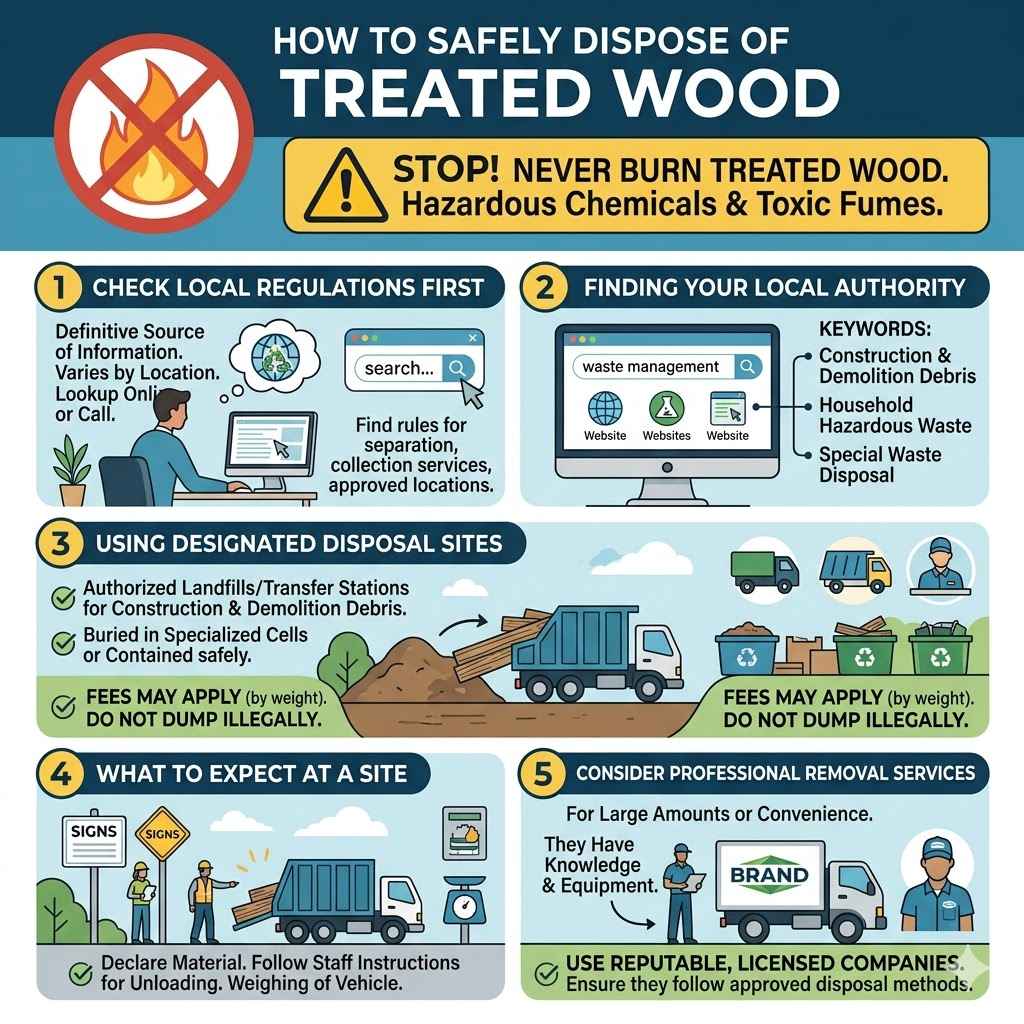
This cannot be stressed enough: your local waste management or environmental protection agency is the definitive source of information. Regulations vary significantly by state, county, and even city. What is acceptable in one place might be illegal in another.
So, before you do anything with your treated wood, take the time to look up or call your local authority.
They will be able to tell you about any specific requirements for separating treated wood from other construction debris. They will also direct you to approved drop-off locations or collection services. Often, construction companies or demolition contractors will have a good understanding of these rules, as they deal with treated wood regularly.
Finding Your Local Authority
A quick online search for ” waste management” or ” environmental protection agency” should lead you to the correct department. Look for sections on “construction and demolition debris,” “household hazardous waste,” or “special waste disposal.” These sites usually provide contact information and detailed guidelines.
Using Designated Disposal Sites
Many areas have specific landfills or transfer stations that are equipped to handle construction and demolition debris, including pressure treated wood. These sites follow regulations to manage the material safely. They might bury it in a specialized cell within the landfill or have other containment procedures in place.
There may be a fee associated with using these facilities, often based on the weight of the load.
It is important to use only officially designated sites. Taking treated wood to a general landfill that is not equipped for it, or simply dumping it illegally, can lead to environmental contamination and legal penalties. Always ensure the facility you choose is authorized to accept this type of material.
What to Expect at a Disposal Site
When you arrive at an approved disposal site, you may need to declare the type of material you are bringing. Staff will direct you to the correct area. They might weigh your vehicle to calculate the disposal fee.
Some sites have specific rules about how the wood should be loaded or unloaded, so follow their instructions carefully to ensure a smooth and safe process.
Considering Professional Removal Services
If you have a large amount of pressure treated wood, or if you find the disposal process too difficult to manage yourself, hiring a professional removal service is a practical option. Many companies specialize in hauling away construction debris. They have the trucks and equipment to transport the wood and are knowledgeable about proper disposal procedures.
When choosing a service, ask them about their process for disposing of pressure treated wood. Ensure they are licensed and use approved disposal methods. This service can save you time, effort, and ensure the job is done correctly and legally.
Choosing a Reputable Service
Look for companies that are well-reviewed and have good reputations. Ask for references if necessary. A reputable service will be transparent about their fees and disposal methods.
They should also be able to provide documentation of proper disposal if you require it.
Frequently Asked Questions
Question: Can I burn pressure treated wood for heat in a wood stove?
Answer: No, it is not safe to burn pressure treated wood for heat in a wood stove. The chemicals in the wood release toxic fumes when burned, which can be harmful to your health and potentially damage your stove and chimney over time.
Question: What happens if I accidentally burn pressure treated wood?
Answer: If you accidentally burn pressure treated wood, try to avoid inhaling the smoke. Ensure good ventilation in the area. You should also clean any surfaces that may have accumulated ash or residue.
It is advisable to consult with a medical professional if you experience any adverse health effects like coughing or breathing difficulties.
Question: Is pressure treated wood safe for children to be around if it’s used for a playground?
Answer: Modern pressure treated wood is generally considered safe for its intended use in outdoor structures like playgrounds, provided it is installed and maintained properly. The chemicals are bound within the wood. However, it is still not recommended for burning or for use in edible gardens due to potential leaching and fume release.
Question: Can I put pressure treated wood in my regular garbage bin?
Answer: In most places, you cannot put pressure treated wood in your regular garbage bin. It is considered special waste and requires specific disposal methods. Always check with your local waste management authority for their guidelines.
Question: What are the signs that wood is pressure treated?
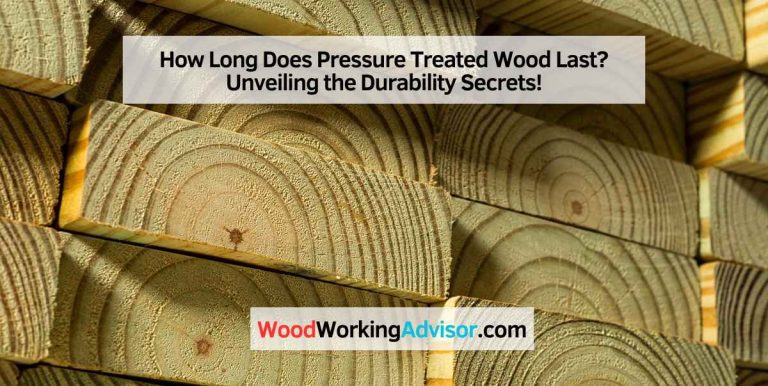
Answer: Pressure treated wood often has a greenish tint, though this can fade over time or be stained over. It might also have small incision marks from the treatment process. Many pieces will also have a stamp or label indicating they have been treated and often the type of treatment used.
Wrap Up
To summarize, the answer to Can Pressure Treated Wood Be Burned Safely? is a clear no. Burning it releases harmful chemicals, posing serious health and environmental risks. Always opt for proper disposal methods. Check local regulations and use approved sites or services to handle treated wood responsibly. This ensures safety for you, your family, and the planet.