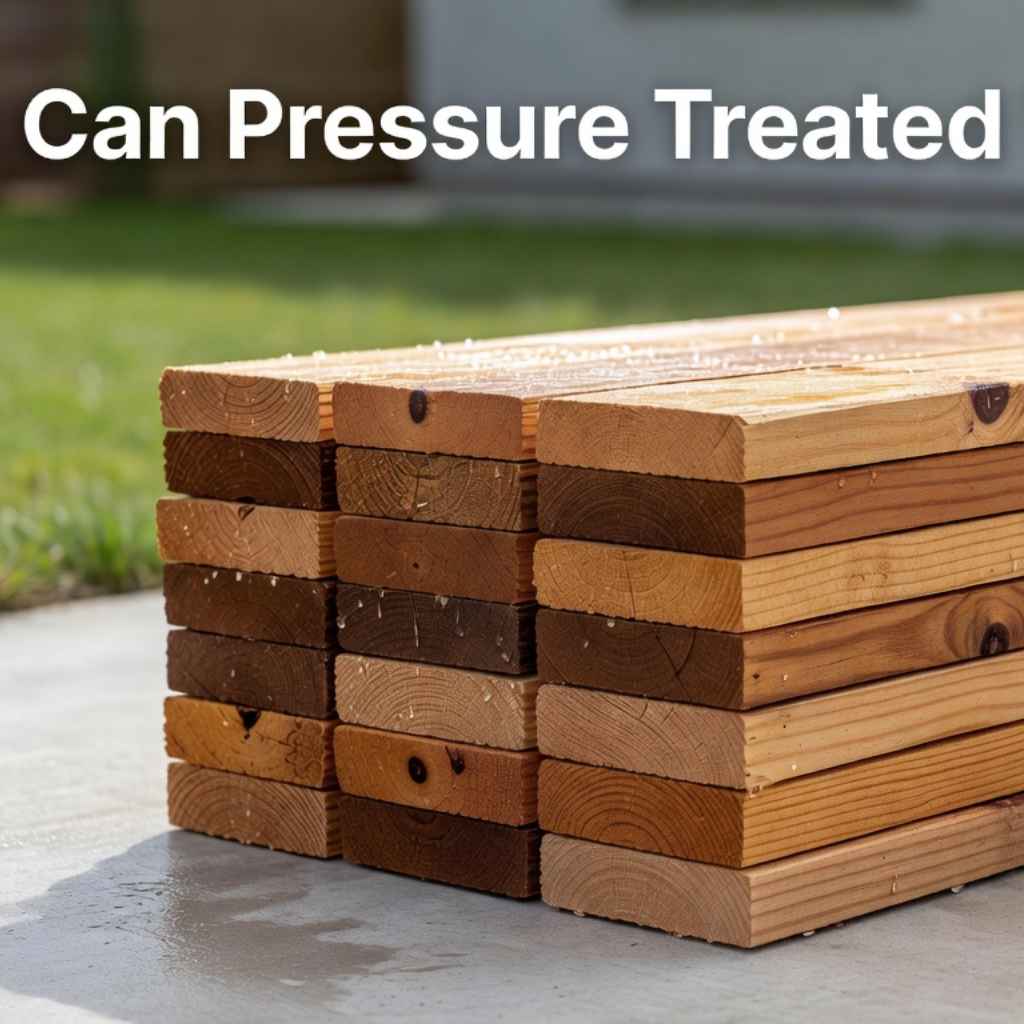
Can Pressure Treated Wood Get Wet
Many folks wonder, “Can Pressure Treated Wood Get Wet?” It is a common question, especially for people just starting out with DIY projects or gardening. You might think that because it’s treated to resist rot and insects, water would be a big no-no. This can make deciding where to put your projects a bit tricky.
But don’t worry! We’ll break down exactly what you need to know in a simple way, step by step. We’ll cover how it works and what to expect.
Understanding Pressure Treated Wood Moisture Resistance
This section explains why pressure treated wood is designed to handle moisture and what makes it different from regular lumber. We’ll look at the process that makes it so durable. It’s all about protecting your wood from decay and bugs, even when it’s exposed to damp conditions.
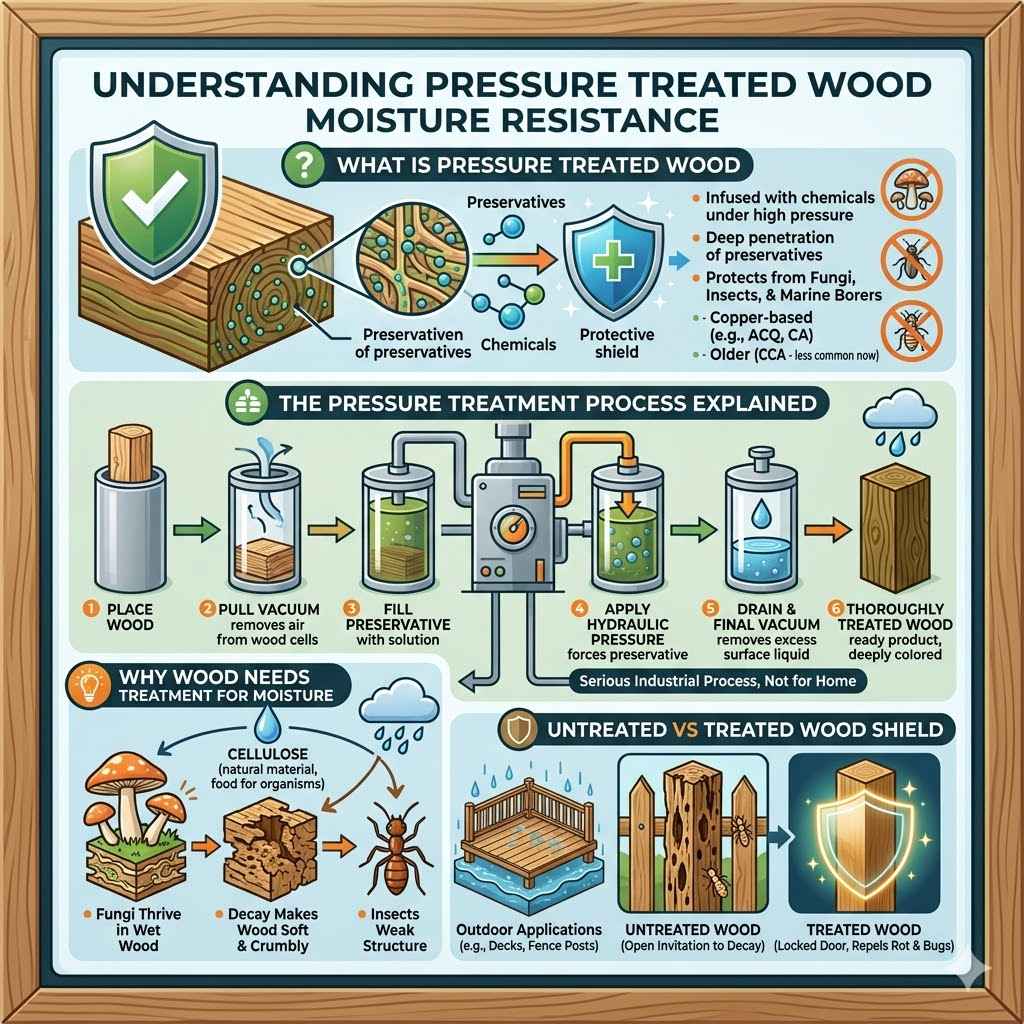
What Is Pressure Treated Wood
Pressure treated wood is lumber that has been infused with chemicals under high pressure. This process forces preservatives deep into the wood fibers. These chemicals protect the wood from fungi, insects, and marine borers.
Without this treatment, wood can quickly rot when exposed to moisture and become a meal for termites.
The chemicals used are typically copper-based, like alkaline copper quaternary (ACQ) or copper azole (CA). Older treatments used chromated copper arsenate (CCA), but these are less common now for residential use due to environmental concerns. The goal is to make the wood last much longer, especially in outdoor applications.
Think of it like giving your wood a special shield. This shield repels the things that would normally break it down. It’s this deep penetration that makes it so effective.
The Pressure Treatment Process Explained
The process starts by placing wood into a large, sealed metal cylinder. Then, a vacuum is pulled to remove air from the wood cells. This makes it easier for the preservative solution to enter the wood.
The cylinder is then filled with the preservative.
Next, hydraulic pressure is applied. This forces the preservative deep into the wood, filling the spaces where air used to be. After a set period, the excess solution is drained, and a final vacuum is applied to pull out any remaining surface liquid.
This ensures the wood is treated thoroughly.
This is a serious industrial process. It’s not something you can do at home. The result is wood that can withstand conditions that would destroy untreated lumber.
Why Wood Needs Treatment for Moisture
Wood is a natural material made of cellulose. Cellulose is food for many types of fungi and insects. When wood gets wet, these organisms thrive.
Fungi cause rot, making the wood soft and crumbly. Insects like termites and carpenter ants can tunnel through it, weakening its structure.
Even small amounts of moisture can start this process. Think about a deck that sits on damp ground or a fence post in rainy soil. Without protection, these parts of a structure would decay quickly.
This is why outdoor projects often use specially treated wood.
Untreated wood is like an open invitation to decay. Treated wood is like a locked door that keeps the rot and bugs out.
Can Pressure Treated Wood Get Wet Yes Or No
This section directly addresses the core question. We will confirm that, yes, pressure treated wood can get wet, and explain why this is not a problem. We will also discuss how it behaves when it gets wet and how to manage it.
The Simple Answer Is Yes
The short and clear answer to “Can Pressure Treated Wood Get Wet?” is yes. In fact, much of its intended use involves exposure to moisture. Pressure treated lumber is specifically designed to resist rot, decay, and insect infestation that are all caused by moisture.
You can use it for decks, fences, docks, garden beds, and any other outdoor project where it will come into contact with rain, snow, or soil.
The chemicals infused during the treatment process create a barrier that prevents water from being the primary cause of wood failure. This makes it a reliable choice for structures that are constantly exposed to the elements.
So, don’t be afraid if your pressure treated wood gets rained on or sits on damp ground. It’s built for it.
How It Responds To Water
When pressure treated wood gets wet, it will absorb some water, just like any wood. This can cause it to swell slightly. However, the wood will also dry out when the moisture is removed, and it will return to its original size.
The critical difference is that the wood itself is protected from decay. The chemicals in the wood prevent the fungi and insects from breaking down the cellulose.
While the wood can get wet, it’s important to note that prolonged saturation without any drying periods can still be stressful for any wood product. However, the treatment significantly extends its lifespan compared to untreated wood. The preservatives are designed to remain effective even when the wood is wet.
Think of it like a waterproof jacket. It can get wet on the outside, but the material inside stays dry and protected. Pressure treated wood works similarly.
Managing Moisture Exposure
While pressure treated wood is designed to get wet, proper installation and maintenance can further extend its life. Ensuring good drainage around structures made from pressure treated wood is always a good practice. This means not letting water pool around posts or deck joists for extended periods.
Allowing the wood to dry out between periods of wetness is beneficial. For instance, a deck should have some space between boards to allow air circulation and drying. If the wood is in constant contact with standing water, even treated wood will eventually show wear.
Regular cleaning and occasional sealing can also help protect the wood’s surface. This isn’t because the wood will rot without it, but to maintain its appearance and provide an extra layer of protection against surface damage.
Statistics On Wood Durability
Pressure treated wood can last 15 to 25 years, and sometimes even longer, depending on the specific treatment and environmental conditions. This is significantly longer than untreated wood, which might only last 5 to 10 years in similar conditions. A study by the American Wood Protection Association (AWPA) found that wood treated with modern preservatives can last for decades when properly installed and maintained.
For example, a deck built with pressure treated lumber in the United States is often expected to have a lifespan of over 20 years. This longevity is a major reason for its popularity in construction.
The cost-effectiveness is also significant. While pressure treated wood is more expensive upfront than untreated wood, its extended lifespan means it needs to be replaced less often, saving money and labor in the long run.
Factors Affecting Pressure Treated Wood And Water
This part goes into more detail about what can impact how well pressure treated wood handles water. We’ll discuss things like the type of treatment, how it’s installed, and the environment it’s in. Understanding these factors helps you make the best choices for your projects.
Types Of Wood Treatments
Not all pressure treatments are the same. The type of preservative used can affect how the wood performs.
- Alkaline Copper Quaternary (ACQ): This is one of the most common treatments today. It uses copper to prevent fungal decay and insects. It is generally considered safe for most outdoor uses. The copper content can sometimes lead to corrosion of fasteners if not chosen carefully.
- Copper Azole (CA): Similar to ACQ, this treatment also uses copper along with an azole compound. It’s known for its effectiveness and is often used for more demanding applications like marine pilings. It also requires compatible fasteners.
- Micronized Copper Quaternary (MCQ): This is another modern treatment where copper is applied in tiny particles. It offers good protection and is often considered more environmentally friendly. It is available in different formulations for various uses, including above ground, ground contact, and even for lumber used in freshwater applications.
- Chromated Copper Arsenate (CCA): While still used for some industrial applications like utility poles and marine structures, CCA is rarely used for residential lumber due to concerns about arsenic. It was very effective but has been phased out for most consumer products.
The choice of treatment often depends on the intended use of the wood. For a garden bed, ACQ or CA is usually sufficient. For a dock that is constantly in water, a more robust treatment like MCQ or a specific marine-grade treatment might be recommended.
Installation And Design For Moisture
How you install pressure treated wood makes a big difference. Good design helps water drain away and allows air to circulate, which aids in drying.
For decks, ensuring there are gaps between deck boards is crucial. These gaps allow rain to pass through and air to circulate, preventing moisture from getting trapped. Also, avoid burying deck posts directly in concrete without proper drainage.
A common method is to use metal post anchors that lift the wood off the concrete and allow water to drain.
When building garden beds, some people add a plastic liner to the inside of the bed. This keeps the soil moisture from constantly soaking into the wood from the inside. However, the outside of the bed will still get wet, which is what the treatment is for.
Environmental Factors
The environment where the wood is used plays a big role. Wood used in a tropical, humid climate will experience more constant moisture than wood in a dry, desert climate.
Areas with heavy rainfall, high humidity, or proximity to water bodies will put more stress on any wood structure. Even though pressure treated wood is designed for this, minimizing prolonged saturation is always best. For example, a wooden dock that is constantly submerged will perform differently than one that is only occasionally splashed.
Soil contact is another major factor. Wood in direct contact with soil, especially damp soil, is at higher risk. That’s why lumber rated for “ground contact” is treated more heavily than lumber rated for “above ground” use.
This ensures it can withstand the increased moisture and potential for fungi and insects in the soil.
Fastener Compatibility
A critical aspect when working with pressure treated wood is fastener compatibility. The chemicals in modern pressure treated wood, especially ACQ and CA treatments, can be corrosive to certain metals.
Fasteners like galvanized nails and screws are typically recommended. However, even these can corrode over time. Hot-dipped galvanized fasteners offer better protection than electro-galvanized ones.
Stainless steel fasteners are the most resistant to corrosion and are often the best choice for long-lasting projects, particularly in harsh environments or when using treatments with higher copper content.
Using the wrong fasteners can lead to premature failure of the connection, even if the wood itself remains sound. This is why checking the manufacturer’s recommendations for fasteners is important.
When To Be Concerned About Water On Treated Wood
While pressure treated wood is designed to handle water, there are times when excessive or prolonged moisture can become an issue. This section highlights those specific situations and what they might mean for your wood.
Prolonged Saturation And Lack Of Drying
The biggest concern for any wood product, even pressure treated wood, is being constantly submerged or saturated without any opportunity to dry out. If a deck board, for instance, is always sitting in standing water and never gets a chance to dry, the preservatives might not be able to keep up indefinitely.
This can lead to surface issues over a very long time, or it can indicate a problem with the installation design. For example, if you have a wooden planter box where water pools at the bottom because there are no drainage holes, the wood at the base will be under constant stress.
It is the lack of air circulation and drying time that poses the most challenge. Think of it like wearing wet socks all day every day. Even waterproof socks might start to feel less effective over time if they never dry out.
Surface Mold And Mildew
Sometimes, you might notice a fuzzy, grayish-green growth on the surface of your pressure treated wood, especially if it’s been damp for a while. This is often surface mold or mildew. It’s important to understand that this is usually not rot.
Mold and mildew are superficial organisms that feed on organic matter on the surface of the wood, such as dirt or pollen. They do not typically penetrate deep into the wood or cause structural damage. The pressure treatment chemicals are designed to protect the wood’s core from rot.
This surface mold can usually be cleaned off with a stiff brush and a solution of water and a mild detergent, or a specialized wood cleaner. Sometimes, a diluted bleach solution can be used, but always test in an inconspicuous area first.
Checking For Damage Or Deterioration
Despite its durability, it’s still wise to periodically inspect your pressure treated wood structures. Look for any signs of splintering, cracking, or softness. If you can easily poke a hole in the wood with a screwdriver or if it feels spongy, it might indicate a problem.
These signs could suggest that the treatment has broken down in that specific area, or that the wood has been subjected to extreme conditions for a very long time. It could also be a sign of fungal infection if the wood has been compromised in some way.
Such inspections are especially important for structural elements like posts, beams, and joists. If you find any concerning signs, it’s best to consult with a professional or consider replacing the affected pieces.
Example Scenario One Deck Life
Imagine John built a new deck with pressure treated lumber three years ago. His deck is exposed to a lot of rain in the Pacific Northwest. He was worried about it rotting quickly.
However, he made sure to leave 1/8-inch gaps between his deck boards for drainage.
He also used stainless steel screws. After three years, the deck looks great. He occasionally cleans off some surface mold that appears after long rainy spells, but the wood itself feels solid and strong.
This is a great example of how proper installation and material choice allow pressure treated wood to handle moisture effectively.
Example Scenario Two Garden Box Failure
Sarah built a raised garden box using pressure treated wood. She wanted to grow vegetables. She stacked the boards and sealed the corners tightly, thinking this would be best.
She did not include any drainage holes at the bottom.
After about two years, the boards at the bottom of the garden box started to look warped and felt soft. The constant moisture from the soil, with no way to escape, had saturated the wood continuously. This led to premature deterioration at the base of the box, even though the wood was pressure treated.
This highlights the importance of design for drainage.
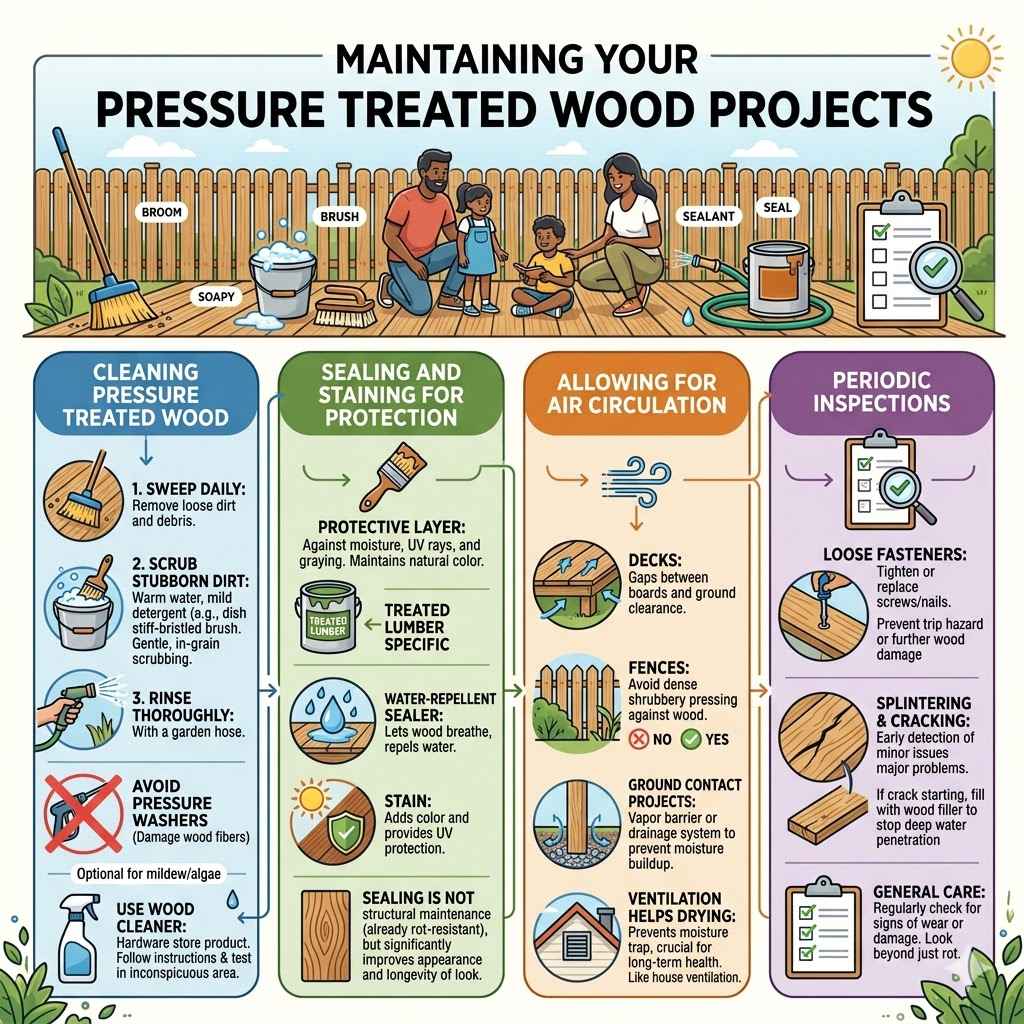
Maintaining Your Pressure Treated Wood Projects
This section provides practical tips for keeping your pressure treated wood looking good and performing well over the years. We’ll cover cleaning, sealing, and general care.
Cleaning Pressure Treated Wood
Regular cleaning is key to maintaining the appearance of your pressure treated wood. You can start with a simple sweep to remove loose dirt and debris. For more stubborn dirt or mild stains, use a stiff-bristled brush and a bucket of warm water with a mild detergent like dish soap.
Scrub the wood gently in the direction of the grain. Rinse thoroughly with a garden hose. Avoid using high-pressure washers, as they can damage the wood fibers and even remove some of the surface treatment.
If you must use a pressure washer, use a low setting and keep the nozzle a good distance from the wood.
For tougher stains, like mildew or algae, you might need a specific wood cleaner. Many products are available at hardware stores. Always follow the product instructions carefully and test on an inconspicuous area first.
Sealing And Staining For Protection
Once the wood is clean and completely dry, you might consider sealing or staining it. Sealing can provide an extra layer of protection against moisture, UV rays, and wear. It also helps to maintain the wood’s natural color and prevent it from turning gray over time.
When choosing a sealant or stain, look for products specifically designed for treated lumber. Water-repellent sealers are a good choice. They allow the wood to breathe while still repelling water.
Stains can add color and provide UV protection.
It’s important to note that sealing is not always necessary for the structural integrity of pressure treated wood, as it is already protected from rot and insects. However, it can significantly improve its appearance and longevity of its look.
Allowing For Air Circulation
As mentioned before, good airflow is essential. When designing or maintaining structures, always ensure there’s a way for air to circulate around the wood. For decks, this means gaps between boards and clearance from the ground.
For fences, ensure they aren’t constantly pressed against dense shrubbery.
If you have a project where the wood might be in contact with the ground or other materials, consider using a vapor barrier or drainage system to prevent moisture buildup. Proper ventilation helps the wood dry out naturally after getting wet, which is crucial for its long-term health.
Think of it like a house needing ventilation. Without it, moisture can get trapped and cause problems.
Periodic Inspections
Regularly checking your projects for any signs of wear or damage is a good habit. This is not just about looking for rot, but also for loose fasteners, splintering, or significant cracking. Early detection of minor issues can prevent them from becoming major problems.
For example, if you notice a screw is backing out of a deck board, tightening it or replacing it can prevent a trip hazard or further damage to the wood around it. If you see a crack starting to form, you might be able to fill it with a wood filler to prevent water from getting deeper into the wood.
These simple checks can make a big difference in how long your projects last and how safe they remain.
Frequently Asked Questions
Question: Can I use pressure treated wood for indoor projects
Answer: While pressure treated wood is safe for outdoor use, it is generally not recommended for indoor projects. The preservatives can have a distinct smell, and some people are sensitive to them. It’s best to use interior-grade lumber for projects inside your home.
Question: Will pressure treated wood warp after getting wet
Answer: Pressure treated wood can warp slightly when it gets wet and then dries out, just like any wood. However, the pressure treatment process helps to stabilize the wood and reduce the amount of warping compared to untreated wood. Proper installation with adequate spacing and support can minimize warping.
Question: How long does pressure treated wood last
Answer: The lifespan of pressure treated wood varies depending on the type of treatment, the environment, and how it is used and maintained. However, it typically lasts between 15 to 25 years, and often much longer, especially when properly cared for and not constantly submerged in water.
Question: What kind of screws should I use with pressure treated wood
Answer: You should use corrosion-resistant screws, such as hot-dipped galvanized or stainless steel screws. Modern pressure treatments can be corrosive to standard fasteners, so using compatible hardware is essential to prevent premature failure.
Question: Can I cut pressure treated wood
Answer: Yes, you can cut pressure treated wood. However, it’s important to wear a dust mask to avoid inhaling the sawdust, which can contain residual treatment chemicals. Also, make sure to seal any cut ends with a compatible wood preservative to maintain the wood’s protection.
Summary
Pressure treated wood is designed to get wet. It can handle rain, soil, and other damp conditions without rotting. Proper installation and maintenance, like good drainage and occasional cleaning, help it last for many years.
You can confidently use it for outdoor projects knowing it’s built to endure moisture exposure.