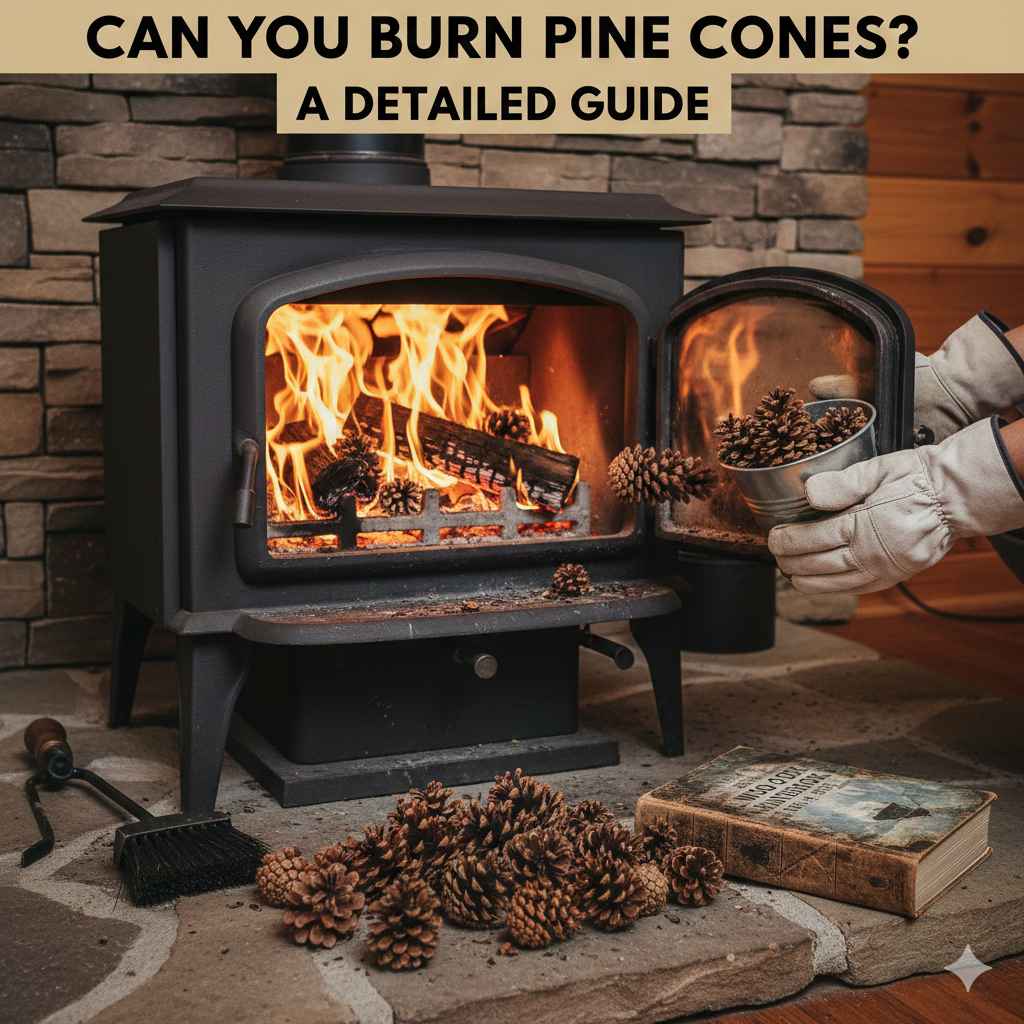
Can You Burn Pine Cones in a Wood Stove: A Detailed Guide
Thinking about burning pine cones in your wood stove? It’s a common question, especially for those new to wood burning. You might be wondering, Can You Burn Pine Cones in a Wood Stove? The answer isn’t a simple yes or no, but don’t worry! We’ll explore the details clearly and simply. This guide will walk you through everything you need to know, step by step, so you can safely and effectively use pine cones as fuel. Let’s get started!
Burning Pine Cones: Is It Safe and Effective?
The first thing many wood stove users wonder is whether or not burning pine cones is actually a good idea. This section will look at the safety and efficiency of burning pine cones, weighing their pros and cons. We’ll explore the heat output, potential hazards, and how to prepare them for optimal burning. It is important to know if pine cones are a smart option for your specific setup. Knowing the properties of pine cones, from their moisture content to how they ignite, is the initial step in making a choice.
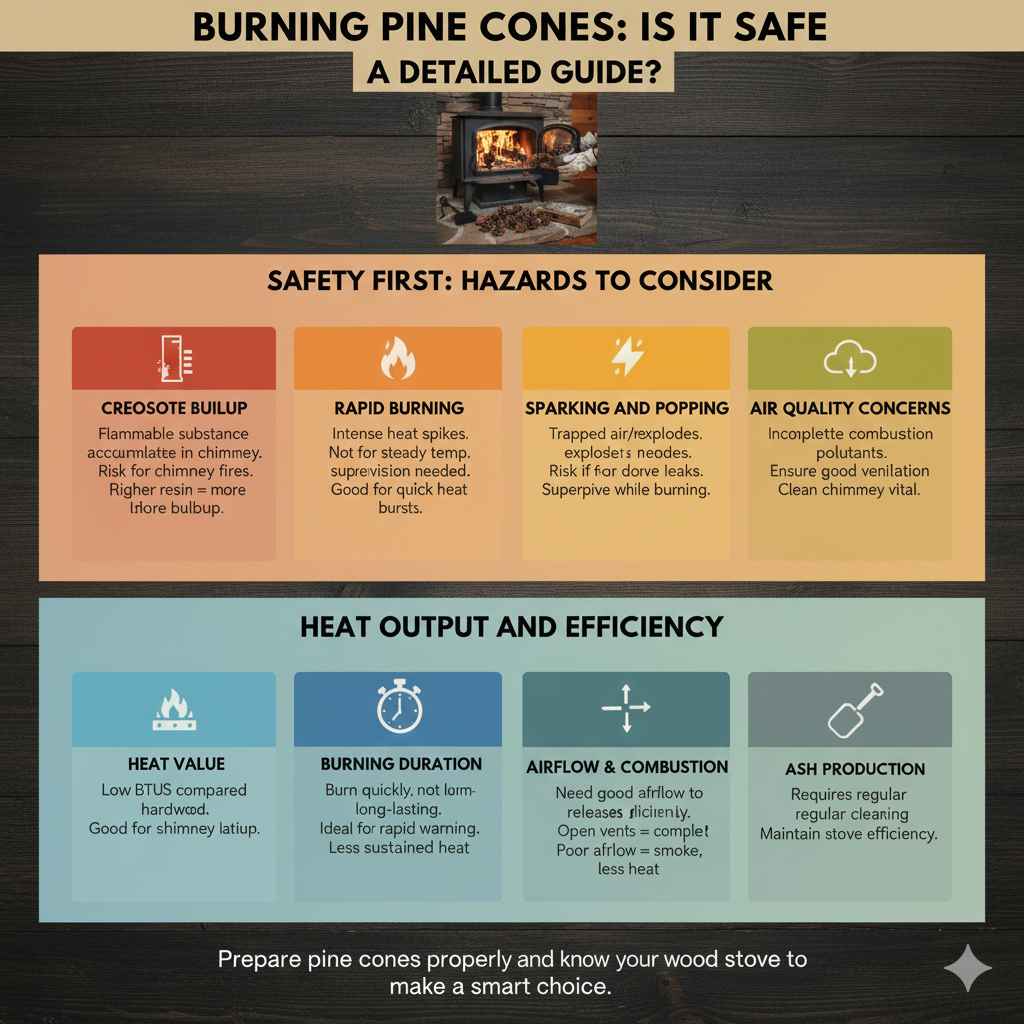
Safety First: Hazards to Consider
Burning anything in a wood stove requires careful consideration of safety. Pine cones, with their unique structure and composition, present specific potential hazards. These aren’t necessarily deal-breakers, but they are important. Many of these issues are manageable with careful preparation and proper ventilation.
Creosote Buildup: Pine cones, especially those with high resin content, can contribute to creosote buildup in your chimney. Creosote is a flammable substance, and its accumulation can increase the risk of chimney fires. Regular chimney cleaning is key to managing this.
Creosote is a byproduct of incomplete combustion. It sticks to the insides of your chimney and flue. When burning pine cones, the higher resin content can lead to more of this buildup. The type of wood stove impacts how much creosote is made too.
Rapid Burning: Pine cones tend to burn quickly, which can lead to intense heat spikes. This can be problematic if your wood stove isn’t designed to handle such fluctuations. Carefully watching your stove is necessary.
The speed at which pine cones burn is connected to their structure and resin content. This quick burning can be an advantage if you only need a short burst of heat. But if you’re trying to maintain a steady temperature, it is a significant drawback.
Sparking and Popping: Some pine cones, particularly those with pockets of air or resin, can pop and spark when burned. This can be a concern if your wood stove door isn’t properly sealed or if sparks are able to escape. It’s a good idea to supervise your stove while pine cones are burning.
The popping and sparking are due to the rapid heating of trapped air and resin within the cone. This can be a minor nuisance, or a significant hazard depending on the design of your stove and how well it is maintained.
Air Quality Concerns: Incomplete combustion can release harmful pollutants into the air. Good ventilation is important. Make sure your wood stove and chimney are working correctly to minimize emissions.
Good airflow, complete combustion, and a clean chimney are vital to reducing pollution. When burning anything, including pine cones, consider the impact on indoor and outdoor air quality.
Pine Cone Heat Output and Efficiency
Understanding the heat output and efficiency of pine cones is essential before deciding whether to use them as fuel. Their heat production can differ greatly from traditional firewood. To make a smart choice, you must consider the trade-offs.
Heat Value: Pine cones have a relatively low heat value compared to many hardwoods. They won’t provide the same sustained heat as a well-seasoned oak log. However, they can be useful for quick starting or supplementing your main heat source.
Heat value is measured in British thermal units (BTUs). Different types of wood, and in this case, pine cones, have varying BTU ratings. A low BTU value means that they will release less heat compared to high-BTU options, like a hardwood.
Burning Duration: Pine cones burn quickly. This means they don’t provide a long-lasting heat source. They are ideal for quick heating, such as when you need to warm up a space rapidly.
The speed at which pine cones burn depends on various factors. Size, resin content, and moisture all play a part. This rapid combustion can be seen as an advantage for quick bursts of warmth, but a disadvantage if you need prolonged heat.
Airflow and Combustion: The way air flows through your wood stove affects combustion. Pine cones need good airflow to burn efficiently. Ensuring the air vents are open allows the cones to burn effectively.
Good airflow ensures complete combustion, meaning the fuel burns fully, releasing all its energy. Poor airflow leads to incomplete combustion, which produces smoke, soot, and less heat. The design of your wood stove matters a lot.
Ash Production: Pine cones produce a moderate amount of ash. This ash can build up quickly. It’s important to regularly clean out your wood stove to maintain its efficiency.
Ash is a byproduct of burning wood. Regular cleaning is needed. It will keep your wood stove running well and prevent safety issues.
Preparing Pine Cones for Burning
Proper preparation is key to burning pine cones safely and effectively in your wood stove. This section will guide you through the necessary steps. You must prepare them correctly, from selecting the right cones to the drying process. These steps will reduce hazards and improve the burn quality.
Selecting and Collecting Pine Cones
Picking the right pine cones is the first step in successful burning. Careful selection ensures you are using the best quality. Proper collection is also important. The way you collect pine cones affects their safety and performance.
Species Matters: Different pine tree species produce cones with varying characteristics. Cones from longleaf pine, for example, tend to be very resinous. This resin can make them burn hotter and faster. Choose cones from species that aren’t overly resinous to reduce creosote buildup.
The type of pine tree influences the cone’s size, shape, and resin content. Researching the local species of pine will help you to select the best cones. This reduces the risk of excessive creosote.
Choosing the Right Cones: Look for cones that are dry and closed. Avoid any cones that are moldy, damaged, or wet. The drier the cones are, the better they will burn.
When collecting, check the condition of each cone. This is very important. Closed cones are usually drier than open ones. Healthy cones make for a better burn.
Collection Methods: You can collect pine cones directly from the ground. Avoid taking them from areas where they may be covered in mud or have other contaminants. Ensure you’re allowed to collect them in the area.
Always respect local regulations about collecting forest materials. Check to see if you need permission. This ensures you’re doing so legally. It also shows that you’re supporting sustainability.
Storage: Store your collected pine cones in a dry, well-ventilated location. This helps them dry out further. Proper storage is crucial for burning pine cones effectively.
Correct storage ensures the pine cones are ready when you need them. A shed, garage, or even a covered area outdoors is perfect. Make sure there’s enough space for air to move. This will prevent mold or mildew.
Drying Pine Cones: The Key to Efficiency
Drying your pine cones before burning them is critical. The drier they are, the better they will burn. Moisture content has a big impact on heat output. Well-dried cones will also produce less smoke and creosote.
Air Drying: The simplest method for drying pine cones is air drying. Spread the cones out in a single layer in a well-ventilated area. Direct sunlight helps speed up the drying process. Turn the cones regularly to ensure they dry evenly.
Air drying uses the natural evaporation of moisture. This makes it a cost-free and easy option. It does take time, so start drying your cones well in advance of the heating season. Make sure the location is protected from rain or other moisture.
Using a Kiln or Oven: If you need to dry the cones faster, consider using a kiln or an oven. Be careful, as overheating can cause the cones to catch fire. Keep the temperature low and monitor them closely.
Kilns and ovens provide a controlled environment to speed up the drying. Use low heat to gradually remove moisture. This technique allows for a quicker turnaround. Never leave the cones unattended during the drying process.
Checking for Dryness: The cones are dry when they feel light and brittle. They should break easily. You can also listen for a cracking sound when you squeeze them.
Checking dryness is crucial to determine if they are ready for use. A properly dried cone will burn cleanly and efficiently. The moisture content should be as low as possible for the best results.
Storage After Drying: Once the cones are dry, store them in a dry, airtight container. This keeps them from reabsorbing moisture. Keep them ready for use in your wood stove.
Proper storage after drying ensures that the cones remain at their optimal dryness. A dry container prevents moisture. Your pine cones will be ready when you need them during the heating season.
Burning Pine Cones in a Wood Stove: Step-by-Step
Now that you have your pine cones prepared, it is time to learn the correct way to burn them in your wood stove. This section gives you detailed instructions to ensure a safe and efficient burn. This process will minimize any potential issues and maximize your heat output.
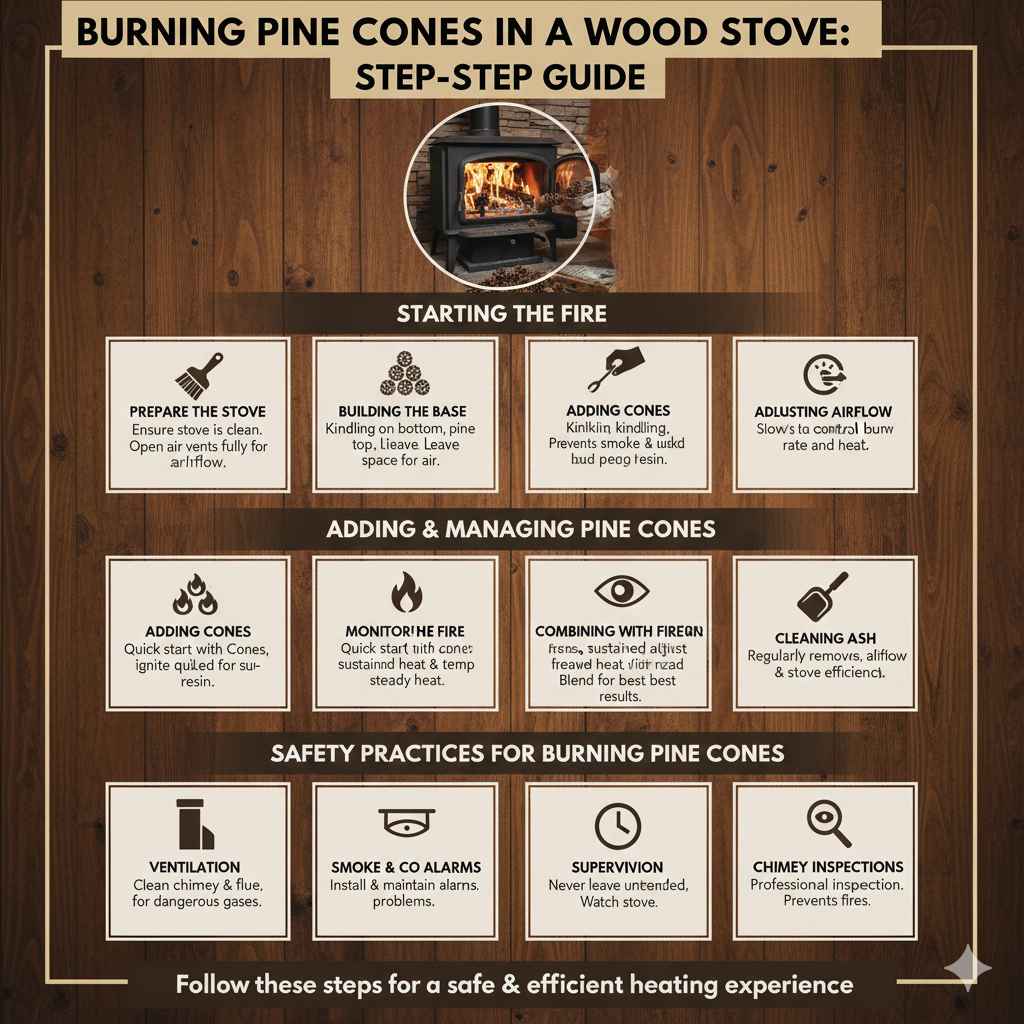
Starting the Fire
Starting a fire with pine cones is different than using traditional firewood. The high resin content means that they ignite quickly. It is essential to use the right methods. Here is how to light a fire using pine cones.
Prepare the Stove: Make sure your wood stove is clean and free of ash. Open the air vents fully. This allows for good airflow, which is critical for the initial burn.
Before beginning, check the condition of your wood stove. Clean out any leftover ash. Also, check to make sure that the air vents are open.
Building the Base: Start with a small amount of kindling, such as dry twigs or paper. Place the pine cones on top of the kindling. Leave enough space between the cones for air to circulate.
The kindling provides the initial flames. Use enough to get the pine cones burning well. This will ensure a successful start.
Lighting the Fire: Light the kindling and allow it to catch the pine cones. The cones should ignite quickly. You will see flames within seconds.
Be careful when lighting the fire. Stand back from the stove when you light the kindling. The resin content will cause them to light fast.
Adjusting Airflow: After the fire has started, you can start adjusting the air vents. Do this slowly. This allows you to control the burn rate and maintain the desired heat level.
Control airflow. This can prevent smoke and optimize heat production. Adjust the vents as needed for the burn rate.
Adding and Managing Pine Cones
Once the fire is lit, the way you add and manage pine cones will impact the efficiency of your burn. This section covers best practices for maintaining a consistent heat. It also includes how to avoid issues related to the burning process.
Adding Cones Gradually: Add pine cones in small batches. This prevents overwhelming the fire. This approach avoids excessive smoke or a sudden temperature spike.
Adding the cones gradually allows for better control of the heat. Small batches help to maintain a steady and efficient burn.
Monitoring the Burn: Observe how the pine cones are burning. Are they burning quickly and intensely, or slowly and steadily? Make adjustments to the airflow to manage the burn rate.
Watching the fire lets you make the right adjustments. It helps you keep the burn under control. You can change the airflow.
Combining with Firewood: You can combine pine cones with traditional firewood. This can help to start a fire quickly. The pine cones can provide an initial boost. The firewood will offer sustained heat.
Mixing firewood and pine cones can give the best of both worlds. The cones start the fire quickly. The firewood provides longer, more steady heat. You can blend the two options to meet your heating needs.
Cleaning Ash: As the cones burn, they will produce ash. Clean the ash regularly to maintain good airflow and stove efficiency.
Regular ash removal prevents a buildup. The stove will perform at its best. Clean it out at appropriate intervals.
Safety Practices for Burning Pine Cones
Safety is key when burning pine cones in a wood stove. This section focuses on essential safety practices to avoid any potential hazards. By following these guidelines, you can minimize risks and enjoy a safe heating experience.
Ventilation: Make sure your chimney and flue are clean and in good working condition. Proper ventilation is vital. It prevents the buildup of dangerous gases, such as carbon monoxide.
Good ventilation is key for your safety. It removes dangerous gases. This will keep your home safe while burning.
Smoke Detectors and Carbon Monoxide Alarms: Install and maintain smoke detectors and carbon monoxide alarms. Ensure they are working properly. They give you early warnings of problems.
These alarms are important safety devices. They provide early warnings. You will know about any issues quickly.
Supervision: Never leave a fire unattended, particularly when burning pine cones. This is very important. Always keep an eye on your stove.
Constant supervision ensures that you can respond to any issue quickly. It’s a key part of responsible wood stove use.
Chimney Inspections: Have your chimney inspected and cleaned by a certified professional regularly. This will ensure that your chimney is safe. This will also help you to identify any problems before they become dangerous.
Regular chimney inspections can prevent any fires. A professional can spot the early signs of creosote buildup or other problems.
Frequently Asked Questions
Question: Can I burn any type of pine cone?
Answer: It’s best to avoid overly resinous pine cones, as they can lead to excessive creosote buildup. Cones from certain species are better suited for burning in a wood stove.
Question: How often should I clean my chimney when burning pine cones?
Answer: It’s recommended to clean your chimney more often. Increase the cleaning frequency if you burn a lot of pine cones. A professional chimney sweep can help determine the best cleaning schedule.
Question: Will pine cones provide enough heat to warm my house?
Answer: Pine cones are best used as a supplemental heat source. They provide a quick burst of heat. They may not be sufficient on their own to heat an entire house, especially in cold conditions. Consider using them to help start a fire, or to give the main fire a boost.
Question: Can I store pine cones in my garage?
Answer: Yes, storing pine cones in your garage is fine, as long as the garage is dry and well-ventilated. Make sure the cones are completely dry before storing them, and keep them away from any potential ignition sources.
Question: What should I do if my chimney catches fire?
Answer: If your chimney catches fire, evacuate your home immediately and call the fire department. Close the stove’s air vents to try to suffocate the flames, but your safety is the most important thing.
Final Thoughts
In this guide, we explored whether Can You Burn Pine Cones in a Wood Stove? We’ve discussed the safety concerns related to burning pine cones. We explored the best practices for selecting, drying, and burning these cones. Preparing pine cones carefully is important for a successful burn. We’ve gone over the methods to get the most heat. Proper storage techniques can make all the difference. Remember, safety should always be your top concern. You can use pine cones as an effective and useful fuel source. Enjoy the warmth, and stay safe!