Can You Burn Pine Wood in a Fire Pit Safely?
Thinking about having a fire pit gathering? A common question for beginners is Can You Burn Pine Wood in a Fire Pit? It’s a fair concern! Pine is readily available, but is it the right choice for your fire pit fun? Don’t worry, we’ll cover everything you need to know. We’ll simplify the whole process, step by step, so you can enjoy a safe and cozy fire. Next, we’ll explore the types of wood, and how it behaves when burned.
Choosing the Right Firewood
Selecting the right wood is like choosing the best ingredients for a recipe. It sets the foundation for a good fire. The type of wood you choose greatly impacts how easily the wood will light, how long it burns, and how much smoke and sparks it produces. Different woods have varying densities, moisture content, and resin levels. These characteristics determine their burning behavior. It’s important to consider these factors, especially when safety and enjoyment are your top priorities. Knowing which wood is best will make the fire easier to manage, the smoke more manageable, and offer a better overall experience.
Hardwood vs. Softwood
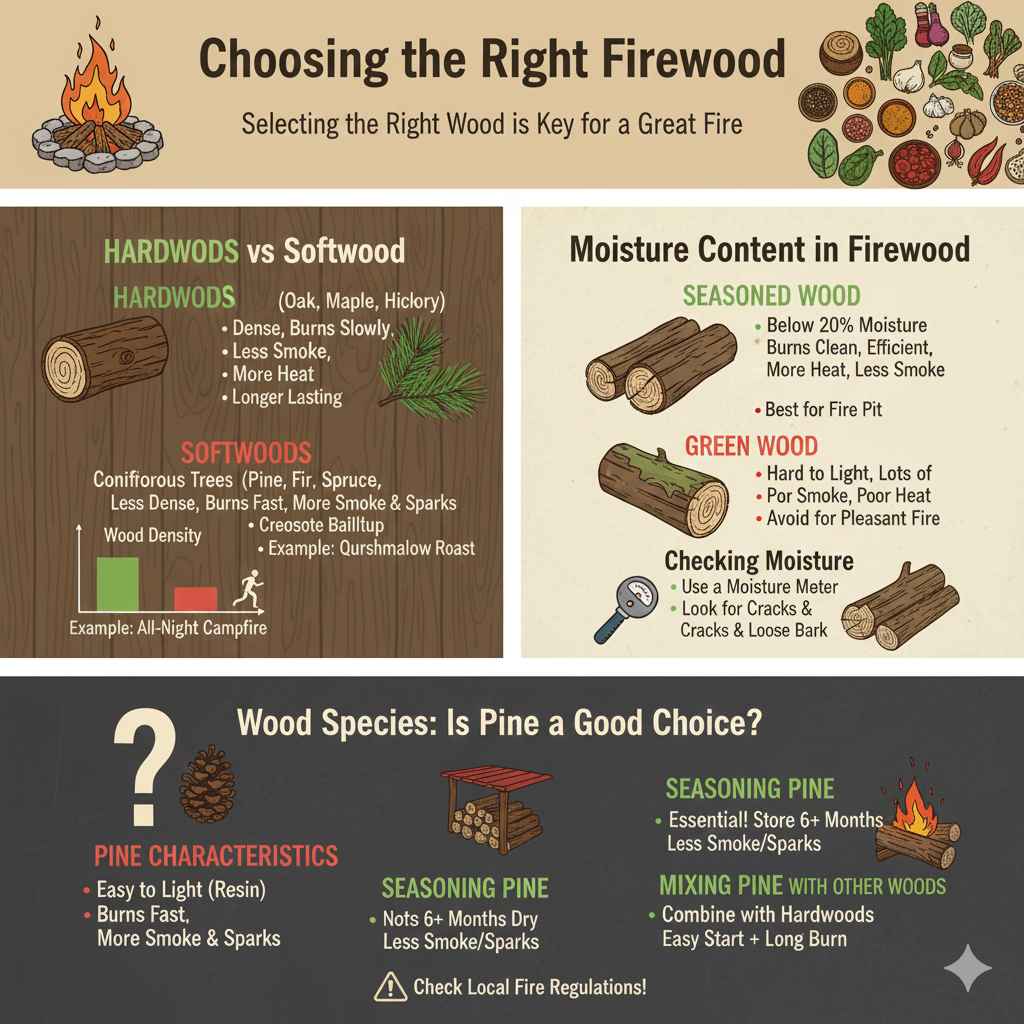
The main split in firewood is between hardwoods and softwoods. Hardwoods come from trees that lose their leaves in the winter (deciduous trees). Softwoods are from trees that keep their needles year-round (coniferous trees). Hardwoods, like oak and maple, are dense, and burn slowly with less smoke. Softwoods, like pine and fir, are less dense. They tend to burn faster and create more smoke and sparks. You might think softwoods are easier to light, but the smoke can be a problem. Deciding which wood to use depends on your needs.
Hardwoods: Hardwoods are known for their high density. Oak, maple, and hickory are excellent examples. They burn longer, create less smoke, and provide more heat than softwoods. This makes them good for long fires and providing consistent warmth. They are also cleaner-burning woods, making them better for the environment and reducing the need for cleanup.
For example, if you’re planning a campfire to last through the night, hardwoods are the better choice.
Softwoods: Softwoods, such as pine, fir, and spruce, are less dense and burn faster. They are easier to ignite because of their lower density. However, they also produce more smoke, sparks, and creosote (a residue that can build up in chimneys). Softwoods can be a viable option for a quick fire or for kindling. It’s best to use them when you’re not overly concerned with a long burn time.
If you’re looking for a quick fire to roast marshmallows, softwood might work, but be ready for some extra sparks.
Wood Density: Wood density plays a large role in how wood burns. Hardwoods, with higher density, store more energy and release it slowly. This results in longer burn times and more heat per log. Softwoods, on the other hand, have a lower density. They burn up quickly and produce less heat over time.
Think of it like comparing a marathon runner (hardwood) to a sprinter (softwood). One is built for endurance, and the other for a quick burst of energy.
Moisture Content in Firewood
Moisture content significantly impacts how a log burns. Firewood that has been properly seasoned has a lower moisture content. This leads to a cleaner, more efficient burn. Unseasoned wood, also known as “green” wood, contains a high amount of water. This water must be driven off before the wood can burn properly. This process reduces the fire’s efficiency and results in more smoke and less heat output. Seasoned wood is often stored for at least six months to a year, allowing the moisture to evaporate naturally. The wood dries out, becoming lighter, and easier to ignite.
Seasoned Wood: Seasoned wood has a moisture content below 20%. It burns with less smoke and provides more heat. It’s safer for your fire pit and the environment.
Seasoned wood is your best bet for a clean and efficient fire.
Green Wood: Green wood has a high moisture content (over 20%). It’s challenging to light and produces a lot of smoke. It doesn’t burn well.
Avoid green wood if you want a pleasant fire experience.
Checking Moisture: You can use a moisture meter to check the moisture content of your firewood. Also, check for cracks and bark that easily falls off as signs of seasoning.
These signs can help you identify properly seasoned firewood.
Wood Species: Is Pine a Good Choice?
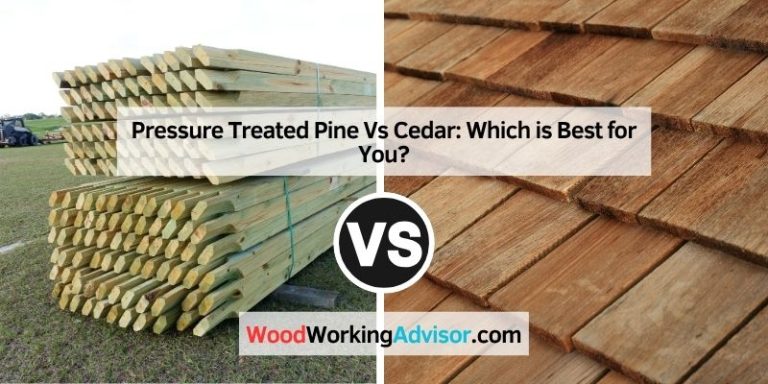
When thinking about, “Can You Burn Pine Wood in a Fire Pit?” the answer isn’t always straightforward. Pine is a softwood, which contains a higher amount of resin than hardwoods. This resin can cause several issues when burned in a fire pit. Pine burns fast, which means you’ll need to replenish the fire more often. Also, the high resin content can create excessive smoke and sparks. These sparks can be a hazard, especially if the fire pit is near dry vegetation or flammable materials. However, if seasoned correctly, pine can still be used. It is best to mix pine with other hardwoods to help control the burn. Be careful to check local fire regulations.
Pine Characteristics: Pine is generally easy to light because of its resin. It burns quickly. It produces more smoke and sparks compared to hardwood.
Knowing the characteristics of pine helps you decide if it’s right for your fire.
Seasoning Pine: Seasoning is essential. Properly seasoned pine will burn better. It will produce less smoke and fewer sparks. Storing it in a dry, covered area for at least six months is recommended.
The time you spend seasoning the pine will make a big difference.
Mixing Pine with Other Woods: Mixing pine with hardwood can help you get a balanced fire. It combines the ease of lighting of pine with the longer burn time of hardwoods.
This is a great option for a more controlled fire.
Burning Pine Wood Safely
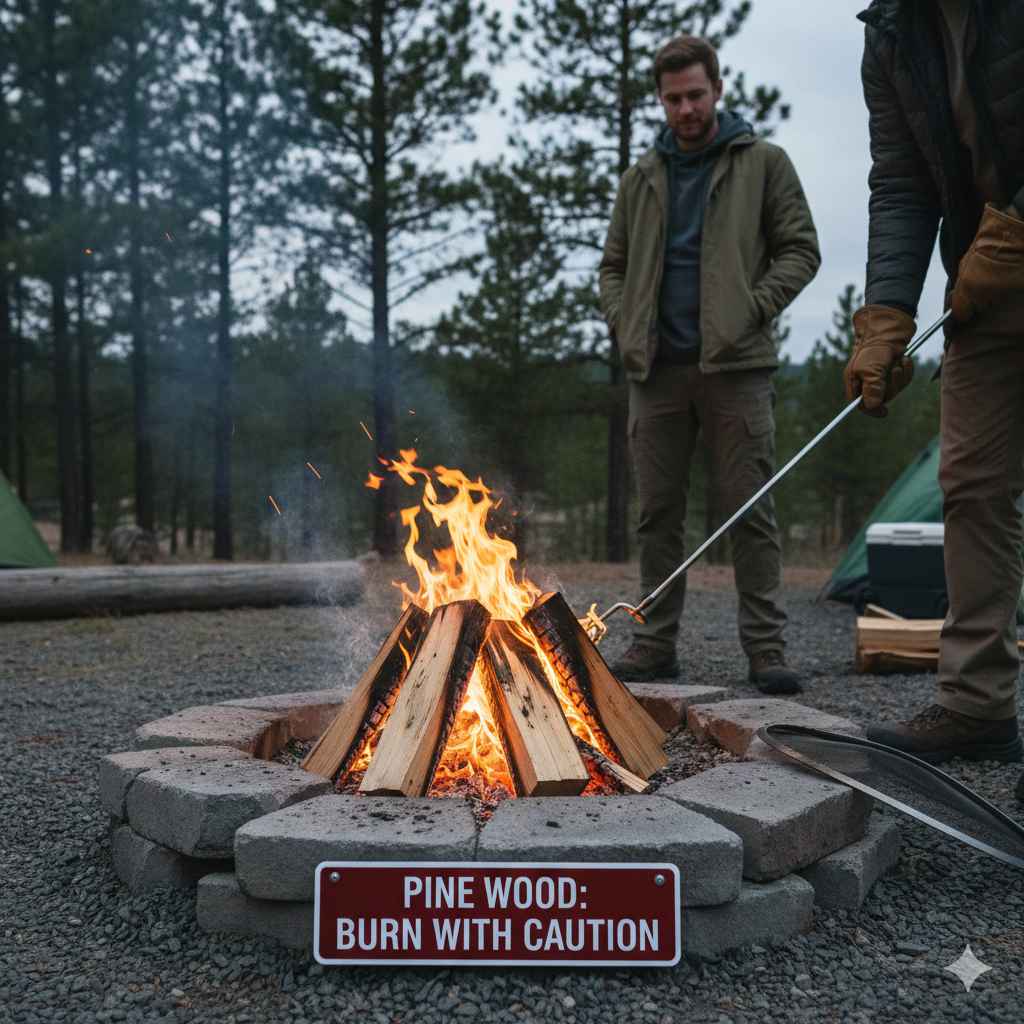
Burning any wood in a fire pit requires safety precautions. Burning pine wood, because of its characteristics, requires additional care. Always use a fire pit that is designed for outdoor use. Inspect the fire pit to ensure there are no cracks or damage. Place your fire pit on a non-flammable surface, such as concrete or gravel. Keep a safe distance from buildings, trees, and other flammable materials.
Make sure you have a fire extinguisher or a water source nearby in case of an emergency. Proper ventilation, fire control, and cleanup contribute to the safe burning of pine wood, and make for a better experience.
Safety Measures for Your Fire Pit
Safety should always be your main concern when starting a fire. This includes the preparation of the site, the fire pit, and the immediate surroundings. It’s also crucial to maintain the fire during its burn. Constant vigilance will prevent accidents. Prior to starting your fire, check for local fire bans or restrictions. These rules vary by location and time of year. Be prepared for unexpected events. Ensure that you have the proper tools, knowledge, and equipment.
Site Preparation: Clear the area around your fire pit of dry leaves, grass, and other flammable materials. This will help prevent the spread of fire.
A clear zone around the fire pit is a must-do for safety.
Fire Pit Selection: Use a fire pit specifically made for outdoor use. Check for any damage or cracks before you start a fire.
A well-maintained fire pit is essential for safe burning.
Fire Control: Keep a fire extinguisher, water hose, or bucket of water nearby. This is important in case a fire gets out of control.
Always have a way to put out the fire if needed.
Ventilation: Ensure that your fire pit has proper ventilation. This helps the fire burn efficiently and reduces smoke buildup.
Good ventilation is key for a clean-burning fire.
Fire Pit Design and Location
The design and location of your fire pit play a vital role in its safe use. Fire pits come in different designs, from simple metal rings to elaborate built-in structures. Consider the size of your fire pit. Make sure it is appropriate for the amount of wood you plan to burn. Choose a location that is away from buildings, overhead trees, and power lines. This distance varies depending on the fire pit design and local regulations. The right location will prevent any accidents. Be mindful of the wind direction. It can affect the direction of smoke and embers. This is why location matters.
Distance from Structures: Keep your fire pit at least 10-15 feet away from buildings, decks, and other structures. This distance can vary based on local fire codes.
This is very important to prevent accidental fires.
Non-Flammable Surfaces: Place your fire pit on a non-flammable surface. Concrete, gravel, or stone are good options. Avoid placing it on wooden decks or grass.
A safe surface helps prevent fires from spreading.
Wind Considerations: Position your fire pit so that the wind blows smoke away from your house, your neighbors, and any other structures. Be mindful of the wind direction before you light your fire.
Consider the wind for a comfortable and safe experience.
Overhead Clearance: Ensure there are no overhead branches or power lines. Fire can spread up very fast. You want to avoid any potential hazards.
Clearance is a critical safety consideration.
Fire Management Techniques
Proper fire management is important for burning pine safely. This involves how you start the fire, add wood, and manage the flames. Start with a small amount of kindling and gradually add larger pieces of wood. Avoid overloading the fire pit with too much wood at once. This can lead to excessive smoke and uncontrolled flames. Monitor the fire constantly, especially in windy conditions. Be ready to take action if the fire gets out of control. Fire management is about controlling the fire. Be prepared for any circumstance that could occur.
Starting the Fire: Begin with a small pile of kindling and tinder (like dry leaves or paper). Light the kindling and allow it to catch before adding larger pieces of wood.
Start small and build your fire gradually.
Adding Wood: Add wood gradually, and avoid overcrowding. Overcrowding can lead to a smoky fire. It might reduce the efficiency of the burn.
Control the amount of wood you add to the fire.
Monitoring the Fire: Never leave a fire unattended. Keep an eye on the flames and embers. Be ready to put it out if it gets out of control.
Be vigilant and always monitor your fire.
Spark Screens: Consider using a spark screen or fire pit cover to prevent sparks from escaping. This can reduce the risk of embers igniting nearby materials.
Spark screens add another layer of safety.
Dealing With Smoke and Sparks
The smoke and sparks produced by burning wood are two of the biggest safety concerns. This is particularly true when using pine. Pine’s high resin content can lead to more smoke and sparks. You can address these issues by using seasoned wood. Also, proper fire management, and fire pit accessories can all help to control the smoke and sparks. By taking these measures, you can create a safer and more enjoyable fire pit experience.
Reducing Smoke Production
Excessive smoke can ruin your fire pit experience. It can be irritating to the eyes and respiratory system. The level of smoke can depend on the type of wood and how the fire is managed. Using seasoned wood is a very important step. It has less moisture, which results in less smoke. Proper airflow is important. This ensures a more complete combustion. This also helps reduce smoke. Proper fire pit placement and using a chimney can further reduce smoke. These steps will help you enjoy your fire pit.
Use Seasoned Wood: Seasoned wood has a lower moisture content, leading to less smoke. Make sure your wood is dry and has been properly seasoned.
Seasoned wood is key for reducing smoke.
Ensure Good Airflow: Proper airflow is essential for a clean-burning fire. Ensure the fire pit has proper ventilation. Add wood to the fire so it is not crowded.
Good airflow ensures a complete burn.
Fire Pit Location: Place your fire pit where the wind can carry the smoke away from your seating area.
Think about the wind when setting up your fire pit.
Chimney or Smokestack: Consider using a fire pit with a chimney or smokestack. This helps direct smoke upward.
A chimney can help direct the smoke away from your area.
Controlling Sparks
Sparks are a natural byproduct of burning wood. They can be a fire hazard, especially when burning pine wood. The high resin content of pine contributes to the spark. This risk can be minimized with the correct measures. A spark screen or fire pit cover is an essential tool. It will catch the sparks before they can spread. Be sure to keep the area around your fire pit clear. Remove any flammable materials that sparks can ignite. Regular fire pit maintenance will also reduce the risk of sparks. These actions keep everyone safe, and allow you to enjoy your time.
Use a Spark Screen: A spark screen or fire pit cover will trap escaping sparks.
A spark screen adds a crucial layer of safety.
Clear the Area: Remove any dry leaves, grass, or other flammable materials. Sparks should not have anything to catch on.
Clear the area around the fire pit.
Avoid Overloading: Don’t overload the fire pit with wood. Excessive amounts of wood can lead to more sparks.
Manage the amount of wood carefully.
Proper Fire Management: Monitor the fire and be prepared to take action if sparks become a concern.
Good fire management helps control sparks.
Cleaning Up After Burning Pine
Cleaning up after burning pine is as important as the initial setup and burning process. The residue left after a pine fire, is called creosote. This is more abundant than with hardwoods. Creosote is a flammable substance. Proper disposal will reduce fire hazards. Make sure the ashes have completely cooled before handling them. Use a metal container with a lid. Store it in a safe location away from flammable materials. Regular cleaning of your fire pit will help maintain its condition. It also helps prevent the buildup of creosote. Proper cleanup will provide for a safe environment.
Let Ashes Cool: Allow the ashes to cool completely before handling them. This can take several days. Never touch the ashes until you are sure they are cold.
Safety comes first.
Use a Metal Container: Use a metal container with a lid for disposing of ashes. Metal containers are non-flammable and safe.
Metal containers are a must for ash disposal.
Safe Disposal Location: Store the container away from flammable materials. Keep it away from your house, garage, or other flammable structures.
Choose a safe location for storage.
Regular Fire Pit Cleaning: Regularly clean the fire pit to remove ash and creosote buildup. This keeps the fire pit in good condition.
Regular cleaning extends the life of your fire pit.
Alternative Wood Choices
While pine can be used in a fire pit, there are other wood options that may be better. Hardwoods, like oak, maple, and birch, are excellent alternatives because they burn longer and produce less smoke. Consider the environment, and how the wood will affect the fire pit. Choosing the right wood will improve your fire pit experience. It will also offer greater safety. Evaluate the benefits, and choose the wood that meets your needs.
Comparing Pine to Other Firewood
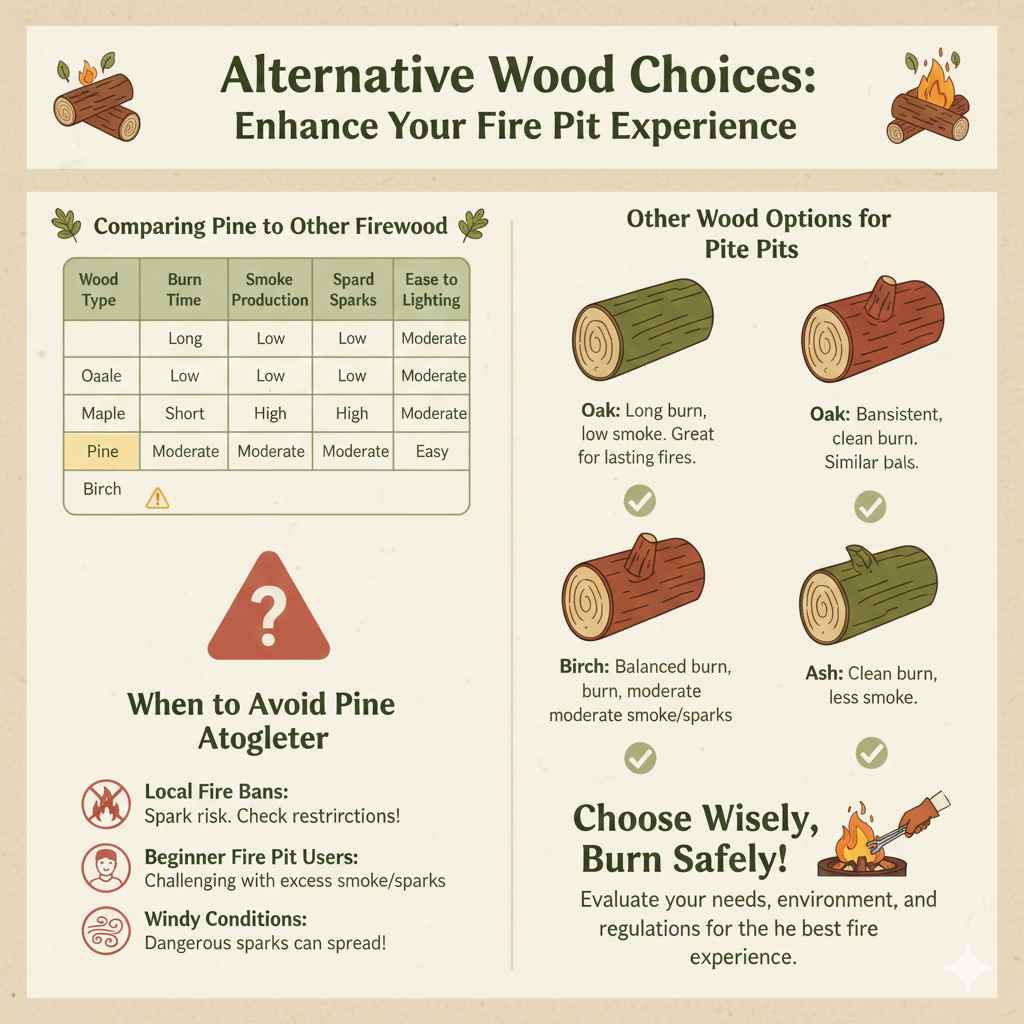
Compared to other types of firewood, pine has distinct advantages and disadvantages. Hardwoods, like oak and maple, offer a longer burn time and less smoke. Pine provides an easy light, but burns quickly, and sparks more. The best firewood choice will vary on your individual needs. Evaluate the fire experience you want. Consider factors such as burn time, smoke production, and the effort required to get the fire going. Consider all options.
| Wood Type | Burn Time | Smoke Production | Sparks | Ease of Lighting |
|---|---|---|---|---|
| Oak | Long | Low | Low | Moderate |
| Maple | Long | Low | Low | Moderate |
| Pine | Short | High | High | Easy |
| Birch | Moderate | Moderate | Moderate | Moderate |
This comparison should help you choose the best firewood for your fire pit.
Other Wood Options for Fire Pits
Besides pine, oak, and maple, other wood options exist. Birch is a good choice for people wanting a balanced burn. It provides a good heat and burns at a moderate pace. Another option is ash, which burns well and creates less smoke. Local availability and personal preference will influence your choice. Experiment to find what works best for you. Make the most of your fire pit experience.
Oak: Oak is a hardwood known for its long burn time and low smoke production.
Oak is a great choice if you want a fire that lasts.
Maple: Maple is similar to oak. It offers a long burn time and produces little smoke.
Maple provides a consistent and clean burn.
Birch: Birch burns well, and creates a moderate amount of smoke and sparks.
Birch offers a balanced fire experience.
Ash: Ash is another good option. It provides a clean burn.
Ash is a good option if you want less smoke.
When to Avoid Pine Altogether
There are instances where you should avoid pine. If you are inexperienced with fire pits, pine might not be a good option. The extra smoke and sparks can be a challenge. If local fire restrictions are in place, pine may be banned due to its spark risk. It’s often best to select a hardwood. This will make your fire pit experience safer and more enjoyable. Knowing your environment, your skill level, and any regulations is important. It will ensure you enjoy your fire pit responsibly.
Local Fire Bans: If there’s a fire ban, it usually includes pine due to the sparks.
Check for local restrictions before you start a fire.
Beginner Fire Pit Users: Pine can be challenging for beginners. The excess smoke and sparks can be hard to handle.
Consider starting with easier-to-manage hardwoods.
Windy Conditions: Avoid pine on windy days because the sparks can be dangerous.
Windy conditions increase the fire risk.
Frequently Asked Questions
Question: Is pine firewood safe to burn in a fire pit?
Answer: Yes, pine firewood can be burned in a fire pit, but it requires extra care due to its high resin content, which can cause more smoke and sparks. Proper seasoning and fire management are important.
Question: How can I reduce smoke when burning pine?
Answer: You can reduce smoke by using properly seasoned pine, ensuring good airflow in your fire pit, and avoiding overcrowding the fire with wood.
Question: What’s the best wood to use in a fire pit?
Answer: Hardwoods like oak and maple are generally considered the best choices for fire pits. They burn longer, produce less smoke, and provide more consistent heat.
Question: Can I mix pine with other woods in my fire pit?
Answer: Yes, you can mix pine with hardwoods to balance the burn. Pine can help with easy lighting, while hardwoods provide a longer burn time.
Question: What safety precautions should I take when using a fire pit?
Answer: Always clear the area around the fire pit, have a water source or fire extinguisher nearby, never leave the fire unattended, and ensure you comply with local fire regulations.
Final Thoughts
So, Can You Burn Pine Wood in a Fire Pit? Absolutely! It is a possibility, but you need to be smart about it. Pine can be a viable choice for a fire, but it’s essential to be aware of the pros and cons. We covered the important things to know, from choosing the right wood, to the safety guidelines. Knowing the differences between hardwoods and softwoods can make a difference. Always keep an eye on the safety measures and fire control techniques.
By doing this, you’ll be well-prepared to have a fantastic time around the fire pit. If you’re looking for a smooth experience, consider using a mix of woods. Have fun, be safe, and enjoy those cozy fire pit moments!