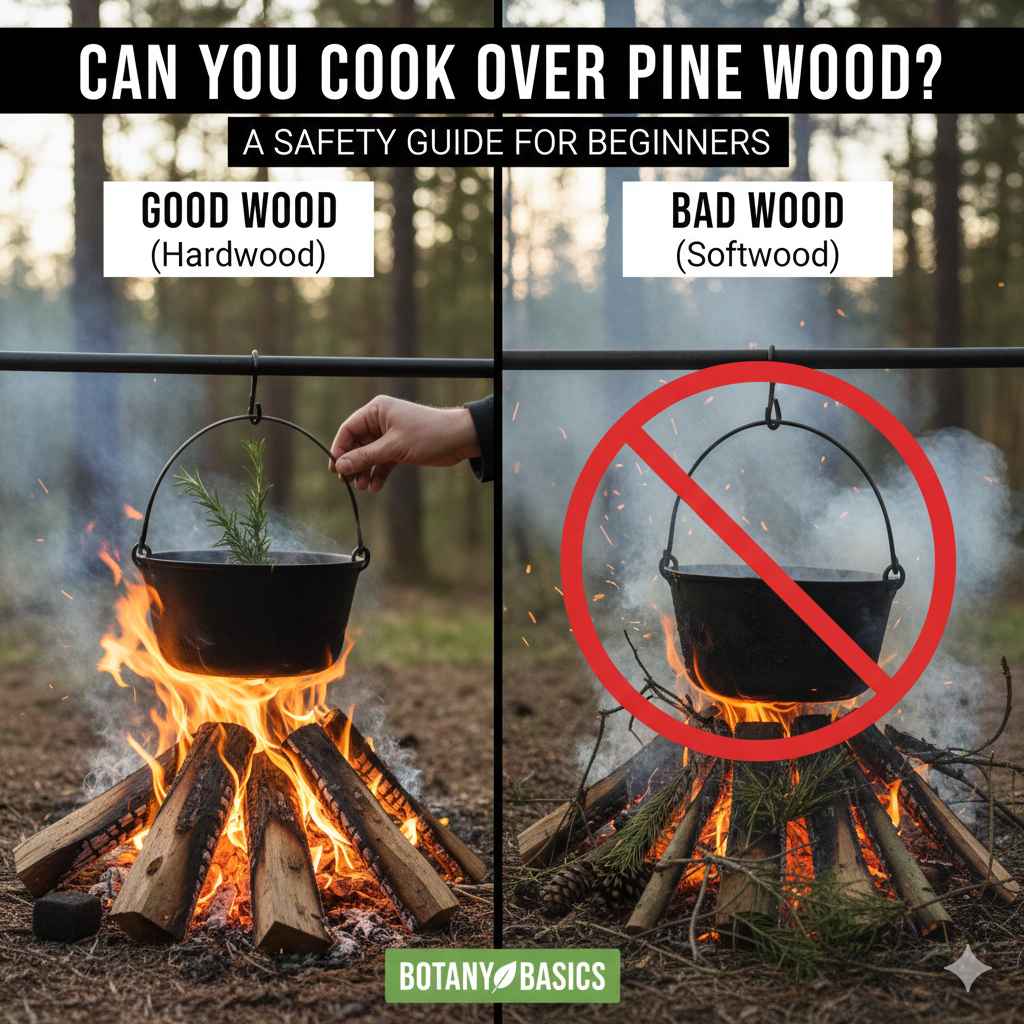
Can You Cook Over Pine Wood? A Safety Guide for Beginners
Thinking about using pine wood for cooking? It’s a question many people ask, and finding the right information can be tricky. This guide, Can You Cook Over Pine Wood? Safety Guide, is here to help you get started. We’ll explore everything you need to know, making it simple and easy to digest. Don’t worry if you’re new to this; we’ll break down the essentials in a clear, step-by-step format. Let’s explore everything, from the wood itself to your meal.
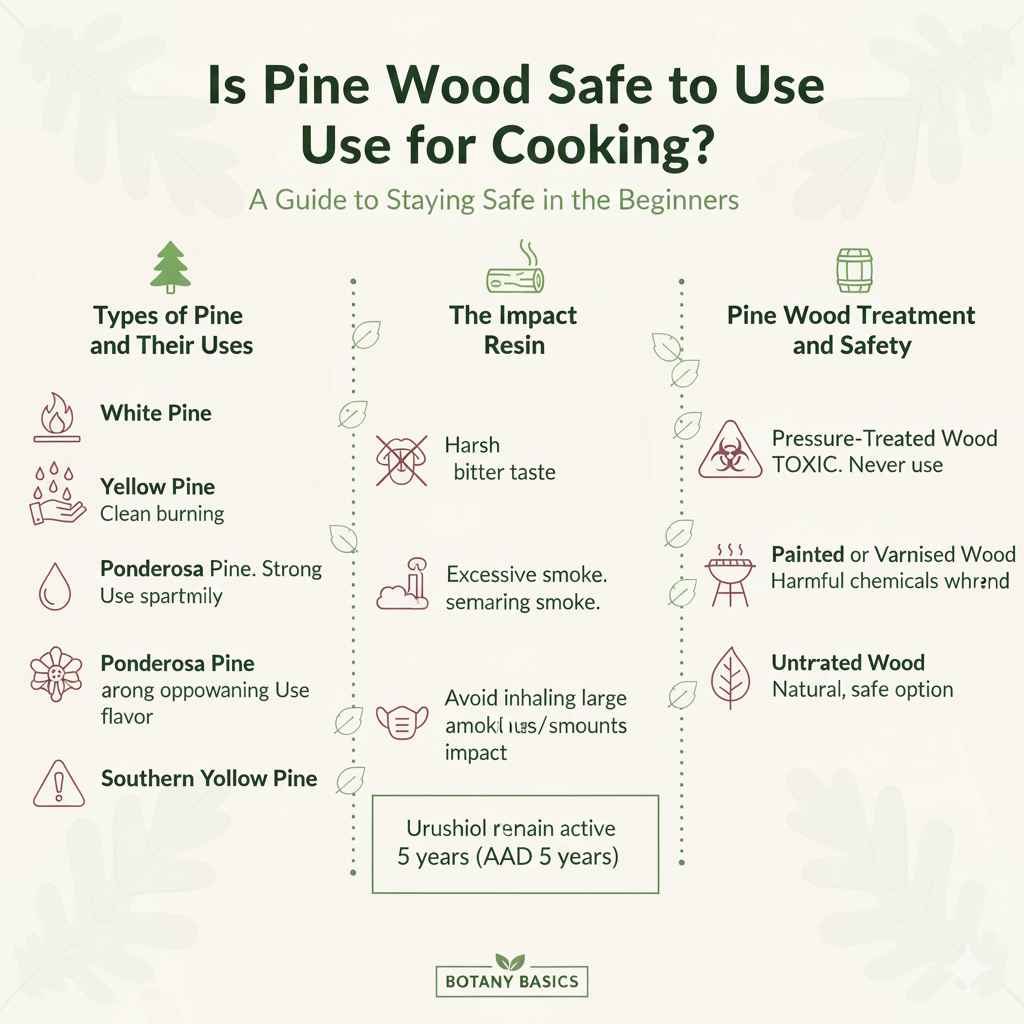
Is Pine Wood Safe to Use for Cooking?
One of the first questions people ask is: is pine safe to cook with? The answer isn’t always straightforward. Pine trees have a variety of compounds, including resin, that can affect the flavor of your food and even pose health risks. The type of pine and how it’s treated makes a big difference. Certain types of pine may work better for specific cooking methods, and you need to know about them before starting. This is why a good Can You Cook Over Pine Wood? Safety Guide is so important. We will uncover what you need to know about using pine for cooking, and whether or not it’s a good idea.
Types of Pine and Their Uses
Not all pine is the same. There are many different types of pine trees, each with unique characteristics that affect its suitability for cooking. For example, some pines have a higher resin content than others. The resin can give food an unpleasant flavor. Knowing the types of pine trees and their properties is the first step toward deciding whether or not you should cook with it. Some pines are known for their strong aroma, which may be good in small doses. Other types of pine might be ideal for smoking certain foods. Therefore, identifying the pine species is critical.
- White Pine: White pine is considered to be one of the best pine options for cooking. It has low resin content, making it less likely to impart a strong, unpleasant flavor to food. White pine burns cleanly and produces minimal smoke, which is important for preventing your food from tasting overly smoky.
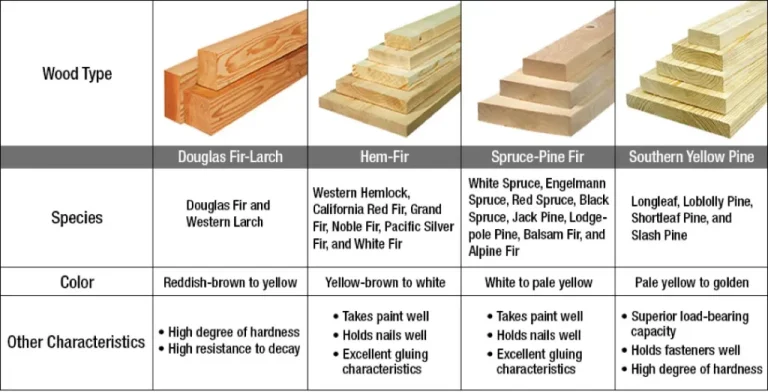
- Yellow Pine: Yellow pine, which includes species like loblolly and longleaf pine, generally has a higher resin content than white pine. This can lead to a strong, sometimes overpowering, flavor. Its resin can also cause excessive smoke and potentially affect the taste.
- Ponderosa Pine: Ponderosa pine is another type of pine that has a strong aroma and flavor. While this flavor might be useful for certain types of cooking, it’s generally best to use it sparingly, or not at all, as it can easily overwhelm the food.
- Southern Yellow Pine: Southern yellow pine is a group that consists of several types of pine, and all have a higher resin content. It is important to know if you are using any type of Southern Yellow Pine, because of the flavor it will have.
The Impact of Resin
Resin is a natural substance found in pine trees that is a major factor when considering cooking with pine. Resin provides protection for the tree against pests and damage, but its presence can be a problem in cooking. When heated, resin can create smoke and change the flavor of food. Excessive resin can make food taste bitter or give it a strong, turpentine-like taste, ruining your meal. Understanding the impact of resin is very important in the Can You Cook Over Pine Wood? Safety Guide because it helps you make informed choices about which types of pine to use and how to prepare them.
- Flavor Profile: The amount of resin directly affects the flavor of food. High-resin pine can produce a harsh taste that overpowers the natural flavors of the food.
- Smoke Production: Resin also affects the amount of smoke produced. High-resin wood burns with a lot of smoke, which can be an issue.
- Health Concerns: While small amounts of smoke from resin may not be harmful, large amounts can be concerning. It’s best to avoid inhaling excessive smoke while cooking.
- Cooking Methods: The cooking method matters. For example, smoking foods requires low heat and a small amount of wood, so the impact of the resin is reduced.
Pine Wood Treatment and Safety
Another important aspect of using pine for cooking is the treatment it has undergone. The wood may have been treated with chemicals to preserve it or protect it from pests. These treatments can be very dangerous when heated and can contaminate food. The key is to be sure the wood you use for cooking hasn’t been treated with anything dangerous. This is something every Can You Cook Over Pine Wood? Safety Guide must cover. Let’s look at the kinds of treatments that are often applied to wood.
- Pressure-Treated Wood: This wood is often treated with chemicals such as chromated copper arsenate (CCA), which is toxic. Never use pressure-treated wood for cooking.
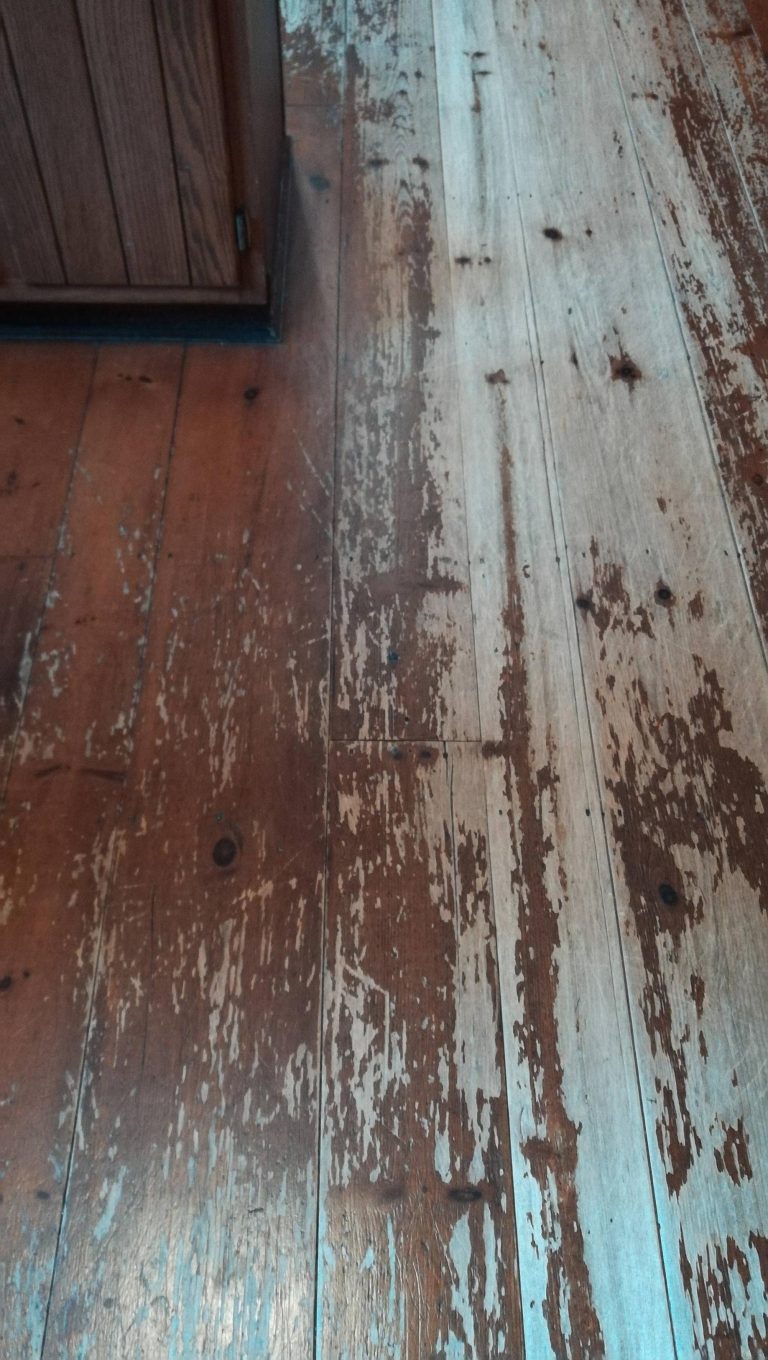
- Painted or Varnished Wood: Painted or varnished wood contains chemicals that can be harmful when burned or heated. Avoid cooking with this type of wood.
- Kiln-Dried Wood: Kiln-drying involves removing moisture from wood, but this process itself does not typically involve the use of harmful chemicals, making it a better choice.
- Untreated Wood: Untreated wood is the safest option. If you are going to use pine for cooking, it must be natural and untreated.
How to Safely Prepare and Use Pine Wood for Cooking
Once you’ve decided to use pine for cooking, the way you prepare it and use it is essential. From selecting the right wood to controlling the heat, these steps help ensure you cook safely and that your food tastes good. This aspect of the Can You Cook Over Pine Wood? Safety Guide will focus on practical techniques and tips. With the right method, you can enjoy the unique flavors that pine can bring to your food.
Selecting the Right Pine
Choosing the right pine is the first step in cooking with this wood. You must identify the kind of pine you have and confirm it hasn’t been treated with any harmful chemicals. It’s also important to make sure the wood is dry and seasoned. Proper preparation sets the foundation for a successful and safe cooking experience. Look for wood from reliable sources to guarantee the quality and safety of the wood, and confirm you know how it was prepared.
- Identify the Species: Knowing the species is the first step. White pine and other low-resin pines are generally better choices.
- Source: Get your pine from a reputable source, like a lumberyard, or a local wood supplier. Avoid wood from unknown sources.
- Check for Treatment: Make sure the wood is untreated and has not been chemically preserved. Ask the supplier about any treatments.
- Seasoning: Seasoned wood is wood that has been dried. Properly seasoned wood is important because it burns better and produces less smoke. Wood should be dried for at least six months.
Preparing the Pine Wood
Preparing the pine is as important as choosing the right type. You need to chop the wood to the right size, dry it appropriately, and store it to prevent it from getting wet. Properly prepared wood will burn more efficiently, create less smoke, and enhance your cooking results. This section of our Can You Cook Over Pine Wood? Safety Guide will provide practical instructions on wood preparation. Taking the time to prepare the wood properly will make the experience better.
- Cutting and Splitting: Cut the wood into appropriate sizes for your cooking method. Smaller pieces are suitable for smoking, while larger logs work well for grilling or open-fire cooking.
- Drying and Seasoning: Make sure the wood is properly dried and seasoned. Place the wood in a dry, well-ventilated area for at least six months, if you can.
- Storage: Keep the wood in a dry place to prevent moisture. Protect it from rain or snow.
- Checking for Dryness: Test the wood’s dryness. Dry wood will make a hollow sound when you knock two pieces together.
Cooking Methods and Pine
The cooking method can influence the suitability of pine for cooking. Some methods might work well with pine, while others might not. Smoking, grilling, and using a campfire all have different requirements. The key is to match the pine to the cooking method to achieve the desired flavor and safety. This Can You Cook Over Pine Wood? Safety Guide section will discuss the most common cooking methods and the best way to utilize them.
- Smoking: Pine can be used in small amounts to smoke foods. Using small amounts of white pine, or another low-resin pine, is advisable. Experiment with the quantity to manage the smoke and flavor.
- Grilling: You can use pine to add flavor to grilled foods. Use small pieces of wood to add a smoky touch. Make sure the food is not directly over the wood.
- Campfires: Pine can be used in campfires, but be careful because it will have more smoke. Make sure you use the appropriate type of pine and avoid cooking directly over the flame.
- Oven Cooking: Pine is generally not used in ovens. The heat and enclosed space can cause the wood to produce too much smoke.
Safety Precautions While Cooking With Pine
Safety is the most important factor when cooking. Even if you choose the best pine, using it requires caution. Smoke management, preventing flare-ups, and ensuring that you are cooking in a safe environment are all essential. Following safety precautions helps prevent accidents and ensures that your food is not only delicious, but safe to eat. This segment of the Can You Cook Over Pine Wood? Safety Guide covers the most important safety practices, so that your experience will be smooth and worry-free.
Managing Smoke and Heat
Controlling the smoke and heat is critical when cooking with pine. Excessive smoke can impact the flavor and the health of the food. Heat control is necessary to make sure the food cooks evenly without burning or being undercooked. Managing the heat and smoke involves knowing the wood, the cooking method, and the specific environment. Therefore, understanding this segment of our Can You Cook Over Pine Wood? Safety Guide is vital.
- Ventilation: Always cook in a well-ventilated area. If you’re using a grill, ensure it’s in an open space, and use the grill’s vents to control the air flow.
- Heat Control: Use a thermometer to monitor the cooking temperature. Make sure you don’t overcook or undercook the food.
- Smoke Control: If you are smoking foods, use only small amounts of wood. Regulate the air flow to control the smoke level.
- Extinguishing Flames: Keep water or a fire extinguisher nearby in case of flare-ups. Be ready to take immediate action.
Preventing Flare-Ups
Flare-ups are bursts of flames that can occur during cooking, especially with high-resin wood. They can burn your food and even cause injuries. Preventing flare-ups involves careful preparation and constant monitoring. To make sure you’re ready, you should consult this section of the Can You Cook Over Pine Wood? Safety Guide. Preventing flare-ups is key to a safe and enjoyable cooking experience. Let’s look at how to reduce the likelihood of them.
- Fat Management: Trim excess fat from foods. Fat dripping onto the fire is a common cause of flare-ups.
- Wood Placement: Place the wood properly on the grill, so that it doesn’t touch the food.
- Water Spray: Have a spray bottle with water handy to control flare-ups if they happen.
- Monitoring: Watch your grill closely while cooking, and react fast.
Safe Cooking Environment
Cooking in a safe environment is just as important as cooking with the right wood. This includes setting up your grill or fire pit in an open area, maintaining a safe distance from other objects, and being ready to respond to emergencies. A safe cooking environment will help you avoid accidents. You should learn all about it in this part of the Can You Cook Over Pine Wood? Safety Guide to ensure you can cook worry-free.
- Location: Set up your grill or fire pit on a stable, non-flammable surface, away from anything that could catch fire.
- Clearance: Maintain a safe distance from buildings, trees, and other objects. The fire should not be near any flammable materials.
- Fire Extinguisher: Keep a fire extinguisher or a bucket of water nearby in case of a fire emergency. Make sure everyone knows where it is.
- Supervision: Never leave a fire unattended. Always keep an eye on the cooking process.
Examples and Scenarios
To help you understand how to implement the advice in this Can You Cook Over Pine Wood? Safety Guide, let’s explore some real-life situations. The examples will demonstrate how to choose the right pine, what to prepare for, and how to stay safe while cooking. From practical case studies to specific scenarios, we will examine the main points in a real-world setting. This will help you implement what you’ve learned.
- Case Study 1: Smoking Salmon:
- A home chef wanted to smoke salmon, and selected white pine for its low resin content. They ensured the wood was seasoned and sourced from a reliable lumberyard. Before smoking, they soaked the wood chips for an hour. They maintained a low cooking temperature, around 225°F (107°C), to prevent flare-ups. Throughout the smoking process, they monitored the smoke levels and adjusted the wood supply to prevent the salmon from tasting overly smoky. The result? Deliciously smoked salmon, flavored by the wood’s subtle aroma. Using white pine ensured the salmon’s flavor was enhanced and not overpowered. This scenario shows how selecting the right pine and taking the right precautions results in a flavorful outcome.
- Case Study 2: Grilling Chicken:
- A family wanted to grill chicken, so they selected yellow pine because they loved the bold flavor. However, they soon discovered that the chicken had a very strong, bitter taste. They realized the wood was high in resin, which resulted in too much smoke and a bad flavor. They also saw flare-ups, which burned the chicken in spots. To fix this, they switched to white pine for future grilling sessions. They learned that the species of pine is important for the flavor profile. They also learned the importance of preparing the wood, in order to avoid flare-ups.
- Scenario 1: Using Pine for a Campfire:
- You are camping and want to add pine to your campfire. Your first step is to identify the pine species. Since you’re not cooking directly over the flames, the concern about resin is less. However, the abundance of smoke could be troublesome. You decide to use a mix of white pine and a small amount of yellow pine, carefully monitoring the fire. You maintain a safe distance from the flames, and make sure the fire is under control. This demonstrates how to use pine in a campfire environment.
- Scenario 2: Preparing Pine for Grilling:
- You plan to use pine for grilling. You select white pine and cut it into small pieces to control the amount of smoke. You make sure the wood is dry and seasoned. You set up your grill in an open area, and keep a water spray bottle nearby. As the chicken cooks, you add small portions of pine to create a light, smoky flavor, making sure it does not burn the food. This scenario illustrates a safe way to prepare and use pine while grilling.
Frequently Asked Questions
Question: Is it safe to cook with any type of pine wood?
Answer: Not all pine is safe. White pine and other low-resin pines are generally better choices. Avoid using any pine that is treated with chemicals or has a high resin content.
Question: How do I know if my pine wood has been treated with chemicals?
Answer: Always ask the supplier about the treatment. If the wood is painted, varnished, or labeled as pressure-treated, do not use it for cooking.
Question: What’s the best way to prepare pine wood for cooking?
Answer: Cut the wood to the right size, season it by drying it for at least six months, and store it in a dry place.
Question: How can I prevent flare-ups when cooking with pine?
Answer: Trim excess fat from foods, place wood properly on the grill, and have a water spray bottle ready to use.
Question: What if my food tastes like turpentine?
Answer: This means you likely used a pine with high resin content or excessive amounts of pine. Discard the food and try a different wood.
Final Thoughts
Cooking with pine can bring a unique flavor to your meals, but it is necessary to be safe and prepared. By selecting the right type of pine, preparing it correctly, and following all the safety measures in this Can You Cook Over Pine Wood? Safety Guide, you can avoid any problems. Make sure to choose white pine, or another low-resin pine. Always source your wood from a reliable supplier, and make sure it has not been chemically treated.
Remember to cook in a well-ventilated area, and keep water handy for any flare-ups. With a little care and attention, cooking with pine can be a rewarding and flavorful experience. So, gather your supplies, follow the advice, and enjoy a unique cooking experience. Happy grilling!