Can You Eat Burr Oak Acorns? Explained
Thinking about foraging for food and wondering, Can You Eat Burr Oak Acorns? Explained, that’s a common question! Many people find this topic a bit tricky at first, but don’t worry. This post breaks it down in easy steps. We’ll explore why burr oak acorns are interesting, and teach you how to prepare them safely. Get ready to learn about turning these wild nuts into something delicious!
What Are Burr Oak Acorns and Why Eat Them?
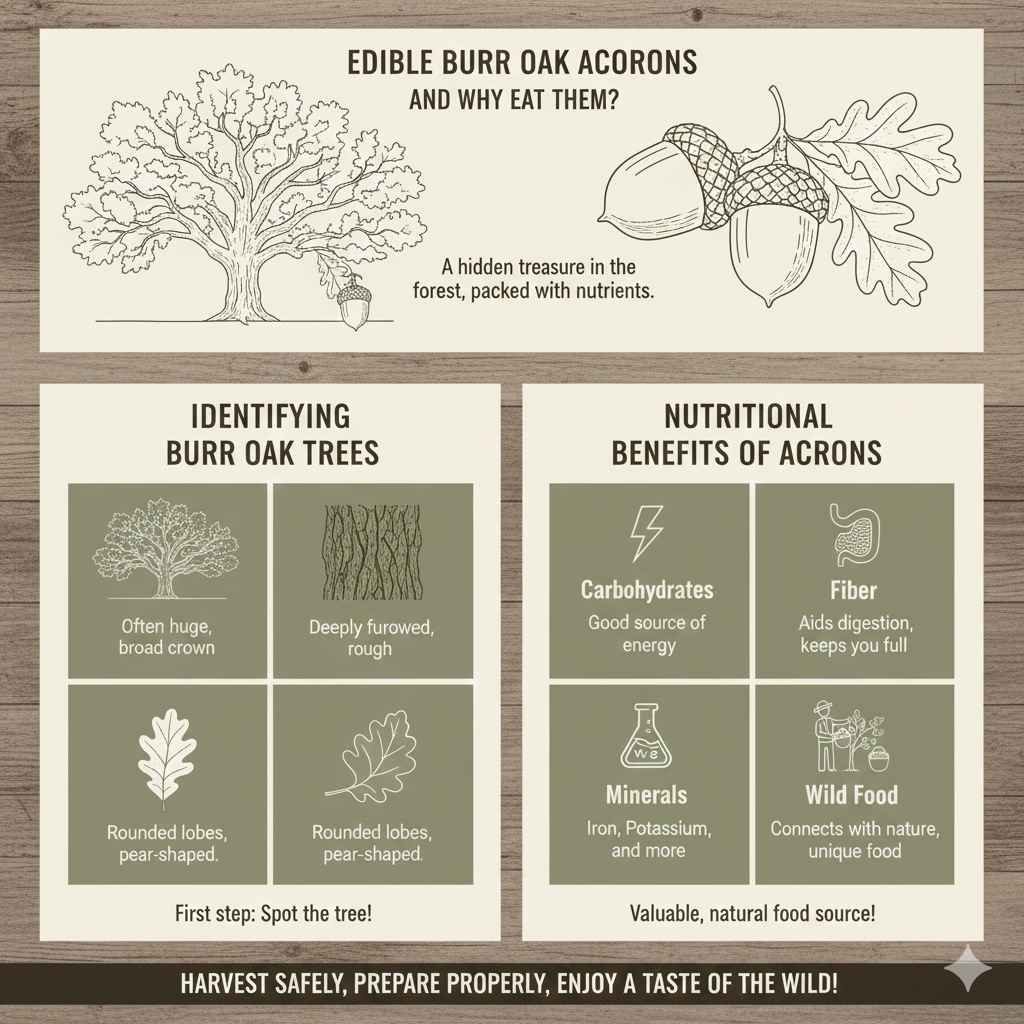
Burr oak trees are impressive giants, known for their huge acorns. These acorns are a potential food source, but they have a bit of a secret. Raw burr oak acorns contain tannins, which can taste bitter and cause tummy troubles. However, with the right preparation, you can remove these tannins and make the acorns safe and tasty. Learning to do this opens up a whole new world of wild food possibilities. It’s like finding a hidden treasure in the forest.
Identifying Burr Oak Trees
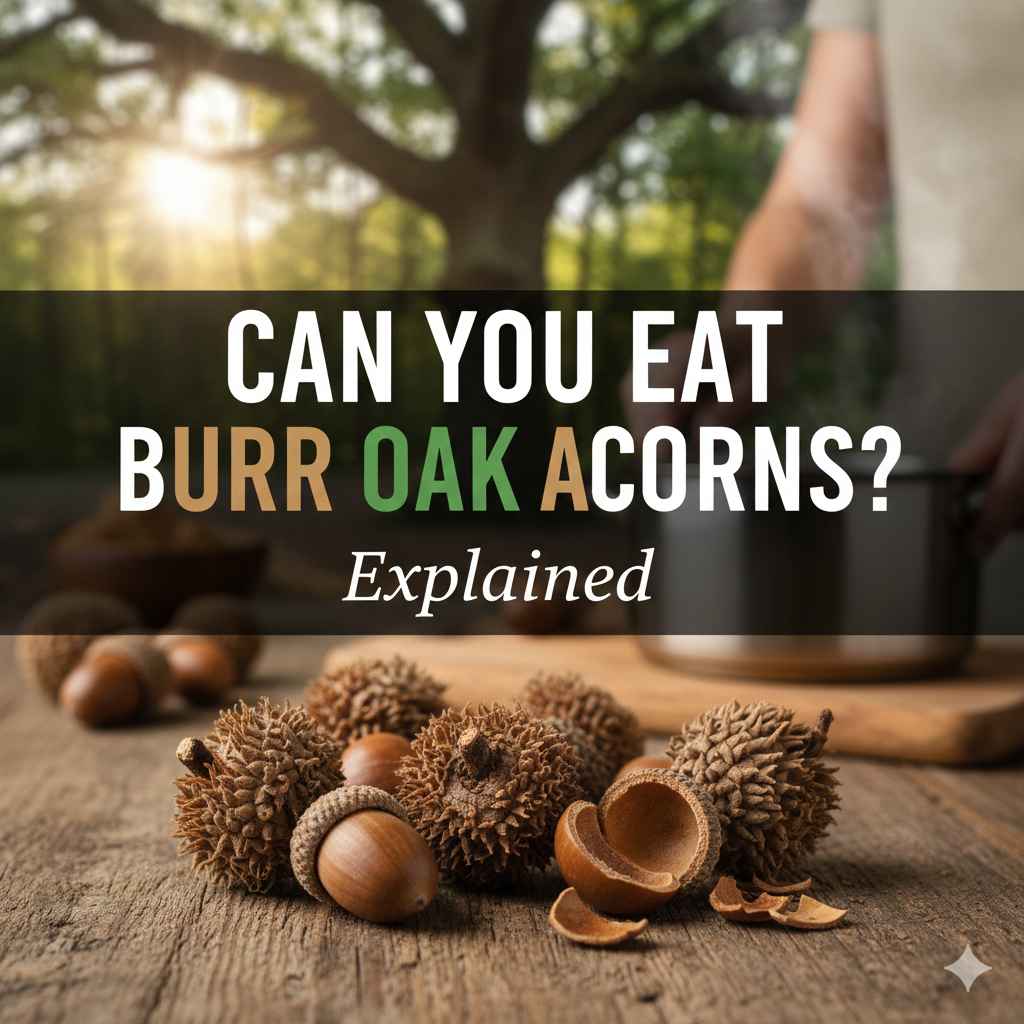
Before you even think about eating the acorns, you need to know what a burr oak tree looks like. These trees are usually quite large, with thick, furrowed bark. The leaves have rounded lobes, similar to the shape of a pear. But the most important feature is the acorn itself. Burr oak acorns are some of the largest, often reaching 1-2 inches in length. They have a distinctive, fringed cap that covers much of the nut. Being able to spot a burr oak is the first step in your acorn adventure.
- Large Size: Burr oak trees are often huge, making them easy to spot from a distance. Look for a tree with a broad, spreading crown.
- Bark Texture: The bark is deeply furrowed and has a rough texture, offering an extra clue to identification.
- Leaf Shape: The leaves have rounded lobes, which can help differentiate them from other oak species.
- Acorn Cap: The cap of a burr oak acorn is distinctive. It almost completely encases the nut and has a fringed edge.
Nutritional Benefits of Acorns
Acorns aren’t just a survival food; they’re packed with good stuff! They’re a good source of carbohydrates, providing energy. They also offer fiber, which helps with digestion. Plus, acorns contain some essential minerals, like iron and potassium. While you can’t live on acorns alone, they are a valuable food source. They offer a unique way to eat natural, untainted food. Before we get into how to prepare the acorns, it is important to understand the benefits of the acorn.
- Carbohydrates: Acorns offer a good source of energy due to their carbohydrate content.
- Fiber: The fiber helps keep you full and supports healthy digestion.
- Minerals: They contain minerals like iron and potassium, vital for various bodily functions.
- Wild Food: Gathering and preparing acorns connects you with nature and offers a unique food experience.
The Tannin Problem and How To Fix It
The biggest hurdle in eating burr oak acorns is the tannins. These are bitter-tasting compounds that can cause stomach problems like nausea or diarrhea. Luckily, tannins are water-soluble, which means you can wash them out of the acorns. This is a simple process, but it requires patience. The result is a nut that is much more palatable and safe to eat. This process has been used for hundreds of years!
Methods for Removing Tannins
There are a few ways to get rid of the tannins in acorns. The two main methods are leaching with cold water and leaching with hot water. Cold water leaching is slower but simpler. Hot water leaching is faster. The method you choose depends on how much time you have and the equipment you have available. Both methods work well, so it’s a matter of preference. Acorns are versatile, and the method you pick is all about preference.
- Cold Water Leaching: This is a slow method. You soak the acorn pieces in cold water, changing the water daily (or more often). The tannins will slowly dissolve.
- Hot Water Leaching: This is much faster. You boil the acorn pieces in water, changing the water every few minutes until the water is clear.
- Grinding: Before leaching, you’ll need to grind the acorns into coarse pieces or flour. This helps the tannins leach out more effectively.
Leaching Process: A Step-by-Step Guide
Let’s focus on the cold water leaching, since it is a little simpler. After you gather the acorns, you need to prepare them. First, you should crack open the acorns and remove the nutmeats. Then, chop or grind the nutmeats into smaller pieces or flour. This increases the surface area for the tannins to be removed. Follow these steps for the cold water method. Leaching is a simple process that will make all the difference in the final taste.
- Place the ground or chopped acorns in a container.
- Cover the acorns with cold water. Make sure there is plenty of water.
- Let the acorns soak for 1-2 days.
- Pour out the water and
- Repeat steps 3 and 4 for 1-2 weeks.
- The water should remain clear and the acorns won’t taste bitter.
Turning Acorns Into Delicious Food
Once you’ve removed the tannins, you can use the acorn flour or pieces in many ways. You can bake with them, add them to stews, or even make acorn coffee. The flavor of the acorns is mild and nutty, like a cross between a walnut and a chestnut. The possibilities are endless. There are lots of fun ways to incorporate these ingredients into your meals. After all that hard work, eating an acorn is a great feeling.
Recipes and Cooking Ideas
From simple to fancy, acorns can be a versatile ingredient. Acorn flour can replace some of the flour in your baked goods, like bread, muffins, and cookies. You can also add chopped acorns to savory dishes. If you are adventurous, then you can even make an acorn coffee. There are a lot of options when it comes to the finished product.
- Acorn Bread:
- Acorn Pancakes: Use acorn flour to make pancakes. They work great with syrup or honey.
- Acorn Stew: Add chopped, leached acorns to stews and soups for extra texture and a unique flavor.
- Acorn Coffee: Roast and grind the leached acorns to make a caffeine-free coffee alternative.
Storing and Preserving Acorns
Proper storage is important to make sure your acorns last. Once the acorns are processed, you can store the flour in an airtight container in a cool, dry place. The pieces of acorns can also be stored this way. If you live in a place where you will collect acorns year after year, then you can store the acorns for a long time. When the time comes to eat them, the acorns will be ready to go.
- Dry Storage: Ensure the acorns and acorn flour are completely dry before storing to prevent mold and spoilage.
- Airtight Containers: Store the processed acorns or flour in airtight containers to keep out moisture and pests.
- Cool, Dark Place: Keep the containers in a cool, dark place, such as a pantry or cupboard.
- Freezing: If you want to store them for a long time, freezing the leached acorns is a good choice.
Potential Hazards and Precautions
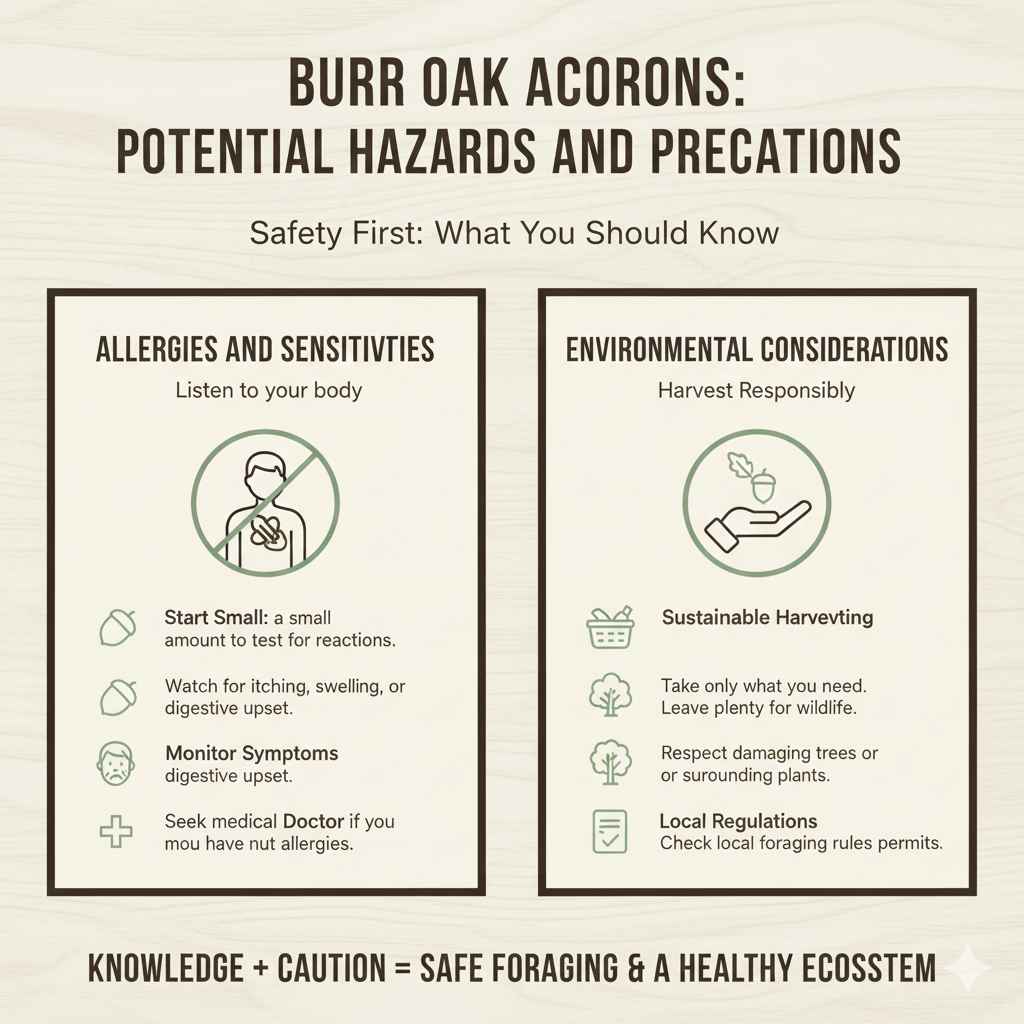
While burr oak acorns can be a good food source, there are a few things to keep in mind. Always be sure you have correctly identified the tree. Also, you have to prepare the acorns properly to remove the tannins. This will help you to avoid any issues.
Allergies and Sensitivities
Just like with any new food, some people may have sensitivities or allergies to acorns. Start with a small amount when trying acorns for the first time. If you experience any symptoms like itching, swelling, or digestive issues, stop eating them right away. If you have an allergy to nuts, then you should seek medical advice. Before introducing this food to your diet, you should exercise caution.
- Start Small: Begin by eating a small amount of processed acorns to see how your body reacts.
- Monitor Symptoms: Watch for any signs of allergic reactions, such as itching, swelling, or digestive upset.
- Consult a Doctor: If you have nut allergies, it’s best to talk to a doctor before trying acorns.
Environmental Considerations
When collecting acorns, it is important to be responsible. Always take only what you need and leave some for the wildlife and for the tree to reproduce. Make sure you know about local regulations, like whether you need a permit to forage. Respect the environment and the plants around you. Enjoy the experience responsibly.
- Sustainable Harvesting: Only collect what you need and leave plenty for the wildlife and for the trees to regenerate.
- Respect the Environment: Avoid damaging the trees or the surrounding ecosystem.
- Local Regulations: Check local rules about foraging in your area.
Frequently Asked Questions
Question: Are all acorns safe to eat?
Answer: No, not all acorns are safe to eat without proper preparation. Different types of oak trees have varying tannin levels. Improperly prepared acorns can lead to digestive issues.
Question: How can I tell if the tannins are removed?
Answer: The water should run clear during leaching. Also, the acorns should lose their bitter taste. If they are still bitter, keep leaching them.
Question: Can I eat acorns raw?
Answer: It’s not a good idea to eat acorns raw because of the high tannin content. Raw acorns can cause stomach upset.
Question: Where can I find burr oak trees?
Answer: Burr oak trees are commonly found in the Midwest and eastern United States. Look for them in open woodlands and along riverbanks.
Question: What’s the best way to grind the acorns?
Answer: You can use a food processor, a blender, or a hand grinder. Grinding the acorns into smaller pieces or flour helps remove the tannins more effectively.
Final Thoughts
So, Can You Eat Burr Oak Acorns? Explained with a clear answer: yes, you can! It is a bit of a process, but the results are delicious and worthwhile. The key is removing the tannins through leaching. You can then bake with the acorns or add them to stews. This will add flavor to your meals. Remember the importance of responsible harvesting and environmental respect. Gathering and preparing acorns offers a unique experience, connecting you to nature while providing a sustainable food source. So, next time you are out, consider the burr oak. Now you know how to turn its treasures into something good!