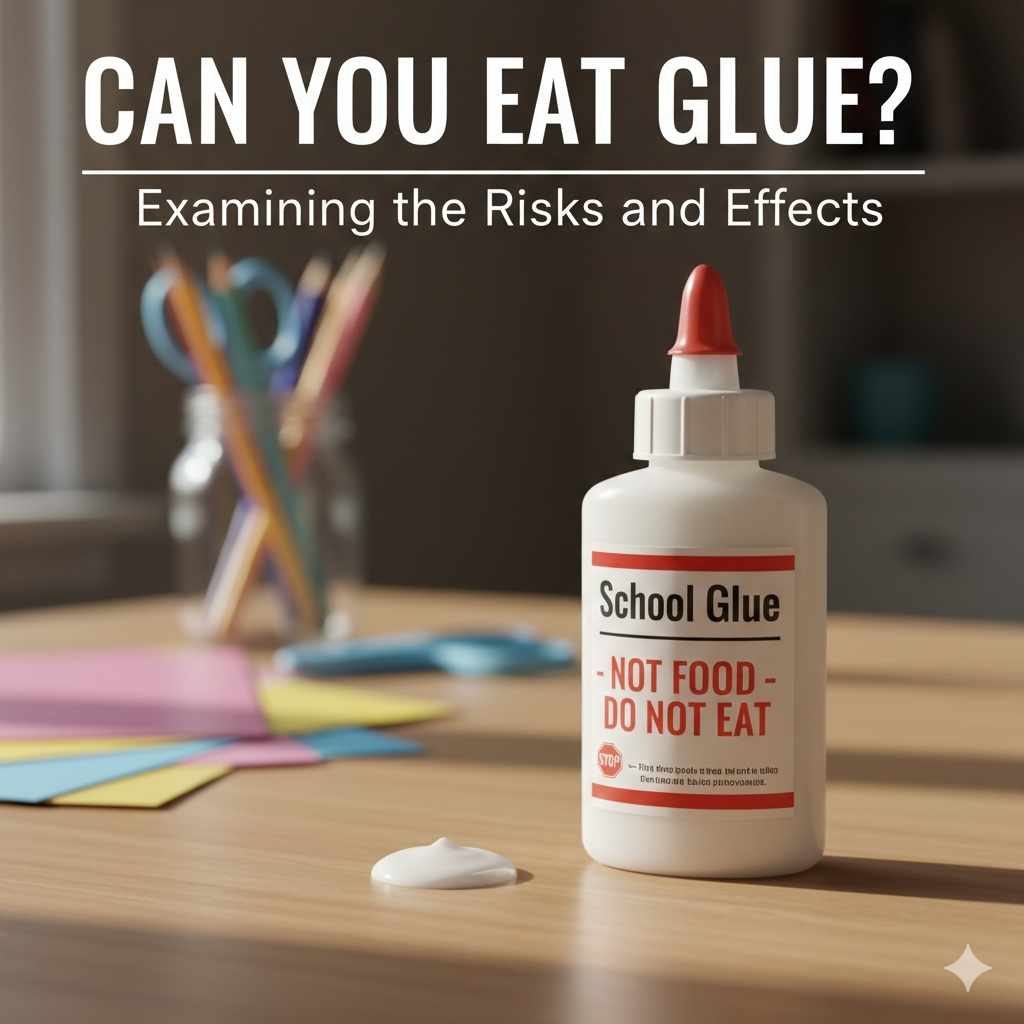
Can You Eat Glue? Examining the Risks and Effects
Thinking about whether you Can You Eat Glue? Health Risks Explained is something many people might wonder about. It’s an unusual question, but curiosity is a natural part of learning! It can seem tricky to find a clear answer because there’s so much misinformation out there. But don’t worry, we’re going to break it down simply. This post will give you the facts, step by step, so you can know exactly what to expect. Get ready to explore the risks in an easy-to-understand way.
What Is Glue Made Of and Is It Edible?
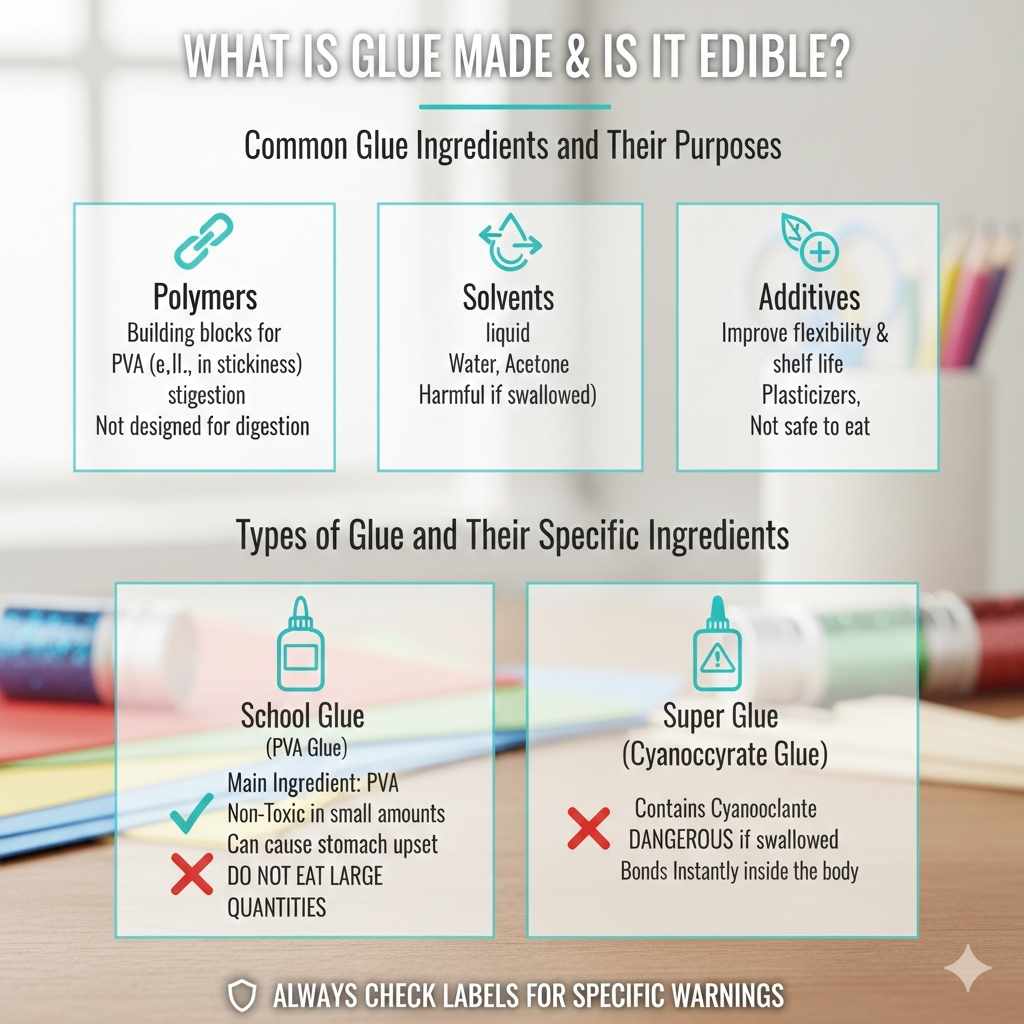
The first thing to consider when wondering “Can you eat glue” is what exactly is inside of it. Different kinds of glue have different ingredients, but they generally aren’t things you should be putting in your mouth. Common components include various chemicals, solvents, and sometimes, natural substances. These materials are combined to create strong bonds. They’re definitely not designed for digestion, so you can guess the answer here.
Common Glue Ingredients and Their Purposes
Different types of glues often have the same basic ingredients, though the exact mix varies. These ingredients each have a specific function in making glue work, but they are not intended for human consumption. Let’s look at some of the most common ones.
- Polymers: These are the “building blocks” of glue. They’re long chains of molecules that create the glue’s adhesive properties. These can include polyvinyl acetate, or PVA, which is often found in school glue.
PVA is a synthetic resin that forms a flexible, clear film when dry. It’s a key ingredient in many types of adhesive and binder products. While some PVA-based glues are considered non-toxic in small amounts, they are not meant to be eaten.
- Solvents: Solvents help to dissolve the polymers and keep the glue in a liquid state. They evaporate as the glue dries, leaving behind the solid adhesive. Common solvents include water, acetone, and mineral spirits.
Acetone is a colorless, flammable liquid commonly used as a solvent. It has a distinctive odor and is found in some glues, nail polish remover, and cleaning products. While acetone itself isn’t intended for consumption, its presence in glue adds to the reasons why eating it is not a good idea.
- Additives: Additives include things like plasticizers, thickeners, and preservatives. These materials improve the glue’s flexibility, consistency, and shelf life.
Plasticizers, like dibutyl phthalate, make the dried glue more flexible and less brittle. Preservatives keep the glue from spoiling. These additives improve the glue’s performance, but they aren’t safe to eat.
Types of Glue and Their Specific Ingredients
Various kinds of glue have different compositions, and this impacts the potential health risks. Knowing the ingredients can help you assess the danger if you are wondering, “Can you eat glue?” Here is a look at some of the common types.
- School Glue (PVA Glue): The main ingredient is usually PVA, which is considered relatively safe in small amounts. However, it can still cause stomach upset or other issues if consumed.
School glue, often white and widely used in classrooms, is typically a water-based adhesive. It is non-toxic in small doses, but consuming large quantities is not recommended. If you swallow a small amount, you probably won’t get very sick.
- Super Glue (Cyanoacrylate Glue): This glue contains cyanoacrylate, a fast-acting adhesive. It can be very dangerous if swallowed because it can stick to the insides of your body.
Cyanoacrylate is a strong, fast-acting adhesive that hardens when it comes into contact with water. It is known for its ability to bond instantly. Swallowing super glue can lead to severe health problems due to its rapid hardening inside the body.
- Epoxy Glue: Epoxy glues are made from two parts: a resin and a hardener. These are chemicals and they can be very irritating or toxic if swallowed.
Epoxy glues form strong bonds by mixing a resin and a hardener. They’re known for their resistance to water and chemicals. The resin and hardener can cause serious health issues if consumed.
Health Risks Associated With Eating Glue
Eating glue, regardless of the type, carries health risks. The severity of these risks depends on the glue’s ingredients, the amount ingested, and the person’s overall health. From a simple stomach ache to more severe issues, it’s never a good idea. Understanding “Can you eat glue” requires acknowledging the potential problems.
Short-Term Effects of Glue Consumption
When you consume glue, there can be immediate reactions. These are usually not life-threatening but can be very unpleasant. It’s important to know what could happen.
- Gastrointestinal Distress: This includes symptoms like nausea, vomiting, abdominal pain, and diarrhea. The chemicals in glue can irritate the lining of the stomach and intestines.
Gastrointestinal distress can occur when the body tries to get rid of the foreign substances present in glue. This may lead to discomfort, which can range from mild to severe, and is a clear sign that something is wrong.
- Irritation of the Mouth and Throat: Swallowing glue can cause immediate burning or stinging sensations, leading to difficulty swallowing or breathing. This happens because of the chemicals.
The strong chemicals can cause immediate discomfort. This irritation can be more severe with glues that contain stronger solvents or chemicals, making eating glue particularly dangerous.
- Allergic Reactions: Some individuals may have allergic reactions to specific ingredients in glue, such as latex or certain resins. These reactions can range from mild skin rashes to more serious symptoms.
Allergic reactions can occur, especially if someone is sensitive to the additives or polymers used in the glue. The response varies from person to person, and can cause anything from itching to difficulty breathing.
Long-Term Effects and Serious Complications
The more dangerous health effects are those that happen over time or are life threatening. These are much less common, but the risks are real and are why asking “Can you eat glue?” is very important.
- Chemical Toxicity: Repeated or large-scale consumption of glue can lead to chemical poisoning. The body struggles to process the various toxins, which can damage organs.
Chemical toxicity can damage organs like the liver and kidneys because they are responsible for filtering toxins from your body. Over time, this constant exposure can lead to chronic health issues.
- Esophageal or Intestinal Blockage: Some glues, especially super glue, can harden and cause blockages in the digestive tract. This can require medical intervention to remove.
If super glue hardens inside the body, it can create a physical obstruction that prevents the passage of food. This is an urgent medical condition that can lead to severe complications if not addressed promptly.
- Organ Damage: Prolonged exposure to the chemicals found in glue can damage vital organs, such as the liver, kidneys, and brain. The extent of the damage depends on the type and amount of glue consumed.
Long-term exposure can cause chronic health problems, due to the continuous stress on the body. This is why it is so important to avoid eating glue.
What Happens If You Swallow Glue?
The effects of swallowing glue vary, but the main thing to remember is that it’s usually not a good outcome. The specific consequences hinge on what kind of glue, and how much was swallowed, so the most important thing is to be informed.
Immediate Actions to Take
If you or someone you know swallows glue, immediate action is necessary. The response depends on how much glue was eaten and the type of glue, but these actions are very important.
- Assess the Situation: Determine what kind of glue was swallowed and the approximate amount. Note any symptoms the person is experiencing, like difficulty breathing or swallowing.
Gathering as much information as possible helps medical professionals to assess the risk and determine what treatment will be needed. Providing details about the type of glue and the amount consumed is important.
- Contact Emergency Services: If the person is having difficulty breathing, has severe pain, or you are unsure of the situation, call emergency services immediately.
When the person’s health is at risk, it is important to act quickly. Medical professionals can provide immediate care and advice, ensuring the person gets the help that they need.
- Do Not Induce Vomiting: Unless specifically instructed by a medical professional, do not attempt to induce vomiting. Some glues can cause more harm if they are brought back up.
Vomiting can cause the chemicals to come into contact with the mouth and throat a second time. This can make the problems worse, so it is important to seek medical advice first.
Medical Treatments and Interventions
In cases of glue ingestion, medical professionals may use different treatments depending on the severity of the situation. Being aware of the possible interventions is important for knowing the best course of action.
- Observation: In minor cases, the person might be observed to check for any worsening symptoms. This may include monitoring vital signs and checking the digestive system.
If symptoms are mild and the person is stable, medical professionals may simply observe and monitor the person for any further reactions. This is a common and appropriate step in such cases.
- Activated Charcoal: Activated charcoal can be given to absorb some of the toxins in the digestive system. This can reduce the amount of harmful substances that the body absorbs.
Activated charcoal works by binding to the toxins in the stomach and preventing their absorption into the bloodstream. This reduces the risk of further complications.
- Endoscopy: In more serious cases, an endoscopy may be required to examine the digestive tract for blockages or damage. This allows doctors to directly see and possibly remove any glue.
An endoscopy uses a thin tube with a camera to view the inside of the body. This is crucial for evaluating and treating severe cases.
Preventing Glue Ingestion and Ensuring Safety
The best way to prevent the health risks of eating glue is to avoid it altogether. It’s important to take simple steps to ensure that children and adults alike aren’t accidentally or intentionally exposed to these substances. This can help to remove the need to wonder “Can you eat glue?”.
Storing Glue Safely
The way glue is stored can drastically reduce the risk of accidental ingestion. Following some best practices can help keep everyone safe.
- Keep Glue Out of Reach: Store glue in a secure place away from children and pets. This might include high shelves, locked cabinets, or areas that are not easily accessible.
Making sure that glue is stored in a spot that kids can’t get to easily can prevent the risk of accidental ingestion. The fewer ways someone has of touching the glue, the better!
- Label and Identify Properly: Always keep glue in its original container with clear labels. Never transfer glue to food containers or any other containers that could be confusing.
Clear labeling helps prevent accidental ingestion, especially in situations where it might be mistaken for food or drink. It also helps with the right kind of treatment in case of accidental ingestion.
- Proper Disposal: Dispose of old or unusable glue properly, following any specific instructions on the label. This prevents potential exposure to unwanted substances.
Proper disposal is an important way to make sure that the glue doesn’t end up in the wrong hands, reducing the potential for health hazards, especially in the home or school.
Educating Children and Adults
Raising awareness and providing education about the dangers of glue can help prevent ingestion. Talking to everyone about the risks is an essential way of promoting safety.
- Teach Children About the Dangers: Explain to kids that glue is not food and that they should never put it in their mouths. Use simple, age-appropriate language.
Starting the conversation early with children is an important step to ensure that they are aware of the risks. Keep the explanations simple, so that they’re easy to understand.
- Supervise Activities: Always supervise activities involving glue, especially with young children. This will help them avoid putting the glue in their mouths.
Direct supervision is crucial when handling glue. Being present and aware can help you prevent accidental ingestion, and allows you to respond immediately if it does happen.
- Provide Clear Instructions: When using glue for projects, provide clear instructions and guidelines. Make sure everyone understands how to use it safely and what to do if there are any accidents.
Giving clear instructions is important so that everyone understands how to handle the glue safely. This includes explaining what to do if it gets on their skin or if they accidentally swallow some.
Myths and Facts About Eating Glue
There are many myths and old wives’ tales related to eating glue. These stories can create confusion, so it is important to separate fact from fiction. Getting reliable information helps everyone make informed decisions, so you can know if “Can you eat glue?” is even a question in your life.
Common Myths Debunked
Many myths surround the consumption of glue, often based on misunderstanding. Here are a few examples.
- Myth: “School glue is safe to eat in small amounts.”
Fact: While some school glues may be considered less toxic than others, they are still not meant to be eaten. Even in small amounts, it can cause stomach upset or other issues.
- Myth: “Eating glue can cure stomach problems.”
Fact: This is completely false. Glue contains chemicals and additives that can irritate the stomach lining. Eating glue can actually cause stomach problems, not cure them.
- Myth: “Super glue is harmless once it dries.”
Fact: Super glue can still be very dangerous. It can cause blockages in the digestive system if swallowed. Even in its dried state, it is not safe for internal consumption.
The Realities of Glue Consumption
The truth about eating glue is very different from the myths, and it’s important to understand the actual risks.
- Glue Is Not Food: Glue is designed for bonding materials, not for consumption. It contains chemicals that are not meant to be ingested.
Glue’s ingredients are chosen for their adhesive properties, not their nutritional value or safety for human consumption. Glue is not designed to be eaten.
- Health Risks Vary: The risks depend on the type and amount of glue consumed, and on the person’s overall health.
Eating any amount of glue can create health issues, and it’s essential to understand the potential consequences. The type of glue, how much is consumed, and the person’s health all play a part.
- Seek Medical Advice: If you or someone you know has swallowed glue, it’s always best to seek medical advice immediately.
Do not hesitate to seek medical help if someone has swallowed glue. Medical professionals can provide advice and, if needed, treatment to minimize potential harm.
Alternatives to Glue and Safer Options
There are many situations where glue is not really needed, or where safer choices can be found. Exploring these can help reduce the possibility of exposure to the potential hazards associated with it, and help you realize, “Can you eat glue?” isn’t a situation you need to face.
Safer Adhesives for Crafts and Projects
When you’re doing a craft project, there are alternatives that are less harmful.
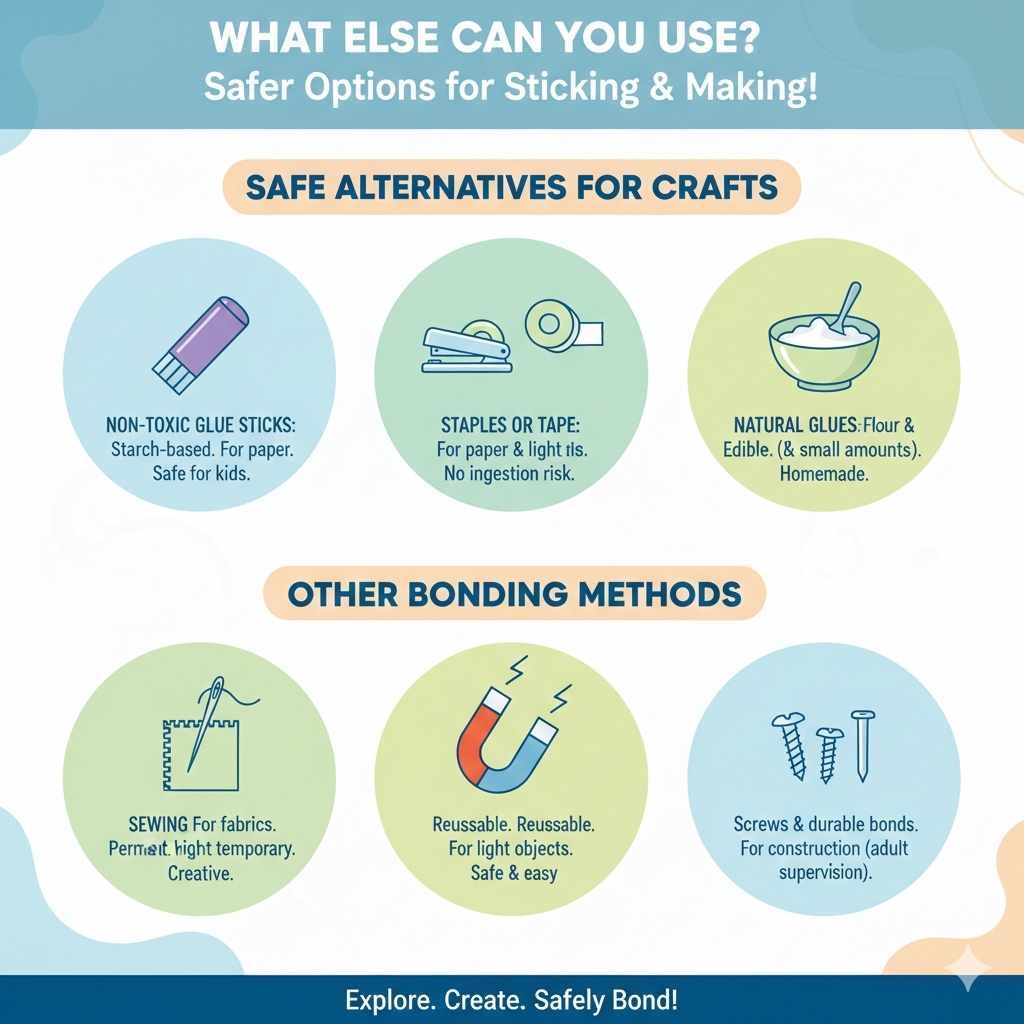
- Non-Toxic Glue Sticks: These are a good option for paper and light materials. They are usually made from starch or other safe ingredients.
Non-toxic glue sticks are safe because they use ingredients that are considered less hazardous. This is a simple switch that can help keep kids safe while crafting.
- Staples or Tape: For some projects, using staples or tape can be a safer alternative to glue. They’re good for holding paper and other light materials together.
If you’re attaching papers or other light materials, staples and tape can do the trick without the risk of accidentally eating glue. This makes them a great option for kids’ projects.
- Natural Glues: Some natural glues are made from food-based ingredients, such as flour and water. These are generally safer if accidentally ingested in small amounts.
Using flour and water to make glue can be a safe way to create a binding agent at home. Always make sure to supervise children while they are making or using this type of glue.
Other Bonding Methods
There are alternative ways to bond materials that are not only glue.
- Sewing: Sewing is a great choice for fabrics. You can create permanent or temporary bonds.
Sewing is great for binding fabrics, and it removes the need for adhesive agents. Plus, it’s great for creativity.
- Magnets: Magnets can hold light materials together, and they are reusable.
Magnets are safe, easy to use, and a great alternative for holding things together. They can be found in many shapes and sizes, making them perfect for different projects.
- Mechanical Fasteners: Screws, nails, and bolts can hold materials together without the need for glue. They’re great for construction.
Mechanical fasteners are a more durable option for strong bonds. These should be handled by adults or under very close supervision.
Frequently Asked Questions
Question: Is school glue poisonous?
Answer: School glue is generally considered non-toxic in small amounts. However, it’s not meant to be eaten and can cause stomach upset if swallowed.
Question: What should I do if my child eats glue?
Answer: Contact your doctor or the Poison Control Center immediately. They can give you guidance and advice on what to do.
Question: Can you die from eating glue?
Answer: It’s unlikely that eating a small amount of school glue will be fatal. However, some types of glue can cause serious harm, and in large quantities, any glue can be dangerous.
Question: Does glue dissolve in your stomach?
Answer: No, glue does not readily dissolve in the stomach. Some components may break down partially, but others, like polymers, can remain and cause issues.
Question: Can glue cause long-term health problems?
Answer: Yes, eating glue over a long period can lead to chemical toxicity and organ damage. It’s best to avoid consuming glue entirely.
Final Thoughts
In short, the answer to the question “Can You Eat Glue? Health Risks Explained” is a definitive no. Glue is made with chemicals not for the human body, and consumption can lead to negative health effects. From simple stomach discomfort to more severe issues like organ damage, the risks outweigh any perceived benefits. Safe storage, clear education, and exploring alternative bonding methods are key to preventing exposure and keeping everyone safe. Remember, if someone has ingested glue, immediate medical attention is essential. Stay informed, stay cautious, and always prioritize safety in your daily activities.