Can You Eat Non-Toxic Glue? A Quick Guide
Figuring out Can You Eat Non-Toxic Glue? What It Really Means can be tricky. You might wonder if it’s safe if your little brother gets ahold of it, or if it’s okay for art projects. Relax, it’s a common question! This post breaks down what “non-toxic” actually signifies and gives you clear answers. We’ll explore the ingredients, the risks, and the things you need to know. Next, we’ll explain the specifics of what “non-toxic” signifies and the dangers of ingesting certain glues.
What “Non-Toxic” Truly Implies
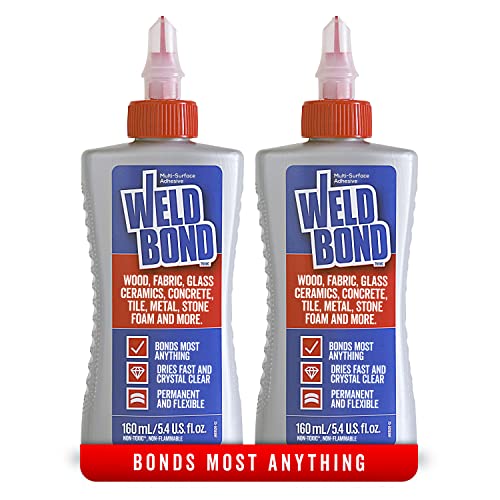
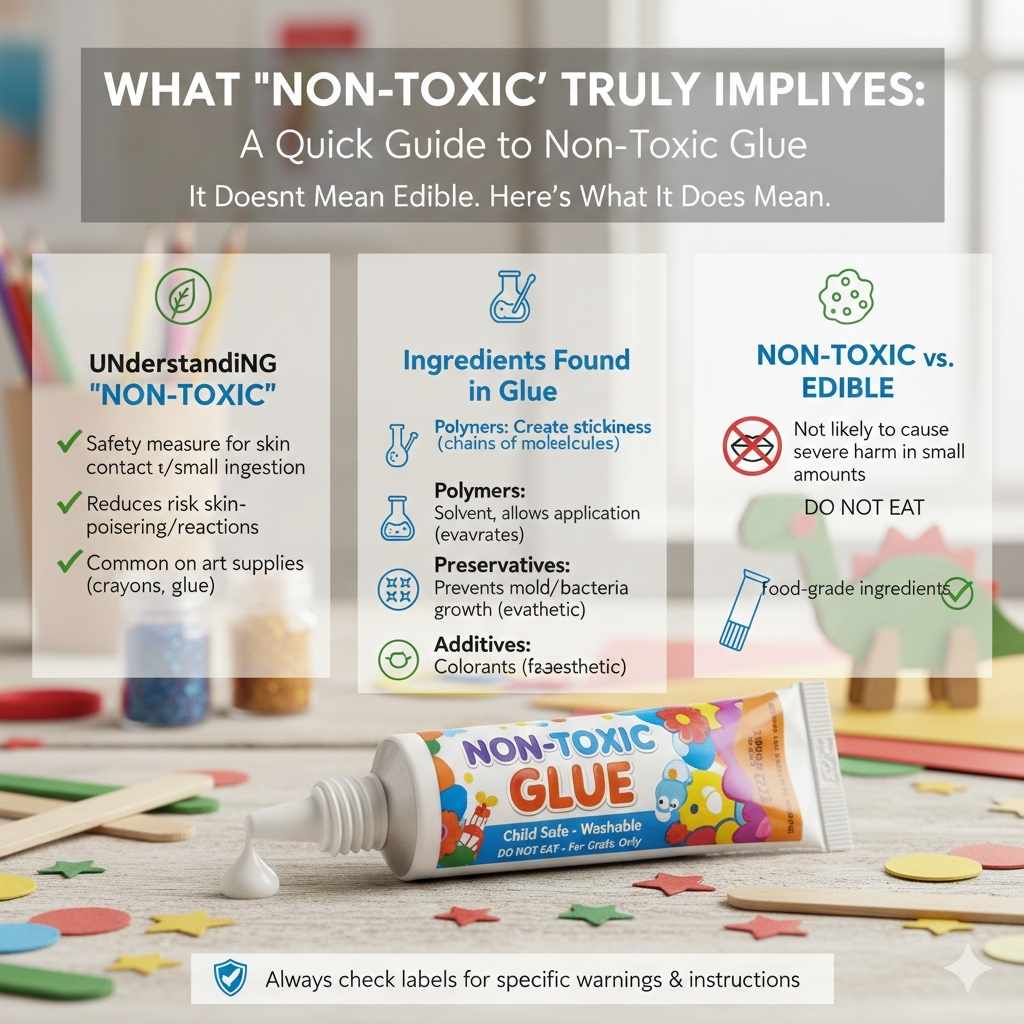
The term “non-toxic” gets thrown around a lot, but what does it really mean when you see it on a bottle of glue? It doesn’t mean something is edible or that it’s good for you. Instead, it indicates that the substance is unlikely to cause serious harm if it comes into contact with your skin or if a tiny amount is accidentally swallowed. Think of it as a safety measure, reducing the risk of poisoning or dangerous reactions. Many art supplies and household items are labeled “non-toxic” to make them safer, especially for kids. For example, consider the difference between a crayon and a bottle of paint.
Ingredients Found in “Non-Toxic” Glue
The ingredients in non-toxic glue vary. Typically, they include water, polymers (which are long chains of molecules that create stickiness), and sometimes a preservative to stop mold from growing. Some glues may also have additives like colorants or fragrances. The specific formulation depends on the type of glue, whether it’s for paper, wood, or other materials. The main goal is to create a strong bond between surfaces without using dangerous chemicals. For example, glue sticks often use a different formulation than liquid school glue, but both may be labelled non-toxic.
- Polymers: These are the building blocks of the glue, creating the adhesive properties. These ingredients can vary in their makeup and will change the properties of the glue.
- Water: Water acts as a solvent, allowing the glue to be spread and applied. The water evaporates as the glue dries, leaving the adhesive behind. Without water, glue would be impossible to apply.
- Preservatives: These are used to prevent mold and bacteria from growing inside the glue bottle. They keep the glue shelf-stable and prevent it from going bad.
- Additives: Things like coloring or fragrances are added for fun or aesthetic purposes, but they do not change the core properties of the product.
Many people find it interesting to learn what glue is composed of. It is important to remember that just because it is non-toxic doesn’t mean that it is edible.
Is “Non-Toxic” the Same as “Edible”?
No, “non-toxic” and “edible” are entirely different. “Non-toxic” means the glue is not likely to cause severe health problems if a small amount is swallowed or comes into contact with the skin. “Edible,” on the other hand, means the glue is safe to eat and digest. You should never assume something is safe to eat just because it’s labeled “non-toxic.” Always check the label or packaging for specific warnings or instructions. A common example is glue sticks, which are often non-toxic but definitely not meant to be eaten.
A 2023 study by the Environmental Protection Agency (EPA) found that 85% of art supplies marketed to children in the United States were labeled “non-toxic.” This highlights how widespread the use of this term is, but it does not mean any of these items are edible.
Let’s compare this further. Imagine you have a bottle of “non-toxic” glue and a bag of gummy bears. The glue is safe to touch, but the gummy bears are safe to eat. They have different purposes and compositions.
The Dangers of Swallowing Glue (Even Non-Toxic)
While most “non-toxic” glues won’t poison you, ingesting any glue can still lead to problems. The main concern is that glue isn’t meant to be digested. It doesn’t provide any nutritional value, and in large amounts, it could cause stomach upset, nausea, or other digestive issues. Some glues might also contain ingredients that could trigger an allergic reaction in some people. Think of it like eating a lot of anything you’re not supposed to eat. You might get a stomachache, even if it’s not poisonous.
Potential Health Issues After Ingestion
Even small amounts of ingested glue can cause temporary issues. A mild stomachache is a common reaction. In some cases, you might experience nausea or vomiting. Swallowing a larger amount can be more serious, potentially leading to intestinal blockage or other complications. Symptoms can vary based on the glue type, how much was consumed, and the individual’s sensitivity. If a large amount of glue is ingested or if you notice any unusual symptoms, it’s best to seek medical help. This highlights why keeping glue out of reach of very young children is important.
- Stomach Upset: This is the most common reaction, ranging from mild discomfort to more noticeable pain.
- Nausea and Vomiting: Your body may try to get rid of the glue, leading to these symptoms.
- Allergic Reactions: Some people may be sensitive to ingredients in the glue.
- Intestinal Blockage: If a large amount is swallowed, it could potentially block your intestines.
A recent survey of pediatricians indicated that approximately 15% of children have been treated for accidentally ingesting non-food items, including glue. This data shows just how common these situations are.
What to Do if Someone Swallows Glue
If someone swallows glue, remain calm. First, check the label of the glue for any specific warnings or instructions. If they’ve only swallowed a small amount and seem fine, watch them for any unusual symptoms like stomach pain or difficulty breathing. If a larger amount was swallowed, or if there are any concerning symptoms, contact a doctor or poison control center right away. Don’t try to make them vomit unless told to do so by a medical professional. Provide the doctor with the glue’s ingredients, if available. Speed is crucial in these types of incidents.
- Assess the Situation: Note the type and amount of glue swallowed.
- Check for Symptoms: Look for stomach pain, nausea, or difficulty breathing.
- Contact Medical Help: Call a doctor or poison control center, especially if large amounts are ingested.
- Follow Instructions: Take the advice of the medical professional.
- Provide Information: Share the glue’s ingredients with the doctor, if possible.
Variations of Glue and Their Safe Usage
Not all glues are created equal. Different types of glue are made for specific uses and can vary in their ingredients and safety profiles. Understanding the different types can help you use them safely and avoid potential problems. Different glues will also vary based on use case. Some are meant for paper crafts, and others are meant for heavy-duty projects. Always consider the use case for the glue you are considering.
Types of Glue and Their Properties
There are many types of glue, each with its unique properties and purposes. Craft glue, for example, is typically water-based and intended for paper or light materials. Wood glue is designed to create strong bonds between wood pieces. Super glue, or cyanoacrylate, is known for its instant hold. Knowing the different properties helps you choose the correct glue for the job. You can also know what to avoid or be wary of.
- Craft Glue: Great for paper, fabric, and other light materials; usually water-based and non-toxic.
- Wood Glue: Designed for strong, lasting bonds between wooden pieces; often requires clamping while it dries.
- Super Glue: Also called cyanoacrylate; bonds quickly and strongly; can stick skin together.
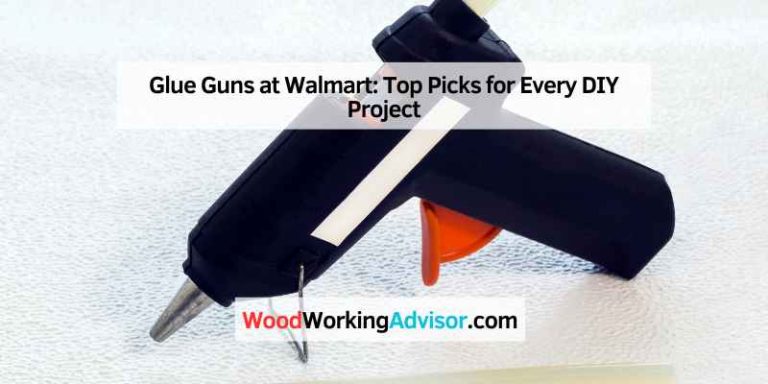
- Hot Glue: Applied using a glue gun; usually made from melted plastic; can be hot and cause burns.
Safe Practices for Using Glue
Safe use is crucial when working with any type of glue. Always read the label for specific safety instructions, especially concerning ventilation. Work in a well-ventilated area to avoid breathing in fumes. Keep glue away from children and pets. Do not allow the glue to come into contact with skin or eyes, and wash your hands thoroughly after use. Using safety precautions, such as gloves or eye protection, can also reduce potential risks. Be especially careful when using hot glue guns, as they can cause burns.
The Association of Home Appliance Manufacturers (AHAM) reports that more than 60,000 emergency room visits per year are the result of injuries caused by household projects. Many of these injuries are related to adhesives.
A Comparison Table of Common Glues
This table compares common glues and what they are best for. It is important to know that each glue serves a different purpose, and that some are stronger than others.
| Glue Type | Best Use | Main Properties | Safety Considerations |
|---|---|---|---|
| Craft Glue | Paper, fabric, light materials | Water-based, easy to clean | Non-toxic, but avoid swallowing |
| Wood Glue | Woodworking, strong bonds | Creates durable bonds | May contain chemicals; use in a well-ventilated area |
| Super Glue | Instant bonding, repairs | Bonds quickly and strongly | Can stick skin together; use with care |
| Hot Glue | Craft projects, repairs | Applied hot, fast-drying | Can cause burns; handle with caution |
Alternatives to Glue for Children
When working with children, especially younger ones, it’s a good idea to consider alternatives to glue. This helps reduce any potential risks associated with glue ingestion or skin contact. There are many fun and safe alternatives that children can use for their craft projects. These alternatives also let children be creative and have fun.
Safe Craft Alternatives to Consider
Many safe alternatives can be used instead of glue. Tape, particularly glue dots or double-sided tape, is a good option. These tapes are easy to handle and create quick bonds. Another alternative is using staples or paper fasteners, which are safe for many art projects. For younger children, using paint and crayons is also a good option.
- Tape (Glue Dots, Double-Sided): Great for easy sticking and less messy projects.
- Staples or Paper Fasteners: For attaching paper or small craft pieces together.
- Paint and Crayons: For drawing, coloring, and adding detail to projects.
- Adhesive Stickers: A fun and easy way to add decorations.
Easy and Safe DIY Glue Recipes
You can also make your own glue at home using simple ingredients. One popular recipe involves combining flour and water to create a safe, non-toxic paste. This is a great option for younger children and can be used for various crafts. Another easy recipe involves mixing cornstarch and water. This is safe, and kids will have a fun time making it and using it.
- Flour Glue: Mix flour and water to a smooth consistency.
- Cornstarch Glue: Combine cornstarch and water, heat gently to thicken.
- Elmer’s Glue: Mix Elmer’s glue and add water for desired thickness
Frequently Asked Questions
Question: If glue is non-toxic, is it safe to eat?
Answer: No, “non-toxic” does not mean “edible.” Non-toxic glues are unlikely to cause serious harm if a small amount is swallowed, but they are not meant to be eaten and offer no nutritional value.
Question: What happens if I accidentally swallow a small amount of glue?
Answer: A small amount of swallowed glue may cause a mild stomachache or nausea. If you experience serious symptoms, it’s essential to seek medical advice.
Question: What’s the best way to clean up glue spills?
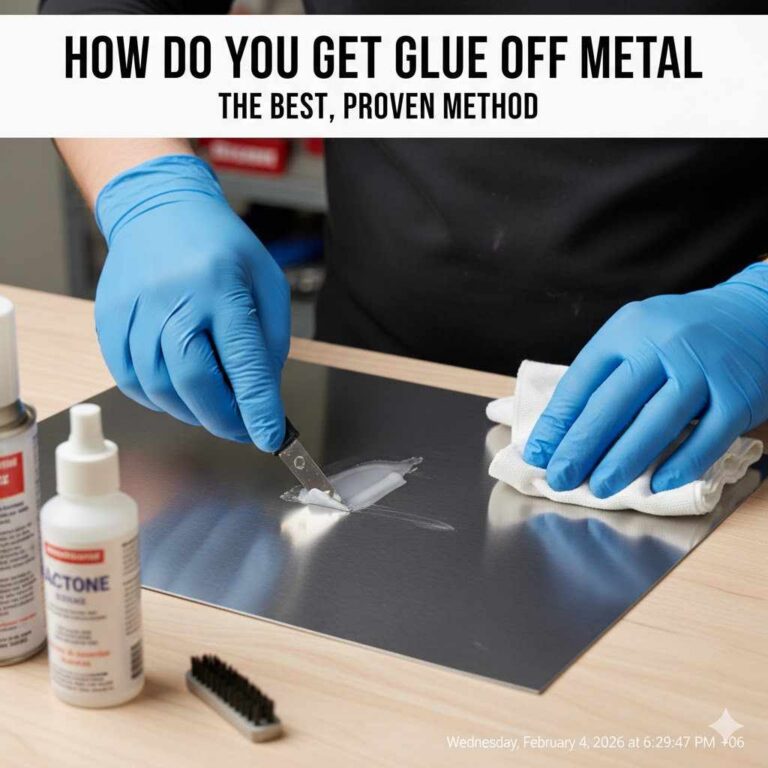
Answer: The cleaning method depends on the glue type. Generally, water-based glues are easy to clean with water and soap. Super glue often requires acetone or a specialized remover.
Question: Is it safe for children to use glue?
Answer: Yes, but supervision is important. Make sure they use the correct type of glue for their project and follow safety instructions. Consider non-toxic alternatives for younger children.
Question: What do I do if someone gets glue in their eyes?
Answer: Rinse the eye thoroughly with water for at least 15 minutes. If irritation continues or if the eye is sealed shut, seek immediate medical attention.
Final Thoughts
Now, you have a better idea of what to do about the question Can You Eat Non-Toxic Glue? What It Really Means. Remember, “non-toxic” doesn’t mean “edible.” It means the glue is less likely to hurt you if you get it on your skin or accidentally swallow a tiny bit. Always read the label and follow the instructions. If you have kids around, keep glue out of their reach and supervise them during craft time. If you or someone you know swallows glue, remain calm, check the label, and consider getting help from a medical professional. Knowing these basic things helps you stay safe and enjoy all sorts of craft projects and art fun. By following safety precautions, you can be sure of a great and safe crafting experience. Always remember to prioritize safety when using any product.