Can You Dissolve Super Glue? Here Is What Actually Works by Surface
Yes, super glue can be dissolved — but the solvent that works depends entirely on what it’s stuck to. Cyanoacrylate (the chemical name for super glue) forms a rigid polymer chain when it cures, and a handful of common solvents can break that chain back apart. The catch: the same solvent that lifts dried glue off a glass tabletop in seconds can strip the finish off a stained end table just as fast. Get the surface wrong and you’ll trade a glue spot for a bigger repair. Here’s how to pick the right method for skin, wood, fabric, and hard surfaces without causing more damage than the glue did.
So, What Actually Dissolves Super Glue?
Acetone is the most reliable household solvent for dissolving cured cyanoacrylate. It breaks down the glue’s polymer chains, softening a fresh bond in as little as 30–60 seconds and a fully cured spot in 3–5 minutes of repeated dabbing. Pure acetone — not diluted “moisturizing” nail polish remover — works fastest, but it’s also aggressive enough to haze acrylic, cloud polycarbonate, and strip finished wood. On glass, metal, ceramic, and bare unfinished wood, it’s close to foolproof.
Best Acetone Pick for Dissolving Cured Glue
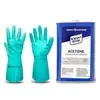 |
Klean Strip Premium Industrial-Grade Acetone – $9 Pure, fast-evaporating acetone that dissolves cured cyanoacrylate on glass, metal, and unfinished wood — ships with a pair of gloves.
|
If the glue is on a surface acetone shouldn’t touch, skip ahead to the surface-by-surface breakdown below before you reach for it.
Why the Surface Matters More Than the Solvent
Most generic guides treat “removing super glue” as one problem with one answer. It isn’t. The right solvent is the one that attacks the cyanoacrylate without also attacking whatever it’s sitting on — and that changes by material. Here’s how it breaks down for the surfaces you’re most likely to actually deal with.
Finished Wood (Polyurethane, Varnish, Lacquer, Shellac)
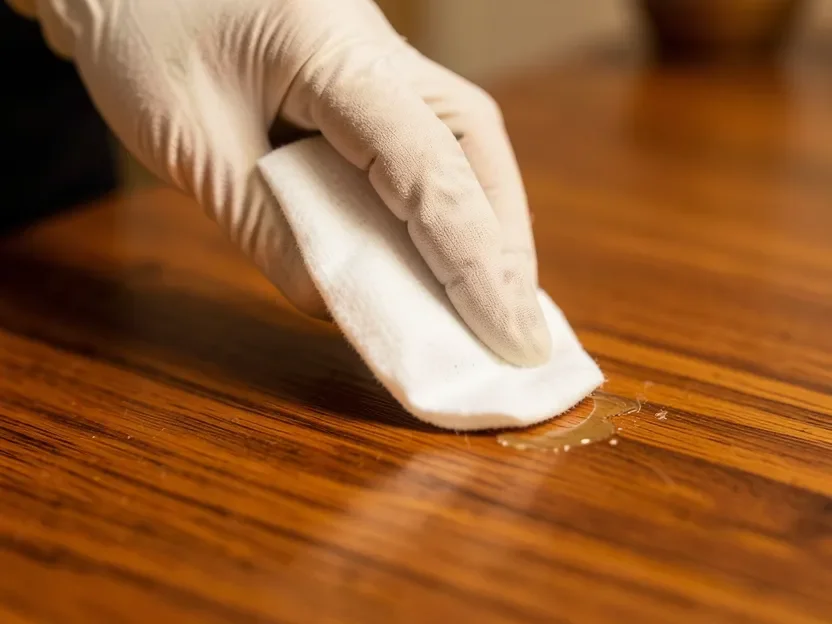
This is the case most removal guides skip, and it’s the one that costs woodworkers the most when they get it wrong. A film finish sits on top of the wood as its own layer of cured resin — and acetone doesn’t know the difference between that resin and the glue you’re trying to remove. Dab acetone on a finished tabletop and you’ll usually cloud or strip a dime-sized halo of finish around the glue spot within seconds, even if the glue itself lifts cleanly. Once that happens, you’re refinishing that section, not just cleaning it.
For finished wood, start with isopropyl alcohol on a cotton swab instead. It’s a weaker solvent for cyanoacrylate — expect to dab for a minute or two rather than seconds — but most cured wood finishes tolerate it far better than acetone. If the glue won’t budge after a few minutes of alcohol, a dedicated cyanoacrylate debonder gel (sold specifically for glue removal, not general-purpose acetone) is the next step up; these are formulated to soften the glue bond without being as aggressive toward finishes as pure acetone. Always test either option on an inconspicuous spot — the underside of a leaf or an inside edge — before working on a visible surface.
Bare or Unfinished Wood
Without a finish layer to protect, acetone is a reasonable choice on raw wood — there’s no clear coat for it to cloud. It will still raise the grain slightly as it evaporates, since acetone pulls moisture out of the surface fibers, so a light pass with 220-grit sandpaper afterward is normal and expected, not a sign anything went wrong. Apply it sparingly with a cotton swab rather than flooding the area; a small amount dissolves the glue just as well and leaves less grain-raising to sand out.
Skin
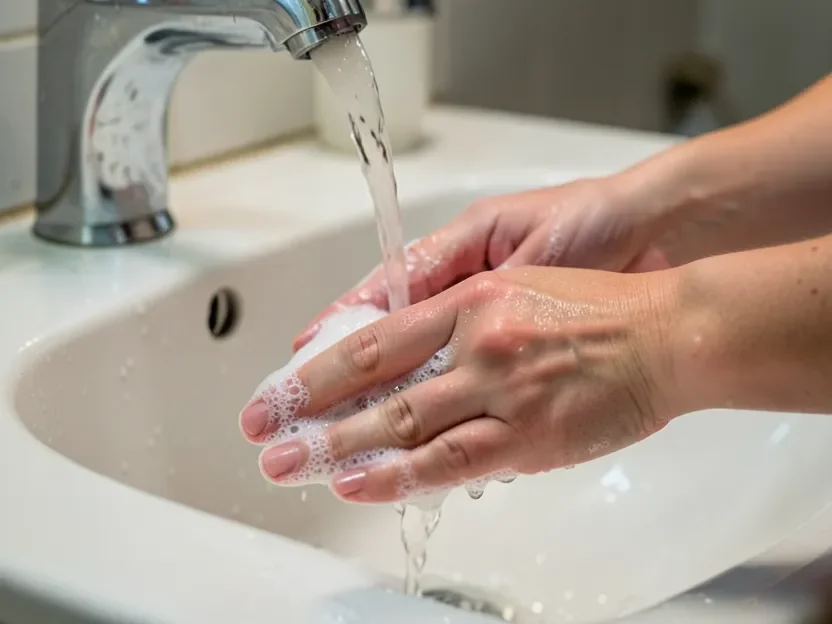
Start gentle here, not with a solvent. Super glue on skin isn’t dangerous — it will wear off on its own within a few days as skin cells shed — so there’s no need to rush to acetone. Warm soapy water, followed by working the edges loose with a fingernail or the rounded edge of an emery board, clears most spills without any chemicals at all. Acetone is a last resort for skin, not a first step: it works, but it also strips natural skin oils and can cause irritation with repeated use, especially on thin skin or over a cut.
Fabric
Check the care label before reaching for any solvent — acetone will melt or discolor acetate, triacetate, and some synthetic blends on contact. On cotton, denim, and most other natural fibers, dab (don’t rub) acetone onto the glue from the back of the fabric, working it against a folded paper towel that can absorb the dissolved glue as it lifts. Rubbing spreads the softened glue into more fibers instead of pulling it out.
Glass, Metal, and Ceramic
These are the surfaces acetone was made for. There’s no finish or dye to damage, so you can apply it more liberally and let it sit for a minute before scraping with a plastic edge (never metal, which can scratch glass and ceramic glazes). Glue on these surfaces typically releases faster than on any other material in this list.
What’s Actually Happening When Glue “Dissolves”
It helps to know the difference between a solvent that truly dissolves cyanoacrylate and one that just loosens it, because guides often use “remove” for both and that’s where a lot of bad advice comes from.
True solvents (acetone, and industrial debonders built around similar chemistry): These break the polymer chains of cured cyanoacrylate apart at a molecular level, turning the hardened glue back into a softer, removable state. This is genuine dissolving.
Oils and petroleum jelly: These don’t dissolve the glue chemically at all — they lubricate the bond between the glue and your skin, letting the cured glue slide free rather than breaking down. That’s why oil works well on skin (where you just need the glue to release) but does nothing for glue that’s bonded to a hard surface and needs to actually break apart.
Warm soapy water: Mostly useful on fresh, not-yet-cured glue, or for softening skin enough that gentle mechanical action (rubbing, an emery board) can finish the job. It has little effect on glue that’s already fully cured on a hard surface.
For a full walkthrough of application times, ventilation setup, and exactly how long to let acetone sit before it lifts a cured spot, see our dedicated guide: Does Acetone Dissolve Super Glue?
Removing Super Glue From Skin, Step by Step
- Soak the affected skin in warm, soapy water for 5–10 minutes.
- Gently roll or peel the softened glue with your fingers — never pull skin apart forcefully.
- If glue remains, apply a small amount of vegetable oil, olive oil, or petroleum jelly and massage for a minute or two.
- Only if both steps fail, dab (don’t soak) a cotton swab of acetone directly on the glue, avoiding surrounding skin, then wash immediately with soap and water.
Safety Notes Before You Reach for a Solvent
Acetone and similar solvents are flammable and produce fumes that build up quickly in a closed room, so work with a window open or a fan running rather than in a sealed bathroom or workshop. Keep it away from open flames or pilot lights. On skin, limit contact time and wash the area afterward — brief, occasional use is generally considered low-risk, but repeated exposure dries and irritates skin, and it should never be used near the eyes or on broken skin. If glue gets in an eye, skip solvents entirely and flush with water for several minutes, then get medical attention.
When to Call a Professional Instead
Some situations aren’t worth the DIY risk. Glue on an antique finish, a musical instrument, eyewear lenses, or electronics is better handled by a restorer or repair specialist who works with that specific material daily — the cost of professional help is almost always less than the cost of a ruined finish or a cracked lens from a solvent that was too aggressive. The same goes for a large spill covering a wide area, where the time and solvent needed for a DIY fix may exceed what a professional charges.
Frequently Asked Questions
Does acetone damage finished wood?
Yes, in most cases. Acetone dissolves the resin in polyurethane, varnish, lacquer, and shellac finishes, often clouding or stripping the area around the glue spot within seconds. Use isopropyl alcohol or a dedicated debonder gel on finished wood instead, and always test on a hidden spot first.
Is it safe to get acetone on my skin?
Brief, occasional contact is generally low-risk, but acetone dries out skin and can irritate it with repeated use. Wash the area with soap and water right after use, avoid broken skin, and treat it as a last resort after soapy water and oil-based methods.
How long does it take for acetone to dissolve super glue?
A fresh, not-yet-cured bond can soften in 30–60 seconds. A fully cured spot usually needs 3–5 minutes of repeated dabbing with a fresh, acetone-soaked cotton swab before it lifts cleanly.
What if regular nail polish remover doesn’t work?
Many nail polish removers are diluted with moisturizers and water, which makes them noticeably weaker than pure acetone. If a diluted remover isn’t cutting through cured glue, switch to 100% pure acetone, sold at hardware stores, or a dedicated cyanoacrylate debonder made specifically for the job.
Can you use warm water alone to remove super glue?
Warm soapy water works well on fresh glue and can soften skin enough for gentle mechanical removal, but it has little effect on glue that’s already fully cured on a hard surface — you’ll need a solvent for that.
Final Thoughts
Super glue is dissolvable, but “dissolve it” isn’t a single instruction — it’s a decision that depends on what you’re working with. Match the solvent to the surface, start with the gentlest option that will realistically work, and test anywhere visible before committing. Get that sequence right and you’ll clear the glue without creating a second problem to fix.
Sponsored / affiliate links. As an Amazon Associate I earn from qualifying purchases. I may earn additional commission from eligible campaigns.