Can You Pour Self Leveling Concrete Over Plywood: Expert Guide
Are you considering a new flooring project and wondering if you can pour self-leveling concrete over plywood? You’re not alone.
Many homeowners and DIY enthusiasts are intrigued by the idea of creating a smooth, durable surface without removing existing plywood subfloors. But before you dive in, it’s crucial to know if this is the right move for you. Imagine the satisfaction of walking on a perfectly level floor, the kind that feels seamless and elegant underfoot.
Yet, the process can be a bit tricky. You might be asking yourself: Will it bond properly? Is it strong enough? Could it really work in my home? We will unravel the mystery and give you the confidence to make an informed decision. Stay with us as we explore the pros, cons, and essential tips to ensure your flooring project is a resounding success.

Credit: m.youtube.com
Benefits Of Self Leveling Concrete
Self leveling concreteis simple to use. Mix it with water. Pour it over the plywood. It spreads out smoothly. You don’t need special tools. Just a trowel or a rake. This makes it easy for beginners. It saves time and effort.
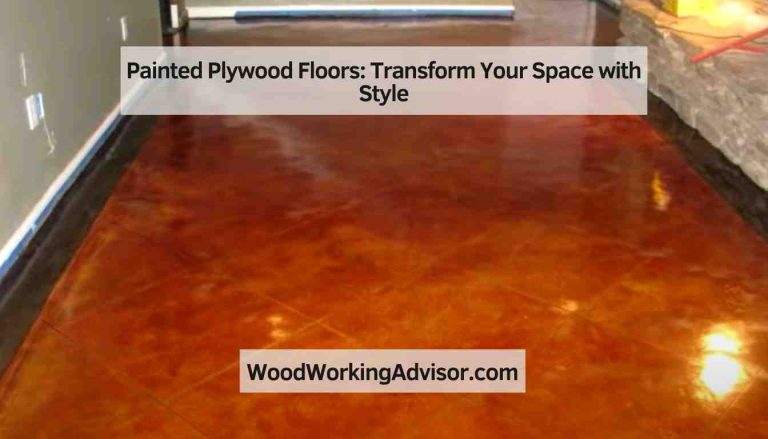
The finish is smooth and even. No bumps or ridges. It covers all gaps. It looks neat. Ideal for tiles or carpets. Makes floors look nice. You will love the look.
It dries fast. Ready in a few hours. You can walk on it soon. No long wait times. Finish projects quickly. Save valuable time. Start other tasks sooner. Great for tight schedules.
Preparing Plywood Surface
Begin by sweeping away dirt and dust from the plywood. Use a vacuum for fine particles. A clean surface helps concrete stick better. For sticky stains, use a damp cloth. Ensure the surface is dry before moving on.
Check the plywood for loose panels. Tighten any loose screws or nails. Use a screwdriver to secure them. This prevents movement when pouring concrete. It ensures the surface stays even.
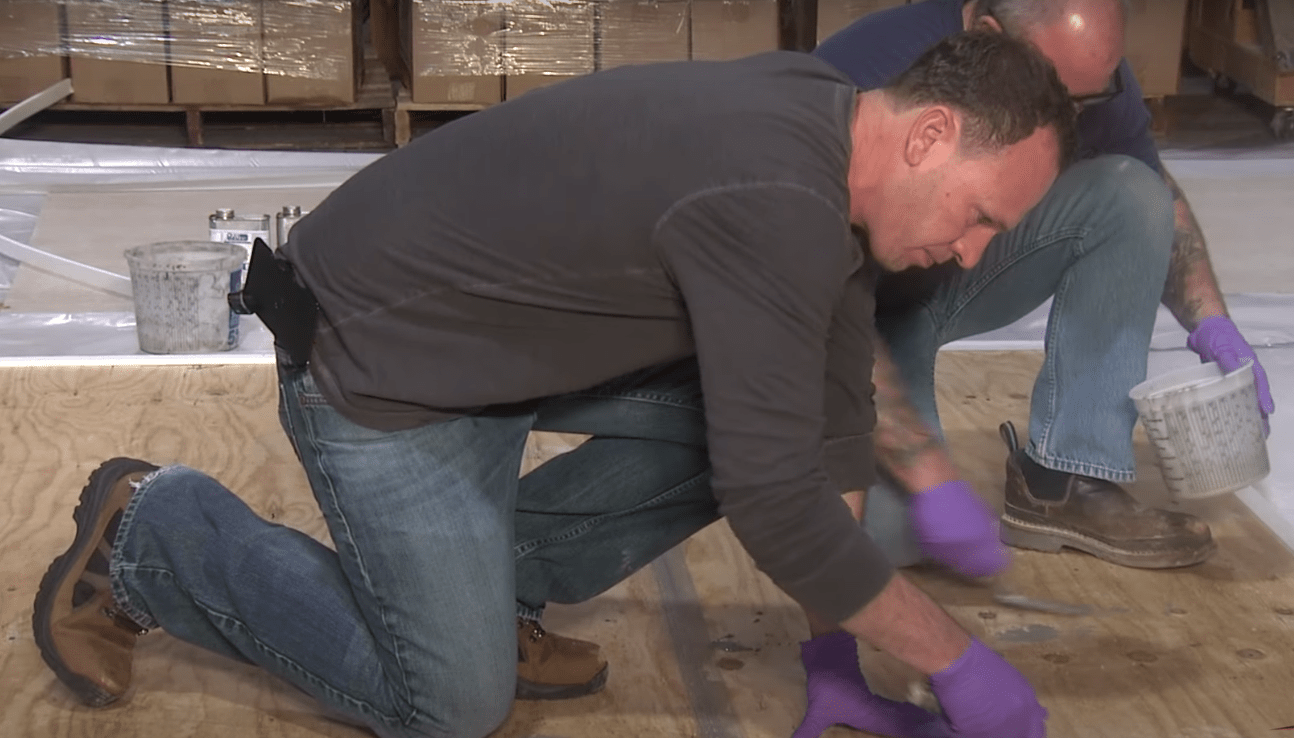
Apply a layer of primer to the plywood. This creates a strong bond with the concrete. Use a roller for even coverage. Allow it to dry completely. Priming helps the concrete set well.
Choosing The Right Self Leveling Concrete
Self leveling concrete comes in different types. Some are for indooruse. Others work better outside. Each type has its own features. Some dry fast. Others take more time. Certain types are best for smooth surfaces. Others are good for uneven spots. It’s important to know what you need.
Plywood needs special care when using self leveling concrete. It must be strongand stable. Check for any damageor weak spots. Use a primer to help the concrete stick. This makes the surface even. Choose a concrete type that suits plywood. Not all types work well with it. Follow these steps for better results.
Application Techniques
Start with a big, clean bucket. Add water first. Then, pour the concrete mix in. Stir well using a strong stick or mixer. Make sure there are no lumps. The mix should be smooth and liquid-like. Follow the instructions on the bag for correct amounts. Too much water is bad. It makes the concrete weak. Stir until it looks like pancake batter. Ensure it’s even and nice.
Pour the mix on the plywood slowly. Start at one corner. Work your way to the other side. Spread the mix with a trowel. Make sure it covers all areas. Do not leave gaps. Pour in layers if needed. This helps it dry well. Keep the room warm. Cold makes drying slow. Be careful while pouring.
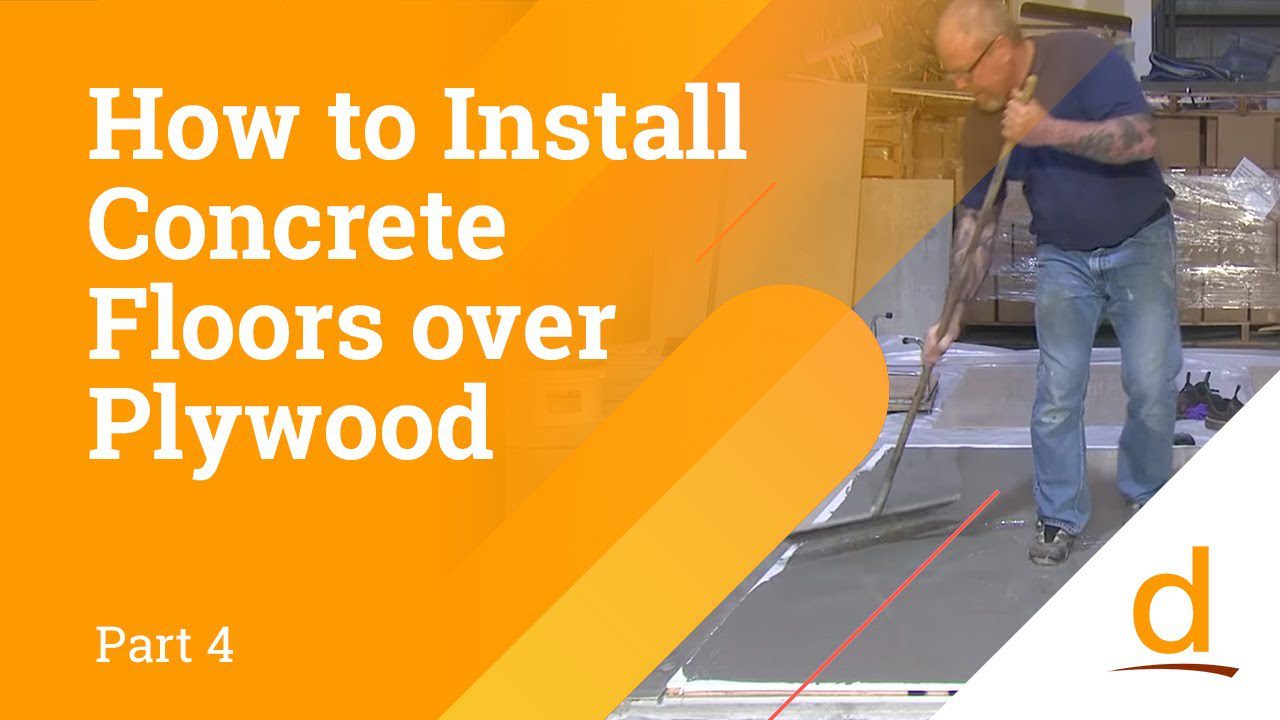
Use a long tool to make it flat. A leveling bar works well. Move it back and forth. This helps to smooth out bumps. Let it settle for a bit. Check if it’s even. Adjust if needed. Wait for it to dry. Drying makes it hard. Do not step on it yet. Patience is key.
Common Challenges And Solutions
Pouring self-leveling concrete over plywood can be tricky due to moisture and bonding issues. Ensure the plywood is dry and primed for proper adhesion. Address flexing concerns by reinforcing the plywood to prevent cracks and uneven surfaces.
Dealing With Cracks
Plywood can crack over time. These cracks make the surface weak. Self leveling concrete needs a strong base. Fill cracks with a special filler. This creates a smooth base. Always clean the plywood first. Dirt and dust can cause more cracks.
Avoiding Uneven Surfaces
Plywood can have bumps. These bumps can be a problem. Self leveling concrete needs a flat surface. Sand the plywood to make it smooth. Use a level tool to check. Fix any high spots. This helps the concrete spread evenly.
Handling Moisture Issues
Moisture can damage plywood. It makes the plywood swell. Swelling leads to uneven surfaces. Use a moisture barrier on the plywood. This keeps water away. Make sure it is dry before pouring concrete. Wet plywood can cause problems later.
Credit: duraamen.com
Maintenance And Care
Regular inspectionshelp keep concrete floors strong. Check for cracks or wear often. Small problems can become big ones. Quick fixes save money and time.
Repairing damagesis key. Fill cracks with concrete filler. Smooth surfaces keep them looking nice. Use sealant to protect from water. This stops further damage.
Preventing future issuesis smart. Keep the floor clean and dry. Avoid heavy items that might cause stress. Use mats or rugs to protect areas. These steps help the floor last longer.
Frequently Asked Questions
Does Self-leveling Cement Stick To Plywood?
Self-leveling cement can stick to plywood if the surface is properly prepared. Clean and prime the plywood. This ensures better adhesion and prevents moisture absorption. Use a suitable primer to enhance bonding between the cement and plywood, resulting in a smooth, durable finish.
Do I Need To Prime Plywood Before Self-leveling?
Yes, you should prime plywood before applying self-leveling compound. Priming ensures proper adhesion and prevents moisture absorption. Use a primer recommended by the self-leveling compound manufacturer for best results. This step helps achieve a smooth, durable finish.
What Is The Best Floor Leveler For Plywood?
Self-leveling compound is ideal for leveling plywood floors. It ensures a smooth, even surface. Choose a product designed for plywood application. Follow the manufacturer’s instructions for best results. Prioritize brands with high user ratings for reliability and performance.
When Not To Use Self-leveling Concrete?
Avoid self-leveling concrete on sloped surfaces. Don’t use it for large areas needing structural integrity or heavy-duty flooring. Refrain from applying in areas exposed to moisture or extreme temperature changes. It’s not suitable for outdoor use. Ensure the substrate is clean, dry, and stable before application.
Conclusion
Pouring self-leveling concrete over plywood is possible with preparation. Ensure the plywood is clean and stable. Use a primer for better adhesion. Consider thickness for strong support. Follow manufacturer guidelines for best results. Self-leveling concrete offers a smooth surface. Ideal for various flooring needs.
Proper installation ensures durability. Address any potential moisture issues. With care, achieve a level and firm finish. Your project can succeed with these steps. Enjoy the benefits of a smooth, resilient floor. Happy renovating!