Is Luan Plywood Waterproof? Why It Warps (and How to Seal It)
No, luan plywood is not waterproof. Its thin tropical-hardwood veneers are bonded with an interior-grade glue line, so the panel swells across the grain, warps, and can delaminate at the edges after repeated wetting — it’s rated for dry interior use, not for direct water contact.
Why Luan Plywood Isn’t Waterproof
Best Sealant For Sealing Luan Plywood
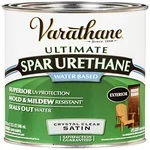 |
Varathane Ultimate Spar Urethane, Satin – $28.58 A water-based spar urethane is the fastest way to cut luan’s water uptake without adding the weight or fumes of an oil-based finish.
|
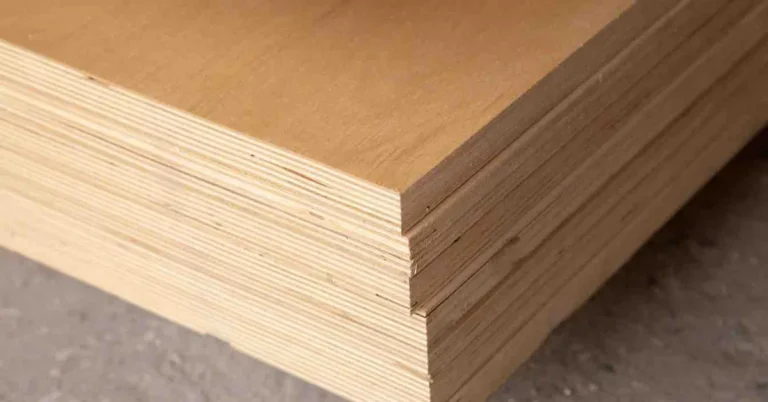
Luan (also spelled lauan) is thin plywood, usually 1/8 to 1/4 inch, milled from lightweight Shorea-species tropical hardwood veneers. Those veneers are cross-laminated the same way any plywood is, but the panel is manufactured to an interior specification — it’s built for cost and workability, not moisture exposure. That single fact drives everything else in this article: the wood species itself has only modest natural water resistance, and the glue bond holding the layers together isn’t rated to survive repeated wetting and drying.
What’s Actually Inside Luan Plywood
Plywood sold in the US is graded under the Voluntary Product Standard PS 1, which splits panels into “Exterior” and “Interior” bond classifications. Exterior-bond plywood uses a fully waterproof phenol-formaldehyde glue line that can survive years of direct weather exposure — that’s what marine and exterior-grade plywood are built on. Luan is almost always manufactured to the Interior classification, using a urea-formaldehyde adhesive that holds up fine to normal household humidity but breaks down under sustained moisture.
That’s the practical difference between a $15 sheet of luan and a $70 sheet of marine plywood that looks almost identical: the veneer species and the glue bond, not the number of plies. A handful of luan products are sold with an exterior-rated adhesive for door-skin or specialty applications, so if moisture resistance genuinely matters, check the panel’s stamp or spec sheet for “Exterior” or “Exposure 1” before assuming every sheet behaves the same way.
What Happens When Luan Gets Wet
Wood swells far more across the grain than along it, and a thin panel made of stacked cross-grain veneers amplifies that unevenness. When luan absorbs water, the face veneers expand at a different rate than the core, which is what produces the classic cupping and warping. Leave a sheet of luan in standing water or a consistently damp crawlspace for even a few weeks and you’re also looking at delamination — the urea-formaldehyde glue line softens and lets the veneer layers separate at the edges first, then work inward.
Moisture content is the number that matters more than “wet” or “dry.” Wood moving past roughly 19-20% moisture content becomes a real mold risk, and thin luan reaches that threshold much faster than a thick panel because there’s less mass to buffer the change. That’s why luan that’s merely damp for a day or two usually survives fine, while luan that’s chronically damp — a bathroom wall behind a leaking fixture, an unsealed shed floor — fails within a season, not years.
Waterproof vs. Water-Resistant: The Real Difference
These two words get used interchangeably in marketing copy, but they describe different things:
- Waterproof means the material blocks water penetration entirely, even under sustained or repeated exposure — true marine-grade plywood with a fully sealed exterior bond qualifies.
- Water-resistant means the material can shrug off occasional splashes or short-term moisture without immediate damage, but it isn’t built to survive constant wetting.
Luan lands closer to “minimally water-resistant” than either category, and that’s specifically because of the interior glue bond covered above, not because of the wood species alone. A coat of sealant (more on that below) can push luan a step further toward water-resistant, but no surface coating changes the interior-rated adhesive underneath it — if water reaches an unsealed edge or a scratch through the finish, the panel is exposed to the same risk it always had.
Can You Use Luan in Bathrooms or on a Boat?
Both are common questions because luan shows up so often as cheap tile underlayment and cabinet backing. For a bathroom, luan isn’t the right choice for anywhere it will take direct water — a shower wall or a shower pan base — but it can work as a subfloor layer under tile if it’s covered by a proper moisture barrier or cement backer board and the tile grout line itself is sealed. Don’t rely on the luan to do any of the waterproofing; treat it as a flat, rigid substrate sitting behind the actual moisture barrier.
For boat building, luan is not marine-grade material and shouldn’t be treated as a substitute for it below the waterline, on a hull, or anywhere it will see standing bilge water. It occasionally shows up in interior cabinetry or non-structural cabin panels where it’s kept dry and sealed, but any application with real water exposure calls for actual marine-grade plywood, which is manufactured with the exterior phenolic glue bond and void-free core that luan simply doesn’t have.
How to Seal Luan Plywood If You Have To
If a project calls for luan in a location that will see occasional moisture — not standing water, just humidity or the odd splash — sealing it properly buys real protection. The order of operations matters more than the product you pick:
- Seal the edges first. End grain absorbs water many times faster than the flat face, and it’s the spot most DIY sealing jobs skip. Apply two or three extra coats to every cut edge before finishing the faces.
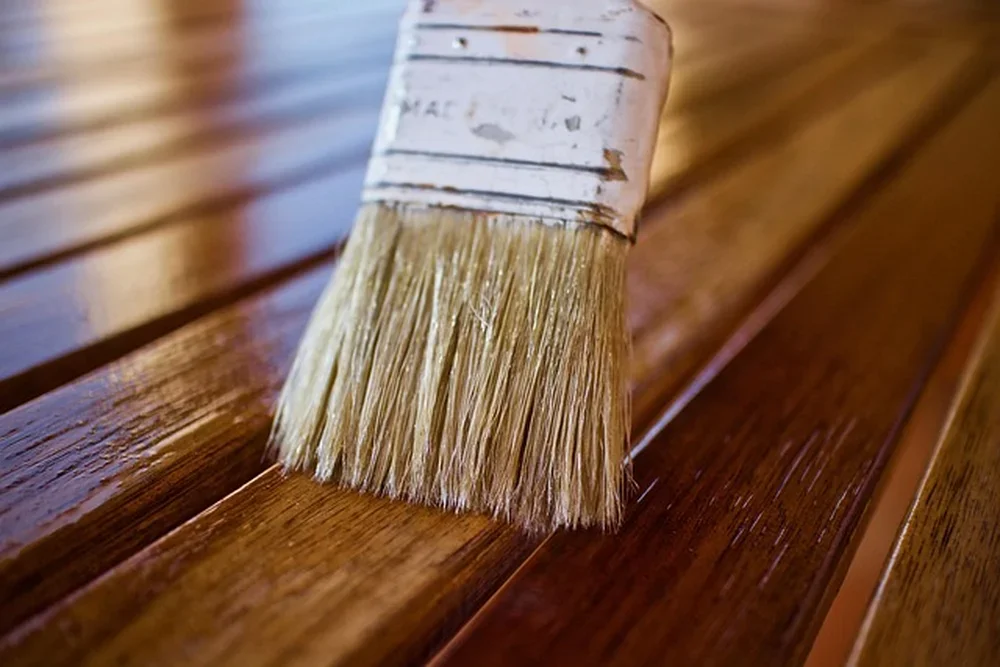
- Use a film-forming finish, not a penetrating oil. A spar urethane or marine-grade epoxy sealer sits on top of the wood and blocks water from reaching the veneer, where a penetrating oil finish soaks in without creating much of a barrier.
- Recoat on a schedule, not just once. Any finish will wear through at edges and corners with handling. Two coats applied once will not hold up the same as the manufacturer’s recommended full coat count reapplied over time.
A water-based spar urethane (the pick above) is the easiest option for most interior projects because it dries fast enough to apply several coats in a day and includes mildew-resistant additives, which matters on a panel that’s already more moisture-sensitive than average. For genuinely wet-adjacent work, a two-part marine epoxy sealer offers a harder, more complete moisture barrier, at the cost of longer cure times and strong fumes that need ventilation.
Better Alternatives for Wet Areas
When a project will see sustained moisture, it’s usually cheaper in the long run to switch materials rather than over-engineer a sealing job on luan:
- Marine-grade plywood — exterior phenolic glue bond and a void-free core, built specifically for constant water exposure. See our full pressure-treated vs. marine plywood comparison for which one fits a given project.
- Cement backer board — the standard substrate under tile in wet areas; it doesn’t warp or delaminate because there’s no wood veneer to swell.
- PVC or composite panels — fully synthetic, immune to rot and swelling, and increasingly common for shower niches and exterior trim where wood would eventually fail regardless of sealing.
If the project is really a question of luan versus a heavier general-purpose plywood rather than a wet-area decision, our plywood vs. luan breakdown covers when the thinner, cheaper luan panel is actually the better call.
Luan Plywood Maintenance
Even sealed, luan is not maintenance-free. Keep it away from standing water and out of spaces with persistent high humidity — a damp basement or an unvented bathroom closet will beat almost any sealant eventually. Check sealed edges and corners once or twice a year for cracking or lifted finish, since that’s where moisture gets back in first, and recoat those spots before they turn into a warping or mold problem. If a section does delaminate or swell permanently, it’s almost always more reliable to cut out and replace that section than to try to reglue or reshape it — once the veneer layers have separated, the panel has lost the structural bond that made it flat in the first place.
Frequently Asked Questions
Can luan plywood get wet?
It can get briefly wet without immediate failure, but it shouldn’t stay wet. Luan’s interior-grade glue bond and thin cross-laminated veneers mean sustained moisture leads to warping, swelling, and eventually delamination at the edges.
What’s the real difference between plywood and luan?
Luan is a specific thin plywood made from tropical Shorea-species veneers with an interior glue bond, while “plywood” is the broader category that includes everything from that same thin luan up to thick exterior and marine-grade sheets. The species and glue bond — not just the thickness — are what make luan less stable in moisture than general construction plywood.
Is luan underlayment plywood waterproof?
No. Underlayment-grade luan is built for a flat, stable surface under flooring or tile, not for water exposure, and it should always sit behind a proper moisture barrier in any area that gets wet.
What is luan plywood actually used for?
Interior applications where its light weight and smooth face matter more than moisture resistance: flooring underlayment, cabinet backing, door skins, and furniture or craft projects. It’s not intended for outdoor use or anywhere it will see regular water contact.
Bottom Line
Luan plywood is not waterproof, and the reason is specific: an interior-rated glue bond and thin cross-laminated veneers that swell unevenly and delaminate with sustained moisture. Sealing every face and edge with a spar urethane or epoxy sealer buys real protection against occasional dampness, but for standing water, bathrooms with direct spray, or marine use, switch to marine-grade plywood, cement backer board, or a synthetic panel instead of trying to seal your way around luan’s actual construction.
Sponsored / affiliate links. As an Amazon Associate I earn from qualifying purchases. I may earn additional commission from eligible campaigns.