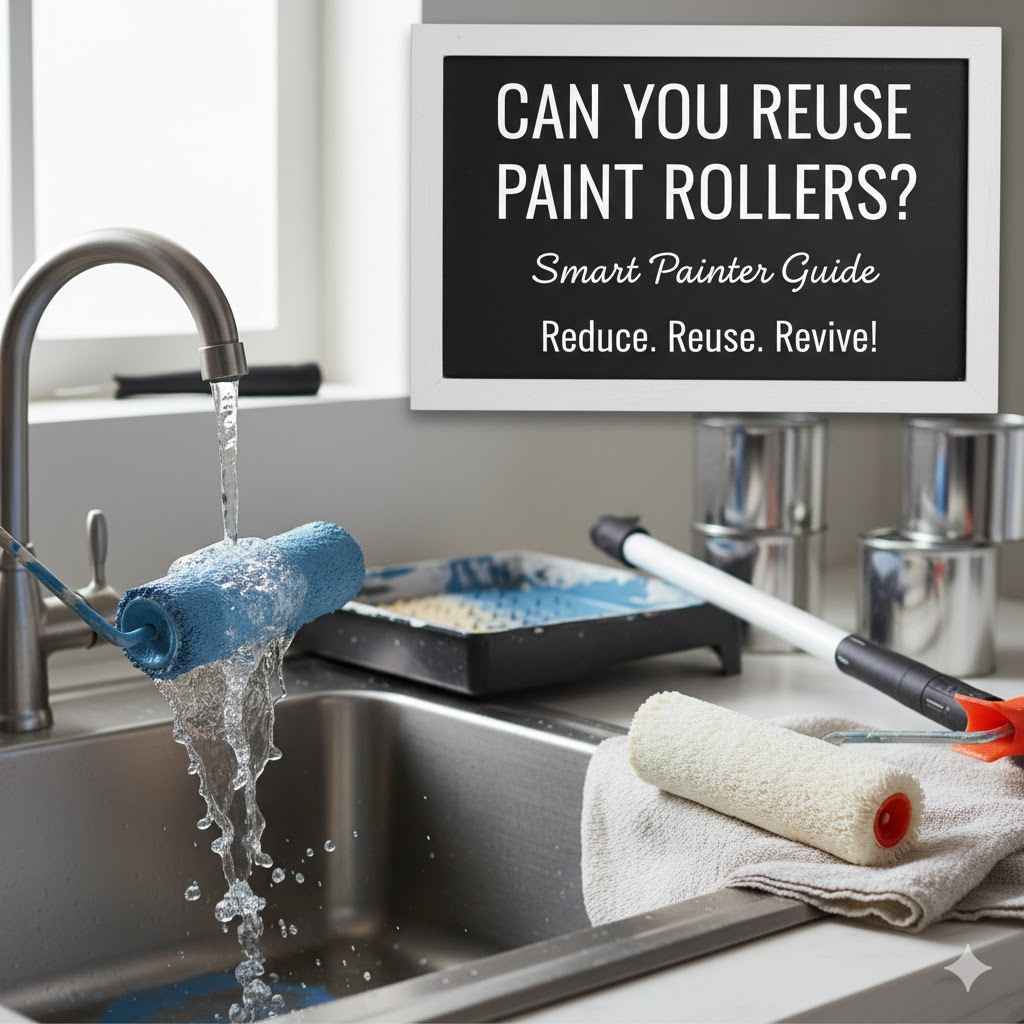
Can You Reuse Paint Rollers? Smart Painter Guide
Many people wonder, can you reuse paint rollers? It’s a common question, especially for those just starting with painting projects. Some think it’s too much work, while others worry about getting a good finish.
This guide will show you it’s simpler than you might think. We’ll break down exactly how to clean and store your rollers so they’re ready for your next job. Get ready to save time and money with this easy step-by-step process.
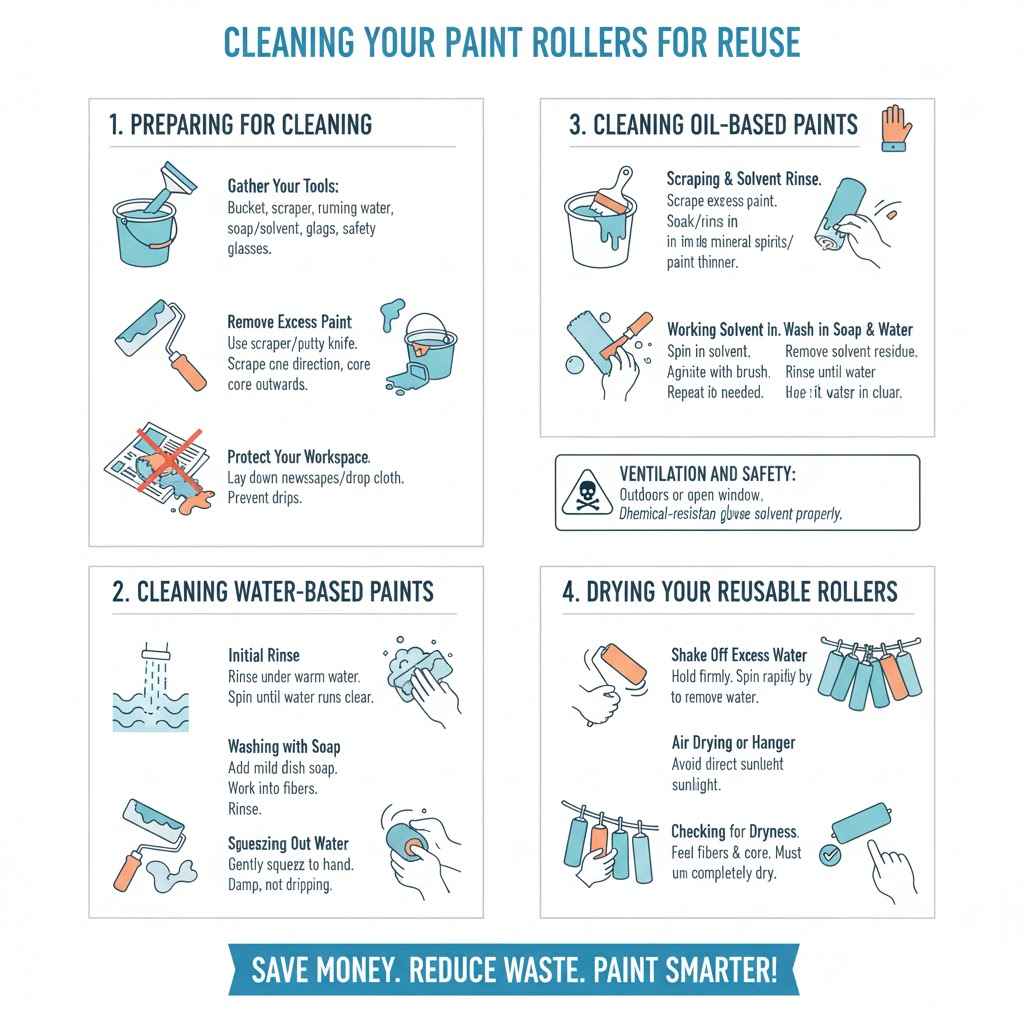
Cleaning Your Paint Rollers for Reuse
Reusing paint rollers can save you money and reduce waste. It’s a smart choice for any painter, whether you’re a DIY enthusiast or a professional. Properly cleaning your rollers ensures they perform well on your next painting task, giving you smooth, even coverage without streaks or debris.
This section will walk you through the best ways to clean rollers used with different types of paint, making the process straightforward and effective.
Preparing for Cleaning
Before you start cleaning, it’s important to gather the right supplies. Having everything ready makes the cleaning process much smoother and faster. You’ll want to protect your workspace and have the necessary cleaning agents at hand.
This prep work prevents messes and ensures you can tackle the job without interruption.
Gather Your Cleaning Tools
You will need a bucket, a scraper or putty knife, running water, and a sink or a large basin. For water-based paints, soap is usually enough. For oil-based paints, you’ll need mineral spirits or a paint thinner.
Have some old rags or paper towels handy for drying and wiping.
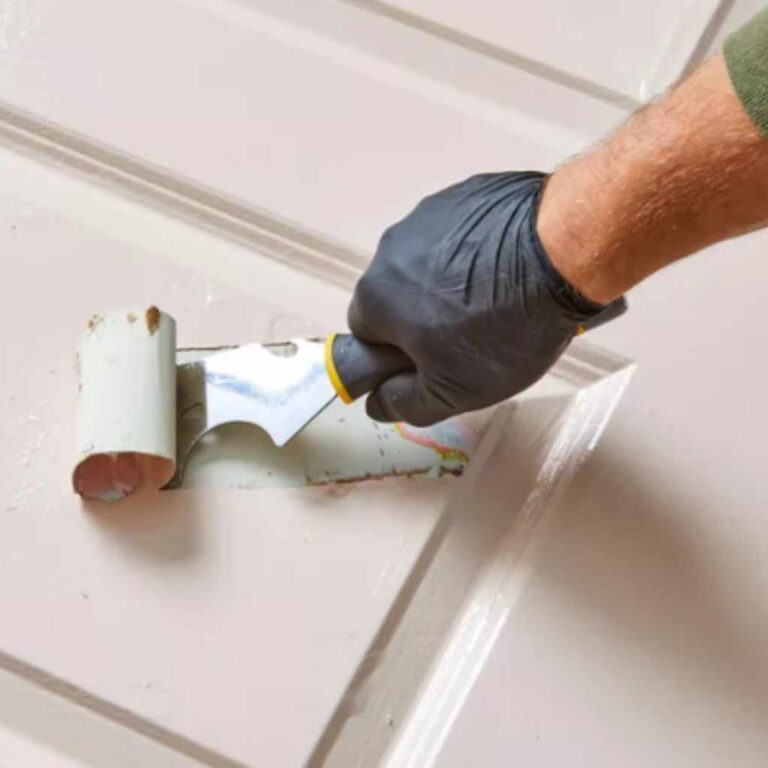
The first step is to get as much paint off the roller as possible. Use a scraper or a putty knife to gently run along the roller’s surface. This removes the thickest layer of paint.
Try to scrape in one direction, from the roller’s core outwards. This helps prevent pushing paint deeper into the roller fibers.
Protect Your Workspace
Cleaning paint rollers can be messy, so lay down old newspapers or a drop cloth on your floor. If you’re cleaning near a sink, you might want to put something down to catch drips. This simple step saves you a lot of cleaning time later.
Cleaning Water-Based Paints
Water-based paints, like latex or acrylic, are the easiest to clean from rollers. Because they are water-soluble, a good rinse with water and soap is usually all it takes. The key is to act quickly before the paint dries completely.
Dried latex paint can be much harder to remove.
Initial Rinse
Start by rinsing the roller under warm running water. Hold the roller under the stream and spin it. You should see a lot of the paint wash away.
Continue rinsing until the water runs mostly clear. This step removes the majority of the loose paint.
Washing with Soap
Once most of the paint is out, add a few drops of mild dish soap to the roller. Gently work the soap into the fibers by hand. Spin the roller again under the water.
The soap helps to break down any remaining paint residue. You might need to repeat this rinsing and soaping process a couple of times to get the roller completely clean.
Squeezing Out Water
After washing, gently squeeze the roller to remove excess water. Do this by hand, rolling it between your palms. Avoid wringing it out too hard, as this can damage the fibers.
The goal is to get it damp but not dripping wet.
Cleaning Oil-Based Paints
Oil-based paints are trickier because they don’t dissolve in water. You’ll need a solvent like mineral spirits or paint thinner. These solvents are strong, so it’s essential to use them in a well-ventilated area.
Always wear gloves to protect your skin.
Scraping and Initial Solvent Rinse
First, remove as much excess paint as possible with a scraper. Then, place the roller in a bucket or large container. Pour enough mineral spirits or paint thinner over the roller to cover it.
Let it soak for a few minutes. Then, gently work the solvent into the fibers.
Working the Solvent In
Spin the roller in the solvent. You’ll see the paint start to dissolve and turn the solvent cloudy. You might need to change the solvent if it becomes too dirty.
Repeat this process, using fresh solvent, until the roller comes clean. A useful trick is to use a brush to help agitate the paint out of the fibers during this step.
Washing with Soap and Water
After all the paint and solvent residue is removed, wash the roller thoroughly with soap and water. This step is crucial to remove any lingering solvent. Rinse it well until the water runs clear and there’s no sign of suds.
Ventilation and Safety
Always use solvents in a well-ventilated area, preferably outdoors or near an open window. Fumes from paint thinners can be harmful. Wear chemical-resistant gloves and eye protection.
Dispose of used solvents properly according to local regulations. Never pour them down the drain.
Drying Your Reusable Rollers
Proper drying is as important as cleaning. If you store a wet roller, you risk mold growth and damaging the fibers. It can also make the roller unusable for your next project.
Taking the time to dry them correctly ensures they last longer and work better.
Shake Off Excess Water
After washing, give the roller a good shake to remove as much water as possible. Hold the roller firmly and spin it rapidly. This can be done in a bucket or outside to avoid splashing water everywhere.
Air Drying
The best way to dry a roller is to let it air dry. You can place it on a clean, dry surface. Some people like to prop it up so air can circulate around it.
Ensure it’s not in direct sunlight for extended periods, as this can sometimes dry out the fibers too much.
Using a Roller Rack or Hanger
A dedicated roller drying rack is ideal if you clean many rollers. These racks allow air to circulate freely around the entire roller, speeding up the drying process. You can also hang rollers by their handles on hooks.
Make sure the roller frame doesn’t touch anything that could hold moisture.
Checking for Dryness
Before storing, make sure the roller is completely dry. Feel the fibers and the core. If there’s any dampness, let it dry longer.
A fully dry roller is ready for storage.
Storing Paint Rollers For Future Use
Proper storage is key to ensuring your cleaned paint rollers are ready for your next painting job. Storing them correctly prevents dust, debris, and damage. This section will guide you on how to pack them away so they remain in good condition, saving you the hassle of buying new ones every time.
Long-Term Storage Solutions
If you plan to store rollers for more than a few weeks, you need to protect them well. This prevents the fibers from getting crushed or contaminated. Good storage means your rollers will perform like new when you need them.
Airtight Containers
The best way to store rollers for a long time is in an airtight container or a heavy-duty plastic bag. This keeps dust and bugs away from the roller fibers. Make sure the roller is completely dry before sealing it away.
Protecting the Fibers
To prevent the roller fibers from getting flattened or misshapen, you can place a piece of plastic wrap or wax paper around the roller before putting it in the bag or container. This adds an extra layer of protection and keeps the fibers plump.
Storing the Roller Frame
If you are storing just the roller cover, you may want to store it separately from the frame. This prevents any metal from rusting or damaging the fabric over time. Some painters even remove the roller cover from the frame after cleaning and drying.
Short-Term Storage Tips
If you’re just taking a break for a few hours or overnight, you don’t need to go through the full cleaning process. There are simpler ways to keep your roller usable without it drying out.
Wrapping in Plastic Wrap
The most common method for short-term storage is to tightly wrap the wet roller in plastic wrap. Make sure there are no gaps where air can get in. This keeps the roller moist and ready to go when you resume painting.
Submerging in Water
For water-based paints, you can also submerge the roller in a bucket of clean water. Ensure the roller is fully covered. This keeps it from drying out.
For oil-based paints, you can submerge it in a small amount of mineral spirits. Remember to dispose of the solvent properly later.
Keeping it Damp
The goal for short-term storage is to prevent the paint from drying on the roller. Whether you use plastic wrap or water, the idea is to keep the roller surface moist. This saves you cleaning time and is a key part of the Can You Reuse Paint Rollers?
Smart Painter’s Guide.
When It’s Time to Get a New Roller
While reusing paint rollers is a great practice, there are times when a roller has reached the end of its life. Knowing when to replace a roller ensures you don’t compromise the quality of your paint job. Worn-out rollers can leave streaks, lint, or an uneven finish.
Excessive Wear and Tear
If the roller’s nap is matted down, frayed, or has started to break apart, it’s time for a new one. Very worn rollers won’t hold paint evenly and will likely leave an uneven coating on your walls.
Stubborn Stains and Debris
Despite your best cleaning efforts, some rollers might retain stubborn stains or embedded debris. If you can’t get them clean, they can transfer unwanted particles to your next paint job, ruining the finish. Small flecks of old paint or fuzz can be particularly troublesome.
Damage to the Core or Frame
If the roller’s cardboard core is soft, damaged, or starting to disintegrate, it’s no longer usable. A damaged core can lead to the roller cover slipping or falling off during use. The frame itself should also be straight and free of rust.
Different Paint Types for Different Rollers
While not strictly about wear, it’s good practice to dedicate specific rollers to specific paint types. Using a roller that once held oil-based paint for a latex job, even after cleaning, can sometimes lead to adhesion issues. It’s better to have separate, well-maintained rollers for latex and oil-based paints.
Benefits of Reusing Paint Rollers
Reusing paint rollers offers several advantages that appeal to both budget-conscious DIYers and professional painters alike. It’s a practice that makes sense economically and environmentally. By taking a few simple steps, you can extend the life of your tools and get more value out of them.
Cost Savings
This is perhaps the most obvious benefit. Paint rollers can add up in cost, especially if you’re working on a large project or painting multiple rooms. By cleaning and reusing them, you significantly reduce the amount you spend on supplies.
This allows you to allocate your budget to other aspects of your project or save it altogether.
Environmental Friendliness
Throwing away used rollers contributes to landfill waste. Reusing them reduces the number of new rollers that need to be manufactured, which in turn saves resources and energy. It’s a small step that contributes to a larger effort of reducing household waste and promoting sustainability.
Many paint products are water-based now, making cleaning even more eco-friendly.
Convenience and Availability
When you know you can reuse your rollers, you don’t have to worry about running to the store for new ones mid-project. This saves you time and ensures you always have the right tools on hand. It’s particularly helpful for unexpected touch-ups or when a project takes longer than anticipated.
Maintaining Consistent Quality
With proper cleaning and storage, a reusable roller can maintain its performance over multiple uses. This means you can achieve consistent, high-quality finishes without the worry of new, untried rollers potentially causing issues. A well-maintained roller becomes a reliable part of your toolkit.
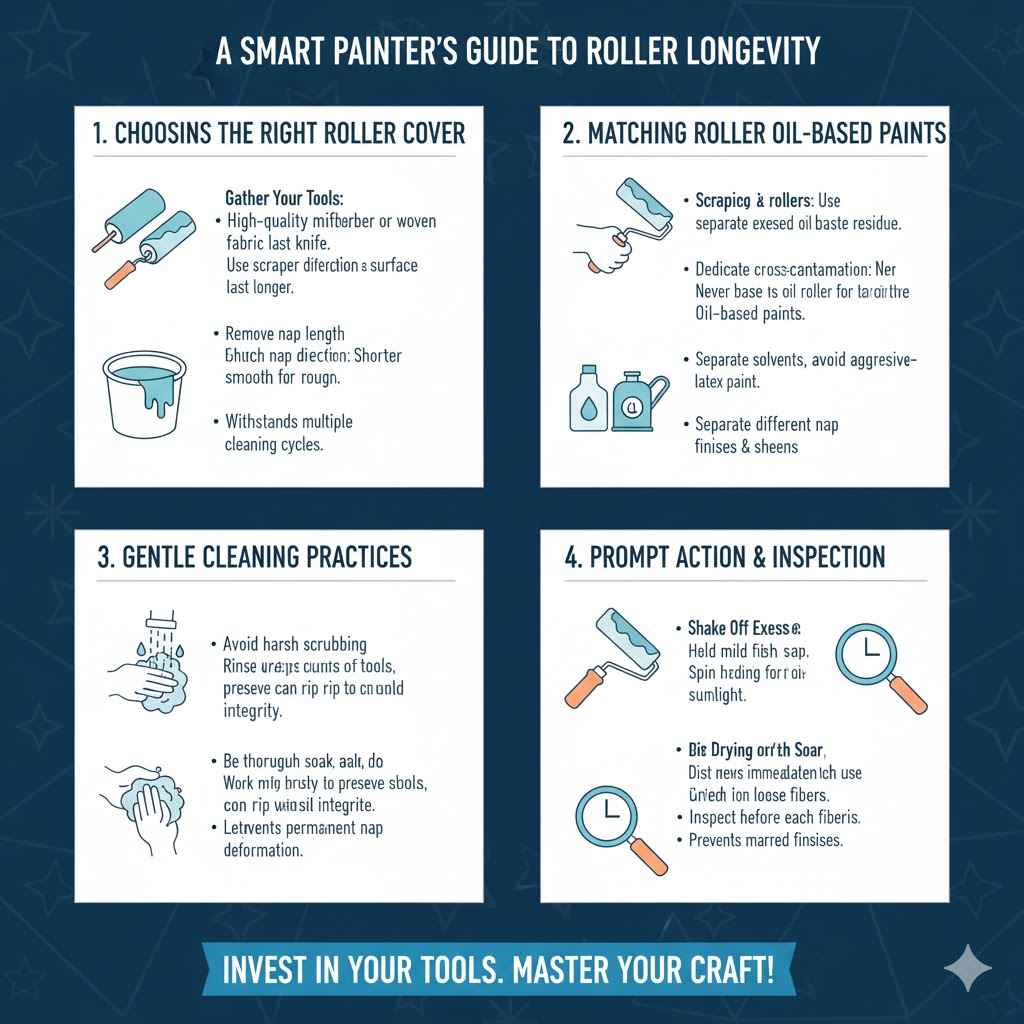
A Smart Painter’s Guide to Roller Longevity
To truly master the art of reusing paint rollers, it’s about more than just cleaning. It involves a holistic approach to tool care. This guide has covered the cleaning and storage, but let’s touch on choosing the right roller and how that impacts its reusability.
Think of your rollers as investments that need proper care to pay off.
Choosing the Right Roller Cover
The type of roller cover you choose matters for reusability. High-quality microfiber or woven fabric rollers tend to clean up better and last longer than cheaper, glued-on nap rollers. Consider the nap length based on your surface.
Smoother surfaces need shorter naps, while rougher surfaces require longer ones. A good quality roller will withstand multiple cleaning cycles.
Matching Roller to Paint Type
As mentioned, dedicating rollers to specific paint types (latex vs. oil-based) is a good strategy. This prevents cross-contamination.
For example, never use an oil-based paint roller for latex paint. Even after thorough cleaning, traces of oil can affect how latex paint adheres and dries. Having separate rollers for different finishes and sheen levels is also a smart idea.
Gentle Cleaning Practices
Avoid harsh scrubbing or using tools that can rip or damage the roller fibers. While you need to be thorough, gentleness during the cleaning process will preserve the roller’s integrity. For instance, when using solvents, let them do the work for a few minutes before agitating.
Aggressive action can permanently deform the nap.
The Importance of Prompt Action
The sooner you clean your roller after use, the easier the job will be. Dried paint is significantly harder to remove and can permanently damage the roller fibers. Make cleaning a priority right after you finish painting.
This habit is fundamental to the Can You Reuse Paint Rollers? Smart Painter’s Guide.
Inspect Before Each Use
Before you load up a roller for a new paint job, give it a quick inspection. Look for any loose fibers, embedded debris, or signs of wear. A quick check can prevent a marred finish on your wall and save you from having to repaint a section.
Frequently Asked Questions
Question: Can I reuse a roller that I used with primer?
Answer: Yes, absolutely! Primers are usually water-based, making them easy to clean from rollers. Just follow the steps for cleaning water-based paints.
A clean primer roller is ready for its next coat of primer or even paint.
Question: How long can I expect a reused roller to last?
Answer: With proper cleaning and care, a good quality roller can be reused many times. Some painters report using their favorite rollers for years, completing dozens of projects. The lifespan depends on the roller’s quality, how well it’s cleaned, and how it’s stored.
Question: What should I do if I can’t get all the paint out of the roller?
Answer: If some paint remains, especially in deeper naps, it might be best to consider retiring that roller. Small amounts of dried paint can cause bumps and streaks. However, if it’s just a little bit and the roller is otherwise in good condition, you might try using it for a darker color or a less critical surface on your next project.
Question: Can I reuse rollers with different sheen levels of paint?
Answer: It’s generally best to dedicate rollers to specific paint types and sheens. While you can often reuse a roller for different sheen levels of the same paint type (e.g., flat to eggshell latex), a roller used for high-gloss paint might be harder to clean completely. Using a separate roller for very different sheens prevents potential issues with adhesion or finish.
Question: Is it worth buying expensive rollers if I plan to reuse them?
Answer: Yes, investing in higher-quality rollers often pays off in the long run. More expensive rollers typically have better-quality fibers that hold paint evenly, are easier to clean, and withstand reuse better than cheaper ones. A good roller used many times can be more cost-effective than constantly buying cheap ones.
Summary
You absolutely can reuse paint rollers with the right cleaning and storage. This guide showed you how to clean both water-based and oil-based paints effectively. By properly drying and storing your rollers, you save money and reduce waste.
Keep your rollers in good shape, and they’ll serve you well for many projects to come.