What Type of Paint for an Exterior Metal Door? (Steel & Aluminum)
Use exterior-grade acrylic latex on a metal door, in satin or semi-gloss. Therma-Tru’s steel door sheet calls for it and bans automotive paint and stain. The primer rule depends on the metal: factory-primed steel needs none if painted within days, while galvanized and aluminum need cleaning and a rated primer. This guide covers each metal, cure times and weather limits.
What Type of Paint to Use on an Exterior Metal Door
Best Metal Door Paint Pick | |
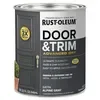 |
Rust-Oleum Advanced Dry Door & Trim Paint, Satin Alpine Gray, Quart: $17.97 A water-based door paint whose label lists metal, wood and fiberglass for indoor and outdoor use, so it suits the exterior steel door this guide covers once the surface is cleaned and, where needed, primed.
|
As an Amazon Associate we earn from qualifying purchases. | |
The safest topcoat is 100% acrylic latex labeled for exterior use. Therma-Tru, a major steel entry door maker, specifies “high-quality acrylic latex house paint” with exterior grade on outside surfaces, and tells owners not to use automotive paint or stain (Therma-Tru finishing and painting recommendations). Our guide on the difference between latex and acrylic paint explains why a 100% acrylic label matters.
Oil-based paint is not off the table everywhere, but its job on a steel door is narrower than most advice suggests. Therma-Tru itself calls for an alkyd primer on sanded rust spots, then acrylic latex on top. If you are repainting over an old oil-based exterior finish, Behr’s direct-to-metal data sheet says all exterior alkyd surfaces should be primed first, so do not assume a latex topcoat will grip glossy oil enamel on its own.
Direct-to-metal (DTM) paints are the other category. Behr’s DTM semi-gloss is a 100% styrene acrylic rated for ferrous and non-ferrous metal, with a touch time of 1 hour and a recoat time of 3 hours at 77 F and 50% humidity (Behr technical data sheet). Whatever product you pick, read its data sheet: Rust-Oleum’s sheets name different surfaces line by line, and we listed what each one says in our Rust-Oleum data sheet comparison.
Which Paint and Primer Match Your Door’s Metal
The metal under the paint changes the prep more than the brand does. This table pulls the steps from the door maker and two paint makers’ own sheets, so the rules come from the people who write the warranties.
| Door surface | Primer step | Prep that matters | Source |
|---|---|---|---|
| New factory-primed steel | None if painted within several days of installation | Wash with mild detergent or TSP, rinse, dry fully | Therma-Tru |
| Steel with rust spots or deep scratches | Alkyd primer on the sanded spot | Sand 150 grit then 220 until smooth, flush and rust-free | Therma-Tru |
| Bare steel (stripped) | Self-priming DTM, or a rust-inhibitive primer | Remove rust and mill scale, degrease, coat the same day | Behr, Sherwin-Williams |
| Galvanized steel | Non-ferrous rated primer or DTM | Weather 6 months or solvent clean, then test patch and wait one week | Sherwin-Williams, Behr |
| Aluminum | Non-ferrous rated primer or self-priming DTM | Remove oil, grease and oxide, then abrade | Sherwin-Williams, Behr |
| Previously painted, sound | Spot-prime bare areas; DTM is self-priming on prepared surfaces | Clean, then dull glossy paint by sanding; test a small area first | Behr, Sherwin-Williams |
| Fiberglass door (Smooth-Star) | None unless bare wood is exposed | Acrylic latex; see our fiberglass door guide | Therma-Tru |
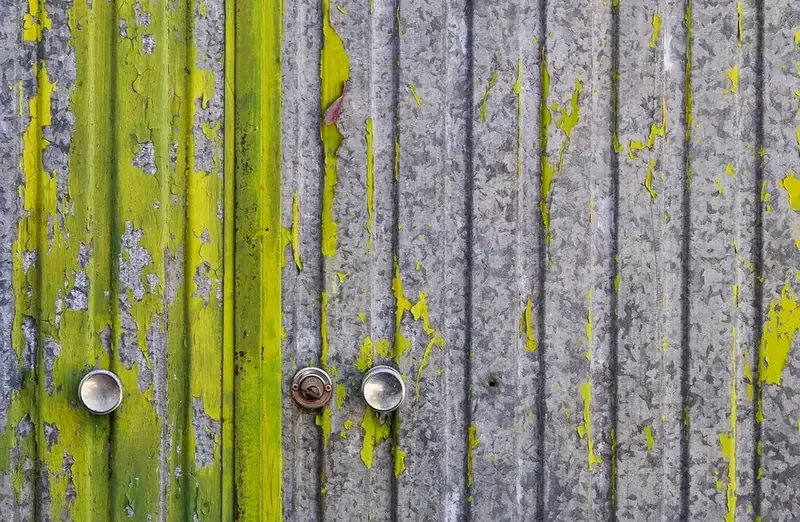
New galvanized metal should weather at least six months before it is coated. If it cannot wait, solvent clean it and apply a test patch, letting the patch dry for at least one week before checking adhesion. Source: Sherwin-Williams Pro-Cryl Universal Primer data sheet, 2026
Note that two makers disagree on cleaners: Behr’s sheet tells you to scrub bare metal with mineral spirits or acetone, while Sherwin-Williams says not to use hydrocarbon solvents for cleaning before its primer. The fix is simple: use whatever the data sheet for your own primer and paint says, and do not mix advice between brands.
If your door is fiberglass instead of metal, the primer logic changes again, and our walkthrough on whether a fiberglass door can be painted covers it.
Do You Need Primer on a Steel Door?
A common rule says always prime metal first. For a brand-new steel entry door that is not accurate. Therma-Tru ships its steel doors with a factory-applied primer and says priming is not needed if the door is finished promptly, within several days of installation. That primer is only a temporary rust retardant, so waiting months before painting is what creates the need for more prep.
Prime when the factory coat has been breached: signs of rust, or a deep scratch that shows silver or non-white metal. In that case Therma-Tru calls for sanding with 150 grit, then 220 or finer, until the spot is rust-free, flush and smooth, followed by a small amount of alkyd primer on the sanded area. Bare wood in the frame is separate: primer and finish within two weeks of installation or weather exposure.
“Early signs of rust should NEVER be ignored nor simply primed or painted over.”
For rust that has already spread, see our guides to removing rust from painted metal and how to protect metal from rust before you reach for a topcoat.
How to Paint an Exterior Metal Door, Step by Step

- Remove hardware: Therma-Tru says to take off locks, strike plates, house numbers, knockers and hinges rather than simply masking them, and to pull the friction-fit weather-stripping out gently.
- Wash the door: Use mild detergent and water or a TSP solution, rinse well and let it dry completely.
- Fix defects: Sand rust spots or deep scratches as described above and spot-prime them. Dull any glossy old paint, then remove the sanding dust before painting.
- Check conditions: Work between 50 and 90 F with humidity under 85% and the door out of direct sun.
- Paint edges first: Finish the top, bottom and side edges, since all six sides of the door need coating, then roll or brush the face in thin coats.
- Use the right tools: Behr lists a high-quality synthetic brush or a 1/4 to 3/8 inch mohair, foam or flocked roller cover, and says not to thin its DTM paint.
- Respect recoat time: It varies by product. Behr’s DTM sheet gives 1 hour to touch and 3 hours to recoat at 77 F and 50% humidity, and our Behr drying time chart compares other lines.
- Reinstall last: Put hardware and weather-stripping back only when the paint is fully dry, and go easy on scrubbing, since the same Behr sheet lists a four week full cure.
If you are sanding old paint, take care. The Behr and Sherwin-Williams sheets both warn that scraping or sanding old paint can release lead dust, and Sherwin-Williams advises a NIOSH-approved respirator and cleaning with a HEPA vacuum and a wet mop. Our guide to how to remove old paint covers stripping safely.
Numbers to Know Before You Open the Can
| Item | Figure | Source |
|---|---|---|
| Painting temperature | 50 to 90 F, humidity under 85%, no direct sun | Therma-Tru |
| Finish a new steel door | Within several days of installation | Therma-Tru |
| Prime bare wood frame parts | Within 2 weeks | Therma-Tru |
| Behr DTM semi-gloss dry times | 1 hour touch, 3 hours recoat, 4 weeks full cure (77 F, 50% RH) | Behr data sheet |
| Behr DTM sheen | 45 to 55 gloss units at 60 degrees | Behr data sheet |
| Behr DTM coverage | 350 to 400 sq ft per gallon | Behr data sheet |
| Rust-inhibitive primer minimum temperature | 35 F (Pro-Cryl Universal) | Sherwin-Williams |
| Re-inspect finish | At least yearly; more often within about 5 miles of salt water | Therma-Tru |
Coverage matters when you buy: at roughly 350 square feet per gallon, a quart of a DTM-class paint covers about 90 square feet, which is more than enough for both faces of a standard entry door. Check the spread rate printed on your own can before relying on that.
Best Sheen and Color for an Exterior Metal Door
Satin and semi-gloss are the practical choices. Semi-gloss, which Behr’s DTM sheet measures at 45 to 55 gloss units, wipes clean easily, and Therma-Tru notes that semi-gloss and glossy paints should be refinished when the surface turns dull or rough, which gives you a visible cue. Satin hides roller marks better, and door-specific paints such as the Rust-Oleum pick above come in satin.
Dark colors deserve a warning. Therma-Tru’s sheet says a dark color on one of its fiberglass doors can get extremely hot in direct sunlight, and that is a fair caution for any exterior door. On a south or west facing entry, ask your door maker whether its warranty limits dark colors before you buy a deep navy or black.
Common Mistakes When Painting a Metal Door
- Using automotive paint or stain, both of which Therma-Tru says not to use on its steel doors.
- Masking hardware instead of removing it, which leaves unpainted edges and exposed metal.
- Painting over early rust instead of sanding it out first.
- Skipping the top, bottom and side edges, since Therma-Tru says all six sides of the door must be finished and maintained.
- Painting galvanized metal without a test patch, which Sherwin-Williams recommends when the zinc cannot weather first.
- Painting in direct sun, high humidity or cold weather.
Frequently Asked Questions
What is the best paint for an exterior metal door?
Exterior-grade acrylic latex in satin or semi-gloss. Therma-Tru’s steel door finishing instructions call for high-quality acrylic latex house paint, exterior grade on outside surfaces, and warn against automotive paint. Match the primer to the metal: none for factory-primed steel painted within days, a non-ferrous primer or direct-to-metal paint for galvanized and aluminum.
Can you use oil-based paint on an exterior metal door?
You can, but acrylic latex is the door maker’s recommendation for the topcoat. Alkyd has a narrower job: Therma-Tru specifies an alkyd primer for sanded rust spots. If you are painting over an old oil-based exterior finish, Behr’s direct-to-metal data sheet says to prime exterior alkyd surfaces first.
Do you need to prime a steel door before painting?
Not if it is factory-primed and you paint it promptly. Therma-Tru says priming is not needed when its steel door is finished within several days of installation. Prime when you see rust or deep scratches that expose bare metal, using an alkyd primer after sanding the spot with 150 then 220 grit.
Can you paint a galvanized or aluminum door?
Yes, with the right prep. Remove oil and grease with a solvent cleaner, abrade the surface, and use a primer or direct-to-metal paint rated for non-ferrous metal. Sherwin-Williams says new galvanizing should weather at least six months before coating, or be solvent cleaned and test-patched, with the patch drying a week before you check adhesion.
What temperature is best for painting an exterior metal door?
Between 50 and 90 degrees Fahrenheit, with humidity under 85 percent and the door out of direct sunlight, according to Therma-Tru’s finishing sheet. Always check your own can too, because products differ on minimum temperature and recoat time.
Conclusion
Choose an exterior acrylic latex, then let the metal decide the prep: a prompt coat over factory primer for new steel, a sanded alkyd spot-prime where rust shows, and a non-ferrous primer or DTM paint for galvanized and aluminum. Clean the door, paint in mild dry weather, and let the finish cure before heavy use.
Sponsored / affiliate links. As an Amazon Associate I earn from qualifying purchases. I may earn additional commission from eligible campaigns.