Can You Spray Paint Over Rust? Smart Fix Guide
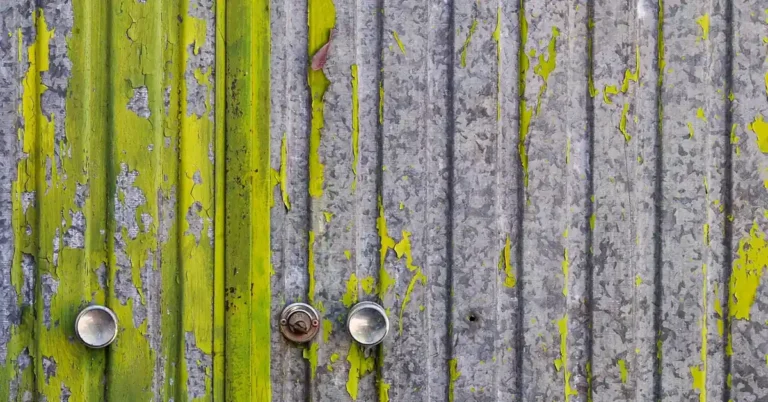
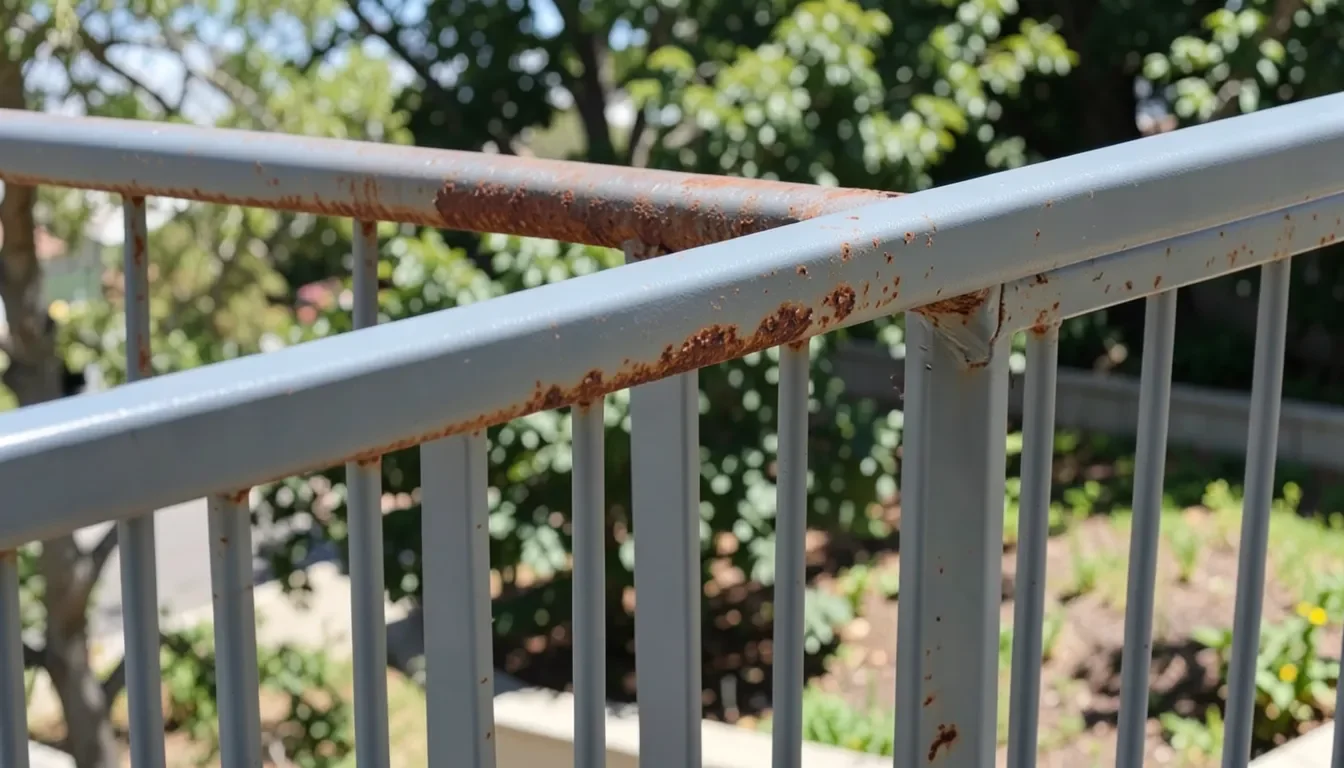
Yes, you can spray paint over rust — but only with proper surface prep and a rust-inhibiting primer, not by skipping straight to color. Paint applied directly over rust with no prep looks fine for a few weeks, then bubbles, peels, and lets rust bleed back through, because the rust itself is still active underneath and loose rust never bonded to the surface in the first place.
Preparing The Surface
The Step Most DIY Paint Jobs Skip
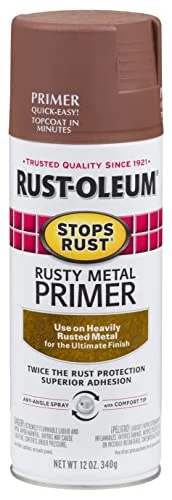 |
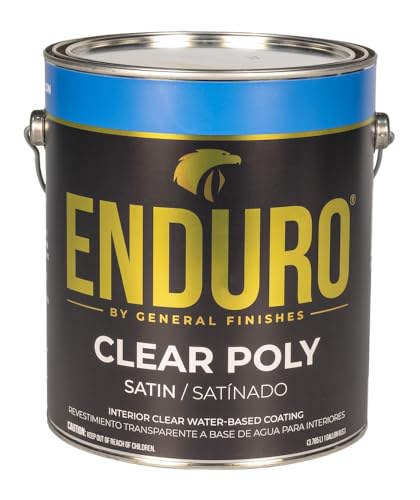
Rust-Oleum Stops Rust Rusty Metal Primer, 12 oz – $6.47 Formulated specifically for heavily rusted metal (not bare metal) — the actual product category that makes painting over rust hold up rather than fail in months.
|
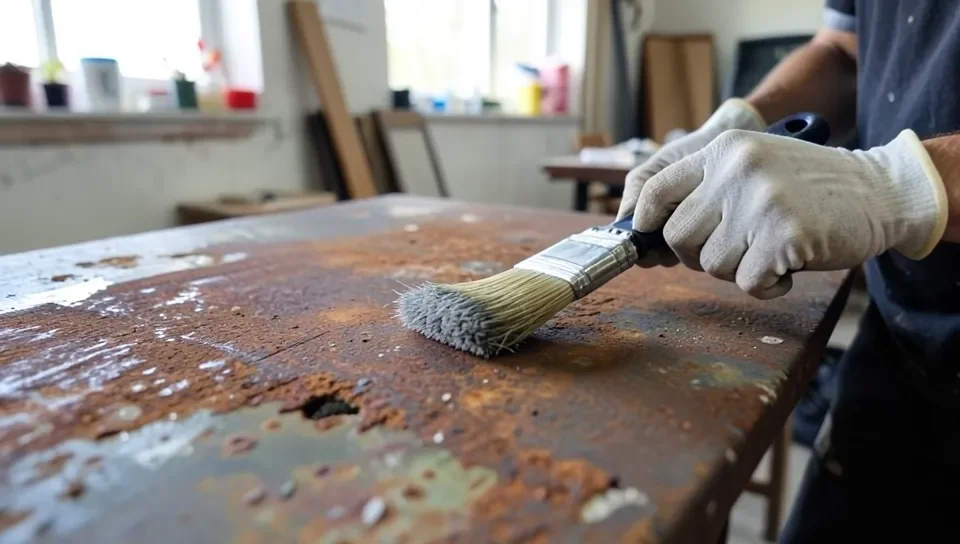
Start by removing all loose, flaking rust with a wire brush, wire wheel, or sandpaper — anything that isn’t firmly bonded to the metal has to come off, since paint applied over loose rust just peels off along with it. Clean the surface afterward with a degreaser or mild soap and water to remove dust, oil, and residue, then let it fully dry. A final light sanding (220-grit or similar) roughens the surface enough to give primer something to grip, improving adhesion noticeably over a smooth or glossy remaining surface.
Why A Rust-Inhibiting Primer Isn’t Optional
A rust-inhibiting primer does two real jobs a standard primer doesn’t: some formulas chemically convert remaining trace rust into a stable, paintable surface, while others use pigments that form a moisture/oxygen barrier to stop remaining rust from continuing to spread underneath the paint. Either mechanism addresses the actual problem — rust is an ongoing chemical reaction, not a static stain, so painting over it without addressing that reaction just delays visible failure rather than preventing it. Skipping this step is the single most common reason a DIY rust paint job fails within a season.
Choosing A Topcoat
Match the topcoat to the primer’s chemistry (oil-based primer with oil-based or compatible topcoat, per the product’s own label) rather than assuming any spray paint works over any primer — incompatible layers can cause the topcoat to lift or wrinkle. For outdoor or high-exposure metal, a paint specifically labeled for metal/rust protection holds up better than a general-purpose spray paint, since it’s formulated with the same UV and moisture resistance the primer layer is providing underneath.
Application: Primer, Then Topcoat
- Apply primer in thin, even coats — multiple light passes beat one heavy coat, which is more prone to drips and uneven curing.
- Respect the primer’s dry/recoat window printed on the can — applying topcoat too early (before the primer has properly cured) or waiting too long past the recommended recoat window can both hurt adhesion.
- Apply topcoat the same way — thin, even, multiple coats rather than one thick one.
- Let full cure time pass before heavy use — “dry to the touch” and “fully cured” are different states; full hardness and chemical/moisture resistance can take days longer than the surface-dry time.
Common Problems And Fixes
Rust bleed-through (orange/brown spots appearing on top of finished paint) almost always means either the initial prep left active rust behind or the primer coverage was insufficient. Fix it by sanding back the affected spot to expose the rust, cleaning thoroughly, and re-applying primer and topcoat to that area specifically — there’s no shortcut that skips redoing the prep on the affected spot. Drips and runs come from applying paint too heavily in one pass; let them fully dry, then sand level and repaint that section with thinner coats. Uneven coverage is usually a technique issue (inconsistent spray distance or speed) — a steady, consistent distance (check the can’s recommendation, often 10-16 inches) with overlapping passes gives the most even result.
Maintaining The Finish
Clean painted metal periodically with mild soap and water (avoid abrasive cleaners, which can scuff the finish), and inspect for chips or scratches regularly — a small chip caught early and touched up with matching primer and paint prevents it from becoming a re-entry point for new rust. For outdoor pieces, a clear protective topcoat adds UV and moisture resistance beyond the base paint, and storing or covering furniture-type items during severe weather extends the finish’s life meaningfully compared to constant direct exposure.
If you’d rather buy an already-finished piece than restore rusted metal furniture yourself, see our best paint for rusty metal buying guide for specific product recommendations across common project types.
Safety Basics
- Work in a ventilated area: spray primer and paint fumes build up quickly in an enclosed space — work outdoors or with doors/windows open and a fan moving air, not in a closed garage.
- Wear a respirator rated for organic vapors, not just a dust mask, when spraying — paint and primer fumes aren’t filtered by a basic dust mask.
- Check for lead paint before sanding old painted metal: if the rusted item has old paint of unknown age (pre-1978 in the US is a reasonable rule of thumb), test for lead before aggressive sanding, which can release lead dust into the air.
- Keep spray cans away from open flame or heat sources both during use and storage — aerosol propellants are flammable.
Frequently Asked Questions
Can you spray paint directly over rust without primer?
You can, but it won’t last — without a rust-inhibiting primer, the rust reaction continues underneath the paint, typically causing bubbling, peeling, and rust bleed-through within a season or less.
What causes rust bleed-through after painting?
Incomplete rust removal during prep or insufficient primer coverage, most commonly. Fix it by sanding back to expose the rust, cleaning thoroughly, and re-priming and repainting that specific area.
How long should you let primer dry before painting over rust?
Follow the specific product’s recoat window printed on the can — both painting too early and waiting past the recommended window can hurt adhesion between primer and topcoat.
Conclusion
Spray painting over rust works reliably when you do two things: remove all loose rust and properly prep the surface, then use a genuine rust-inhibiting primer before any topcoat. Skip either step and the paint job fails fast, regardless of how good the topcoat paint itself is.
Sponsored / affiliate links. As an Amazon Associate I earn from qualifying purchases. I may earn additional commission from eligible campaigns.