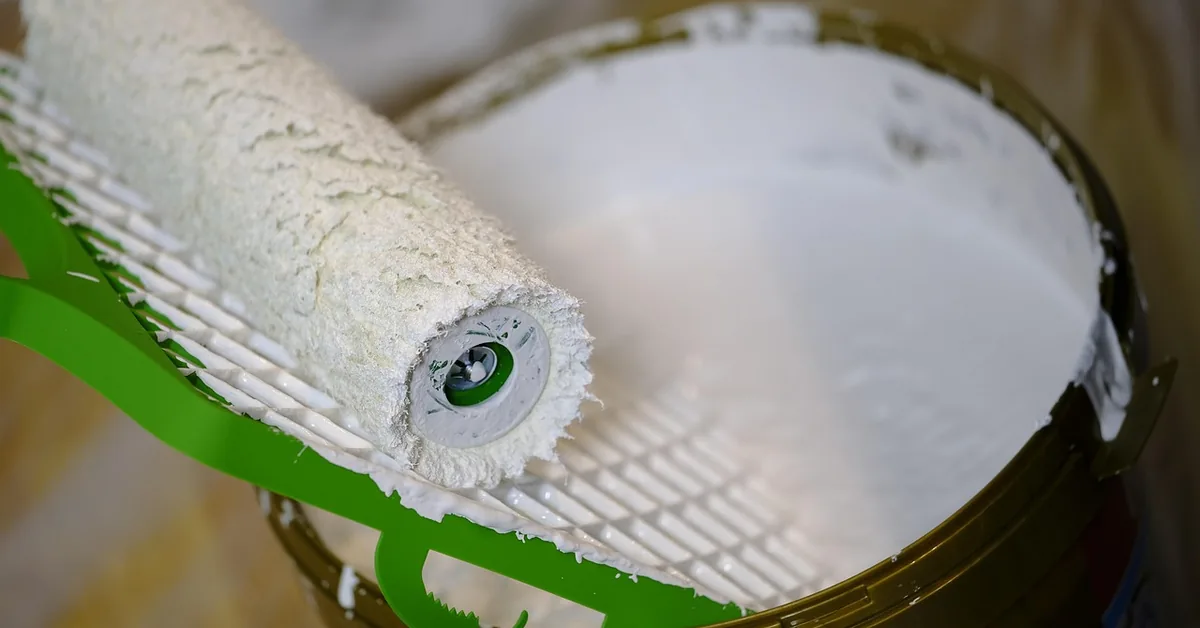
How to Keep a Paint Roller From Drying Out Between Coats
A paint roller stays wet by blocking air, not by adding water — wrap it tightly in plastic wrap or foil, squeeze out the air, and it stays paintable up to 24 hours at room temperature or 2–3 days refrigerated. Skip the seal and latex starts skinning over in as little as 4 hours. This guide covers the fastest wrap-and-bag method, exact storage times by paint type, and why freezing ruins latex but not oil-based paint.
Why Paint Rollers Dry Out Between Coats
Best Roller-Saving Pick
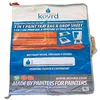
Kovrd 2-in-1 Reusable Paint Tray Storage Bag & Drop Cloth
A reusable bag sized to fit a 5-gallon tray liner — it holds a wet roller and tray together so you skip the wrap-and-fold step entirely between coats.
- Best for: Multi-day projects where you’re re-loading the same tray each session
- Why we picked it: One bag replaces both the tray liner and the roller wrap, so there is less to seal and less that can go wrong
- Main drawback: Bulkier than a plain bag, so it needs a flat spot to store rather than a fridge shelf
Compare more roller-saving options
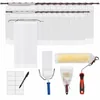 Option 1 24-Pack Clear Paint Brush & Roller Covers (Drawstring)
|
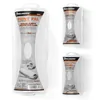 Option 2 ROLLINGDOG Roller Sleeve Protective Case
|
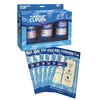 Option 3 Touch Up Cup Paint Storage Containers with Roller Bags
|
As an Amazon Associate we earn from qualifying purchases.
A paint roller dries out because the water or solvent in the paint evaporates as soon as the nap is exposed to moving air — the pigment and binder left behind harden into a stiff, unusable crust. It has nothing to do with time passing on its own; a roller sealed away from air can stay paintable for days, while one left in an open tray can start crusting in under four hours. Every method below works by controlling one thing: how much air reaches the wet paint.
The Fastest Way: Wrap and Bag It Airtight
For any break under a day, this is the method to use. It takes under a minute and needs nothing you don’t already have on hand.
- Scrape off the excess: Roll off any pooled paint against the tray edge so the wrap seals against the roller itself, not a puddle.
- Wrap it tight: Cover the entire nap and both end caps in plastic wrap or aluminum foil, going around at least twice. Foil holds a tighter seal than wrap for anything longer than a couple of hours.
- Bag it and press out the air: Slide the wrapped roller into a zip-top bag, push out every pocket of air before you seal it, and lay it flat.
- Store it cool: A countertop or cabinet is fine for a same-day break. For overnight or longer, move to the next section.
- Let it warm up before reuse: If it came out of the fridge, give it 30–60 minutes at room temperature so the paint flows again before you load the tray.
Choosing the Right Roller Material
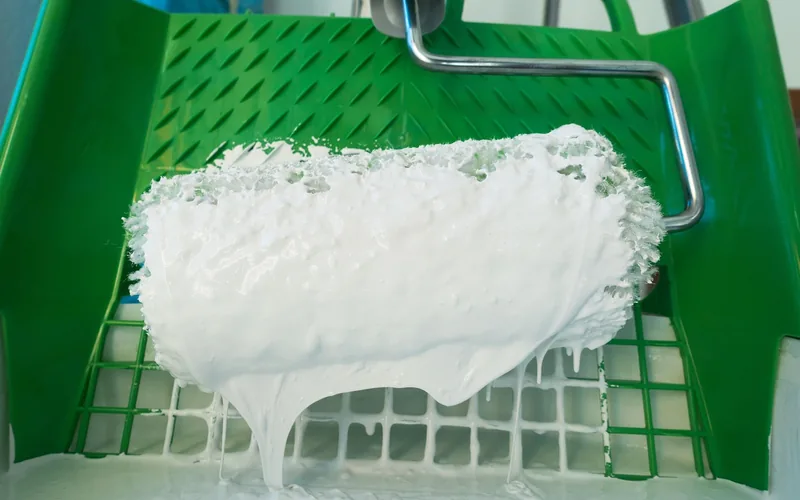
The cover you buy determines how long it holds moisture before you even wrap it. Woven and knit covers (wool blends, microfiber) hold more paint deep in the nap and resist drying longer than thin synthetic foam. Cheap foam covers dry out fastest because the closed-cell foam holds paint only at the surface, where it is fully exposed to air. If you’re painting cabinets or trim specifically, see our guide to the best paint roller for a smooth cabinet finish for nap sizing by surface.
A better cover also survives more wrap-and-reuse cycles without matting, so spending a little more up front pays off across a multi-day project.
How Long Can a Paint Roller Stay Wrapped?
How long a sealed roller lasts depends on the method and the paint type — not just on wrapping it “tightly.” Here’s the realistic range for each approach:
| Storage Method | Best For | Max Time Before Reuse |
|---|---|---|
| Plastic wrap only, room temp | A quick lunch break | 2–4 hours |
| Wrap + sealed bag, air pressed out, room temp | Same-day painting, overnight at most | Up to 24 hours |
| Sealed bag, refrigerated (35–40°F) | Multi-day latex/water-based projects | 2–3 days |
| Sealed bag, freezer | Oil-based paint only, long pauses | Several weeks |
📊 Air exposure is the trigger, not time itself — an unwrapped roller in an open tray can start forming a dry skin in under 4 hours, while a sealed one lasts 6–18x longer. Source: paint solvent/water evaporation behavior documented across professional painting references.
“Painters who seal a wet roller or brush in a bag with the air pressed out routinely keep it usable for several days in the refrigerator — long enough to finish a multi-room job without washing between coats.”
Storing a Roller Overnight or Longer
For overnight breaks, the wrap-and-bag method above is enough — just move the sealed bag to the refrigerator instead of the counter. Lay it flat so the nap doesn’t get crushed against the bag seam.
For anything past two or three days, cleaning the roller properly is more reliable than storage. A roller cover left sealed for a week, even refrigerated, often comes out stiff at the core even if the surface looks wet — and a stiff core won’t release paint evenly on the wall.
Can You Freeze a Paint Roller?
Freezing works for oil-based paint but not for latex. Oil-based (alkyd) paint doesn’t contain water, so it tolerates freezer temperatures without changing consistency — a roller loaded with oil-based paint can go in the freezer for long-term pauses between coats. Latex and acrylic paints are water-based, and freezing can break the paint’s emulsion, leaving it stringy, clumped, or separated once it thaws. For latex, the refrigerator (not the freezer) is the coldest safe option. If a can of paint itself has frozen in storage rather than the roller, check whether frozen paint is still good before you use it.
Using Specialized Products
Purpose-made roller savers — hard cases, drawstring poncho bags, or combined tray-and-roller bags like the pick above — solve the same problem as plastic wrap and a zip-top bag, just with less fuss and a tighter, more repeatable seal. They’re worth the small cost if you paint often enough that washing a roller after every session gets old.
Common Mistakes to Avoid
Most dried-out rollers come down to one of these two habits.
Improper Storage Techniques
Leaving a loaded roller uncovered — even for “just a few minutes” — is the single most common cause of a dried nap. Cover it the moment you set it down, keep it out of direct sunlight (heat speeds evaporation), and always press the air out of the bag before sealing. A loosely folded bag with air pockets inside barely outperforms no bag at all.
Neglecting Cleaning Procedures
Once a roller has been wrapped and reused across a project, clean it properly at the end rather than bagging it indefinitely. Rinse latex rollers with water until it runs clear; use the correct solvent for oil-based paint. A roller stored dirty “for later” often gets forgotten and hardens for good. See our full guide on cleaning and reusing paint rollers for the complete process by paint type.
Expert Insight: Why the Bag Method Beats a Damp Towel
A damp towel works for a short break, but it relies on the towel itself staying moist — once it dries out, so does the roller underneath it. An airtight bag with the air pressed out doesn’t depend on anything staying wet; it simply stops new air from reaching the paint at all, which is why it outlasts every damp-cloth method by a wide margin.
Frequently Asked Questions
How Do You Store a Paint Roller Overnight?
Wrap the loaded roller tightly in plastic wrap or foil, slide it into a zip-top bag, and press out all the air before sealing. For overnight storage, place the sealed bag in the refrigerator rather than leaving it at room temperature — this keeps latex paint wet without the nap drying at the edges. Let it sit out 30–60 minutes before reloading the tray.
Can I Reuse a Paint Roller the Next Day?
Yes. A roller wrapped tightly and refrigerated overnight is fully usable the next day — bring it to room temperature first so the paint flows evenly again. If it feels stiff at the core rather than just at the surface, the seal likely had a gap and the roller is better off cleaned and replaced than forced back into use.
What’s the Best Way to Prevent Roller Drying?
Block air from reaching the wet paint: wrap the roller tightly in plastic wrap or foil, then seal it in a zip-top bag with the air pressed out. This single step prevents more dried-out rollers than any other single change, because air exposure — not time alone — is what causes the paint to skin over.
How Long Can a Wrapped Roller Last?
A roller wrapped in plastic and sealed in a bag lasts about 24 hours at room temperature. Move that same sealed bag to the refrigerator and latex paint stays workable for 2–3 days. Oil-based paint can go even longer in the freezer, since it doesn’t contain water that can freeze and separate.
Can You Put a Paint Roller in the Freezer?
Only if it’s loaded with oil-based paint — the freezer works well for oil-based rollers during long pauses between coats. Never freeze a roller loaded with latex or acrylic (water-based) paint; freezing can break the paint’s emulsion and leave it stringy or clumped once it thaws. For latex, the refrigerator is the coldest safe storage option.
Why Does a Paint Roller Dry Out So Fast in the First Place?
Air reaching the wet paint causes the water or solvent to evaporate, leaving the pigment and binder to harden into a stiff crust. An uncovered roller in an open tray can start crusting in under four hours, while the same roller sealed airtight in a bag can stay usable for days. Heat and direct sunlight speed up the evaporation further.
Conclusion
Blocking air, not adding moisture, is what keeps a paint roller usable between coats. Wrap it tight, press the air out of the bag, and match the storage spot to how long you’re actually pausing — counter for a few hours, fridge for a few days, freezer only for oil-based paint. Skip the guesswork and you’ll skip buying a new roller for every touch-up. For more on prepping, priming, and finishing wood surfaces, browse our full paints guide.
Sponsored / affiliate links. As an Amazon Associate I earn from qualifying purchases. I may earn additional commission from eligible campaigns.