Can You Spray Kilz Primer? Yes, But Thinning Depends Which One You Have
Yes, every Kilz primer can be sprayed, but “Kilz” is not one product – it is a lineup spanning a thick oil-based original formula to thinner water-based versions, and each needs different thinning and a different sprayer setup. Guides that just say “yes, spray it” without naming which Kilz you have are skipping the part that actually determines whether you get a smooth coat or a clogged gun.
Match the Setup to Your Specific Kilz Formula
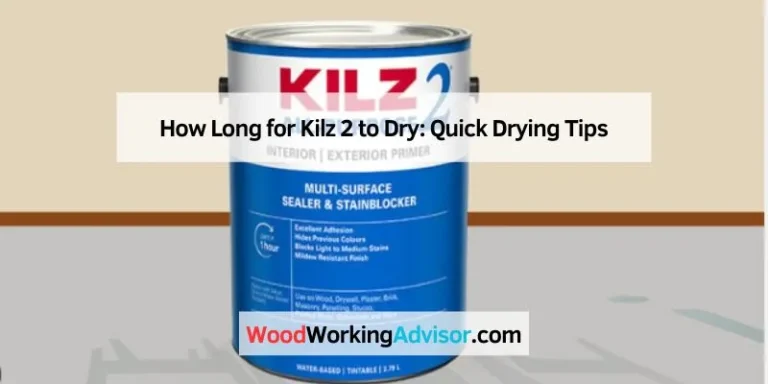
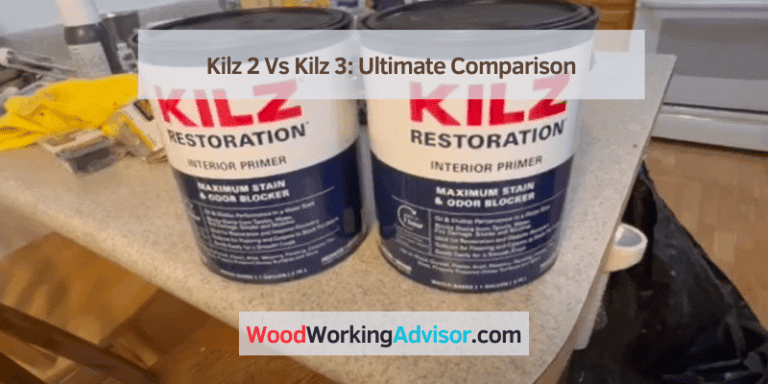
Kilz Original is oil-based and thick, built for maximum stain blocking on smoke damage, water stains, and tannin bleed. It needs real thinning, typically 10 to 20% by volume with mineral spirits, and a larger spray tip (around 1.8 to 2.2mm for an HVLP gun) to avoid clogging. Kilz Premium and Kilz 2 are water-based, noticeably thinner out of the can, and usually need only 5 to 10% water added, if any, through a standard HVLP setup with a 1.3 to 1.5mm tip. Kilz Restoration is the thickest of the water-based lines, closer to a ceiling-texture consistency, and performs better through an airless sprayer than an HVLP gun unless it is thinned more aggressively than the label suggests.
Best HVLP Sprayer For Priming Projects
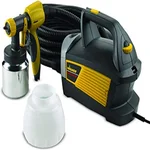 |
Wagner Control Spray Max HVLP Paint Sprayer – $155 An HVLP sprayer built to handle thinned latex and stain-blocking primers, with adjustable material flow for the thicker Kilz formulas.
|
Test Viscosity Instead of Guessing
A viscosity (Zahn or Ford) cup takes the guesswork out: fill it, time how long it takes to drain through the bottom hole, and compare against your sprayer manufacturer’s recommended range, usually printed in the manual. If you do not have a cup, a simpler test works almost as well – the primer should pour off a stir stick in a steady stream, not clumps, and should not visibly slow down your gun’s trigger pull compared to spraying plain water through it.
Spraying Technique
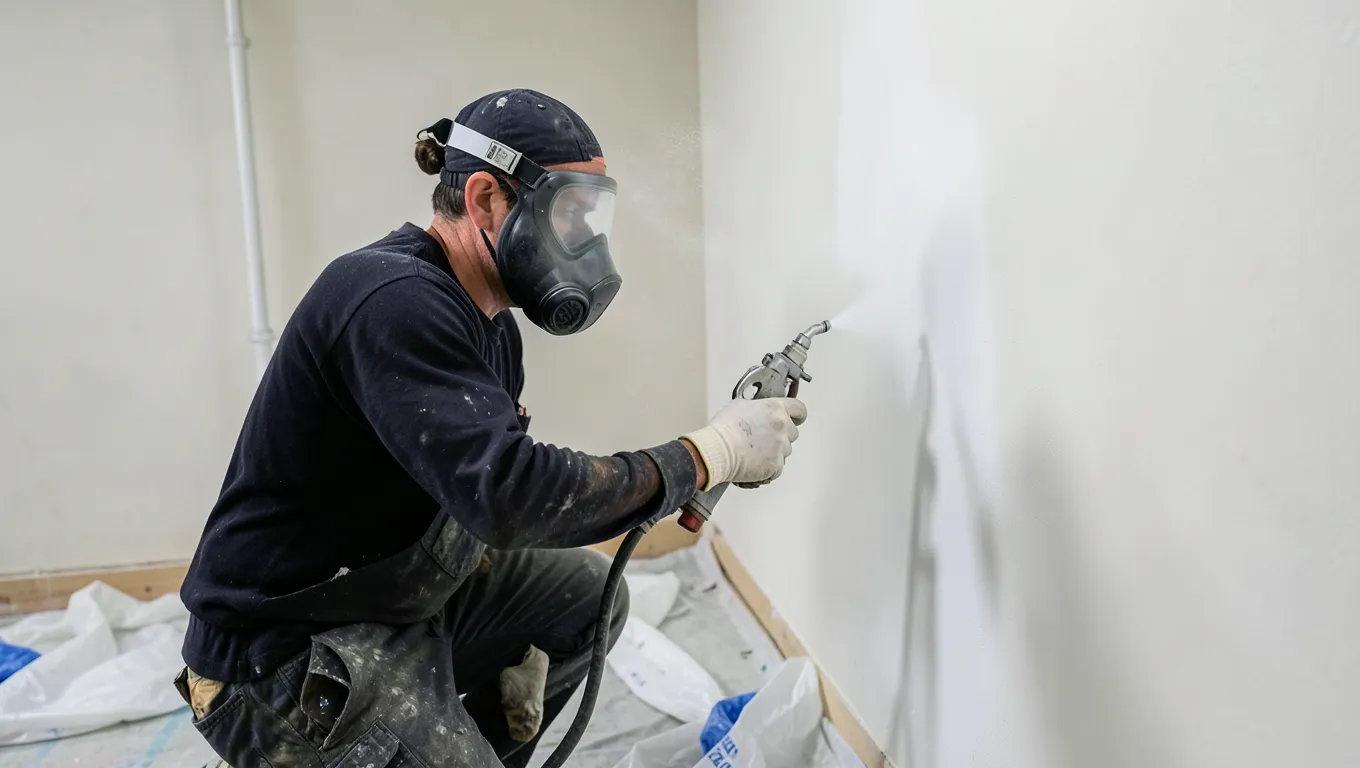
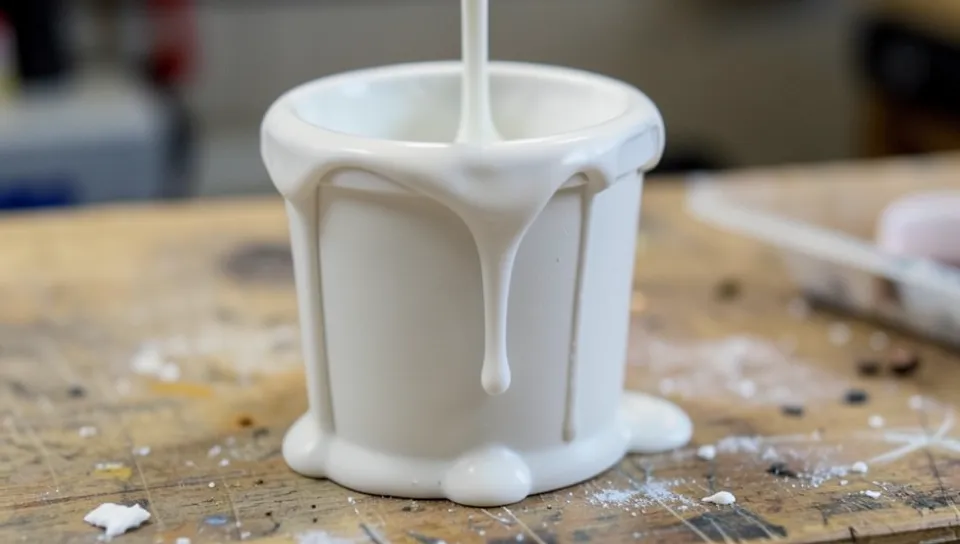
Hold the gun 10 to 12 inches from the surface and keep it moving in a straight, even pass rather than an arcing wrist motion, which lays down more material at the center of the stroke than the edges. Overlap each pass by about 50% over the previous one. Two thin coats, each allowed to flash off per the label’s recoat time, lay down more evenly and with less risk of sagging or dripping than one heavy coat.
Ventilation and Safety
Oil-based Kilz Original carries real solvent fumes, and atomizing it into a fine mist through a sprayer increases your exposure compared to brushing it on. Work with cross-ventilation (a fan pulling air out, not just a window cracked), wear a respirator rated for organic vapors, not just a dust mask, and mask off anything nearby you do not want overspray landing on – spray primer travels further on the air than most people expect.
Frequently Asked Questions
Can Kilz primer be sprayed straight from the can?
Thinner water-based versions like Kilz Premium sometimes can with a wide-tip HVLP setup, but thicker formulas like Kilz Original and Kilz Restoration almost always need some thinning first to avoid clogging the gun.
What do I use to thin oil-based Kilz primer for spraying?
Mineral spirits, typically 10 to 20% by volume, thins oil-based Kilz Original enough for most HVLP sprayers. Check your specific sprayer’s manual, since the ideal ratio varies by equipment.
What sprayer tip size works for Kilz primer?
A 1.3 to 1.5mm tip generally works for thinner water-based formulas. Thicker formulas like Kilz Original need a larger tip, around 1.8 to 2.2mm, to avoid clogging.
Is spraying Kilz primer more dangerous than brushing it on?
Spraying atomizes the primer into a fine mist, increasing inhalation exposure compared to brushing, especially with oil-based formulas. Use cross-ventilation and an organic vapor respirator, not just a dust mask.