Can You Stain Pine? Best Tips for a Smooth Finish
Learning how to stain pine can feel tricky sometimes. Pine wood looks great, but it can soak up stain unevenly. This often leaves beginners frustrated with blotchy results. Don’t worry, it’s a common challenge! We’ll walk through simple steps to help you get a beautiful, smooth finish. You’ll learn how to prep your wood and apply stain so it looks just right, every time.
Understanding Pine Wood for Staining
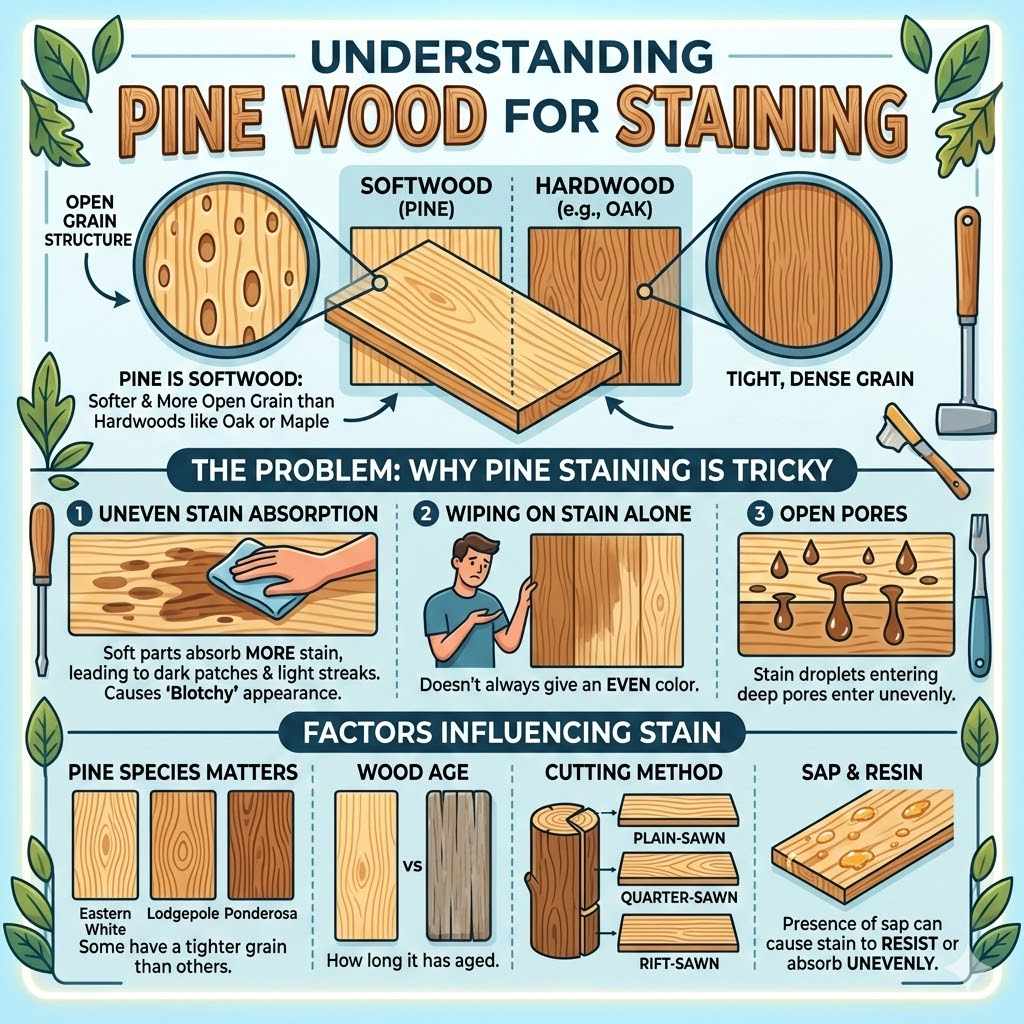
Pine is a softwood, which means it’s softer and has a more open grain than hardwoods like oak or maple. This open grain is why it’s often described as “blotchy” when stained. The soft wood absorbs more stain than the harder parts of the wood, leading to dark patches and light streaks. This natural characteristic means that simply wiping on a stain won’t always give you the even color you’re hoping for.
Several factors influence how pine takes stain. The species of pine matters, with some having a tighter grain than others. The age of the wood and how it was cut can also play a role. Additionally, the presence of sap can cause areas to resist stain or absorb it unevenly. Understanding these properties is the first step to achieving a beautiful stain job.
Why Pine Wood Needs Special Treatment for Staining
Pine’s unique structure presents a common hurdle for DIYers and even some professionals. Unlike denser hardwoods that absorb stain more uniformly, pine’s varying density means stain penetration is inconsistent. This leads to a patchy appearance, often called “blotching,” which can be disappointing after hours of work. It’s like trying to paint a sponge – some parts soak up way more than others.
Many beginners find themselves wrestling with this unpredictability. They might follow standard staining instructions only to end up with results that don’t match their vision. This can make them feel like they don’t have a knack for woodworking or finishing. However, with the right preparation and techniques, these issues can be overcome, leading to a professional-looking outcome.
Preparing Pine Wood for an Even Stain
Proper preparation is the absolute key to successfully staining pine. Think of it as setting the stage for a great performance. Without good preparation, even the best stain will look disappointing. This involves cleaning, sanding, and conditioning the wood. Each step builds upon the last to ensure the stain can be absorbed evenly.
Cleaning the Wood
Before you start any sanding, make sure the pine is clean. Dust, dirt, and any oils can prevent the stain from penetrating properly. You can use a damp cloth or tack cloth for this. A tack cloth is a sticky material that picks up fine dust particles that a regular cloth might miss. This ensures a clean surface for sanding, which is crucial.
Dust is the enemy of a smooth finish. Even small amounts can get mixed with the stain, creating a gritty texture. Wiping down the wood with a slightly damp cloth and then using a tack cloth right before staining helps remove all the fine particles.
Sanding for Smoothness
Sanding is vital for opening up the wood grain and creating a smooth surface. You’ll want to start with a coarser grit sandpaper, like 100 or 120 grit, to remove any rough spots or mill marks. Then, you’ll move to a finer grit, typically 180 or 220 grit. The goal is to create a uniform surface that the stain can adhere to evenly.
Always sand in the direction of the wood grain. Going against the grain will create scratches that can be very noticeable once the stain is applied. After sanding with each grit, it’s important to remove all the dust before moving to the next. A vacuum attachment on your sander, followed by a good wipe-down with a tack cloth, works best.
Using a Pre-Stain Wood Conditioner
This is perhaps the most important step for preventing blotching on pine. A pre-stain wood conditioner, sometimes called a wood conditioner or grain sealer, helps to even out the absorption of stain. It works by sealing the pores in the wood that tend to absorb more stain. This ensures the stain penetrates more uniformly across the entire piece.
Apply the conditioner according to the product’s instructions. Usually, you’ll brush it on and let it sit for a short period before wiping off any excess. It’s crucial not to let the conditioner dry completely on the surface, as this can create a barrier that prevents the stain from penetrating at all.
Choosing the Right Stain for Pine
The type of stain you choose can also impact the final look on pine. Different stains have different bases and pigments, and some are better suited for certain woods than others. Understanding the options will help you make a choice that complements the natural beauty of pine.
Oil-Based Stains
Oil-based stains are a popular choice for wood finishing. They penetrate the wood well and offer a rich, durable finish. For pine, they can sometimes still lead to blotching if the wood isn’t properly conditioned. However, they often produce a deeper color compared to water-based stains. They also dry more slowly, which can be helpful for beginners as it allows more working time.
Oil-based stains are known for their ability to bring out the natural warmth of wood. They tend to be more forgiving with application in terms of lap marks, especially if you’re working on a larger project. The fumes from oil-based products can be strong, so good ventilation is essential when using them. Cleanup typically requires mineral spirits.
Water-Based Stains
Water-based stains are known for their fast drying times and low odor. They are environmentally friendly and cleanup is easy with soap and water. However, they can sometimes raise the grain of the wood, requiring an extra sanding step after the first coat. For pine, they may also require careful application and conditioning to avoid blotching.
Water-based stains offer a wide range of colors and can be very vibrant. Because they dry quickly, it’s important to work efficiently to avoid visible brush strokes or lap marks. Some people prefer them for their ease of use and for projects where quick turnaround is needed.
Gel Stains
Gel stains are a thicker, more viscous product that sits on top of the wood rather than penetrating deeply. This makes them excellent for problematic woods like pine because they are much less likely to cause blotching. They offer a controlled application and can achieve a rich, opaque look. Gel stains are a fantastic option if you’re new to staining or have had trouble with blotching in the past.
Gel stains provide a more uniform color layer. They are almost like a thin paint but offer a wood-like finish. Because they don’t soak in as much, they are great for covering up imperfections or for achieving a specific, consistent look. They are also very forgiving for beginners, allowing you to wipe and re-wipe until you get the desired effect.
Applying Stain for a Smooth Finish
Once your pine is prepped and you have your chosen stain, it’s time for application. This is where all your preparation pays off. Working methodically and patiently will help you achieve the best results. Don’t rush this process; it’s better to take your time and get it right the first time.
The Application Process
Start by stirring the stain thoroughly. Don’t shake it, as this can create air bubbles. Apply the stain generously using a good quality brush or a clean rag. Always work in the direction of the wood grain. For larger projects, it’s helpful to work in sections to avoid lap marks.
Allow the stain to penetrate the wood for the time recommended by the manufacturer. This is usually between 5 to 15 minutes. The longer you leave the stain on, the darker the color will become. Keep an eye on the wood and your progress.
Wiping Off Excess Stain
After the recommended penetration time, use a clean, lint-free rag to wipe off the excess stain. Again, always wipe in the direction of the wood grain. This step is crucial for achieving an even color. You want to remove all the stain that hasn’t penetrated the wood.
Be sure to use a new, clean rag for each section you wipe down. If you use a rag that’s saturated with stain, you’ll just be spreading it around and it won’t look good. Consistent wiping pressure helps ensure an even color.
Dealing with Lap Marks
Lap marks are visible lines where one section of stain meets another, often due to drying. To avoid them, try to maintain a “wet edge” as you work. This means you overlap slightly onto the already stained area before it dries completely. Applying stain in long, continuous strokes can also help.
If you do notice lap marks, you can sometimes soften them by lightly sanding the area once the stain is dry and then re-staining. However, careful application from the start is the best way to prevent them. Working in good lighting also helps you see where you’ve applied stain and where you might have missed a spot.
Applying Multiple Coats
For a richer, deeper color, you can apply multiple coats of stain. After the first coat has dried completely (this can take 24-48 hours, depending on the stain type and humidity), lightly sand the wood with very fine-grit sandpaper, like 320 or 400 grit. This helps to smooth out the wood and remove any raised grain. Then, wipe away the dust and apply another coat of stain.
Each additional coat will deepen the color. It’s important to let each coat dry thoroughly before applying the next. This ensures the stain properly cures and adheres. Over-application without proper drying can lead to a gummy or uneven finish.
Sealing and Finishing Your Stained Pine
Once you’re happy with the color of your stained pine, the final steps are crucial for protecting your work and achieving a smooth, durable finish. A good topcoat will not only protect the stain from wear and tear but also enhance its appearance.
Choosing a Topcoat
There are several types of topcoats available, each with its own advantages. Polyurethane is a very durable option, available in oil-based and water-based formulas. Oil-based polyurethane will impart a slight amber tone to the wood, while water-based polyurethane dries clear. Varnish is another strong choice, offering good protection. Lacquer dries very quickly but is less durable than polyurethane.
Consider the intended use of the project. For furniture that sees a lot of traffic, a durable polyurethane is usually the best choice. For decorative items, a clear coat like a water-based poly might be sufficient. Always test your chosen topcoat on a scrap piece of wood to ensure it doesn’t alter the stain color too much.
Application of the Topcoat
Apply the topcoat in thin, even coats using a high-quality brush. Avoid applying it too thickly, as this can lead to drips and an uneven finish. Always work in the direction of the wood grain. Allow each coat to dry completely according to the manufacturer’s instructions before applying the next.
Between coats, lightly sand the surface with very fine-grit sandpaper (320-400 grit) and wipe away the dust. This step is called “de-nibbing” and helps to create a super smooth surface by knocking down any dust particles or imperfections from the previous coat.
Sanding Between Coats
This light sanding between coats is essential for achieving a professional, glass-like finish. It helps to create a smooth surface for the next layer of topcoat to adhere to. It also removes any small imperfections or dust that may have settled on the surface during drying.
Don’t apply too much pressure when sanding between coats; the goal is just to lightly scuff the surface. A soft cloth should then be used to remove all sanding dust. A tack cloth is excellent for this final dusting before applying the next coat.
Maintaining Your Stained Pine Projects
Proper care will keep your stained pine looking beautiful for years to come. Most finishes are quite durable, but they still benefit from some basic maintenance. Protecting the finish from excessive moisture and heat is important.
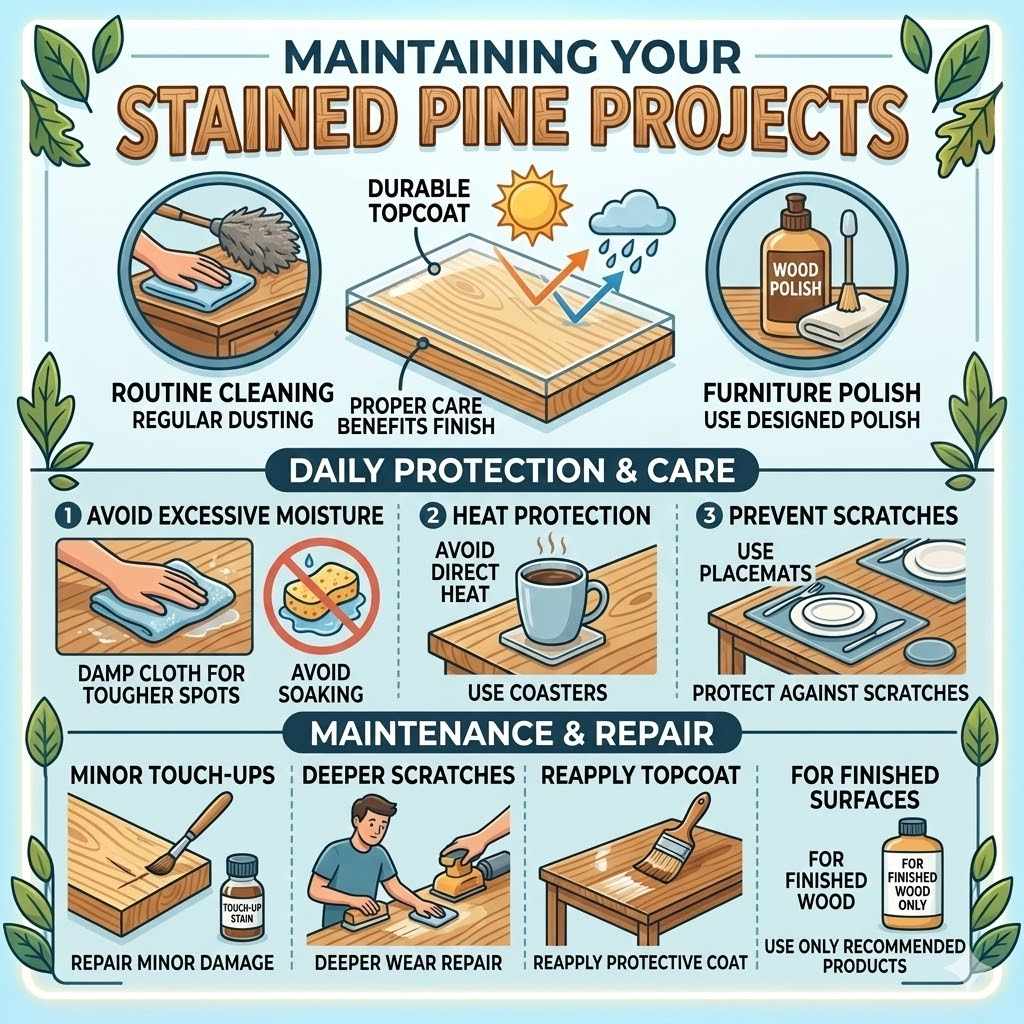
Regular dusting with a soft cloth is generally all that’s needed for routine cleaning. For tougher spots, a slightly damp cloth can be used, but avoid soaking the wood. If you’re cleaning furniture, consider using a furniture polish specifically designed for finished wood surfaces.
Avoid placing hot items directly on the surface, and use coasters or placemats to protect against scratches and moisture rings. If any damage does occur, minor touch-ups are often possible. For deeper scratches or wear, you might need to reapply a coat of the topcoat.
Frequently Asked Questions
Question: Can I stain pine without using a pre-stain conditioner?
Answer: While it’s possible to stain pine without a pre-stain conditioner, it’s highly likely to result in blotchy, uneven color. The conditioner is specifically designed to help pine absorb stain more uniformly, preventing the dark and light patches that often occur.
Question: How long does stain take to dry on pine?
Answer: Stain drying times vary depending on the type of stain (oil-based, water-based, gel) and environmental conditions like humidity and temperature. Generally, oil-based stains take 24-48 hours to dry before recoating, while water-based stains can dry faster, often within 4-6 hours. Always check the manufacturer’s instructions for specific drying times.
Question: What is the best grit sandpaper to use on pine before staining?
Answer: For preparing pine before staining, it’s recommended to start with a medium grit sandpaper, like 100 or 120, to remove any roughness. Then, progress to finer grits, such as 180 or 220, to create a smooth surface. Sanding with grits finer than 220 can sometimes close the wood pores too much, hindering stain absorption.
Question: Can I apply polyurethane directly over stain without sanding?
Answer: It’s generally recommended to lightly sand the stained surface with a very fine grit sandpaper (like 320 or 400) before applying polyurethane. This light sanding smooths the wood and removes any dust or raised grain, ensuring a better adhesion for the topcoat and a smoother final finish.
Question: Will gel stain look like real wood?
Answer: Yes, gel stain is designed to mimic the look of real wood while offering more control over application. It sits more on the surface than penetrating stains, which helps create a more uniform color and can even build up a bit of depth, giving a rich wood appearance without the blotching issues common with pine.
Conclusion
You absolutely can stain pine and achieve a beautiful, smooth finish. The key lies in understanding pine’s nature and taking specific preparation steps. Using a pre-stain conditioner is crucial for even absorption. Careful sanding and thoughtful application of your chosen stain and topcoat will ensure your project looks professional and lasts. You’ve got this!