Is Brazilian Pine Wood Good? What You’re Actually Buying
“Brazilian pine wood” is not one wood — it’s a trade name applied to two completely different species, and which one you have determines whether it’s legal, sustainable, and even available. One is Parana pine (Araucaria angustifolia), a native Brazilian conifer that’s now critically endangered and has been banned from export since 2001. The other is plantation-grown Brazilian pine (mostly Pinus elliottii and Pinus taeda), a fast-growing introduced species that supplies the vast majority of pine lumber, plywood, and furniture stock coming out of Brazil today.
This guide sorts out which one you’re actually buying, whether it holds up for furniture, flooring, and outdoor builds, and how to maintain it once it’s in your shop.
“Brazilian Pine” Is Actually Two Different Woods
Best Sealer For Outdoor Pine Projects
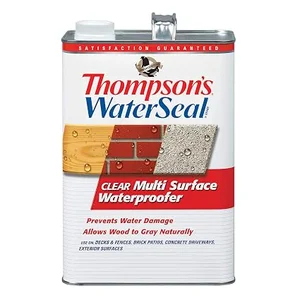 |
Thompson’s WaterSeal Multi-Surface Waterproofer – $17.97 Whichever Brazilian pine you have, it’s a softwood that absorbs moisture and fades in UV – this seals it in one coat.
|
The name confusion exists because two unrelated conifers share a common trade name. Parana pine (Araucaria angustifolia) is a true native of the Atlantic Forest region of southern Brazil, Paraguay, and northern Argentina — technically not even a true pine (genus Pinus), but a member of the older Araucariaceae family. It was once one of Brazil’s most heavily logged timber species, prized for long, knot-free boards, a straight grain, and a warm, reddish-brown heartwood.
Plantation Brazilian pine is a different story. Species like slash pine (Pinus elliottii) and loblolly pine (Pinus taeda) were imported from the southeastern United States starting in the mid-20th century specifically so Brazil could stop cutting down its native forests for lumber. These plantations now cover millions of acres and produce the pine plywood, packing crates, furniture-grade “whitewood,” and construction lumber that gets exported worldwide — often simply labeled “Brazilian pine” with no species distinction on the tag.
If you bought a board, a piece of furniture, or plywood described only as “Brazilian pine” from a home center or online retailer within the last two decades, it’s almost certainly the plantation species, not the native one.
Is Real Brazilian Pine (Parana Pine) Sustainable?
No — and this is the part most articles about Brazilian pine get wrong. Parana pine is listed as critically endangered on the IUCN Red List, with wild populations down more than 80% over the past three generations from decades of logging and habitat loss. Brazil’s environmental protection agency (IBAMA) also lists it as a threatened plant species, and the country banned exporting Parana pine timber outright in 2001.
That means genuinely, legally sourced Parana pine is very seldom available even inside Brazil, and virtually impossible to buy new in the US market. Any modern product claiming to be made from true Parana pine deserves a skeptical look — either it’s actually the plantation species mislabeled, it’s reclaimed or antique stock harvested decades ago, or it isn’t legitimately sourced.
Plantation-grown pine tells the opposite story. Fast-growing Pinus elliottii and Pinus taeda plantations were planted in Brazil specifically to take pressure off native forests, and planted forest now supplies the large majority of the country’s industrial timber from a small fraction of its total forested land. If sustainability matters to your purchase, the plantation pine sold under the same “Brazilian pine” name is the environmentally sound choice — the native version is the one to avoid.
How to Tell Which Brazilian Pine You Actually Have
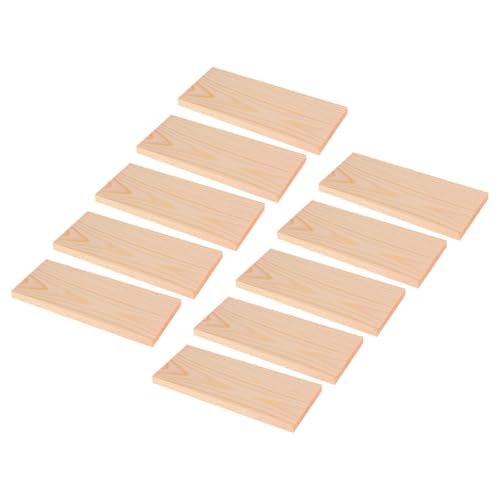
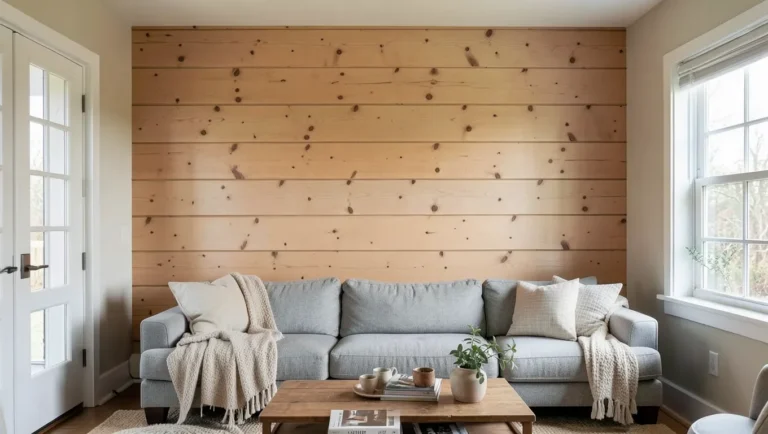
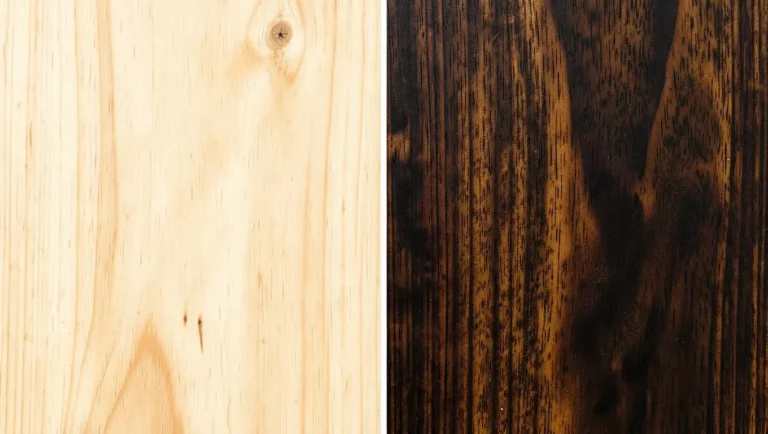
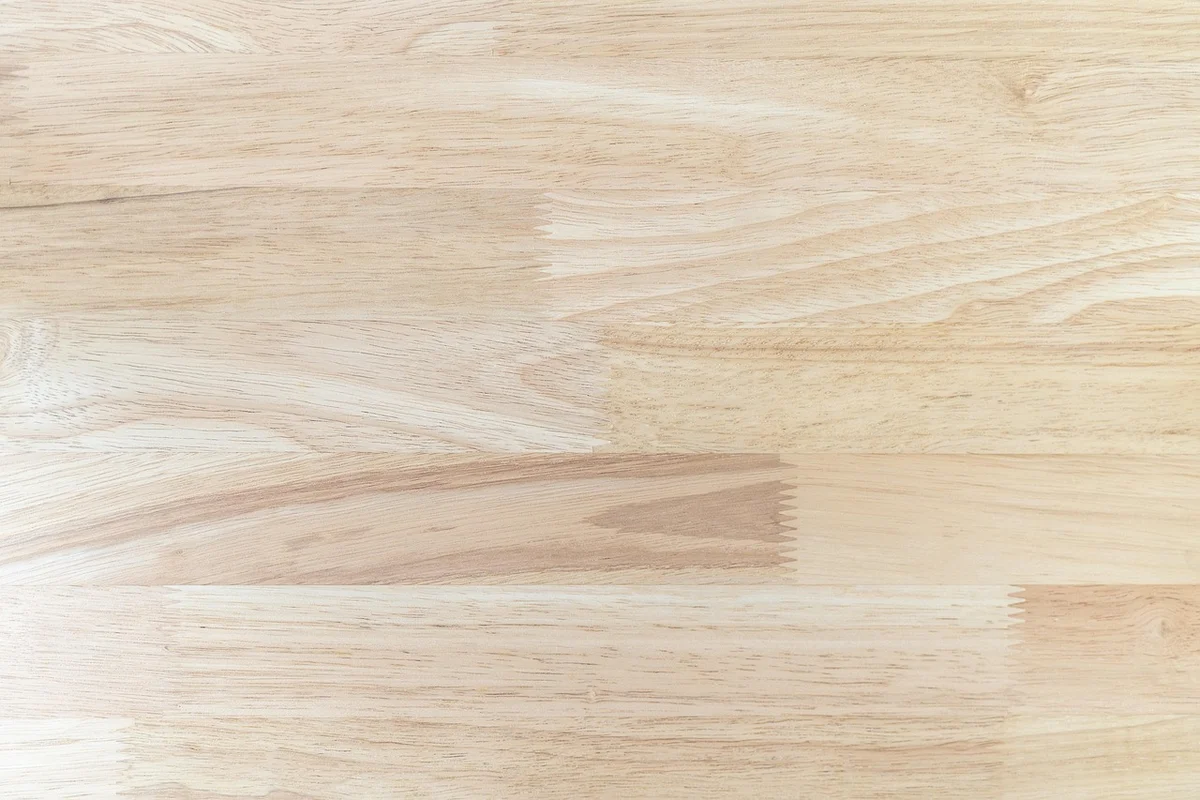
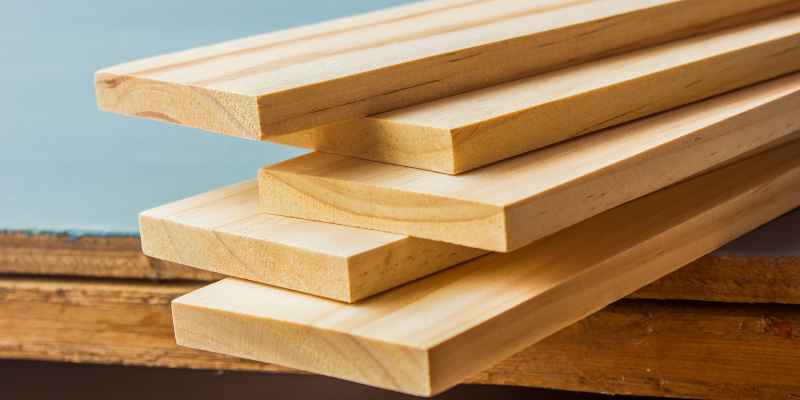
If you already own something labeled “Brazilian pine” and want to know which species it is, a few practical clues help narrow it down. Genuine Parana pine typically shows a warm reddish-brown heartwood with a very straight, tight grain and small pinhead-sized knots, and it was almost always sold as premium furniture-grade or veneer stock decades ago rather than everyday construction lumber. Plantation pine (Pinus elliottii or Pinus taeda) tends to run paler — pale yellow to light brown — with more visible resin streaks and larger, more frequent knots, and it’s the wood you’ll find in big-box lumber, plywood, and mass-produced furniture.
The most reliable check is the paperwork and the date: any furniture or lumber legally imported after 2001 that claims to be genuine Parana pine deserves a closer look, since new export of the species has been prohibited since then. When in doubt, treat unlabeled “Brazilian pine” as the plantation species — it’s by far the more common answer.
Durability, Workability, and Uses of Plantation Brazilian Pine
Real-world Janka hardness numbers put Brazilian pine in familiar territory for anyone who’s worked with Southern Yellow Pine. Parana pine itself tests at roughly 810 lbf on the Janka scale — harder than Eastern White Pine (about 380 lbf) but softer than Red Oak (about 1,290 lbf) or White Oak (about 1,360 lbf). Plantation slash and loblolly pine land in a similar range, generally 690-870 lbf depending on growth rate and moisture content, which is why both get grouped with “Southern Yellow Pine” in lumber grading.
- Cuts, planes, and sands easily with standard hand and power tools
- Takes screws and nails without much splitting, though pre-drilling near edges still helps
- Glues cleanly since the grain isn’t interlocked and resin content is low
- Accepts stain and paint well, though as a softwood it can blotch without a pre-stain conditioner
Typical uses include furniture frames and “whitewood” furniture, interior millwork and trim, plywood cores and veneer, packing crates, and construction framing. Outdoors, it shows up in decking, fencing, and pergolas, though — like any softwood — it needs a sealant or pressure treatment to resist rot, insects, and warping in wet climates.
Cost Compared to Oak, Maple, and Regular Pine
Plantation Brazilian pine competes on price with domestic construction-grade pine, not with hardwoods. Genuine Parana pine, on the rare occasion it can be found at all, commands a steep premium simply because of its scarcity and export restrictions — that’s a collector’s or reclaimed-lumber price, not a lumberyard price.
| Wood Type | Typical Price per Board Foot | Availability in the US |
|---|---|---|
| Plantation Brazilian Pine | $2 – $4 | Common (plywood, furniture stock) |
| Southern Yellow Pine (domestic) | $3 – $5 | Very common |
| Red Oak | $6 – $9 | Common |
| Maple | $6 – $8 | Common |
| Genuine Parana Pine | $15+ (if found at all) | Rare/restricted, export-banned since 2001 |
Because plantation pine is fast-growing and heavily farmed, it stays inexpensive even with import and shipping costs added — one of the main reasons it shows up so often as an underlayment, crate, and furniture-core material.
How to Maintain and Finish Brazilian Pine Wood
Whichever species you actually have, the softwood care basics are the same. Clean with a soft cloth and a mild soap-and-water solution — skip ammonia-based or abrasive cleaners, which can dull the finish and raise the grain. Keep it out of direct, prolonged sunlight indoors to avoid fading, and use coasters or pads under anything that could scratch the surface.
For anything used outdoors — decking, fencing, patio furniture — sealing isn’t optional. Softwoods like Brazilian pine absorb moisture readily, and repeated wet/dry cycles are what cause the warping and pest problems people associate with cheaper pine. A water-based exterior sealant applied at least once a year (more often in humid or high-UV climates) keeps the wood dimensionally stable and protects against rot and insect damage. Re-apply a wood conditioner or oil to indoor furniture every six months to a year to keep the surface from drying out and cracking.
Frequently Asked Questions
Is Brazilian Pine Wood the Same as Parana Pine?
Not usually. “Brazilian pine” almost always refers to plantation-grown Pinus elliottii or Pinus taeda in today’s market. True Parana pine (Araucaria angustifolia) is a different, critically endangered species that Brazil banned from export in 2001, so it’s rarely what you’re actually buying unless the listing specifically names the botanical species.
Is Brazilian Pine Wood Durable Enough for Furniture?
Yes, for typical furniture use. Its Janka hardness sits in the same range as Southern Yellow Pine, which has been a standard furniture and construction wood in the US for generations. It handles daily use well but, like any pine, will dent more easily than oak or maple under heavy impact.
Can You Use Brazilian Pine Wood Outdoors?
Yes, but only with regular sealing or pressure treatment. As a softwood, it absorbs moisture and is vulnerable to rot and insects if left unprotected. Decking, fencing, and pergola builds need an exterior wood sealant reapplied at least annually.
Is Brazilian Pine Wood Environmentally Friendly?
It depends entirely on which species you’re buying. Plantation-grown Brazilian pine is a genuinely sustainable choice since it’s farmed specifically to reduce pressure on native forests. Genuine native Parana pine is the opposite: it’s critically endangered and its export has been illegal since 2001.
Final Thoughts
“Is Brazilian pine wood good?” depends on which wood you mean. Plantation-grown Brazilian pine — the version you’ll actually find in lumberyards, plywood, and furniture today — is an affordable, workable, reasonably durable softwood that’s a legitimate, sustainable alternative to cutting native forest species. The true native Parana pine that made “Brazilian pine” famous for its grain and color is a different story: critically endangered, export-banned since 2001, and not something you should expect to find, or buy, new.
For most woodworking, furniture, and outdoor projects, plantation Brazilian pine is a solid, budget-friendly choice as long as you finish and maintain it like any other softwood.
Sponsored / affiliate links. As an Amazon Associate I earn from qualifying purchases. I may earn additional commission from eligible campaigns.