Is White Pine a Hardwood? No — It’s a Softwood, Explained
White pine is a softwood, not a hardwood — the terms describe whether a tree is coniferous (softwood) or broadleaf/deciduous (hardwood), not how hard the actual wood is. That distinction matters because white pine, at 380 lbf on the Janka scale, is genuinely soft and only moderately decay-resistant, so outdoor projects need a sealer or preservative, unlike naturally rot-resistant woods such as cedar. This guide covers the real hardwood/softwood definition, White Pine’s actual properties, and how to protect it.
Introduction To White Pine
Best Pine Preservative Pick
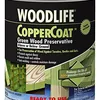 |
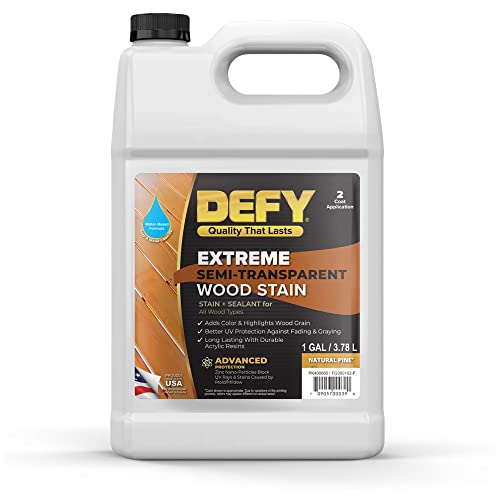
Wolman WoodLife Coppercoat Wood Preservative, 1 Qt – $17.57 A penetrating copper-based preservative made specifically to help wood resist rot, decay, and termites — exactly what white pine needs for outdoor use since it lacks natural decay resistance on its own.
|
As an Amazon Associate we earn from qualifying purchases.
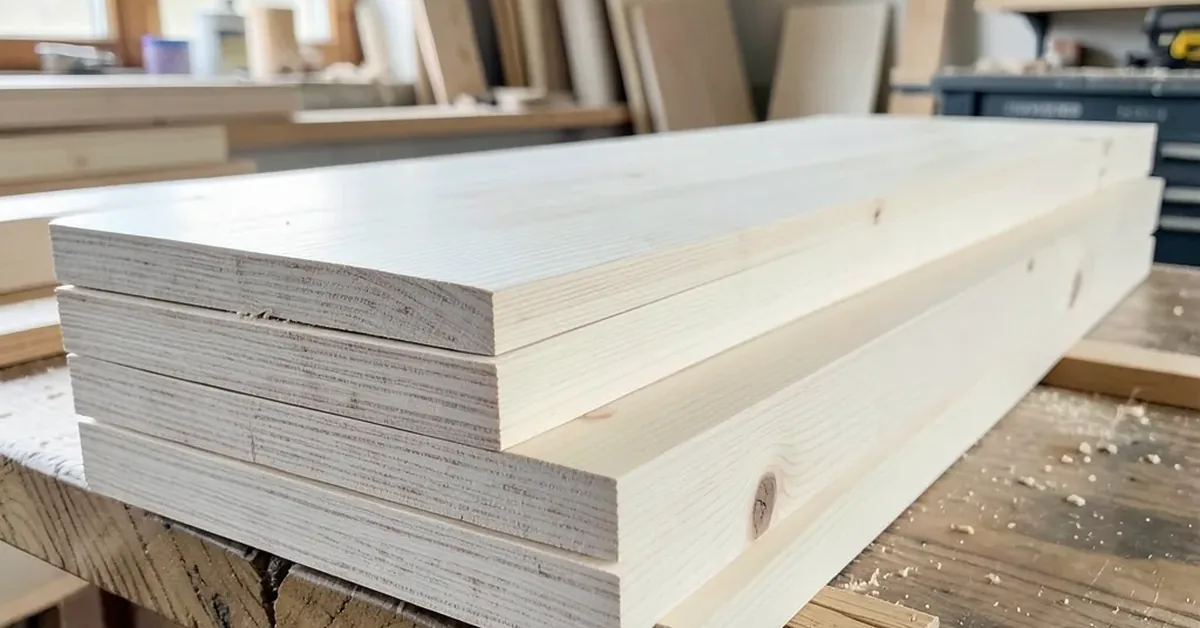
White Pine (Pinus strobus) is a softwood species from the Pinus genus, often mistaken for a hardwood because of its strength and versatility. Wood hardness or softness actually depends on density, which varies by species and growth conditions — the botanical hardwood/softwood label is a separate classification entirely. White Pine has a light color and straight grain, resists warping, and is widely used for furniture, cabinetry, and flooring.
The Hardwood Vs. Softwood Dichotomy
White Pine is often confused with hardwood because of its name, but it’s classified as a softwood based on the type of tree it comes from. Softwoods come from coniferous trees with needle-like leaves; hardwoods come from broadleaf deciduous trees. This is a botanical distinction, not a hardness measurement — a common misconception is that all hardwoods are harder than all softwoods. Balsa wood is the classic counterexample: it’s botanically a hardwood, yet it’s one of the softest woods in the world, far softer than White Pine.
Characteristics Of White Pine
White Pine is known for its light color, soft texture, and straight, uniform grain. It’s lightweight, easy to cut and shape, holds nails and screws well, and takes paint or stain nicely — all of which make it popular for furniture, cabinetry, and interior trim. Its natural decay resistance, however, is only moderate to low, which matters for anything built to sit outdoors.
Exploring The Hardness Of White Pine
The Janka Hardness Scale measures how much force it takes to embed a steel ball halfway into a wood sample. White Pine scores around 380 lbf, near the bottom of the scale for commonly sold lumber.
| Wood Type | Janka Hardness (lbf) |
|---|---|
| White Pine | 380 |
| Bamboo | 1,380 |
| Red Oak | 1,290 |
| Hard Maple | 1,450 |
📊 White pine scores 380 lbf on the Janka hardness scale — one of the lowest ratings of any commonly sold wood, compared to 1,290 lbf for red oak and 1,450 lbf for hard maple. Its heartwood is only moderate to low in natural decay resistance, so unlike cedar or redwood it needs a sealer or preservative for outdoor use. Source: Vermont Woods Studios, Eastern White Pine, 2026
White Pine In Construction And Furniture
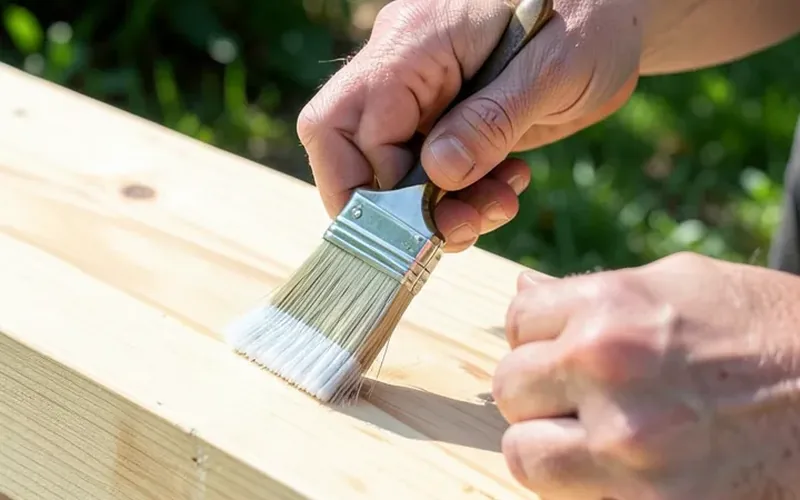
White Pine is a popular choice for construction and furniture because it’s light, affordable, and easy to work with, cut, stain, and finish. What it is not is naturally rot-resistant — that’s a common myth. Left bare outdoors, white pine is prone to decay and insect damage faster than woods like cedar or redwood. See our guide on how to treat pine wood for outdoor use before using it for a fence, deck, or siding project.
For a lighter-weight alternative comparison, see our balsa wood vs basswood guide, and use our wood structure weight calculator guide when planning a White Pine build.
Environmental Impact And Sustainability
White Pine grows quickly and thrives across a range of climates, making it a common choice for reforestation efforts. Sustainable forestry practices — selective logging, controlled harvesting, and replanting — help keep white pine a renewable resource rather than a depleting one.
Caring For White Pine Products
Clean white pine furniture and trim with a soft cloth, avoiding harsh chemicals that can damage the surface. For anything exposed outdoors, apply a quality wood sealer or preservative before installation (see our pick above) and reapply every few years, since white pine’s moderate-to-low natural decay resistance means the finish is doing most of the protective work. Keep pieces out of direct sunlight where possible, since UV exposure fades color and weakens surface fibers over time.
Frequently Asked Questions
Is White Pine classified as hardwood?
No, White Pine is classified as a softwood. It comes from a coniferous tree, which has needle-like leaves and cones, while hardwoods come from broadleaf deciduous trees. The hardwood/softwood split is botanical, not a measure of actual hardness.
What are the characteristics of White Pine?
White Pine is known for its straight grain, light color, and fine, uniform texture, and it’s relatively lightweight and easy to work with. Its natural decay resistance is only moderate to low, so it benefits from a sealer or preservative for outdoor durability rather than being left bare.
How does White Pine compare to hardwoods?
White Pine scores 380 lbf on the Janka hardness scale, making it softer and less dense than most hardwoods — for comparison, red oak scores 1,290 lbf and hard maple scores 1,450 lbf. That softness makes White Pine easier to cut and shape, but less resistant to dents and scratches.
What are the uses of White Pine?
White Pine is commonly used in construction, furniture, cabinetry, and interior trim and moldings. Its light weight and workability make it a favorite among carpenters, though outdoor uses like fencing or siding need a protective sealer since the wood isn’t naturally rot-resistant.
Is a hardwood always harder than a softwood?
No — this is a common misconception. Balsa wood is botanically classified as a hardwood but is one of the softest woods in the world, far softer than many softwoods including White Pine. The hardwood/softwood classification is about the type of tree, not measured hardness.
Does White Pine need to be sealed for outdoor use?
Yes. White Pine has only moderate to low natural decay resistance, unlike cedar or redwood, so untreated white pine used outdoors is prone to rot and insect damage over time. A wood preservative or sealer applied before installation, and reapplied periodically, significantly extends its outdoor lifespan.
Conclusion
White Pine is not a hardwood — it’s a softwood from a coniferous tree, and the hardwood/softwood label describes that botanical origin, not actual hardness. At 380 lbf on the Janka scale it’s genuinely soft, and its only moderate decay resistance means outdoor projects need a sealer or preservative that woods like cedar don’t require. Understanding both distinctions helps you choose the right wood, and the right prep, for your project.
Sponsored / affiliate links. As an Amazon Associate I earn from qualifying purchases. I may earn additional commission from eligible campaigns.