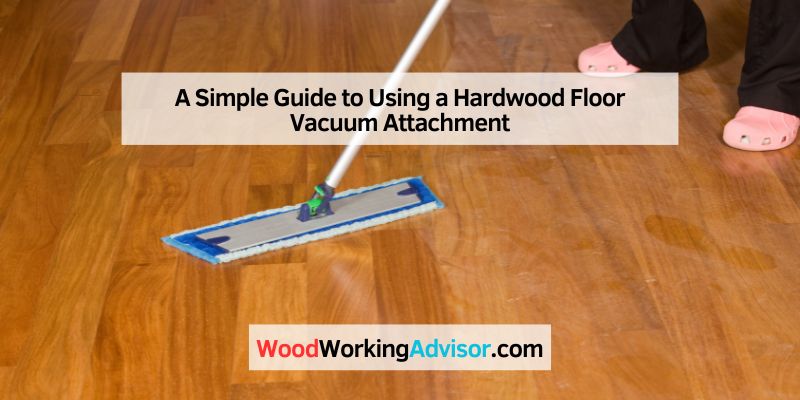
How to Use a Hardwood Floor Vacuum Attachment (No Scratches)
A hardwood floor vacuum attachment removes dust and pet hair without scratching the finish — but only if it uses soft bristles or horsehair, never a spinning beater bar. The wrong attachment, or a loose hose fit, leaves fine swirl marks that show up under raking light within weeks. This guide covers which attachment type to use, how to match it to your vacuum’s hose size, and the exact steps for scratch-free vacuuming.
This post contains affiliate links. As an Amazon Associate, we earn from qualifying purchases at no extra cost to you. Learn more.
Quick Answer
Use a soft-bristle, horsehair, or microfiber-pad attachment on hardwood — never a spinning beater bar, which dulls and scratches the finish. Confirm it fits your vacuum’s hose (most use a universal 1.25-inch/32mm connector; Dyson and many shop vacs need an adapter), sweep first, then vacuum slowly with the grain.
What Is a Hardwood Floor Vacuum Attachment?
Best Hardwood Floor Vacuum Attachment Pick
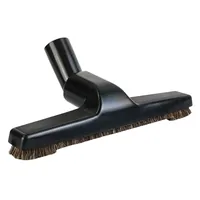
Selgo Universal 1¼" (32mm) Vacuum Floor Brush, 10" Wide
Soft, non-scratch bristles on a low-profile 10-inch head built for the standard 1.25-inch (32mm) hose that most upright and canister vacuums already use.
- Best for: everyday hardwood cleaning on a standard-size vacuum hose
- Why we picked it: fits the same universal 1.25" (32mm) connector most vacuums use natively — no adapter needed
- Main drawback: the 10" width is too wide to slide fully under low furniture
Compare more hardwood floor vacuum attachment options
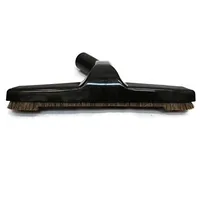 Option 1 Hardwood Floor Brush 1¼", Soft Bristles (Basic)
|
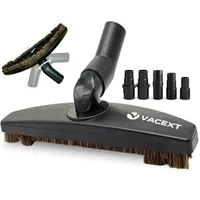 Option 2 Horsehair Hardfloor Attachment + Hose Adapter Kit
|
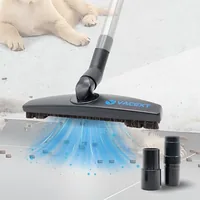 Option 3 Upgraded Hardfloor Attachment, Flexible Brush Head
|
As an Amazon Associate we earn from qualifying purchases.
A hardwood floor vacuum attachment is a brush head that swaps onto a vacuum’s hose or wand and replaces the standard rotating-brush head for hard flooring. Unlike a carpet head, it has soft bristles, horsehair, or a microfiber pad instead of a spinning beater bar, so it lifts dust, crumbs, and pet hair without dragging anything across the finish. It’s sold both as an included attachment on many canister and stick vacuums and as a separate universal accessory that fits most hose sizes.
The distinction that actually matters for your floor: a beater bar’s spinning bristles or plastic fins can catch grit and drag it across polyurethane or oil finishes, leaving fine circular scratches that only show up in raking light. A non-rotating soft attachment avoids that entirely because nothing spins against the wood. Vacuuming with the right attachment is one piece of a broader routine — see our full wood flooring guide for cleaning, refinishing, and repair coverage beyond daily dust.
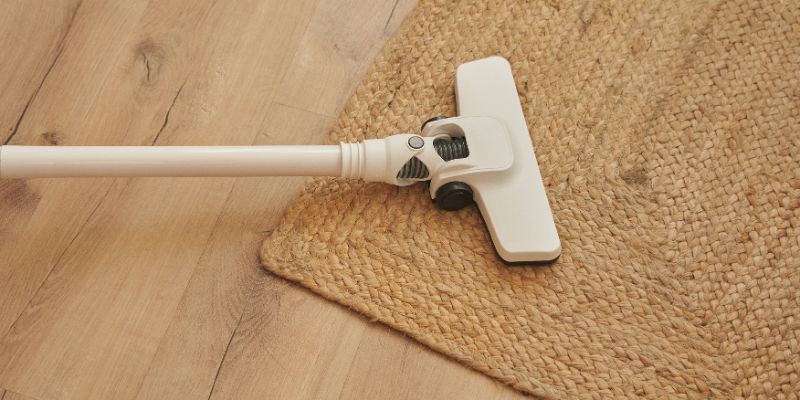
Types of Hardwood Floor Vacuum Attachments
There are three common attachment styles, and they are not interchangeable for every floor.
| Attachment Type | How It Works | Best For |
|---|---|---|
| Soft bristle brush | Fine bristles sweep dust into the airflow path | Everyday cleaning on sealed or waxed floors |
| Microfiber pad | Flat pad grabs fine dust electrostatically | Polished or freshly refinished floors |
| Horsehair / felt-covered head | Dense natural fibers cushion the head itself | Older, antique, or already-worn finishes |
A soft bristle brush is the right default for most homes — it’s the most widely compatible and handles both fine dust and small debris well. Save the felt-covered head for floors where the finish is already thin or worn, and check what type of hardwood floor you have first if you’re not sure how delicate the existing finish actually is.
Vacuum Attachment Compatibility by Hose Size
Most attachment complaints on Amazon and in vacuum forums are not about the bristles — they’re about fit. The industry’s de facto universal size is a 1¼-inch (32mm) hose or wand opening, which is what most upright, canister, and central vacuum systems use. Shop vacs and cordless stick vacuums are where compatibility breaks down, since many use a different diameter or a brand-specific click-fit connector instead of a plain round opening — the Shark vacuum’s hardwood attachment, for example, is built into the machine rather than sold as a universal add-on. Check your hose or wand’s diameter before buying — not just the vacuum’s brand name — since two vacuums from the same brand can use different connectors across model years. If you’re shopping for a whole new machine instead of just an attachment, our best vacuums for hardwood floors roundup covers full units with the attachment already matched.
| Vacuum Type | Standard Hose/Wand Size | Attachment Fit |
|---|---|---|
| Upright & canister (most brands) | 1¼ in (32mm) | Universal soft-bristle brushes fit directly |
| Central vacuum systems | 1¼ in (32mm) valve | Same universal attachments work on a standard wand |
| Small shop vacs (under 7 gal) | 1¼–1½ in | Usually a snug push fit; some need a step-down adapter |
| Large shop vacs | 2–2½ in | Needs a reducer adapter kit to accept a 1¼-in attachment |
| Cordless stick vacuums (Dyson, Shark, Tineco) | Proprietary click-fit | Universal attachments won’t click in without a brand adapter |
How to Use a Hardwood Floor Vacuum Attachment Without Scratching
Follow these five steps in order — skipping the first two is how most scratches actually happen, not the attachment itself.
- Match the attachment to your hose: measure your vacuum’s wand or hose opening (or check the manual) against the attachment’s stated fit before you buy or attach it.
- Clear big debris first: sweep or dry-mop pebbles, sand, and food debris off the floor. A trapped pebble under the brush head is the single most common cause of scratches, not the vacuum itself.
- Attach it and check for play: snap or slide the attachment onto the hose or wand, then tug it gently. A loose attachment rattles and can drag grit sideways across the boards.
- Vacuum slowly, with the grain, in overlapping passes: going with the direction the boards were laid and avoiding sharp twisting motions prevents the micro-scratches that a soft attachment alone can’t stop.
- Empty the dustbin and wipe the attachment after each use: debris trapped in the bristles becomes the scratching agent the next time you vacuum.
“The first time I used a hardwood attachment without sweeping first, a trapped pebble jammed under the head and left a faint scuff on an oak board before I even noticed the noise change. Now sweeping large debris first is a non-negotiable step, not an optional one.”
Tools and Materials You’ll Need
- A vacuum cleaner with a bare-floor or hardwood setting (canister and cordless stick vacuums both work)
- A hardwood floor vacuum attachment sized to your hose (see the compatibility table above)
- A soft broom or dry dust mop for large debris
- A soft, dry cloth to wipe the attachment after use
Common Mistakes to Avoid
- Using a beater-bar head on hardwood: the spinning brush or plastic fins built for carpet can scratch or dull the finish — switch it off or swap the head entirely.
- Skipping the sweep step: pebbles, sand, and grit are what actually cause visible scratches; the attachment just carries them.
- Buying by vacuum brand instead of hose size: a universal attachment fails if the diameter doesn’t match, regardless of brand compatibility claims.
- Vacuuming with high suction on delicate or antique finishes: drop to a lower suction setting so the attachment doesn’t pull hard enough to drag grit.
- Steam or wet mopping too often: excess moisture from any cleaning method, including some attachments, can swell and warp wood over time.
Other Ways to Clean Hardwood Floors
A vacuum attachment isn’t the only tool worth having in rotation:
- Sweeping: a soft broom handles quick daily cleanups but misses fine dust in board seams.
- Mopping: use a barely-damp mop with a hardwood-safe cleaner every few weeks, never a soaking-wet one.
- Robot vacuums: modern models with soft rollers handle daily light dust well but still miss corners and baseboards, so a handheld attachment is worth keeping for weekly deep cleaning.
Frequently Asked Questions
How often should I vacuum hardwood floors?
Once a week for most households, twice a week if you have pets or kids tracking in grit. Dust and fine sand act like sandpaper if they sit on the finish between cleanings, so consistency matters more than any single deep clean.
Do soft-bristle or horsehair attachments scratch hardwood floors?
No, not on their own. Soft bristles, horsehair, and microfiber pads are designed specifically to avoid contact damage. Scratches on hardwood almost always come from trapped debris under the head or from using a beater-bar attachment meant for carpet, not from the soft attachment itself.
What size hose fits a hardwood floor vacuum attachment?
Most universal attachments are built for a 1 1/4-inch (32mm) hose or wand, which is the standard on most upright, canister, and central vacuum systems. Shop vacs and cordless stick vacuums often need a step-down adapter or a brand-specific attachment instead.
Is it better to sweep or vacuum hardwood floors?
Vacuuming with a soft attachment picks up more fine dust than sweeping alone, since a broom tends to push fine particles into gaps rather than lifting them. The best routine combines both: sweep or dry-mop large debris first, then vacuum for the fine dust a broom leaves behind.
Can I use a robot vacuum instead of a hardwood attachment?
Yes, for daily light maintenance. Robot vacuums with soft rollers are safe on hardwood and handle everyday dust well, but they still miss corners, baseboards, and under low furniture. Most households get the best results using a robot vacuum daily and a handheld attachment weekly.
Conclusion
A soft-bristle, horsehair, or microfiber hardwood floor vacuum attachment does the job a beater-bar carpet head can’t: it lifts dust and debris without touching the finish. Match it to your vacuum’s hose size, sweep large debris first, and vacuum slowly with the grain, and the attachment will outlast most other cleaning tools in your rotation.
Sponsored / affiliate links. As an Amazon Associate I earn from qualifying purchases. I may earn additional commission from eligible campaigns.