Can You Trim Walnut Trees In Summer? Proven Guide
Yes, you can trim walnut trees in the summer, but it’s not the ideal time. The best time is late winter when the tree is dormant. Summer pruning is possible for light shaping or removing deadwood, but heavy cuts can stress the tree and invite pests, so proceed with caution and follow specific guidelines to keep your walnut healthy.**
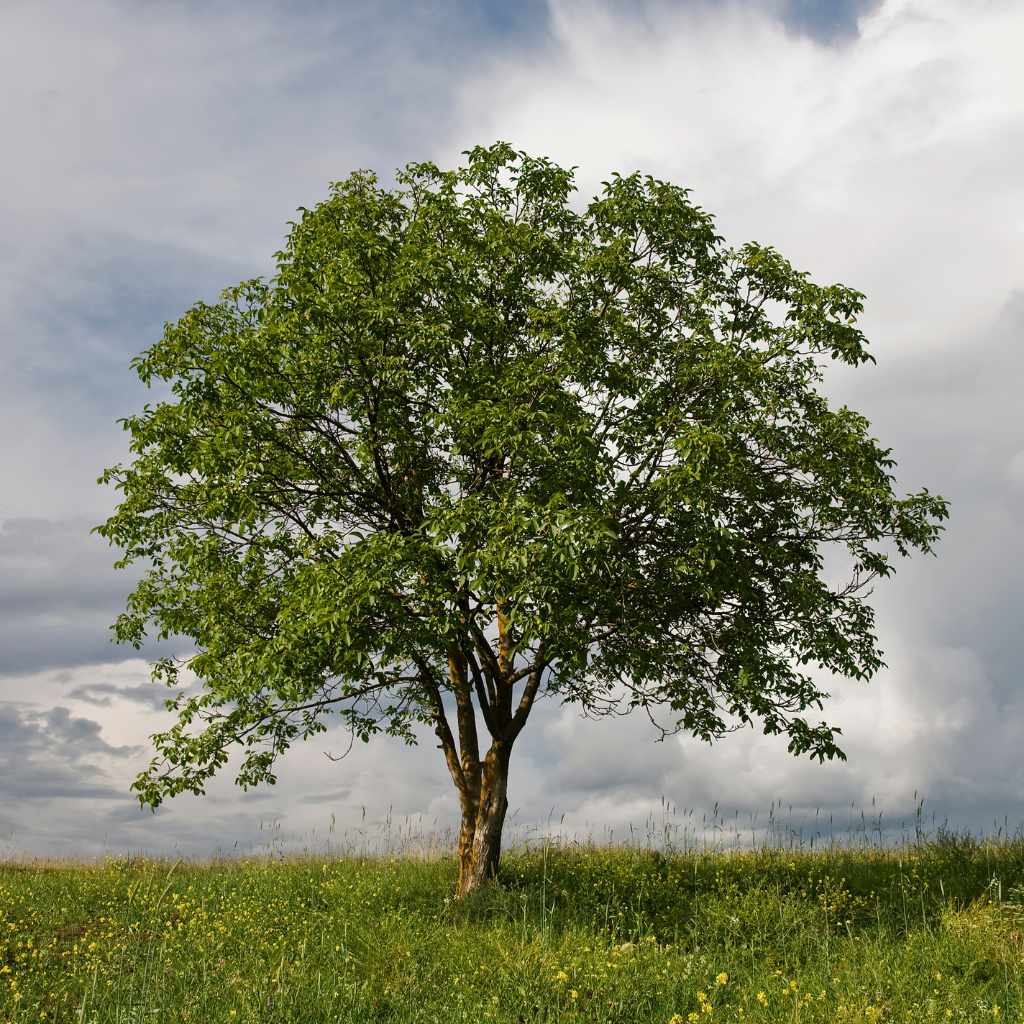
Welcome to the workshop! If you own a beautiful walnut tree, you might wonder when the best time is to give it a little haircut. Many folks ask, “Can you trim walnut trees in the summer?” It’s a very common question, especially when you spot a branch that needs immediate attention right after leaf-out. Pruning at the wrong time can stress your tree or even invite unwanted guests like pests. Don’t worry! As your woodworking mentor, I’m here to give you the straight scoop, step-by-step. We’ll cover why summer pruning happens, how to do it safely, and what happens if you wait until the leaves are full. Let’s grab our pruners and get this sorted out so your tree thrives for years to come!
The Golden Rule of Pruning: Timing is Everything for Walnuts
When it comes to caring for your trees—especially valuable ones like walnuts—timing is the most critical factor. Think of it like planning a big woodworking project; if you rush the glue-up, the whole piece might fail. Pruning timing works the same way for trees.
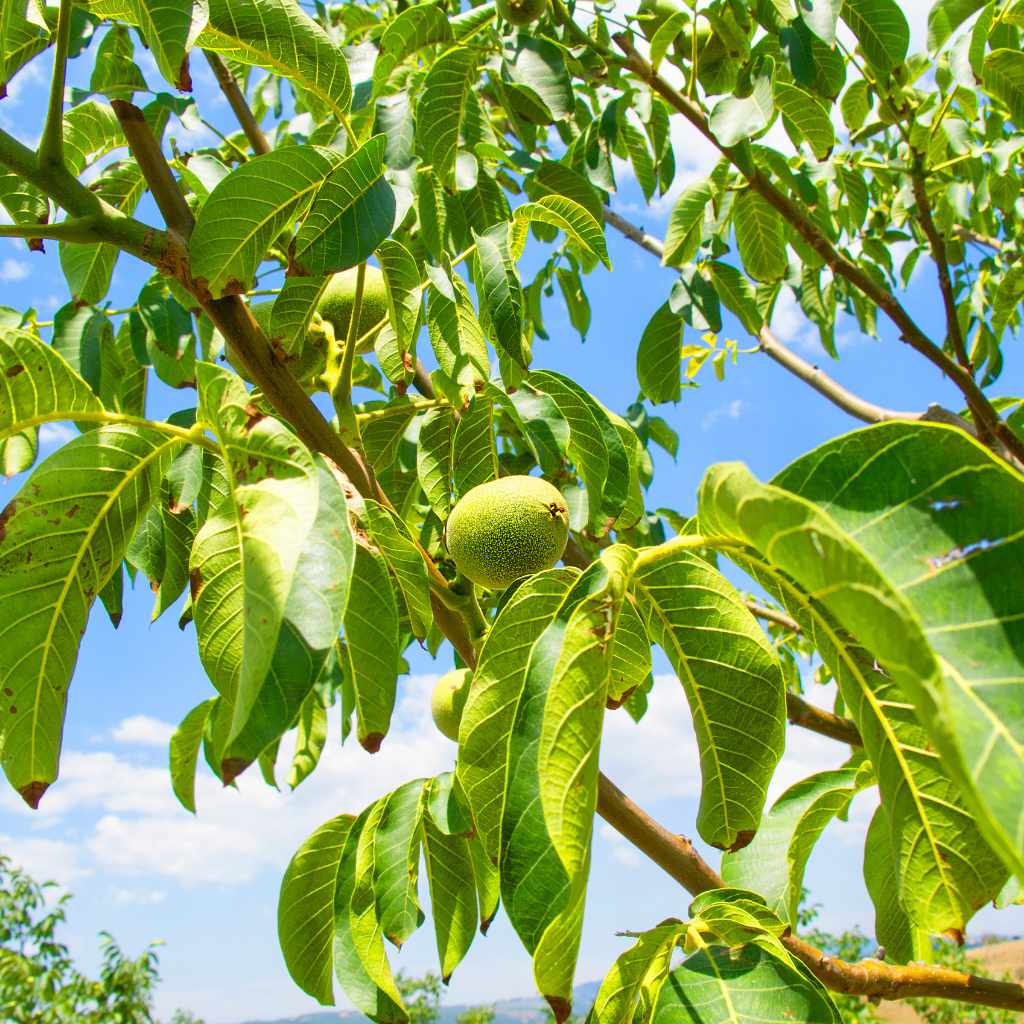
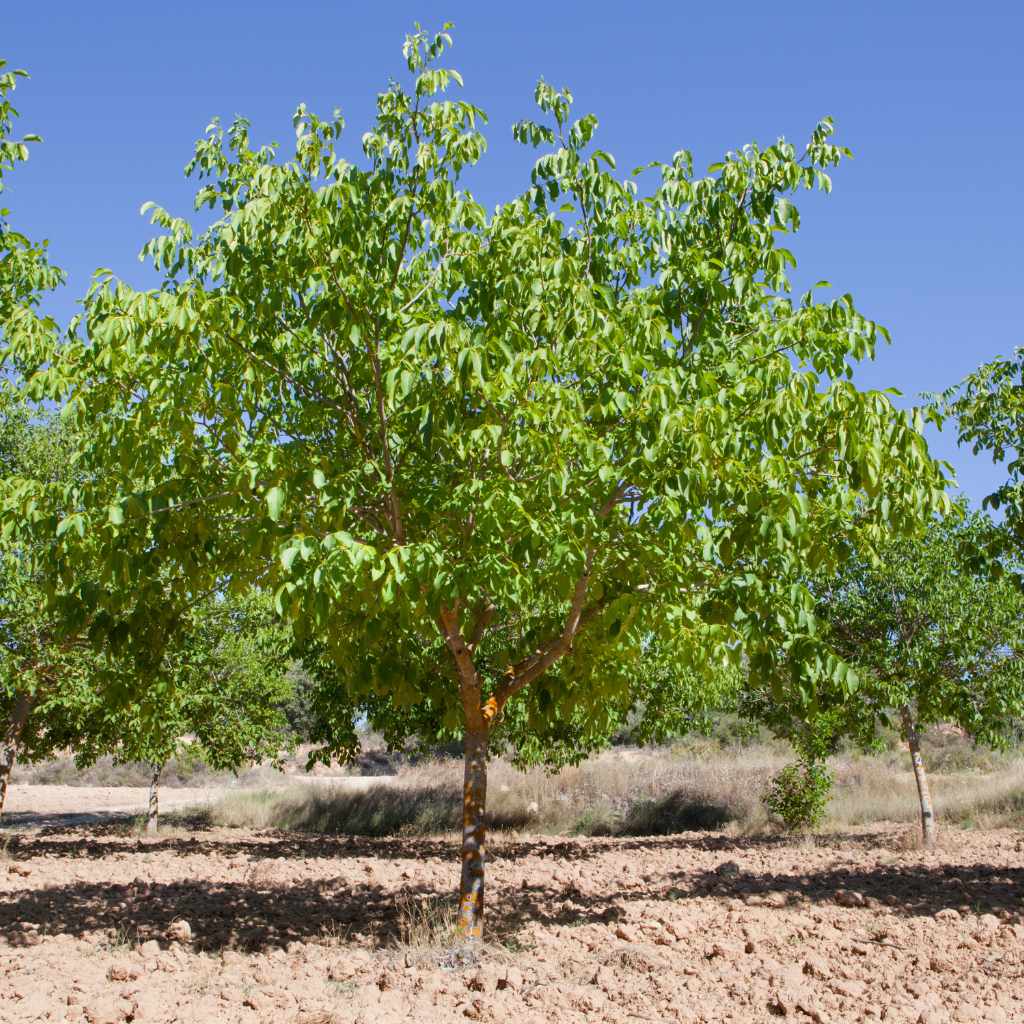
Walnut trees (members of the Juglans genus) have unique characteristics that make the timing of pruning very important. If you cut them at the absolute wrong moment, they might “bleed” excessively, meaning they weep sap heavily from the cut, which looks bad and wastes the tree’s energy. More importantly, pruning during warm, wet seasons increases the risk of fungal diseases entering the fresh wounds.
Why Summer Pruning Isn’t Usually Recommended
Most arboriculture experts agree that the ideal time to prune major structural limbs on walnut trees is during deep dormancy—late January to early March, before the buds swell. Summer cuts come with three main drawbacks:
- Increased Sap Flow (Bleeding): While walnuts are generally less prone to severe bleeding than maples, pruning during active growth (summer) will cause more sap loss than pruning in winter.
- Disease Entry Point: Warm, humid weather allows fungal spores to thrive. A fresh cut is an open door for diseases like Walnut Blight to enter the wood.
- Delayed Healing: When you cut a tree in summer, it’s busy putting energy into growing leaves and nuts. Healing a large wound takes a lot of energy, which is diverted from fruit or nut production.
However, sometimes you just have to prune! We need to look at the exceptions where summer pruning becomes necessary or acceptable.
Can You Trim Walnut Trees In The Summer? The Exceptions
So, while late winter is the champion timing, the direct answer to “can you trim walnut trees in the summer?” is yes, but under specific, limited conditions. You must adjust your goals when pruning during the growing season.
When Summer Pruning Makes Sense
Focus your summer pruning on tasks that don’t involve major structural changes. These are generally smaller, corrective jobs:
- Dead, Dying, or Damaged Wood (The 3 Ds): This is the most important exception. If a branch breaks in a summer storm—even if it’s July—you must remove it immediately. Leaving broken wood invites pests and decay.
- Water Sprouts and Suckers: These are fast-growing, thin vertical shoots (water sprouts) or shoots coming from the base of the trunk/roots (suckers). They steal energy from the lower canopy and are easy to break off or snip cleanly during summer because they haven’t hardened up yet.
- Minor Thinning for Sunlight/Airflow: If you need to lightly thin out the canopy to improve air circulation before an expected humid spell, small, careful cuts high up can be beneficial.
If you are performing any cut larger than 1 inch in diameter during the summer, you should approach it with extreme caution, as outlined below.
| Season | Ideal For | Major Concern | Recommendation |
|---|---|---|---|
| Late Winter (Dormancy) | Structural shaping, major limb removal, establishing scaffold limbs. | Requires planning; tree is dormant. | BEST TIME: Minimal stress, fastest healing potential. |
| Early to Mid-Summer (Active Growth) | Removing diseased/dead wood, removing water sprouts, light corrective cuts. | Risk of sap loss and potential disease entry during warm weather. | Acceptable ONLY for quick fixes or minor aesthetic shape-ups. |
| Late Summer/Early Fall | Almost nothing major. | Pruning stimulates growth, which won’t harden before frost (winter injury). | Avoid major pruning entirely. |
Essential Tools for Safe Summer Pruning
Safety and clean cuts are paramount, especially when the tree is actively fighting off summer stress. You need sharp, well-maintained tools. A dull tool crushes fibers rather than slicing them, creating a messy wound that heals slowly.
Your Summer Pruning Toolkit Checklist:
- Bypass Pruners: For any cut up to 3/4 inch thick. They work like scissors, giving a clean slice.
- Loppers: Good for branches up to 1.5 inches thick. Look for bypass action here too.
- Hand Saw or Pole Saw: Necessary for anything thicker than 1.5 inches. Ensure the blade is sharp and designed for green wood.
- Safety Gear: Always wear safety glasses, sturdy gloves, and sturdy footwear. If you need a ladder, ensure it’s safe and stable. Never work near power lines.
- Disinfectant: A simple solution of 1 part bleach to 9 parts water, or rubbing alcohol, to clean your blades between cuts, especially if you suspect disease.
Pro Tip from Meraj: If you are cutting out diseased wood, dip your blades in the disinfectant between every single cut. This stops you from spreading potential problems to healthy parts of the tree. Proper tool maintenance is a cornerstone of good gardening, just like keeping your chisels sharp is key to good woodworking.
Step-by-Step Guide to Summer Pruning Walnut Trees
If you must prune in the summer, follow these conservative steps to minimize stress on your walnut tree. Remember: we are aiming for preservation, not aggressive shaping.
Step 1: Assess and Sanitize
Before lifting a tool, know exactly what you need to remove. Only address immediate needs:
- Identify any broken, cracked, or clearly dead branches. Look for discolored leaves or fungal growth on the wood.
- Sanitize all cutting tools thoroughly, even if you think they are clean.
- Decide if the cut is truly necessary. If it can wait three months until late winter, let it wait.
Step 2: Handle the “3 Ds” First (Dead, Dying, Damaged)
These branches pose the highest risk of structural failure or pest infestation, so they take priority.
- Locate the branch collar—the naturally slightly swollen wood where the branch meets the trunk or a larger limb. You do not want to cut into this area.
- Cut just outside the branch collar. Do not leave a long stub, and do not saw flush against the trunk. The goal is a clean wound that the tree can seal naturally.
Step 3: Managing Water Sprouts and Suckers
These are easy summer targets because they usually aren’t woody yet.
- Water Sprouts: These grow straight up, often aggressively, from older lateral branches. Since they are soft, you can often snap them off cleanly by hand if they are new growth. If they are thicker, use your bypass pruners to cut them back cleanly to the parent branch.
- Suckers: These emerge from the root system or the base of the trunk. Remove these completely, cutting them right at their point of origin near the ground or root crown.
Step 4: The Three-Cut Method for Larger Limbs (If Absolutely Necessary)
If you have a dead limb larger than 1.5 inches that must come down to prevent it from falling, use the three-cut method. This technique prevents the bark from tearing down the trunk as the branch sheds its weight—a common mistake that causes massive wounds.
- Undercut: About 12 to 18 inches out from the branch collar, saw about one-third of the way through the bottom of the limb. This cut stops the branch from tearing the bark.
- Relief Cut: Move about 2 inches further out from the undercut, and cut all the way through the top of the limb until it falls away. The weight is now removed, leaving only a stub.
- Final Cut: Carefully saw off the remaining stub just outside the branch collar, aiming for a clean surface that promotes quick boundary formation by the tree.
Step 5: Post-Pruning Inspection
Examine all your cuts:
- Are any surfaces ragged or torn? Use your sharpest pruners to clean up the edges slightly, aiming for smoothness.
- Stop immediately if you notice excessive sap weeping for more than an hour or two. This means the tree is resisting the timing.
- Do NOT apply any pruning sealer, paint, or tar to the cuts. Modern research, including findings supported by university extensions like those at Oklahoma State University Extension, shows that these wound dressings often trap moisture and fungal spores, preventing the tree from properly sealing the wound.
Understanding Walnut Tree Health and When to Avoid Pruning
As your mentor, my main goal is to help you feel confident, and sometimes confidence means knowing when not to act. Pruning walnuts during the wrong time can lead to serious health issues you’ll regret later.
Avoid Pruning During Peak Growth (Late Spring to Early Summer)
The period from when the leaves fully emerge until the nuts begin to set is when the tree is dedicating maximum resources to photosynthesis and reproduction. Interrupting this process through heavy pruning stresses the tree significantly.
Heavy pruning during this time results in:
- Weakened root systems due to a loss of vital leaves.
- Poor nut set or smaller resulting nuts.
- Increased susceptibility to environmental stress like drought or heatwaves.
The Danger of Frost and Unhardened Wood
Even though we are talking about trimming in the summer, it’s crucial to remember the rule for late fall/early winter. If you prune too late in the fall, the tree might try to heal the cut right before its first hard frost. This new, tender growth will be killed by freezing temperatures, leading to dieback deeper into the limb next spring.
The best window to avoid this “winter injury” is to finish all significant pruning by the time the leaves start turning color in the early fall.
Disease Management and Pruning: A Critical Connection
Walnut trees are susceptible to several fungal diseases, most notably Walnut Blight. This disease infects new shoots and can severely damage foliage and young nuts. The timing of your pruning interacts directly with disease risk.
How Summer Pruning Might Increase Disease Risk
Summer is often warmer and, depending on your region, wetter. These are perfect conditions for fungal spores to germinate and enter an open wound. A large, untidy summer cut is a beacon for infection.
To mitigate this risk, always follow the guidelines established through best practices in arboriculture, like those recommended by forestry services:
| Action | Purpose | When to Use |
|---|---|---|
| Immediate Sanitation | Kills pathogens between cuts. | Mandatory if removing any diseased wood. |
| Clean Cut Quality | Allows the tree to seal the wound before rain or humidity sets in. | Always ensure your tool is sharp. |
| Avoid Heavy Pruning | Limits the total exposed surface area the tree must defend. | Stick to removing only the worst offenders in summer. |
If you notice significant disease symptoms during the summer, it might be better to prune by removing only the infected tips and then consulting a certified arborist before attempting any major structural work later in the year.
Encouraging Good Growth Habits Post-Pruning
A little pruning care after you put the tools down goes a long way. Think of the tree like a piece of finely crafted furniture; you want to support its structure as it ages.
Focusing on Structure, Not Size
Remember, summer pruning should keep the tree’s structure sound, not drastically reduce its size. Walnut trees are vigorous growers. If you cut back a huge branch in summer to reduce height, the tree will likely respond by sending up several even more vigorous, weak branches right below the cut next spring.
The goal of pruning is to encourage strong, well-angled secondary branches (scaffold limbs) that can support future nut weight without breaking.
Watering During Drought Periods
Because summer pruning stresses the tree—even minor pruning—it temporarily reduces the tree’s ability to manage water loss through its leaves. If you have pruned during a dry summer spell, you must support the tree.
Ensure your walnut receives adequate, deep watering, especially during the two weeks following significant summer pruning. This helps the tree recover quickly and prevents leaf scorch.
To water deeply, provide a slow, steady soak over a wide area around the drip line (the edge of the branches), rather than a quick sprinkle. This encourages deep root growth.
Long-Term Pruning Strategy for Walnut Owners
To avoid ever having to worry about summer pruning crises, developing a simple, long-term strategy is best. This proactive approach will build confidence and ensure your tree remains productive and safe.
The Ideal Annual Maintenance Schedule:
- Late Winter (Jan/Feb/Early March): This is your heavy lifting time. Remove crossing branches, raise the canopy base if needed, and thin out overly dense areas created by the previous year’s growth. Always follow local guidelines on the exact timing based on your climate zone; for example, check resources from the USDA Forest Service for regional best practices regarding dormancy timing.
- Early Summer (Late May/June): Walk the tree and snap off any new, soft water sprouts or suckers emerging immediately after leaf growth. This takes minutes and prevents large woody growth later.
- Late Summer/Early Fall: No pruning, except for emergency removal of storm damage. Focus on watering and monitoring for pests.
By maintaining this schedule, summer pruning becomes an emergency task only, not a routine chore. You will be rewarded with a stronger, healthier tree structure.
Frequently Asked Questions (FAQ) About Summer Walnut Trimming
Q1: If I prune a large walnut branch in the summer, how fast will it try to heal?
A: Healing rates vary greatly based on tree vigor and weather, but it will be slower than in winter. The tree prioritizes growing new leaves and fruit. A clean cut might start forming callus tissue around the edges within a few weeks, but fully closing a large wound (over 3 inches) can take several years, making the wound vulnerable during the summer months.
Q2: My walnut tree is weeping a lot after I pruned a small branch in July. Should I be worried?
A: A little weeping (sap dripping) is normal when pruning during the growing season. If the weeping continues heavily (a running stream of sap) for more than a day, it indicates the tree is under stress or the cut was too large for the season. Monitor the cut closely for signs of rot or immediate insect activity.
Q3: If I notice a dead branch, should I wait until winter to remove it, even if it’s summer?
A: No. Dead, broken, or clearly diseased branches are hazards. Always remove these immediately, even in summer. The risk of limb failure or pest infestation is higher than the risk associated with a well-executed, clean removal cut made during active growth.