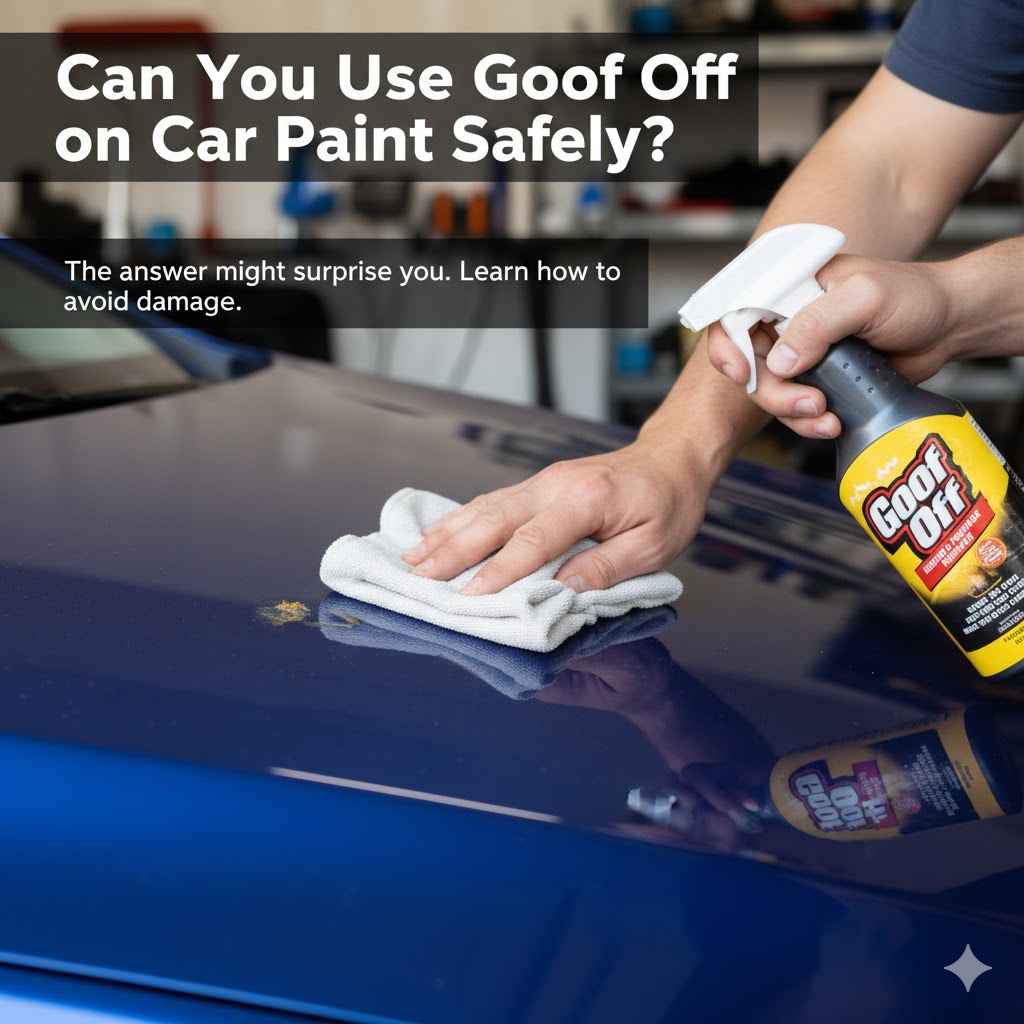
Can You Use Goof Off on Car Paint Safely?
Many people wonder, “Can You Use Goof Off on Car Paint Safely?” This is a common question because Goof Off is a strong cleaner, and car paint can be delicate. Beginners often worry about damaging their vehicle’s finish when trying to remove sticky messes. Don’t stress!
We’re here to help you figure it out easily. Follow these simple steps, and you’ll learn exactly how to handle it. Get ready for clear advice that makes things simple.
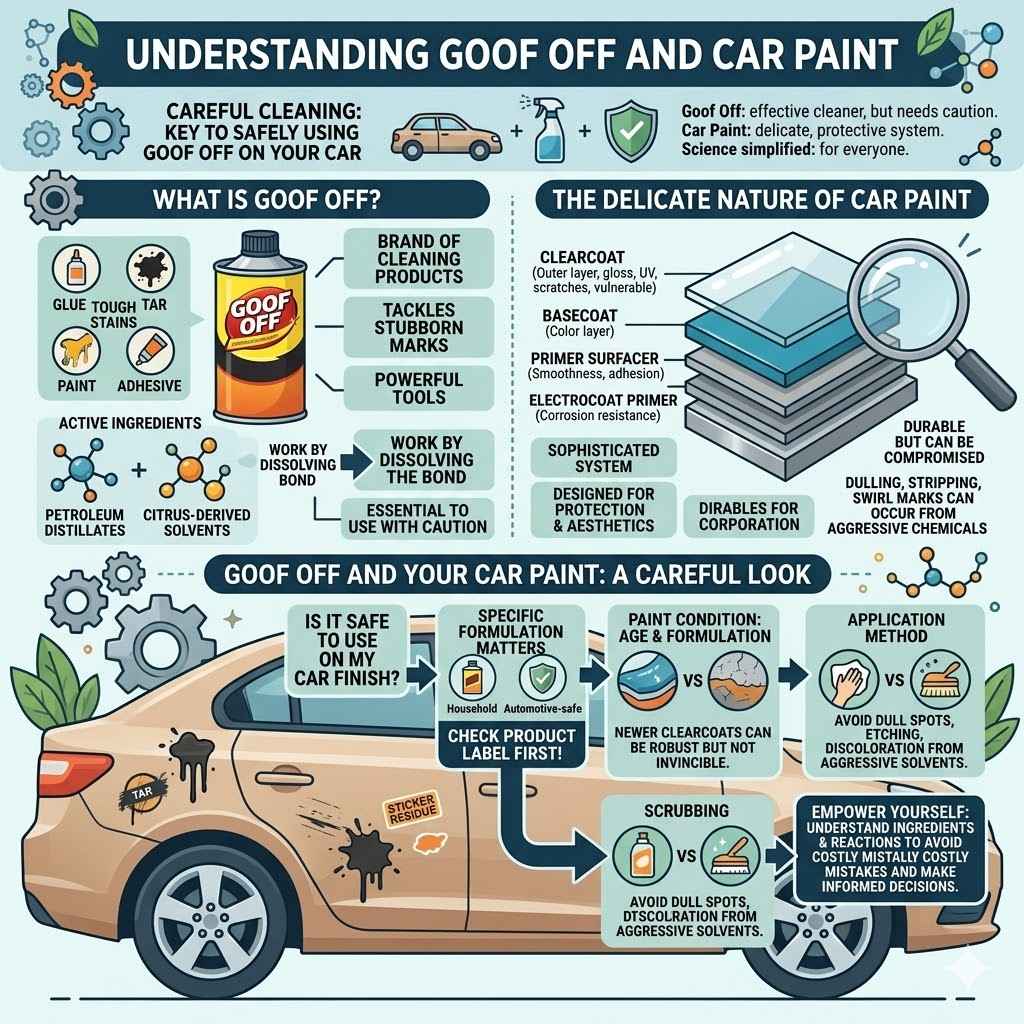
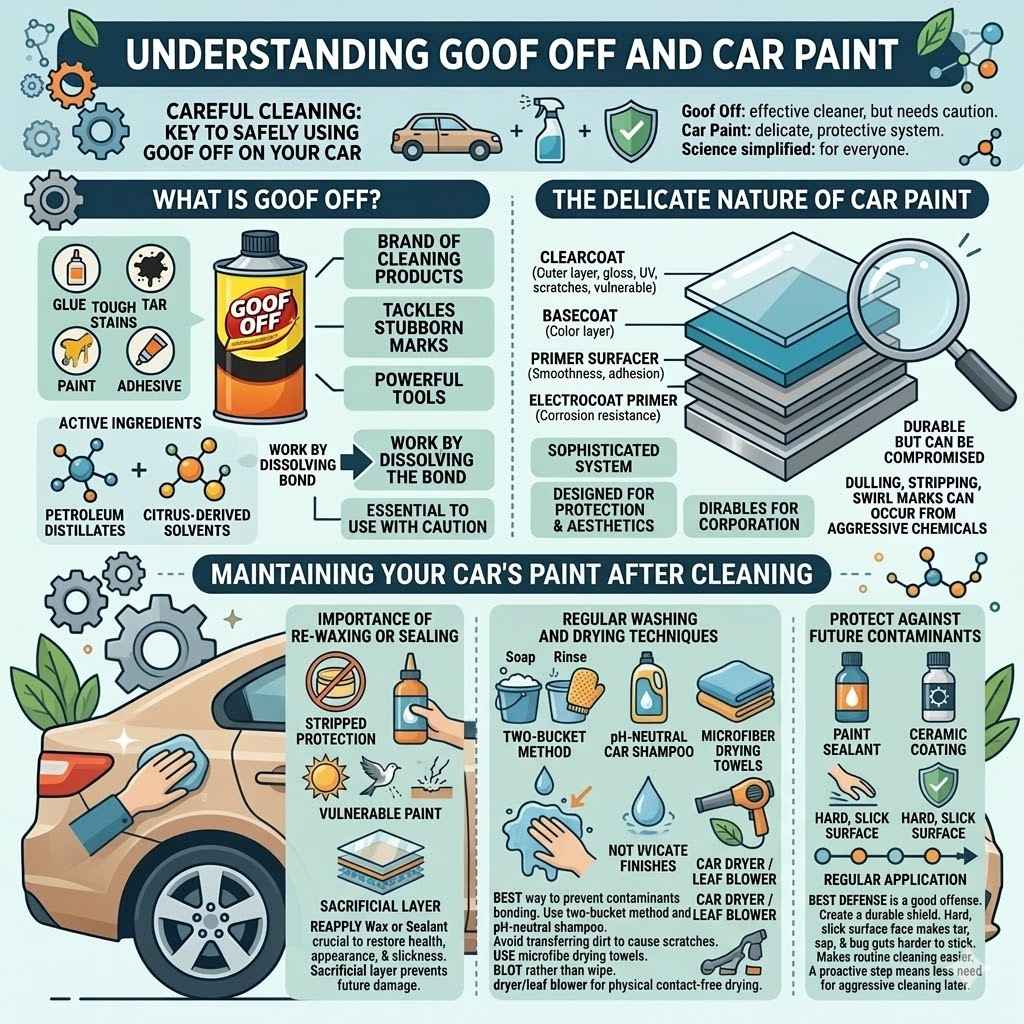
Understanding Goof Off and Car Paint
This section explores Goof Off itself and the nature of car paint. We will look at what makes Goof Off effective and why car paint needs careful treatment. Knowing these basics is key to using any cleaner safely on your car.
We’ll break down the science in simple terms so anyone can grasp it.
What is Goof Off?
Goof Off is a brand of cleaning products known for tackling tough stains and residues. These cleaners typically contain strong solvents designed to break down sticky substances like glue, tar, paint, and adhesive. They are powerful tools for removing marks that regular soap and water can’t handle.
The active ingredients in Goof Off are often petroleum-based distillates or citrus-derived solvents, which work by dissolving the bond between the residue and the surface it’s stuck to.
The effectiveness of Goof Off comes from its ability to quickly penetrate and lift various adhesives and sticky materials. This makes it a go-to product for many DIY projects and cleaning tasks. However, because it is a powerful solvent, it’s essential to use it with caution, especially on surfaces that can be sensitive, like car paint.
Understanding its composition helps explain why it can be both very useful and potentially risky if not used correctly.
The Delicate Nature of Car Paint
Car paint is not just a single layer; it’s a sophisticated system designed for both protection and aesthetics. The layers typically include an electrocoat primer for corrosion resistance, a primer surfacer for smoothness and adhesion, a basecoat for color, and a clearcoat for gloss and protection against UV rays, scratches, and environmental damage. The clearcoat is the outermost layer and is the most vulnerable to damage from harsh chemicals.
Modern car paint finishes have a clearcoat that is durable but can be compromised by strong solvents. This clearcoat can be damaged, dulled, or even stripped away if exposed to aggressive chemicals for too long or without proper dilution. Swirl marks, a common issue, are tiny scratches in the clearcoat, and harsh cleaners can worsen these or create new damage.
Therefore, any cleaning product applied to car paint must be evaluated for its potential to harm this protective layer.
Goof Off and Your Car Paint A Careful Look
Many car owners have heard about Goof Off’s ability to remove stubborn marks. When faced with tar spots from the road, sticker residue, or other tough grime on their vehicle, they might consider Goof Off. The primary concern is always about the finish of the car.
Car paint, especially newer formulations, often has a clearcoat that is quite robust, but it’s not invincible. Aggressive solvents can break down this clearcoat, leading to dull spots, etching, or even discoloration.
The question of whether you can use Goof Off on car paint safely depends heavily on the specific product formulation, the age and condition of the car’s paint, and how it’s applied. Some versions of Goof Off are marketed as safe for automotive use, while others are not. Always checking the product label is the first step.
Understanding the ingredients and their potential reactions with automotive finishes is vital to avoid costly mistakes. This knowledge empowers you to make informed decisions when cleaning your vehicle.
Assessing the Risks and Benefits
This section will help you weigh the pros and cons of using Goof Off on your car. We’ll talk about the potential for damage and what you might gain by using it correctly. Understanding these risks and benefits helps you decide if Goof Off is the right choice for your car’s specific needs.
Potential Damage from Goof Off
Using Goof Off on car paint carries risks, primarily due to its potent solvent base. The clearcoat on your car acts as a shield, but strong chemicals can penetrate and degrade it. This can lead to a dull appearance, often referred to as hazing or frosting, where the shiny surface becomes cloudy.
In more severe cases, prolonged exposure or using undiluted Goof Off can actually etch into the paint, leaving permanent marks that are difficult and expensive to repair. This damage might not be immediately apparent, but it can show up later as the clearcoat continues to break down.
Another concern is the removal of wax or sealants. Most car waxes and paint sealants are designed to protect the clearcoat. Goof Off, being a strong solvent, will likely strip these protective layers away.
While removing residue is the goal, you’ll need to reapply wax or sealant afterward to restore that protective barrier against the elements. This means an extra step in your car care routine if you choose to use Goof Off. The strength that makes it effective also makes it potentially destructive if not handled with extreme care and knowledge.
Benefits of Using Goof Off
When used correctly and cautiously, Goof Off can offer significant benefits for car owners dealing with stubborn contaminants. Its primary advantage is its power to dissolve and lift difficult residues that other cleaners cannot touch. This includes things like road tar, tree sap, bug splatters that have hardened, sticker adhesive, and even some types of graffiti or overspray.
For these types of problems, Goof Off can be highly effective, saving you a lot of scrubbing time and frustration.
Imagine a long road trip where tar splatters are all over your car’s lower panels. Or perhaps you just removed old decals and there’s sticky glue left behind. In these scenarios, Goof Off can be a quick and efficient solution to restore your car’s clean appearance.
The satisfaction of seeing a stubborn stain vanish with minimal effort is a major benefit. However, it’s crucial to remember that these benefits come with the caveat of careful application and follow-up care to ensure the paint’s integrity is maintained.
When Goof Off Might Be Appropriate
Goof Off is generally appropriate for use on car paint when dealing with specific, tough-to-remove contaminants that haven’t deeply bonded with the paint. This typically involves external sticky residues rather than ingrained stains or damage. Examples include:
- Adhesive Residue: After removing stickers, decals, or emblems, a sticky film often remains. Goof Off can effectively break down this adhesive, allowing it to be wiped away cleanly.
- Tar and Road Grime: During driving, tar and other road debris can adhere to the lower parts of your car. Goof Off can dissolve these quickly without requiring excessive force that might scratch the paint.
- Bug Splatter: While many bug removers exist, hardened bug guts can sometimes be very persistent. Goof Off can help lift these stubborn organic residues.
- Overspray: If your car accidentally gets hit with paint overspray from nearby work, Goof Off can sometimes remove it before it fully cures and bonds to your finish.
It’s important to note that “appropriate” doesn’t mean “risk-free.” These are situations where Goof Off’s powerful cleaning action can be beneficial, but it must still be used with extreme caution and proper technique. Always test in an inconspicuous area first, and never let the product sit on the paint for extended periods. Dilution and quick action are key in these situations.
Safe Application Methods for Your Car
Now that you understand the risks and benefits, let’s discuss how to use Goof Off on car paint as safely as possible. These methods focus on minimizing contact time and protecting your vehicle’s finish. Following these steps will help you achieve a clean car without causing damage.
Choosing the Right Goof Off Product
Goof Off comes in various formulations, and not all are created equal when it comes to automotive use. Some products are general-purpose cleaners, while others might be specifically designed for tougher industrial jobs. For car paint, it’s crucial to look for products that are explicitly labeled as safe for painted surfaces or automotive use.
If the label says “safe for most painted surfaces,” it’s a good starting point, but always proceed with caution.
The original Goof Off product contains strong solvents like xylene and acetone, which are generally too aggressive for car paint and can quickly damage the clearcoat. Newer or alternative formulations might use milder solvents, such as d-limonene (derived from citrus peels), which are often safer for automotive finishes. Always read the ingredient list if available and check online reviews or manufacturer recommendations for specific automotive applications before you buy.
Preparation Is Key Before You Start
Before you even think about applying Goof Off to your car’s paint, thorough preparation is essential. First, ensure the car’s surface is clean and free of loose dirt or debris. Washing the car with car shampoo and water removes particles that could scratch the paint when you try to wipe away the residue later.
If you skip this step, you risk grinding dirt into the paint while trying to remove the stain, creating more damage than the cleaner might.
Next, park your car in a shaded area. Direct sunlight can cause the Goof Off to evaporate too quickly, potentially leaving streaks or making the solvent work too aggressively on the paint. It also makes the surface too hot, which can accelerate chemical reactions and increase the risk of damage.
Ensure the area you plan to treat is cool to the touch. Finally, gather your supplies: the Goof Off product, clean microfiber cloths (you’ll need several), water for rinsing, and a car wax or sealant for reapplication.
Step-by-Step Application Process
Applying Goof Off to car paint requires a delicate touch and a time-sensitive approach. Here’s a safe method:
- Test in an Inconspicuous Area: Before tackling the main stain, apply a small amount of Goof Off to a hidden spot on your car, like the lower part of a door or a fender well. Let it sit for the recommended time (or less), then wipe it off. Check for any dulling, discoloration, or damage to the paint. If you see any issues, do not proceed with using it on visible areas.
- Apply Sparingly to the Stain: Dampen a clean microfiber cloth with Goof Off. Do not pour the product directly onto the paint. Gently dab the dampened cloth onto the specific spot you want to clean. Avoid spreading it widely.
- Work Quickly: Let the Goof Off sit on the stain for only a very short time, typically no more than 30 seconds to a minute. The goal is to let the solvent break down the residue, not to soak the paint.
- Gently Wipe Away: Use a clean section of the microfiber cloth to gently wipe away the residue and the Goof Off. You might need to lightly rub. Avoid aggressive scrubbing, which can damage the clearcoat.
- Rinse Thoroughly: Immediately after removing the residue, thoroughly rinse the treated area with plenty of clean water. This is crucial to remove any lingering solvent that could continue to damage the paint. You can use a spray bottle of water or a damp cloth.
- Dry and Inspect: Dry the area with a clean, dry microfiber cloth. Inspect the paint carefully for any signs of dullness or damage.
- Reapply Protection: Once you are satisfied that the area is clean and undamaged, reapply a quality car wax or paint sealant. This step is vital to restore the protective layer that the Goof Off likely removed.
This systematic approach ensures that you use the least amount of product for the shortest possible time on your car’s delicate finish. Remember, patience and gentleness are your best tools.
Dilution and Spot Treatment Techniques
Diluting Goof Off is a critical step in making it safer for car paint. While the product is designed to be used at full strength for many applications, car paint requires a gentler approach. A good rule of thumb is to dilute the Goof Off with water.
A common starting ratio is 1:1 (one part Goof Off to one part water), or even more diluted for sensitive areas.
To do this, mix the Goof Off and water in a small, clean container. Then, dampen your microfiber cloth with this diluted solution. This reduces the concentration of the solvents, making them less aggressive towards the clearcoat.
Spot treatment means applying the solution only to the specific stain or residue you need to remove. Do not spray or wipe it over large areas of the car’s paint. Confining the application to the target area minimizes the potential for widespread damage and makes rinsing and neutralization more effective.
Alternatives and When to Call a Professional
Sometimes, Goof Off isn’t the best solution, or the risks are too high. This section looks at safer alternatives and when it’s best to let an expert handle the problem. Knowing your options ensures you always protect your car’s value and appearance.
Safer Cleaning Alternatives
Fortunately, there are several safer alternatives to Goof Off that can effectively tackle many common car cleaning challenges without posing as much risk to your paint finish. These products are often specifically formulated for automotive use and are designed to break down contaminants gently.
- Automotive Tar and Bug Removers: Many brands offer specialized cleaners designed to remove tar, road film, and bug splatter. These are usually mild enough for regular use on car paint and often contain conditioners to protect the finish.
- Isopropyl Alcohol (IPA) Solution: A diluted solution of isopropyl alcohol (rubbing alcohol) mixed with water, typically at a 1:1 ratio, can be very effective at removing sticky adhesive residues, sap, and light tar spots. IPA evaporates quickly and is generally safe for clearcoats when used properly.
- Clay Bar Treatment: For embedded contaminants like industrial fallout or stubborn sap, a clay bar is an excellent option. When used with a proper lubricant, a clay bar gently lifts contaminants without abrading the paint surface, leaving it smooth and clean.
- Dedicated Adhesive Removers: Some automotive detailers offer specific products for removing sticker glue or adhesive residue that are much milder than general-purpose solvents.
These alternatives often require a bit more patience or a slightly different technique than a strong solvent like Goof Off, but their reduced risk profile makes them a more suitable choice for most car owners looking to maintain their vehicle’s pristine condition. Always start with the least aggressive method possible.
When to Avoid Goof Off Entirely
There are several situations where it’s best to steer clear of Goof Off altogether, no matter how tempting its strong cleaning power might seem. Firstly, if your car’s paint is old, faded, or shows signs of wear and tear, it’s likely more susceptible to damage. Older finishes may have lost some of their protective clearcoat integrity, making them extremely vulnerable to strong solvents.
Secondly, avoid Goof Off if you’re unsure about the type of paint or finish on your vehicle. Some specialty coatings, custom paint jobs, or matte finishes can be easily ruined by aggressive chemicals. If the product label doesn’t explicitly state it’s safe for your specific type of car paint, it’s wise to err on the side of caution and choose a different cleaner.
Finally, never use Goof Off on rubber trim, unpainted plastic, or vinyl unless the product specifically states it’s safe for those materials, as it can cause discoloration or degradation.
When to Seek Professional Help
For particularly stubborn or widespread contamination, or if you’ve tried milder methods without success, it might be time to consult a professional detailer. They have access to specialized products and techniques that are both effective and safe for your car’s paint. For instance, if you’re dealing with significant overspray from painting, heavy industrial fallout, or even minor vandalism like spray paint on your car, a professional detailer has the expertise to resolve these issues without causing further damage.
Another scenario where professional help is advisable is if you’re unsure about the condition of your car’s paint. A detailer can assess the paint’s health, identify any underlying issues, and recommend the best course of action. Attempting aggressive cleaning methods on compromised paint can lead to expensive repairs.
Investing in professional detailing services can save you money in the long run by preventing costly paint correction or refinishing work that might result from an incorrect DIY attempt.
Maintaining Your Car’s Paint After Cleaning
After any deep cleaning, especially if you used a stronger product, it’s important to restore and maintain your car’s paint protection. This section covers how to keep your car looking great and protected from future contaminants. Good maintenance habits are key to a long-lasting shine.
The Importance of Re-Waxing or Sealing
When you use a product like Goof Off, even if it doesn’t visibly damage the paint, it very likely strips away any protective wax or sealant that was previously applied. These protective layers are essential for shielding your car’s clearcoat from UV rays, environmental pollutants, bird droppings, and other harmful elements. Without this protective barrier, your paint is much more vulnerable to fading, oxidation, and etching.
Reapplying a quality car wax or paint sealant is crucial after using strong cleaners. Wax provides a sacrificial layer that can be easily reapplied, while sealants offer longer-lasting protection. This step not only restores the shine and slickness to your paint but also ensures that your car is protected against future damage.
It’s a vital part of the post-cleaning process to maintain the paint’s health and appearance.
Regular Washing and Drying Techniques
Consistent, proper washing is the best way to prevent contaminants from bonding to your car’s paint in the first place. Use a pH-neutral car shampoo and the two-bucket wash method. This involves using one bucket for soapy water and another for rinsing your wash mitt, which helps prevent dirt from being transferred back onto the car and causing scratches.
Drying is just as important as washing. Always use clean, high-quality microfiber drying towels. Avoid using old bath towels or chamois, as they can be abrasive.
Blot the water rather than wiping vigorously. This minimizes the risk of creating swirl marks in the clearcoat. For very delicate finishes, consider using a leaf blower or a car dryer to remove most of the water without any physical contact.
Protecting Against Future Contaminants
The best defense against tough stains and residues is a good offense. Regular application of a quality paint sealant or ceramic coating provides a durable shield for your car’s paint. These coatings create a hard, slick surface that makes it much harder for contaminants like tar, sap, and bug guts to stick.
They also make the car easier to clean during routine washes.
Consider using a spray wax or quick detailer between full waxing or sealing sessions. These products can add a bit of shine and provide a light layer of protection. Parking your car in a garage or under a carport whenever possible also helps protect it from harsh sun, rain, and falling debris.
Being proactive about protection means less need for aggressive cleaning later on.
Frequently Asked Questions
Question: Can Goof Off remove tree sap from car paint
Answer: Yes, Goof Off can remove tree sap from car paint, but it must be used very carefully and diluted. Always test in an inconspicuous area first and rinse thoroughly afterwards. It’s best to use it as a spot treatment and follow up with wax or sealant.
Question: Is Goof Off safe for all car paint colors
Answer: Goof Off’s safety depends more on the type of paint finish (clearcoat) and its condition rather than the color. While it might not cause discoloration directly, aggressive solvents can damage the clearcoat, which affects the look of all paint colors.
Question: How long can Goof Off stay on car paint
Answer: Goof Off should not stay on car paint for more than a minute. The longer it sits, the higher the risk of damaging the clearcoat. Quick application, brief dwell time, and immediate rinsing are key.
Question: Should I wax my car after using Goof Off
Answer: Absolutely. Using Goof Off almost certainly removes any existing wax or sealant protection. Reapplying wax or sealant is a critical step to restore and maintain your car’s paint’s defense against the elements.
Question: Can I use Goof Off on car windows
Answer: Goof Off may be used on car windows to remove stickers or residue. However, as with car paint, test in a small, inconspicuous area first. Avoid getting it on rubber or painted trim.
Always rinse thoroughly.
Summary
When asking, “Can You Use Goof Off on Car Paint Safely?” the answer is a cautious yes, with strict limitations. Always test first, dilute the product, and use it only for spot treatments. Rinse immediately and reapply wax.
For tough jobs or delicate paint, safer alternatives or professional help are better choices.