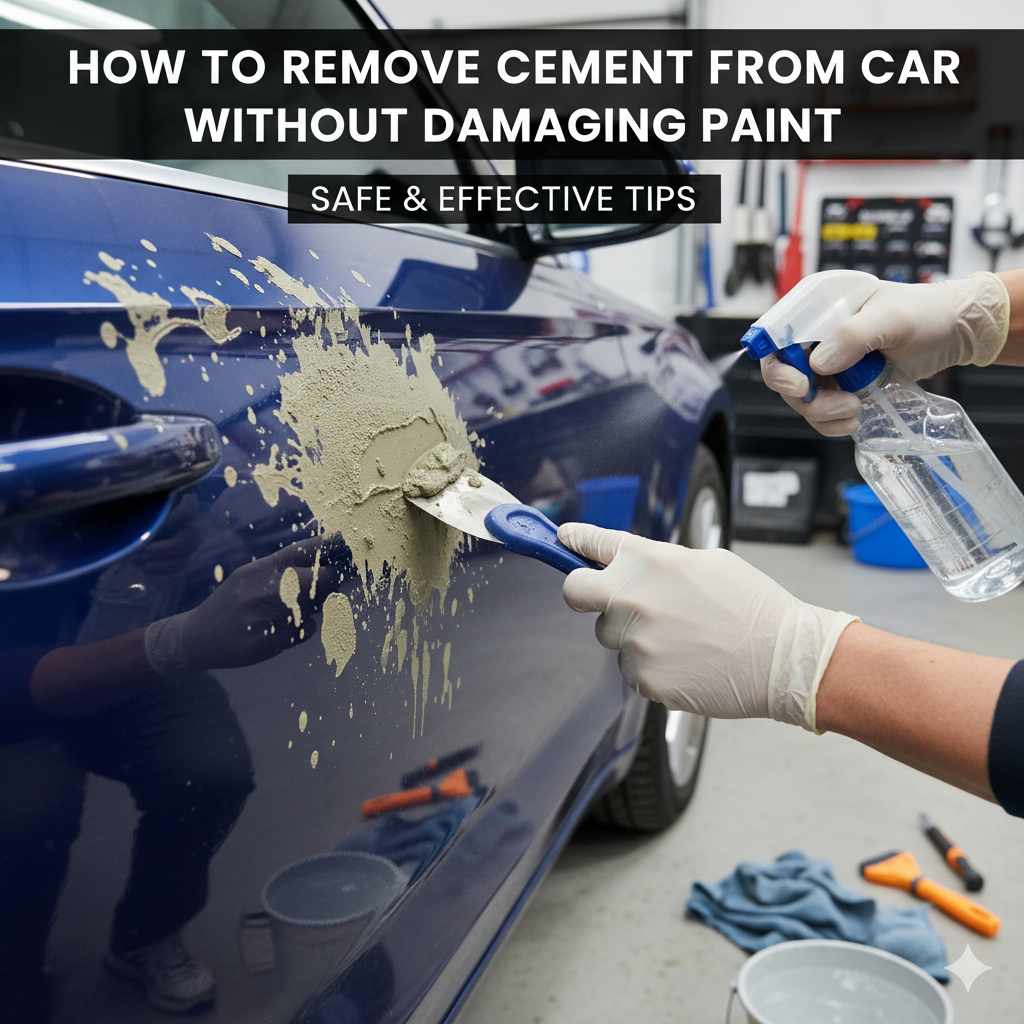
How to Remove Cement From Car Without Damaging Paint
Dried cement is highly alkaline (pH near 12) and bonds to car paint on contact — the fix is chemical, not mechanical, or you risk scratches. Left untreated, or scraped off dry, the lime in cement etches through the clear coat and leaves a permanent dull mark polishing cannot remove. This guide covers the vinegar and dissolver methods that actually work, why scraping and pressure washing make it worse, and how to protect the paint afterward.
Quick Answer
Soften dried cement with warm water, then apply a 1:1 white vinegar solution or a commercial cement dissolver and let it sit 5–10 minutes. Lift the loosened residue with a plastic scraper or damp microfiber cloth — never metal, never a pressure washer — then rinse and wax to reseal the clear coat.
What You’ll Need
Best Cement Remover Pick
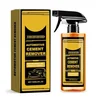
Cement Remover for Car Stain Cleaner
A gentle-formula spray built to dissolve cement and concrete residue without attacking the clear coat.
- Best for: Fully cured or stubborn cement spots vinegar alone won’t budge
- Why we picked it: Formulated specifically for cement on paint, includes a small plastic scraper and cloth
- Main drawback: Small bottle size means repeat purchases for large areas
Compare more cement-removal essentials
 Option 1 Meguiar’s Smooth Surface Clay Kit
|
 Option 2 Turtle Wax Ceramic Graphene Paste Wax
|
 Option 3 Amazon Basics Microfiber Car Drying Towels
|
As an Amazon Associate we earn from qualifying purchases.
- Warm water and a bucket
- Distilled white vinegar (or a dedicated automotive cement remover)
- Two or three clean microfiber cloths
- A plastic or wood scraper — never metal
- A clay bar for leftover mineral residue
- Car wax or paint sealant
Why Chemical Removal Works (And Scraping Doesn’t)
Cured cement is alkaline — roughly pH 12–13 — while distilled white vinegar is acidic, around pH 2.5. That acid-base gap is what actually breaks the bond between cement and your clear coat. It’s also why dry, mechanical force is the wrong first move: the silica sand inside hardened concrete is harder than automotive clear coat, so scraping or blasting it with a pressure washer grinds in scratches before it removes anything.
| Method | How It Works | Safe on Paint? | Best For |
|---|---|---|---|
| Warm water soak | Softens the bond before treatment | Yes | Always the first step |
| Vinegar solution (1:1 with water) | Acid (~pH 2.5) neutralizes alkaline cement | Yes, if rinsed after | Small, fresh splatters |
| Commercial cement dissolver | Formulated acid blend made for auto paint | Yes | Larger or fully cured deposits |
| Plastic or wood scraper (after softening) | Mechanical, only once cement is soft | Yes, if gentle | Lifting softened residue |
| Metal scraper or pressure washer | Mechanical force on a hard material | No — causes scratches/etching | Never |
Step-by-Step: How to Remove Cement From Car Paint
Work in the shade, not direct sun — heat sets cement harder and dries out your cleaning solution before it can work.
- Soak with warm water: Wet the cement spot for about 5 minutes to begin softening the bond.
- Apply an acid-based softener: Spray on a 1:1 white vinegar and water solution, or a dedicated automotive cement remover, covering the full spot.
- Let it sit: Give the solution 5–10 minutes to break down the alkaline bond. Reapply for larger or older deposits.
- Lift gently: Once the cement has softened, work a plastic or wood scraper at a low angle, or press a warm, damp microfiber cloth against stubborn spots.
- Rinse and inspect: Rinse thoroughly with water and check the panel under good light for dull spots or scratches.
- Clay bar and wax: Run a clay bar over the area to pull out leftover mineral residue, then apply wax to reseal the clear coat.
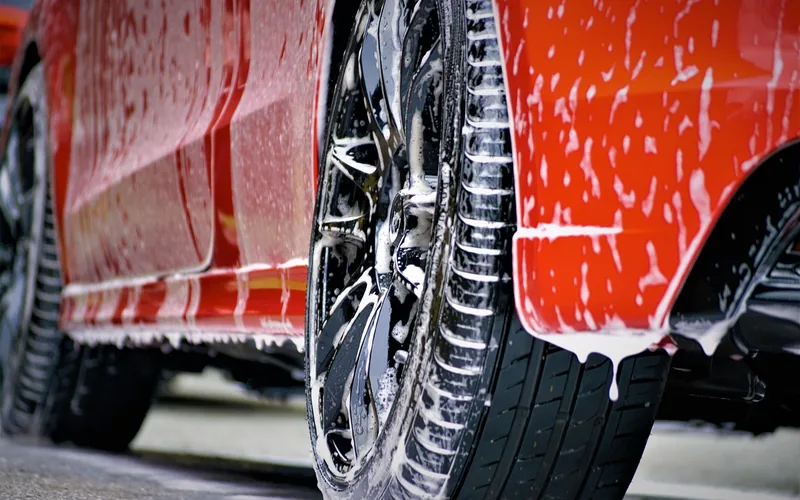
Watch: A Visual Walkthrough
Common Mistakes That Damage the Paint
Most cement-related paint damage isn’t caused by the cement itself — it’s caused by how people try to remove it. Skip these:
- Scraping while dry. Cured cement is bonded hard; a dry scrape drags its silica content across the clear coat like sandpaper.
- Metal tools of any kind. Even a light touch with a metal scraper or putty knife can cut through the clear coat.
- Pressure washers aimed at the spot. The force drives hard mineral particles into the paint instead of lifting them off.
- Working in direct sun. Heat cures cement faster and evaporates your vinegar or dissolver before it can react.
- Skipping the test spot. Try any product on a small, hidden panel first — clear coats vary, and a stronger dissolver can dull some finishes.
If a method won’t harm your car’s paint on a hidden test spot after a few minutes, it’s safe to continue on the visible area. If you see dulling, rinse immediately and switch to a gentler solution.
After the Cement Is Gone: Protecting the Paint
Final Wash and Residue Check
Wash the whole panel with a pH-neutral car shampoo, not just the treated spot — this removes any leftover dissolver residue that can otherwise haze the surrounding paint. Rinse well and dry with a clean microfiber towel to avoid new water spots.
Waxing and Sealing
Apply a wax or ceramic sealant once the area is fully clean and dry. This rebuilds the protective layer that vinegar or a cement dissolver can strip, and it makes future splatter easier to wipe off before it bonds. Reapply every one to three months, or per your product’s label.
When to Call a Professional
Get a detailer involved if cement has been sitting for weeks, covers a large panel, or you already see dulling or pitting after a gentle test spot. Professionals use paint-depth gauges and stronger, controlled dissolvers that are harder to get right by hand. The same acid-versus-abrasion logic applies to removing paint from concrete surfaces and to buffing out scratches once the panel is clean — in both cases, matching the chemistry to the surface beats brute force.
Before hiring anyone, ask what product they use on cement specifically — a shop that reaches for the same harsh solvents you’d find in an all-purpose remover like Goof Off can do more damage than the cement itself. And if the plan afterward is just a coat of wax, know that wax seals paint but won’t remove existing scratches — that needs compounding first.
Frequently Asked Questions
How Do You Get Dried Cement Off Car Paint?
Soak the area with warm water, then apply a 1:1 white vinegar solution or a commercial cement dissolver and let it sit 5–10 minutes. Lift the softened residue with a plastic scraper or damp microfiber cloth — never a metal tool — then rinse and wax. Always test on a small hidden spot first.
Does WD-40 Remove Cement From Car Paint?
WD-40 can loosen fresh, thin cement residue by penetrating the bond, but it isn’t formulated to dissolve hardened concrete and can leave an oily film that attracts dirt. A dedicated cement remover or diluted vinegar solution works more reliably on cement that has fully set.
Is It Safe to Use a Pressure Washer on Dried Cement?
No. A pressure washer forces water hard enough to drive the silica particles inside cement into the clear coat, causing the exact scratches you’re trying to avoid. Soften the cement chemically first, then rinse it away at normal hose pressure.
Can Vinegar Damage Car Paint If Left On Too Long?
Yes, prolonged, undiluted vinegar contact can dull wax layers and, on some clear coats, cause its own light etching. Use a diluted 1:1 water solution, limit contact time to under 10 minutes, and rinse thoroughly — don’t let it air-dry on the panel.
How Long Does It Take to Remove Dried Cement From a Car?
A small, fresh splatter typically takes 20–30 minutes from soak to wax. Larger or older deposits that have fully cured can take several hours and multiple softening applications before the panel is completely clean.
Conclusion
Cement comes off car paint safely with chemistry, not force: soften it, dissolve the alkaline bond with vinegar or a dedicated remover, then lift it gently and reseal with wax. Skip the metal scraper and the pressure washer — both cause the scratches and etching people mistakenly blame on the cement itself.
Sponsored / affiliate links. As an Amazon Associate I earn from qualifying purchases. I may earn additional commission from eligible campaigns.