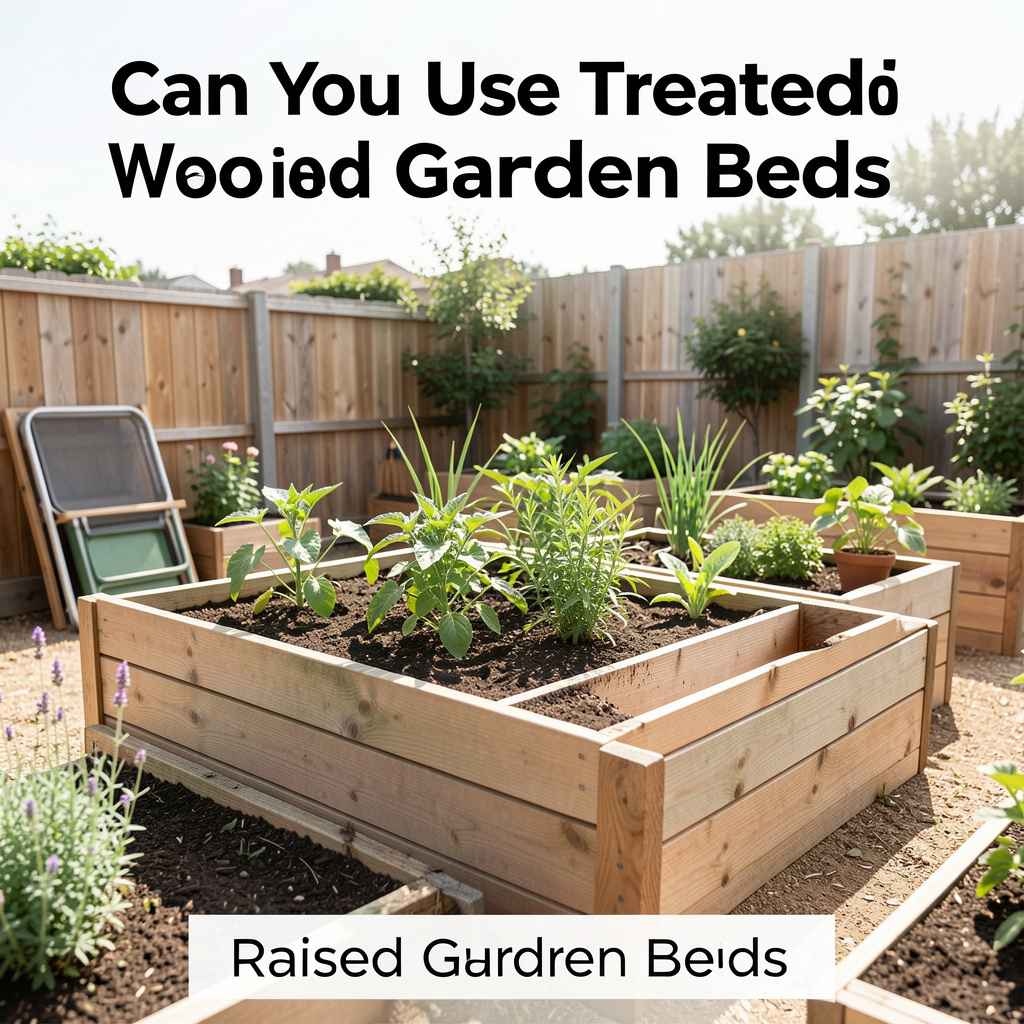
Can You Use Treated Wood for Raised Garden Beds?
Many gardeners wonder about using treated wood for their raised beds. It’s a common question, especially for beginners, because treated wood lasts longer and costs less than some other options. But is it safe for growing food?
It can feel confusing to know the right answer. This guide will make it simple. We’ll go step-by-step so you can confidently choose materials for your garden.
Safety of Treated Wood in Garden Beds
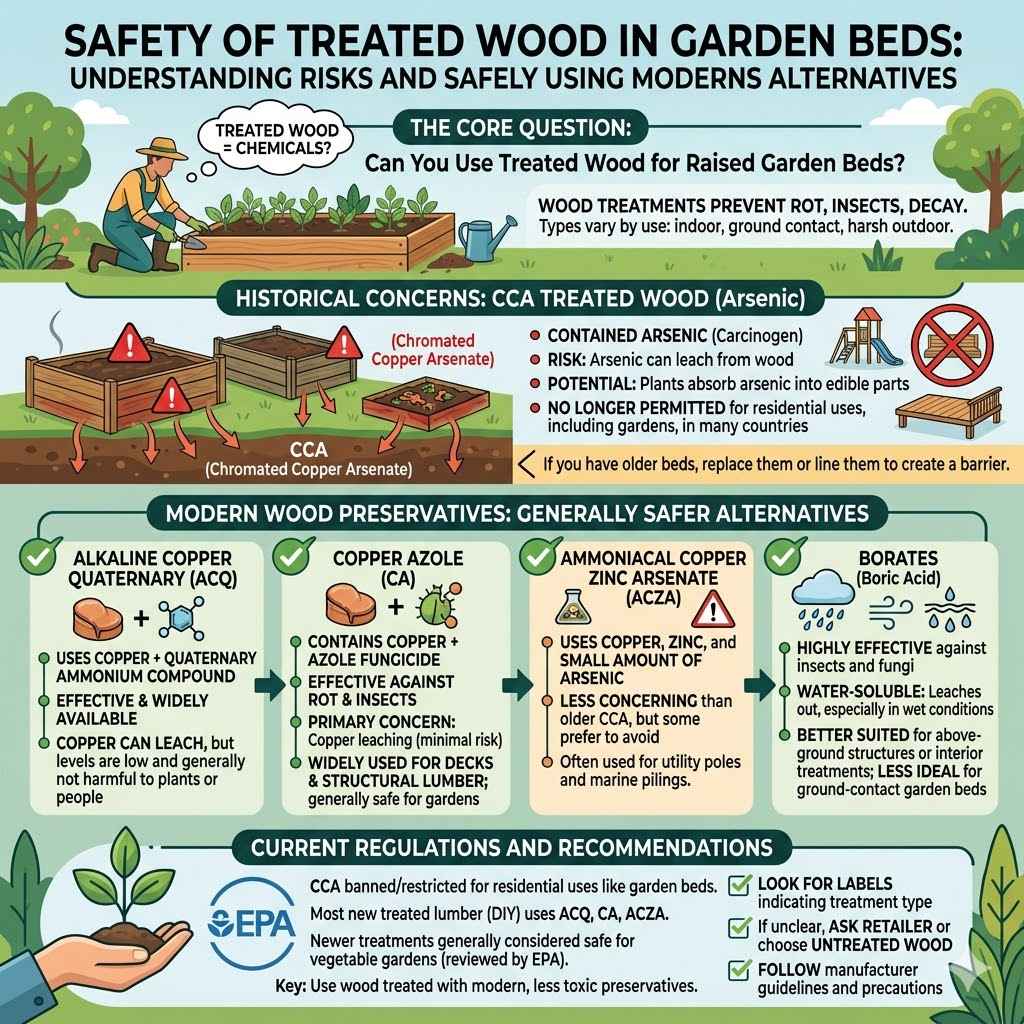
The question Can You Use Treated Wood for Raised Garden Beds? often comes up because treated wood contains chemicals meant to protect it from rot and insects. For many years, people used wood treated with chromated copper arsenate (CCA). This type of treatment included arsenic, which is a concern for food gardens.
However, CCA is no longer used for residential applications in many places. Newer treatments are considered much safer. We will explore what makes these treatments safe and what to watch out for.
Understanding Wood Treatments
Wood treatments, often called preservatives, are chemicals added to wood to make it last longer. They prevent fungi, insects, and decay from damaging the wood. Without these treatments, wood used outdoors would quickly rot and need
Different types of treatments exist. Some are designed for indoor use, while others are made for ground contact or harsh outdoor conditions. The type of treatment is key to understanding its safety for a garden setting.
Knowing the chemical makeup helps gardeners make informed decisions about their raised beds.
Types of Wood Preservatives
There are several common types of wood preservatives used today. Each has different components and is approved for specific uses. It’s important to recognize which treatments are generally considered safe for gardening and which might pose concerns.
- Alkaline Copper Quaternary (ACQ)
ACQ is a popular alternative to older, more toxic treatments. It uses copper and a quaternary ammonium compound. The copper acts as a fungicide, and the quaternary compound is an insecticide.
It’s effective and widely available. The copper can leach into the soil, but studies suggest the amounts are generally very low and not harmful to plants or people.
- Ammoniacal Copper Zinc Arsenate (ACZA)
ACZA is another common treatment. It uses copper and zinc, similar to ACQ, but also includes a small amount of arsenic. While it’s less concerning than older CCA treatments, some gardeners prefer to avoid it due to the arsenic content, even in small amounts.
It is often used for utility poles and marine pilings.
- Copper Azole (CA)
Copper azole is a widely used treatment for lumber. It contains copper along with an azole fungicide. It’s effective against rot and insects.
Like ACQ, the primary concern is potential copper leaching. This treatment is often preferred for deck boards and structural lumber and is generally considered safe for most garden uses.
- Borates
Borate treatments use boric acid. They are very effective against insects and fungal decay. However, borates are water-soluble, meaning they can leach out of the wood over time, especially in wet conditions.
This makes them less ideal for ground-contact applications like the sides of raised beds. They are better suited for above-ground structures or as an interior treatment.
Historical Concerns with CCA Treated Wood
For decades, wood treated with Chromated Copper Arsenate (CCA) was very common. This treatment was highly effective at preventing rot and insect damage, making it a popular choice for outdoor projects. However, CCA contains arsenic, a known carcinogen.
Arsenic can leach from the wood into the soil. This raised serious concerns about its safety for use in gardens where edible plants are grown.
When plants absorb arsenic from the soil, it can accumulate in the edible parts. This posed a risk to human health. Because of these health concerns, CCA treated wood is no longer permitted for residential decks, playgrounds, or any application that might involve direct contact with children or food production in many countries.
Understanding this history helps explain why there’s caution around treated wood in gardens.
Many older raised garden beds might still be made from CCA-treated wood. If you have such beds, it’s wise to consider replacing them or lining them to create a barrier between the wood and the soil. Newer treated wood options are designed to be safer for a wider range of uses.
Current Regulations and Recommendations
Regulations regarding treated wood have changed significantly to address health and environmental concerns. In many regions, the use of CCA for residential purposes, especially for garden beds, has been banned or heavily restricted. This means that most new treated lumber available for DIY projects is treated with alternatives like ACQ, ACZA, or CA.
These newer treatments are generally considered safe for use in vegetable gardens. Organizations like the U.S. Environmental Protection Agency (EPA) have reviewed these treatments and deemed them acceptable for garden use when installed correctly.
The key is to use wood treated with these modern, less toxic preservatives.
When purchasing treated lumber, look for labels that indicate the type of treatment used. If the label is missing or unclear, it’s best to ask the retailer or choose untreated wood as a safer alternative. Always follow manufacturer guidelines for installation and any recommended precautions.
Choosing the Right Treated Wood for Your Garden
When you’re deciding Can You Use Treated Wood for Raised Garden Beds?, the type of treatment is the most important factor. Not all treated wood is created equal, and some types are definitely better suited for gardening than others. The goal is to select wood that will last a long time while also being safe for growing your food.
Modern treated woods use preservatives that are less toxic than older arsenic-based treatments. These newer chemicals are designed to last, resisting rot and pests effectively. This means your garden beds will hold their shape and structure for many years, saving you the hassle and expense of frequent replacements.
Identifying Safe Treated Lumber
To ensure safety, it’s crucial to identify the type of treatment used in the lumber you buy. Look for stamps or labels on the wood. These markings usually indicate the preservative used and the intended use of the lumber, such as “ground contact” or “above ground.”
Wood treated with ACQ, CA, or ACZA is generally considered safe for use in raised garden beds. These treatments are designed to be durable and resist leaching into the soil at levels that would harm plants or humans. Always check the end tags or ask a store associate if you are unsure about the treatment type.
Avoid any wood that is not clearly labeled or that you suspect might be older CCA-treated lumber. If you have old wood and are unsure of its treatment, it might be best to err on the side of caution. You can then line the beds with a barrier to prevent any potential chemical transfer.
Modern Treatment Standards
Modern treated wood standards focus on reducing the environmental and health impact of preservatives. Treatments like ACQ and CA use copper as the primary fungicide, which is less toxic than arsenic. The other components in these treatments help the copper bind more effectively to the wood, reducing its tendency to leach out.
These newer treatments are designed to meet stringent safety requirements for various applications. They are engineered to provide long-term protection against decay and insect attack, ensuring the structural integrity of outdoor projects. For garden beds, this means you can build sturdy structures that will withstand the elements for years.
The chemicals in modern treatments are also formulated to have lower volatility and reduced mobility in soil. This means that even if a small amount does leach, it is less likely to accumulate to harmful levels. Regulatory bodies continuously review these standards to ensure ongoing safety for consumers and the environment.
When to Consider Untreated or Alternatives
While modern treated wood is generally safe, some gardeners still prefer to use untreated wood or alternative materials for their raised beds. This is often a personal choice, driven by a desire to be completely free of any chemical exposure. If you fall into this category, there are excellent options available.
Cedar, redwood, and cypress are naturally rot-resistant woods that do not require chemical treatment. While they can be more expensive upfront, their natural durability can make them a good long-term investment. They also offer a beautiful, natural look to your garden.
Other alternatives include composite lumber, recycled plastic lumber, stone, bricks, or concrete blocks. These materials are highly durable and require no chemical treatment. Each has its own pros and cons regarding cost, appearance, and ease of installation, but they all offer a chemical-free way to build your garden beds.
Natural Wood Durability
Some types of wood naturally resist decay and insect damage due to their high oil content and natural compounds. These woods are excellent choices for outdoor construction, including raised garden beds, as they can last for many years without chemical treatment. They offer a beautiful, organic aesthetic to any garden design.
- Cedar
Cedarwood is known for its beautiful color and pleasant aroma. It contains natural oils and extractives that make it resistant to rot, decay, and insects. While it can be more expensive than pine or fir, cedar offers excellent longevity in outdoor applications.
It weathers to a attractive silvery-gray color over time.
- Redwood
Redwood is another highly durable wood, renowned for its natural resistance to decay and insects. It has a rich, reddish-brown color that is very appealing in garden settings. Redwood is also very stable, meaning it is less prone to warping or cracking than many other woods.
It is a premium choice for garden beds.
- Cypress
Cypress wood has a natural resistance to moisture and decay, making it suitable for outdoor use. It is often more affordable than cedar or redwood, yet still provides good durability. Cypress has a fine, even texture and can be stained or left natural to develop a weathered patina.
These naturally durable woods are a great option if you want to avoid treated lumber entirely. Their natural resistance means they will stand up well to the constant moisture and soil contact of a raised garden bed. They offer a classic, timeless look that many gardeners appreciate.
Building with Treated Wood Safely
Once you’ve decided to use treated wood and have selected a safe type, knowing how to build with it properly is essential. The way you construct your raised beds can further minimize any potential risks and ensure your garden is as safe as possible for growing food. It’s all about creating a good barrier and using best practices.
The primary concern with treated wood is the potential for chemicals to leach into the soil. By taking a few simple precautions during the building process, you can significantly reduce this risk. This makes your treated wood raised beds a safe and long-lasting addition to your garden.
Creating a Physical Barrier
A key step to ensure safety when using treated wood for raised garden beds is to create a physical barrier between the soil and the wood. This barrier prevents direct contact, significantly reducing any potential for chemicals to leach into the soil where your plants grow. It’s a simple but very effective measure.
You can use heavy-duty plastic sheeting, such as polyethylene or pond liner, for this purpose. Staple the plastic to the inside walls of the raised bed, ensuring it extends from the top edge down to the bottom. Make sure there are no gaps or holes.
This creates a protective layer that keeps the soil separate from the treated wood.
Another option is to use a landscape fabric liner. While not as impermeable as plastic, a thick, durable landscape fabric can also provide a good barrier. Some gardeners choose to use a combination of materials for added protection.
Ensure the liner extends beyond the edges of the bed slightly to prevent soil contact at the top.
Using Liners for Protection
Using a liner is one of the most recommended ways to ensure safety when using treated wood. It acts as a shield, preventing soil from coming into direct contact with the treated lumber. This significantly reduces any concern about chemicals transferring to your plants and subsequently to your food.
When selecting a liner, opt for food-grade plastic or thick, durable pond liner material. Avoid thin plastic that can tear easily. Cut the liner to size, allowing enough material to cover the inside walls and extend slightly over the top edge.
Secure the liner using a heavy-duty staple gun.
It’s important to ensure the liner completely covers the interior surface. Pay special attention to corners and edges where gaps might occur. If you are planting directly in the bed, make sure the liner allows for drainage at the bottom.
You can achieve this by poking small holes in the liner at the base of the bed.
Best Practices for Assembly
When assembling your raised beds with treated wood, there are a few best practices to follow. These tips help ensure the longevity of your beds and your safety.
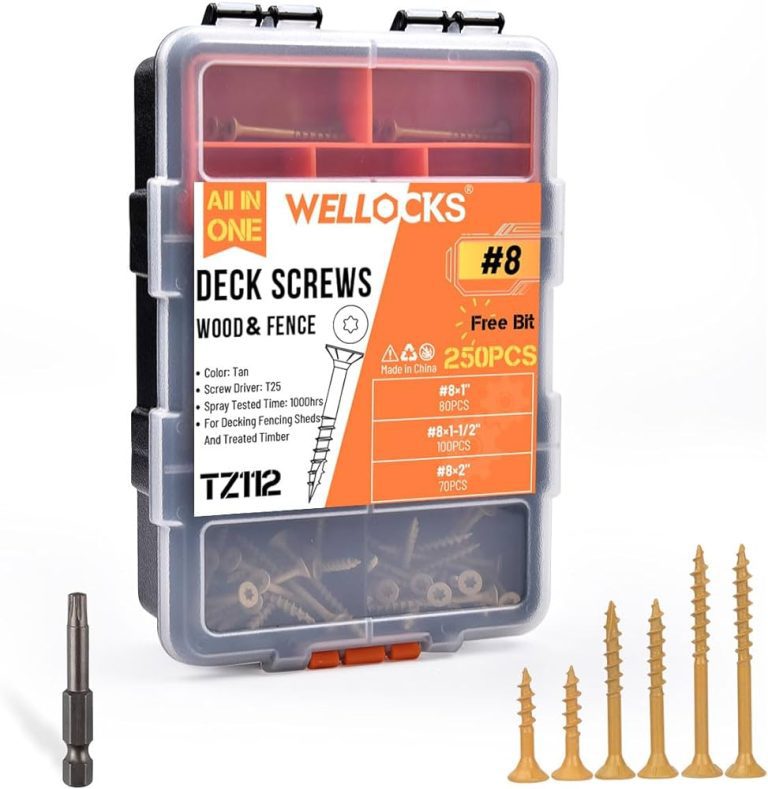
- Use appropriate fasteners. Treated lumber can be corrosive to certain metals. Use galvanized, stainless steel, or specially coated screws and nails designed for use with treated wood. This prevents rust and ensures your fasteners will hold the structure together for a long time.
- Seal cut ends. Whenever you cut treated lumber, the freshly exposed wood can be more susceptible to decay. Apply a wood preservative or sealer to all cut ends. This helps to protect the wood and maintain its integrity.
- Proper drainage. Ensure your raised beds have adequate drainage. Standing water can accelerate wood decay, even in treated lumber. The soil should drain freely so the wood isn’t constantly saturated.
- Avoid treated wood for edible roots. If you are particularly concerned, you might choose to avoid using treated wood for the very bottom layer that will be in direct contact with root vegetables. You could use untreated wood or an alternative material for the lowest section.
These simple assembly tips will help your raised garden beds last longer and be as safe as possible for growing delicious, healthy food. They address potential weak points and ensure the durability of your garden structure.
Long-Term Considerations and Maintenance
When you’re thinking Can You Use Treated Wood for Raised Garden Beds?, it’s also smart to consider how your choice will perform over time. Treated wood offers durability, but like all materials, it requires some attention to last its best. Understanding its lifespan and how to maintain it will help you get the most from your garden beds.
The chemicals in treated wood are designed to protect it from the elements, rot, and insects. This means treated beds generally last much longer than beds made from untreated pine or fir. However, factors like climate, soil pH, and the specific type of treatment can influence how long they remain functional and aesthetically pleasing.
Lifespan of Treated Wood Beds
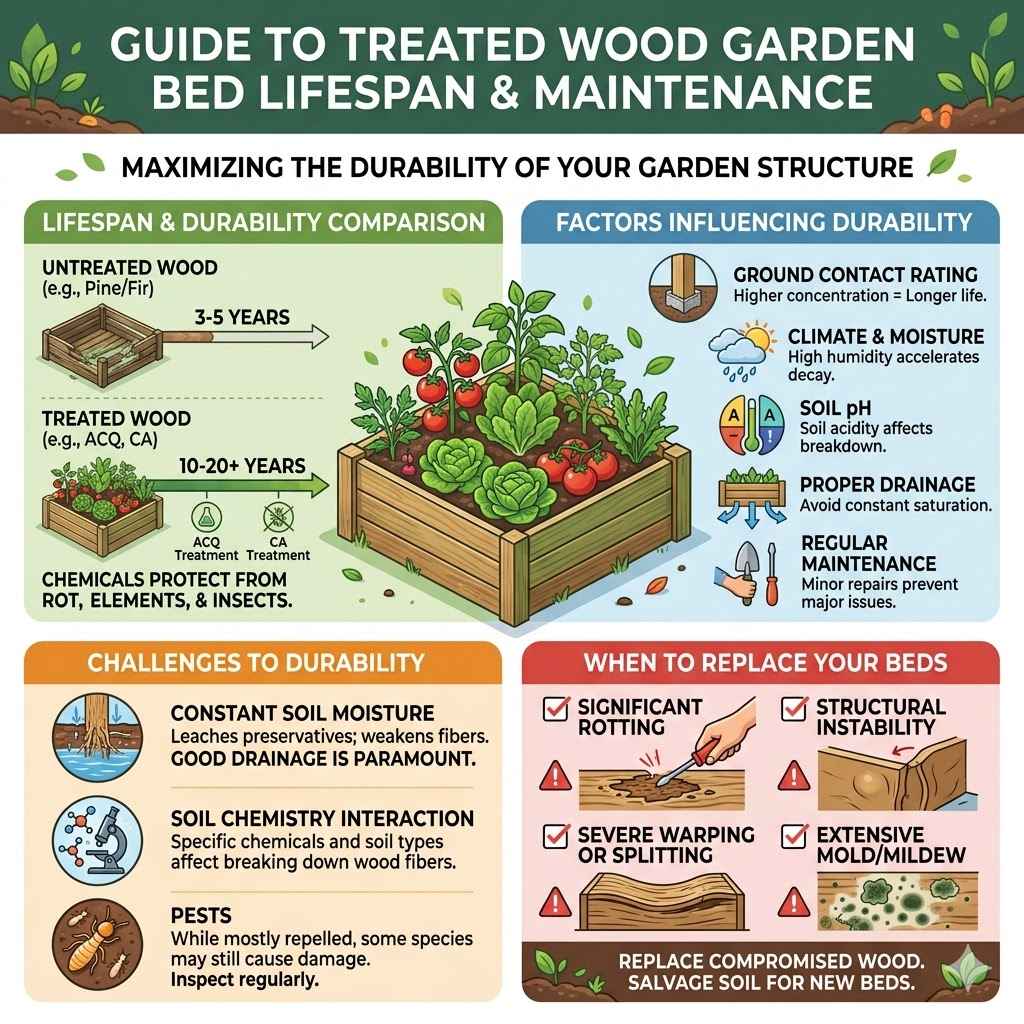
Treated wood, especially when using modern preservatives like ACQ or CA, can last for 10 to 20 years, or even longer, depending on the conditions. This is significantly longer than untreated wood, which might only last 3 to 5 years in a garden setting before starting to rot.
The lifespan is influenced by several factors:
- Type of Treatment: Higher concentrations of preservatives generally mean longer life. Lumber rated for ground contact will typically last longer than lumber rated for above-ground use.
- Climate: Areas with high moisture and humidity can accelerate decay, even for treated wood. Extreme temperatures can also play a role.
- Soil pH: The acidity or alkalinity of your soil can affect how quickly the wood breaks down.
- Installation: Proper drainage and avoiding constant saturation of the wood will extend its life.
- Maintenance: Regular checks and minor repairs can help prevent small issues from becoming major problems.
- Knowing that your treated wood beds can last for many years is a significant advantage. It means you can invest your time and effort into planting and harvesting, rather than constantly rebuilding your garden structure.
Factors Affecting Durability
Several factors can impact the durability of treated wood in a raised garden bed environment. While treated wood is designed for longevity, understanding these influences helps manage expectations and prolong its usefulness.
The constant contact with moist soil is a primary challenge. Even treated wood will eventually degrade if it’s kept perpetually wet. Good drainage is therefore paramount.
Without it, the preservatives can be leached out more quickly, and the wood fibers themselves will weaken over time.
The specific chemicals used in the treatment also play a role. Modern treatments are engineered for stability, but the interaction with soil chemistry is still a factor. Some soil types may be more aggressive in breaking down wood fibers, regardless of treatment.
Pests, even those that might not be deterred by the treatment, can also cause damage. While most common wood-boring insects are repelled, certain termites or burrowing animals might still pose a risk in some regions. Regular inspection can catch these issues early.
When to Replace Treated Wood Beds
Even the most durable treated wood will eventually show signs of wear. Knowing when to replace your raised garden beds is important for maintaining a safe and functional garden. Look for these indicators:
- Significant Rotting: If you notice soft, crumbly spots in the wood, especially near the soil line, it’s a sign of advanced decay. Push a screwdriver into suspect areas; if it penetrates easily, the wood is compromised.
- Structural Instability: If the walls of your raised bed are bowing outward significantly, or if corners are starting to pull apart, the structural integrity is weakened. This can be a safety hazard and may lead to the bed collapsing.
- Warping or Splitting: While some minor warping is normal, severe splitting or deformation can indicate that the wood is no longer sound and may start to break down.
- Visible Mold or Mildew Growth: While treated wood resists mold, extensive or persistent growth on the surface could indicate that the protective treatment is breaking down.
If you observe any of these issues, it’s time to consider replacing the wood. When you do, you can often salvage the soil and use it in new beds, ensuring that all your hard work in the garden isn’t wasted. The process of replacing beds is also an opportunity to reassess your material choices.
Frequently Asked Questions
Question: Is treated wood safe for growing vegetables?
Answer: Yes, modern treated wood treated with ACQ, CA, or ACZA is generally considered safe for growing vegetables, especially when a liner is used between the wood and the soil.
Question: What type of treated wood should I avoid for garden beds?
Answer: You should avoid older CCA (Chromated Copper Arsenate) treated wood due to its arsenic content. Newer treatments are safer alternatives.
Question: How long does treated wood last in a raised garden bed?
Answer: Treated wood can last 10 to 20 years or even longer, depending on the type of treatment, climate, and maintenance.
Question: Can I line my treated wood raised beds?
Answer: Absolutely. Lining your treated wood raised beds with heavy-duty plastic or pond liner is a great way to create a barrier and enhance safety.
Question: Are there alternatives to treated wood for garden beds?
Answer: Yes, natural rot-resistant woods like cedar and redwood, as well as materials like stone, bricks, or composite lumber, are excellent alternatives.
Conclusion
The question Can You Use Treated Wood for Raised Garden Beds? has a clear answer with modern options. Safe, effective treatments like ACQ and CA are available. Always choose lumber labeled for residential use with these modern preservatives.
Adding a liner creates an extra layer of protection, ensuring your garden is a healthy place to grow food for years to come.