Pressure-Treated Wood Deck: KDAT or Green? (Moisture Test)
Pressure-treated wood decks arrive at 35-75% moisture unless stamped KDAT, capped at 19% by the Southern Pine Council. Installing green boards tight together opens gaps unevenly as they dry, and using ground-contact lumber (0.40 retention, AWPA UC4A) above ground wastes money on protection you don’t need. This guide covers reading the treatment stamp, correct board spacing per moisture state, and the fastener coating that won’t corrode in ACQ or MCA-treated lumber.
What Is Pressure-Treated Wood?
Best Moisture Meter Pick
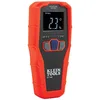
Klein Tools ET140 Pinless Moisture Meter – $49.97
Reads relative moisture up to 3/4-inch deep without leaving pinholes in your deck boards – the same check this guide uses to tell KDAT lumber from green PT before you set your board spacing.
- Best for: Checking boards before installing, no marks left behind
- Why we picked it: Trusted brand, 3/4-inch read depth covers standard 5/4 and 2x decking
- Main drawback: Reads relative moisture only, not an exact percentage like a pin meter
Compare more moisture meter options
 Option 1 General Tools MMD4E Moisture Meter – $37.70
|
 Option 2 General Tools MMD7NP Moisture Meter – $49.99
|
 Option 3 RDINSCOS Pinless Moisture Meter – $29.69
|
As an Amazon Associate we earn from qualifying purchases.
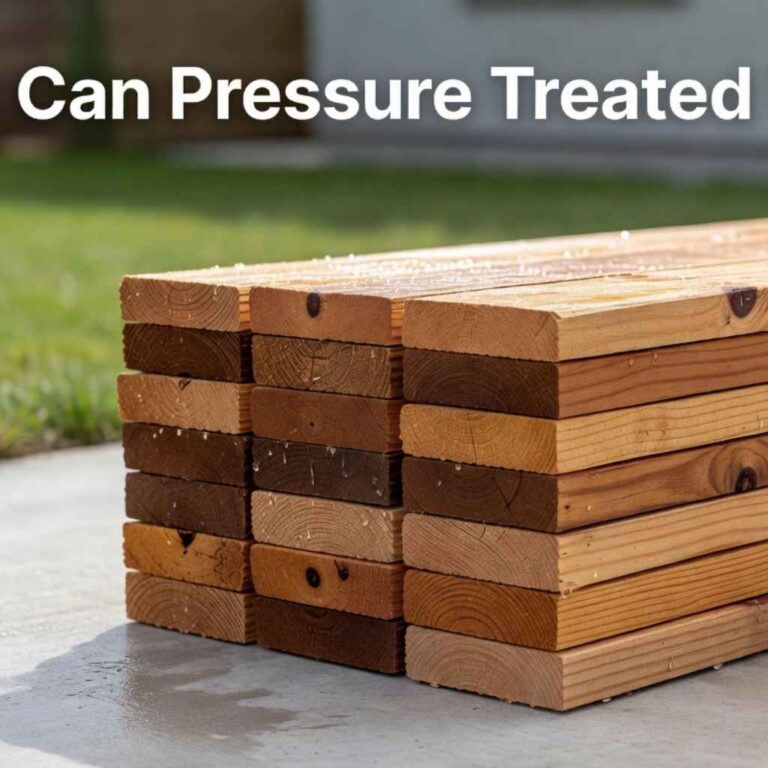
Pressure-treated wood is softwood lumber, usually southern yellow pine, that has had a liquid chemical preservative forced into its fibers inside a sealed pressure chamber. The treatment protects against rot, fungal decay, and insect damage — problems that make untreated lumber unsuitable for ground contact or continuous outdoor exposure. Since the U.S. phased out arsenic-based CCA treatment for residential use in 2003, the two chemicals you’ll actually buy are ACQ (alkaline copper quaternary) and MCA (micronized copper azole), both copper-based.
Every treated board is stamped with a use category, and the distinction matters more than most buying guides mention: above-ground lumber (0.25 lb/ft³ retention, AWPA Use Category UC3) is rated for decking, joists, and railings that stay clear of soil and drain freely. Ground-contact lumber (0.40 lb/ft³ retention, UC4A or higher per AWPA’s homeowner guidance) is required for posts, footings, and anything within 6 inches of the ground. Using above-ground boards where an inspector expects ground-contact retention is a common reason decks fail inspection.
Check Moisture Before You Build: KDAT vs. Green Lumber
This is the step most deck guides skip, and it’s the reason so many pressure-treated decks develop uneven gaps or cupped boards within the first year. According to Fine Homebuilding, most treated lumber leaves the mill at 35% to 75% moisture content and is still wet when it reaches the job site — unless it’s stamped KDAT (Kiln Dried After Treatment), which the Southern Pine Council’s grading rules cap at 19% moisture content. Green, unstamped lumber sitting in that 35-75% range will shrink noticeably as it dries in place.
The fix is to match your board spacing to the lumber’s actual moisture state, not a single generic gap size:
| Lumber State | How to Tell | Install Gap |
|---|---|---|
| Green / wet PT (no KDAT stamp) | Feels cool, dark, or damp; heavier than a dry board of the same size | Install nearly tight (~1/16″) — boards shrink to a ~1/4″ gap as they dry |
| KDAT / kiln-dried (stamped 19% or less) | Stamp reads “KD,” “KD19,” or “KDAT”; feels light and dry | 3/16″ for 4″ boards, 1/4″ for 6″ boards |
| Air-dried (no kiln, stored 4–8 weeks) | Lighter than green, no kiln stamp, moisture meter reads under ~18% | 3/32″ to 1/8″ — tighter than kiln-dried since less shrinkage remains |
If the stamp is missing or unreadable, a pinless moisture meter gives you a reading in seconds without leaving marks in the board:
- Check the stamp first: Look for “KD,” “KD19,” or “KDAT” on the board end or face — if it’s there, treat the board as dry and use the kiln-dried spacing above.
- No stamp? Test it: Press a pinless moisture meter flat against the board face in two or three spots per board; readings consistently under 19% mean it’s safe to treat as dry.
- Set your spacing: Use the green-lumber gap for anything reading high or feeling damp, and the kiln-dried gap for anything confirmed under 19%.
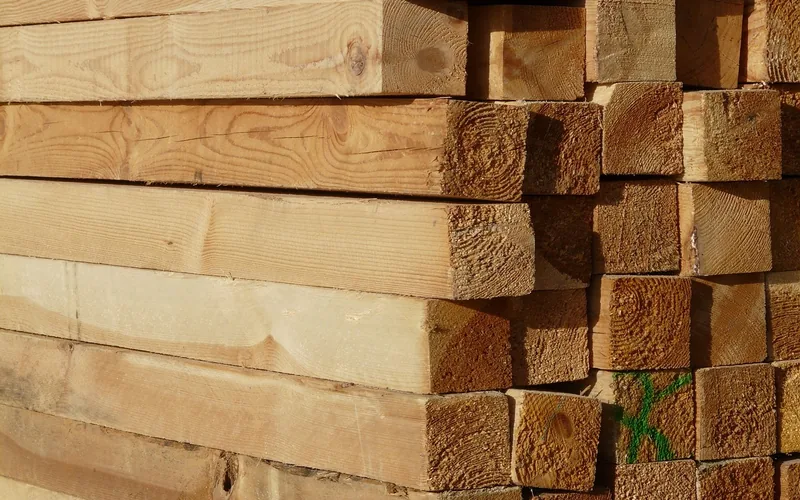
📊 KDAT lumber is capped at 19% moisture content; green PT typically reads well above that — Source: Southern Pine Council, Seasoning Requirements
Designing Your Deck
Start with the board itself: most residential decking uses nominal 5/4-inch or 2-inch thick boards over joists spaced 16 inches on-center. If you’re deciding between board profiles, our pressure-treated 5/4 deck board guide covers span ratings and thickness trade-offs in more depth than fits here.
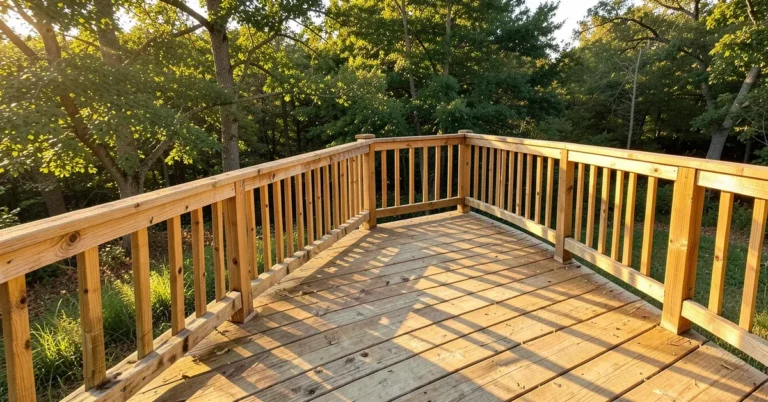
Beyond the boards, railings and stairs are where design choices show the most. If the layout includes a handrail run, pressure-treated handrails keep material and finish consistent with the decking, and most local codes require a graspable handrail on any stair with four or more risers.
| Wood Type | Upfront Cost | Best For |
|---|---|---|
| Pressure-treated pine | Lowest | Budget builds, structural framing under any decking material |
| Cedar | ~2x pressure-treated | Natural rot resistance without chemical treatment, warmer color |
| Composite | ~3–4x pressure-treated | Minimal maintenance, no sealing or staining required |
Installation Tips
Clear the build area of debris, rocks, and plant roots, and confirm the ground is level before setting footings. Landscape fabric under the deck blocks weed growth without trapping moisture, and a layer of gravel around footings improves drainage — standing water at the base of a post is what shortens its life fastest, not surface weathering.
Fastener choice matters as much as the lumber grade: the copper in ACQ and MCA treatment corrodes standard electro-galvanized screws within a few seasons. Use fasteners rated hot-dip galvanized or stainless steel, and check that any structural connectors (joist hangers, post bases) carry the same rating — a corroded hanger is a structural failure waiting to happen, not just a cosmetic one. Always check local building codes before starting; ground-contact posts, footing depth, and handrail requirements are the items inspectors flag most often.
Safety Considerations
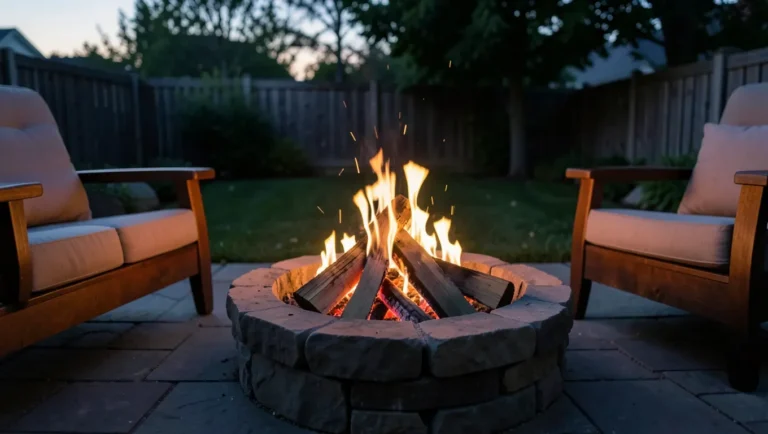
Wear gloves, safety glasses, and a dust mask when cutting or sanding pressure-treated lumber — the copper-based preservative concentrates in sawdust. Wash hands before eating and never burn treated wood scraps in a fireplace or fire pit, since burning releases the copper compounds into ash and smoke. Once the deck is built, inspect it each season for splinters, loose fasteners, or soft spots that signal rot underneath, and reapply a water-repellent sealer every 2–3 years.
Cost Analysis
Pressure-treated decking typically runs $25–$50 per square foot installed, including materials and labor — the lowest upfront cost of the common decking materials, though it asks for more ongoing maintenance than composite. Because the full cost breakdown (materials-only vs. installed, size-by-size estimates, and 2026 lumber pricing) deserves more room than fits in this general guide, see our dedicated pressure-treated deck cost guide for the complete numbers.
Environmental Impact
Modern ACQ and MCA treatments replaced arsenic-based CCA specifically to reduce soil and groundwater contamination risk, and both are approved for residential use by the EPA. Sourcing lumber from a certified sustainable forestry program (look for an FSC or SFI stamp at the yard) addresses the other environmental question — whether the tree was replaced — separately from the treatment chemistry question.
Common Mistakes and How to Fix Them
The single most common mistake is installing green lumber with kiln-dried spacing (or vice versa) — covered in detail above, and worth re-checking before you drive the first screw. Beyond spacing, three issues account for most pressure-treated deck complaints:
- Cupping and warping: Caused by uneven drying between a board’s top and bottom face. Sealing all six sides (including cut ends) before installation slows moisture exchange enough to reduce warping.
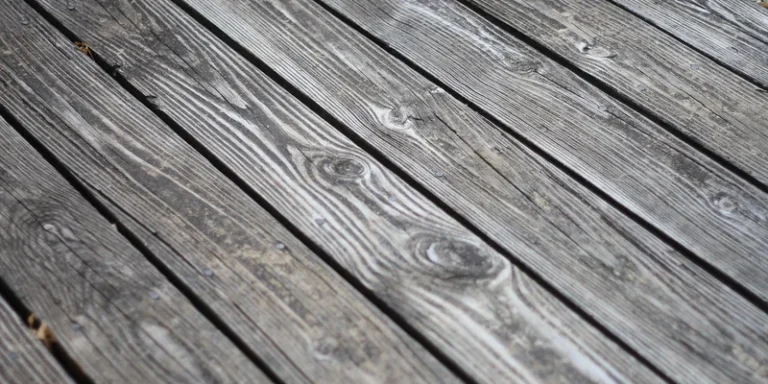
- Surface graying: UV exposure breaks down the wood’s surface lignin. A water-repellent sealer with UV inhibitor, reapplied every 2–3 years, is the fix — see our sealing guide for the full process.
- Rot at fastener holes: Water wicks into any breach in the treated shell, including screw holes. Pre-drilling and using coated fasteners rated for ACQ/MCA (see Installation Tips above) keeps that entry point sealed.
“The boards that cupped worst on decks I’ve reworked were always the ones installed straight off the rack with no moisture check — a $30 meter and two minutes per board would have caught it before the first screw went in.”
Frequently Asked Questions
What is pressure-treated wood used for?
Pressure-treated wood is used for outdoor structures that touch soil, moisture, or face weather exposure: deck framing and boards, fence posts, retaining walls, and exterior stair stringers. The chemical treatment (typically ACQ or MCA) resists rot and insect damage that untreated lumber can’t survive outdoors. It’s not recommended for indoor framing or anywhere it will contact food or drinking water without a barrier.
How long does pressure-treated wood last on a deck?
A properly built and maintained pressure-treated deck typically lasts 15 to 25+ years, depending on climate, ground contact, and how consistently it’s sealed. Boards left unsealed in wet climates fail faster than the same lumber sealed every 2–3 years. For the specific factors that shorten or extend that range, see our full pressure-treated deck lifespan breakdown.
Is pressure-treated wood safe for decking?
Yes. Modern pressure-treated lumber uses ACQ (alkaline copper quaternary) or MCA (micronized copper azole), not the arsenic-based CCA that was phased out for residential use in 2003. Wear gloves and a dust mask when cutting, wash hands after handling, and never burn treated wood scraps — burning concentrates the copper-based preservatives into ash and smoke.
Can I paint or stain pressure-treated wood right away?
No — freshly treated lumber is usually too wet to hold a finish. Green PT wood needs to dry until it’s no longer dark or cool to the touch, which can take weeks to a few months depending on climate; KDAT lumber can often be finished sooner since it starts near 19% moisture already. For the exact wait-time test, see how long to wait before staining pressure-treated wood.
Do I need ground-contact or above-ground pressure-treated lumber?
Use ground-contact-rated lumber (0.40 retention, AWPA Use Category UC4A or higher) for anything touching or within 6 inches of soil — posts, footings, and the bottom of stair stringers. Above-ground lumber (0.25 retention, UC3) is rated for decking, joists, and railings that stay clear of the ground and drain freely. Using above-ground boards where the code requires ground-contact is a common inspection failure.
Conclusion
A pressure-treated deck rewards the buyer who checks the stamp before checking out: KDAT lumber under 19% moisture spaces and finishes differently than green PT that’s still shedding water. Get the moisture state and use-category rating right at the lumber yard, use corrosion-rated fasteners, and reseal on a 2–3 year schedule, and a pressure-treated deck built for $15–$30 per square foot competes with far pricier materials for another 15 to 25 years. Browse our full pressure-treated wood hub for more guides on finishing, framing, and troubleshooting.
Sponsored / affiliate links. As an Amazon Associate I earn from qualifying purchases. I may earn additional commission from eligible campaigns.