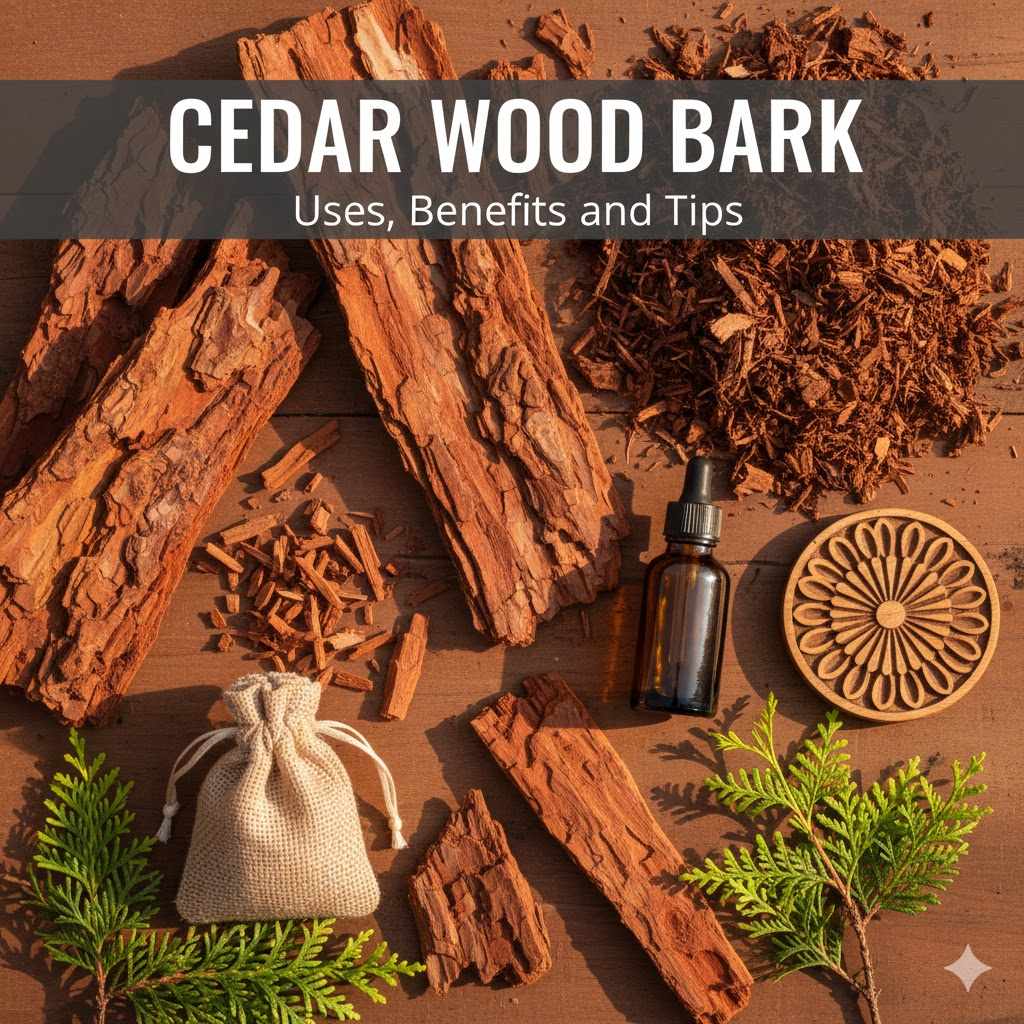
Cedar Wood Bark Uses Benefits and Tips
Learning about Cedar Wood Bark: Uses, Benefits & Tips might seem a little tricky at first. There’s a lot of information out there. But don’t worry, we’ll break it down easily.
We’ll show you step-by-step how to get the most out of it. Get ready to discover its many uses and advantages.
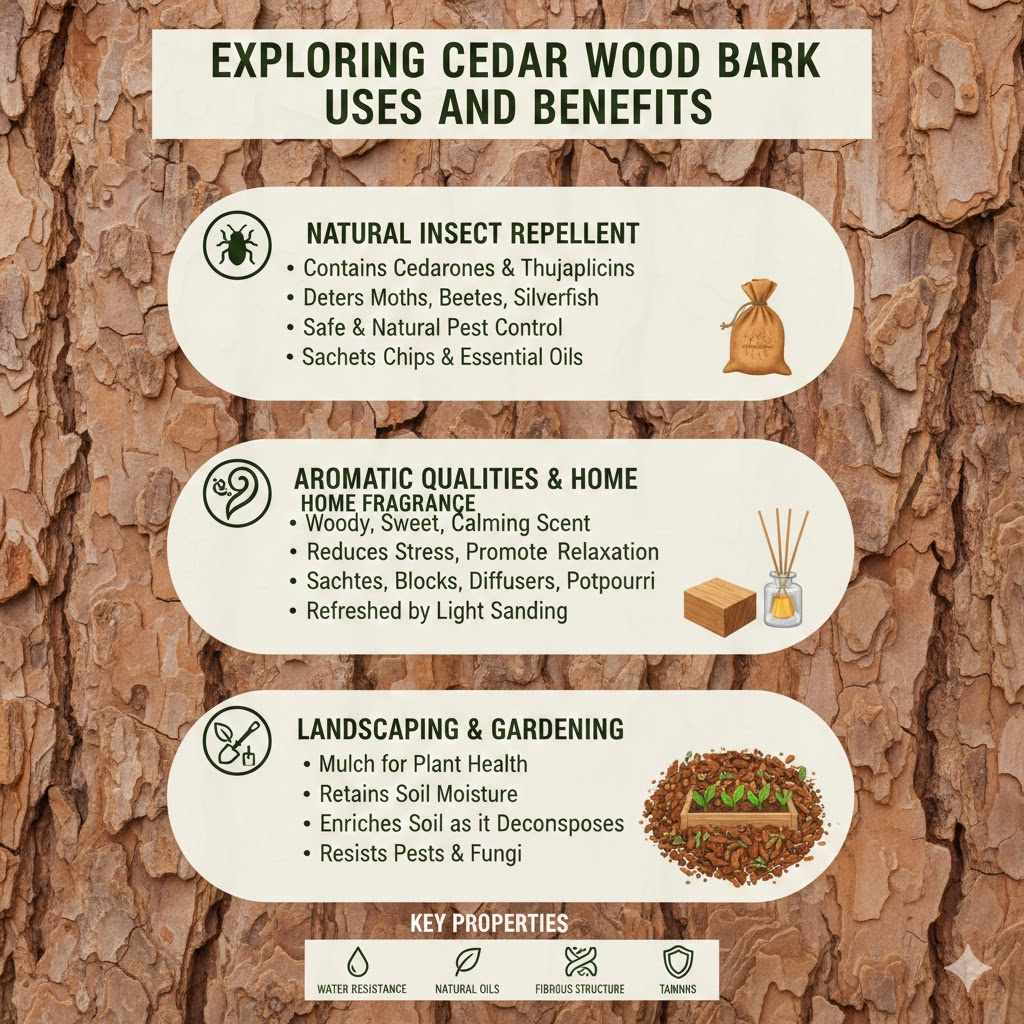
Exploring Cedar Wood Bark Uses and Benefits
Cedar wood bark is a wonderful natural material. It has a long history of use in many different ways. People have used it for its scent, its durability, and its natural properties.
Understanding its applications can help you appreciate nature’s gifts. We will look at why this bark is so special and what makes it stand out.
Natural Insect Repellent Properties
Cedar wood bark is famous for keeping bugs away. This is because it contains natural oils. These oils smell nice to humans but are unpleasant for many insects.
This makes it a great choice for natural pest control.
The primary compounds responsible for this repellent effect are called cedarones and thujaplicins. These are organic chemicals naturally produced by the cedar tree. They act as a deterrent to moths, beetles, silverfish, and other common household pests.
Unlike chemical sprays, cedar bark offers a gentle and natural solution that is safe for use around homes and even in closets.
Many products use cedar wood shavings or chips to protect clothing and stored goods. You can also find cedar wood essential oils derived from the bark. These can be used in diffusers or applied to small sachets.
The effectiveness can vary depending on the type of cedar and the concentration of its natural oils. Older or dried-out cedar might need refreshing by sanding its surface lightly to release more scent and oil.
Aromatic Qualities and Home Fragrance
The pleasant, fresh scent of cedar wood is another big reason people love it. It can make your home smell wonderful without using artificial air fresheners. This natural aroma can also help create a calming atmosphere.
The distinctive aroma of cedar wood is often described as woody, slightly sweet, and grounding. This scent is due to a complex mixture of volatile organic compounds. These compounds are released when the wood is warmed or its surface is disturbed.
The fragrance is not just pleasant; it’s also known for its therapeutic properties.
In aromatherapy, the scent of cedar is believed to promote relaxation and reduce stress. It can create a serene environment, making it perfect for bedrooms or meditation spaces. Cedar wood products, such as sachets or cedar blocks, are commonly placed in closets and drawers.
They keep clothes smelling fresh and deter moths naturally. The scent is long-lasting and can be refreshed by light sanding.
Here are some ways to use cedar wood bark for home fragrance:
- Cedar sachets: Fill small cloth bags with cedar wood shavings or chips. Place them in drawers, closets, or luggage.
- Cedar blocks or balls: These are small pieces of cedar wood that can be placed directly in closets or wardrobes.
- Cedar essential oil: A few drops in a diffuser can fill a room with a pleasant, natural aroma.
- Cedar wood potpourri: Mix cedar shavings with dried flowers and spices for a decorative and fragrant display.
Cedar Wood Bark in Landscaping and Gardening
Cedar wood bark has great uses outside the home too. In gardens, it can be used as mulch. This helps keep plants healthy and improves the look of garden beds.
It also has properties that help the soil.
Mulching with cedar wood bark offers several advantages for gardens and landscaping. It helps retain soil moisture, which means you need to water less often. This is especially helpful in hot, dry weather.
The bark also suppresses weeds by blocking sunlight from reaching weed seeds in the soil. This reduces the need for manual weeding.
Furthermore, cedar mulch decomposes slowly. This means it lasts longer than many other types of mulch, saving you time and money on reapplication. As it breaks down, it adds organic matter to the soil, improving its structure and fertility over time.
Its natural oils also provide some resistance to soil-borne pests and fungi. This contributes to healthier plant growth. The reddish-brown color of cedar bark adds an attractive visual appeal to garden beds and pathways.
When using cedar bark as mulch, consider these tips:
- Apply a layer of 2-3 inches around plants. Avoid piling it directly against the stems of trees and shrubs. This can trap moisture and lead to rot.
- Ensure good drainage in your garden beds. While cedar bark helps retain moisture, excessive waterlogging can still harm plants.
- Replenish the mulch layer as needed, typically once a year or every two years. The frequency depends on how quickly it breaks down in your climate.
- Choose shredded or chipped cedar bark for best results. Larger pieces can be used for pathways but may not offer the same weed suppression benefits.
Understanding Cedar Wood Bark Properties
To really appreciate Cedar Wood Bark: Uses, Benefits & Tips, it helps to know what makes the bark itself so useful. It’s not just a random covering; it’s a protective layer with special qualities.
The bark of cedar trees is a complex structure. It serves as the tree’s outer armor, protecting it from environmental stresses. This includes physical damage, extreme temperatures, and pest infestations.
Its composition is rich in tannins and natural oils, which contribute to its distinct aroma and insect-repelling properties. The outer bark is typically rough and fibrous, while the inner bark is smoother and contains the living phloem cells that transport nutrients.
The physical properties of cedar bark include its durability and resistance to decay. This makes it a valuable material for various applications. It is naturally resistant to moisture and rot, which is why it is often used in outdoor projects.
The bark’s cellular structure also provides some insulation. This helps protect the tree from temperature fluctuations.
Here’s a closer look at the key properties:
- Natural Oils: These oils give cedar its signature scent and deter insects and fungi.
- Tannins: These compounds contribute to the bark’s resistance to decay and insect damage.
- Fibrous Structure: This makes the bark strong and durable, yet somewhat flexible.
- Water Resistance: Cedar bark naturally repels water, preventing rot and prolonging its lifespan.
- Aromatic Compounds: These are responsible for the pleasant scent that is useful for home fragrance.
Practical Tips for Using Cedar Wood Bark
Now that we know about the great qualities of cedar wood bark, let’s talk about how to use it. There are many simple ways to enjoy its benefits at home and in your garden. We will share easy steps to get you started.
DIY Cedar Wood Bark Projects
Making your own cedar wood bark items is fun and rewarding. You can create natural solutions for your home. These projects are easy for beginners and often require few materials.
One popular DIY project is creating cedar sachets for closets and drawers. You can buy cedar wood shavings or chips, or even source them from fallen branches if you have access to cedar trees. Simply fill small fabric bags, like muslin or cotton pouches, with the cedar material.
Tie them shut with a ribbon or string. These sachets can then be placed among clothes, linens, or in storage bins to naturally repel moths and keep items smelling fresh. The effectiveness of the scent can be renewed by lightly sanding the cedar shavings every few months.
Another simple project is making cedar coasters or trivets. You can gather small, flat pieces of cedar bark. Sand them smooth to remove any rough edges.
You can then seal them with a natural, food-safe sealant if you plan to use them for hot dishes. These not only protect your surfaces but also add a rustic, natural touch to your home décor. For a stronger scent, you can slightly char the edges of the bark pieces before sanding, which releases more of the aromatic oils.
Here are a few easy DIY ideas:
- Cedar drawer liners: Cut pieces of cedar bark to fit the bottom of drawers. This helps freshen clothes and deter pests.
- Cedar fire starters: Small, dry pieces of cedar bark can be used to help start fires. Their natural oils help them ignite easily.
- Cedar potpourri: Combine cedar shavings with dried herbs, flower petals, and a few drops of cedar essential oil for a natural home scent.
Refreshing and Maintaining Cedar Wood Products
Cedar wood bark products work best when they are kept fresh. Their natural scent and repellent qualities can fade over time. Luckily, it’s very easy to refresh them.
The key to maintaining cedar wood bark products lies in reactivating their natural oils and scent. Over time, the volatile oils that give cedar its fragrance and pest-repelling properties can dissipate into the air or become less accessible. This is a natural process that doesn’t mean the product is ruined.
It simply means it needs a little attention to bring it back to its best performance.
The most common and effective method for refreshing cedar wood is light sanding. Use fine-grit sandpaper to gently abrade the surface of the cedar. This action breaks through the outer layer of wood, exposing fresh wood fibers and releasing trapped aromatic oils.
For cedar sachets, you can simply open the bag and lightly sand the shavings inside. For cedar blocks or balls, a quick sanding is usually sufficient. The goal is not to remove a lot of wood, but just enough to release the scent.
Here are some maintenance tips:
- Sanding: Gently sand the surface of cedar products with fine-grit sandpaper. This should be done every few months or whenever the scent starts to fade.
- Airing out: Periodically expose cedar items to fresh air. This can help to revitalize the scent.
- Avoid liquids: Do not wash cedar wood products with water or harsh cleaning agents. This can damage the wood and diminish its natural properties.
- Replacement: Cedar wood products typically last for several years. When the scent can no longer be refreshed effectively, it’s time to replace them.
Where to Find Cedar Wood Bark
Finding the right cedar wood bark is the first step to enjoying its many benefits. Depending on your location and needs, there are several places you can look.
For those who have access to cedar trees, collecting fallen bark can be a sustainable option. Look for naturally shed bark on the ground, especially after storms. Avoid stripping bark directly from living trees, as this can harm the tree’s health.
If you live in an area with cedar forests, you might find larger pieces of bark that can be cut or broken down into smaller, usable pieces. Always ensure you are collecting from areas where it is permitted and done responsibly.
Commercially, cedar wood bark is available in various forms. Garden centers and landscaping supply stores often sell cedar mulch, which can be a good source for gardening uses. For smaller items like sachets or decorative pieces, craft stores or online retailers are excellent resources.
You can find pre-packaged cedar shavings, blocks, or even cedar essential oils derived from the bark. When purchasing, look for products that are 100% natural cedar and free from added chemicals or fragrances to ensure you get the full benefits.
Here are some common sources:
- Garden centers and nurseries: For mulch and landscaping uses.
- Craft stores: For cedar shavings and small blocks for DIY projects.
- Online retailers: A wide selection of cedar products, including shavings, chips, blocks, and essential oils.
- Local arborists or lumber yards: They might have access to larger quantities or raw materials if you have specific projects in mind.
The Science Behind Cedar Wood Bark Benefits
Many people use Cedar Wood Bark: Uses, Benefits & Tips without knowing exactly why it works. The natural properties of cedar bark are rooted in chemistry. Understanding this science helps us appreciate its value.
The effectiveness of cedar wood bark stems from its natural chemical composition. Cedar trees produce a variety of organic compounds that serve as defense mechanisms. These compounds are released as volatile oils, which are responsible for the characteristic aroma and the repellent effects against insects and fungi.
These are not arbitrary scents but rather evolved adaptations that help the tree survive in its environment.
These natural oils contain compounds such as thujaplicins, cedrol, and cedrenes. Thujaplicins are particularly effective against a broad spectrum of insects and microorganisms. They can disrupt the life cycles of pests like moths and beetles and inhibit the growth of mold and mildew.
Cedrol and cedrenes contribute to the distinctive woody fragrance and also possess insect-repelling properties. The concentration and specific blend of these compounds can vary depending on the species of cedar and growing conditions.
These natural chemicals provide a safe, non-toxic alternative to synthetic pesticides and air fresheners. Their action is primarily based on olfactory deterrence and disruption of insect life cycles, rather than direct poisoning. This makes cedar wood bark products environmentally friendly and safe for use in homes, especially in areas where children and pets are present.
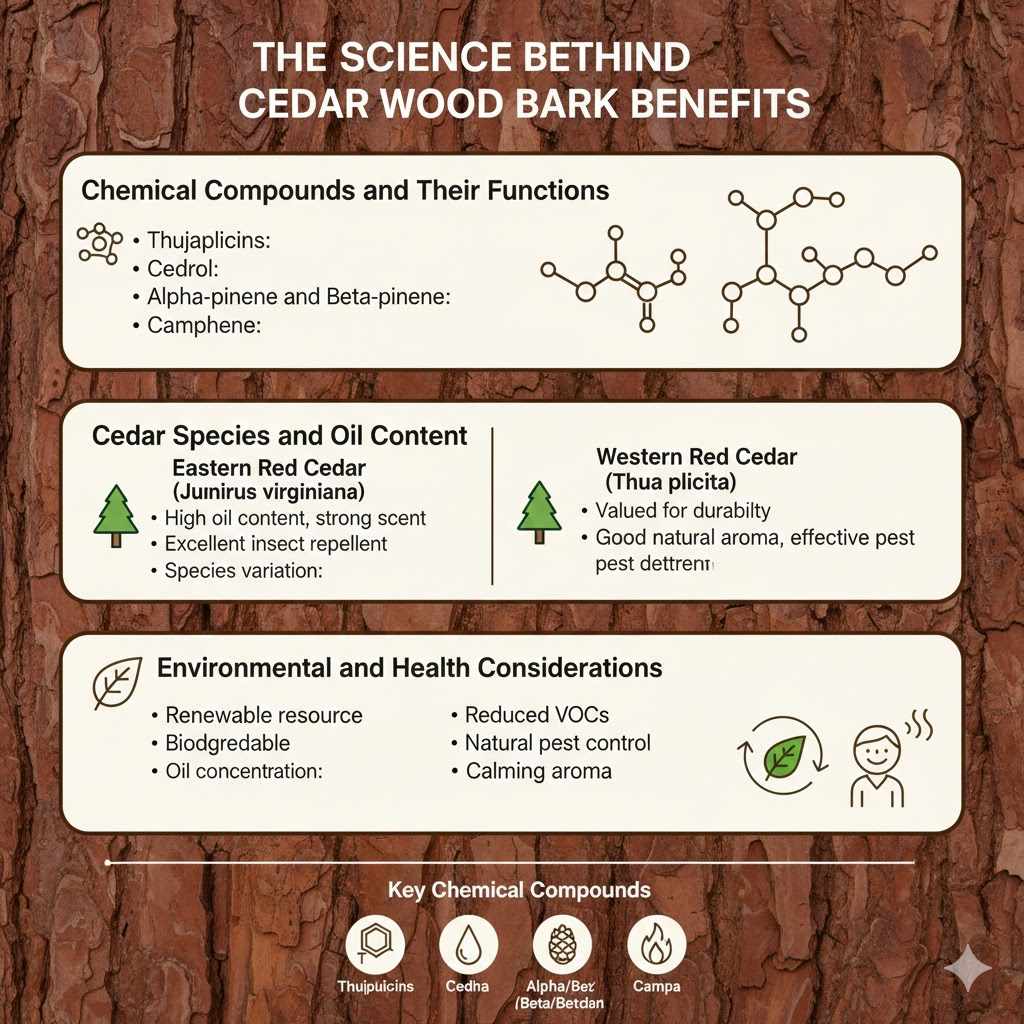
Chemical Compounds and Their Functions
The power of cedar wood bark lies in its unique blend of natural chemicals. These compounds give it its distinctive scent and protective qualities.
The primary aromatic compounds in cedar wood bark are terpenes. These are organic molecules that are volatile, meaning they easily turn into gas and spread into the air. This is why you can smell cedar so clearly.
Key terpenes found in cedar include alpha-pinene, beta-pinene, and camphene. These contribute to the fresh, clean scent often associated with cedar. They also have mild antibacterial and antifungal properties.
Beyond the scent, other compounds offer more significant protective benefits. Thujaplicins are a group of chemicals particularly known for their strong antimicrobial and insecticidal activity. These compounds can deter moths, carpet beetles, and silverfish.
They work by interfering with the insects’ ability to sense their environment or by disrupting their digestive processes. The effectiveness of thujaplicins means cedar wood is a natural choice for protecting stored textiles and goods.
Cedrol is another important compound. It contributes to the woody aroma and has sedative and calming effects when inhaled. This is why cedar wood is often used in aromatherapy for relaxation.
The synergy of these different compounds—aromatic, insecticidal, and antimicrobial—makes cedar wood bark a versatile natural material.
Here is a look at key chemical compounds:
- Thujaplicins: Strong insect and fungal deterrents.
- Cedrol: Contributes to woody scent and has calming effects.
- Alpha-pinene and Beta-pinene: Contribute to fresh aroma and have mild antimicrobial properties.
- Camphene: Adds to the woody scent and has some insecticidal action.
Cedar Species and Oil Content
Not all cedar wood is the same. Different types of cedar trees have varying amounts and types of natural oils in their bark. This affects how strong their scent is and how well they repel insects.
The most common species used for their aromatic bark are Eastern Red Cedar (Juniperus virginiana) and Western Red Cedar (Thuja plicata). Eastern Red Cedar is known for its rich, distinct aroma and high oil content, making it very effective as an insect repellent. Its wood and bark are often used in closets, chests, and for mothproofing.
The oil content in Eastern Red Cedar is typically higher, contributing to a stronger and longer-lasting scent.
Western Red Cedar, while also aromatic, is often valued more for its durability and resistance to decay, making it popular for outdoor applications like shingles and fencing. Its oil content might be lower compared to Eastern Red Cedar, but it still possesses natural repellent properties. The specific aromatic compounds can also differ between species, leading to subtle variations in scent profiles.
The age of the tree and the part of the bark also play a role. Older trees often have more concentrated oils. Inner bark layers might have different compositions than outer layers.
These factors influence the overall efficacy of the bark for different uses, from pest control to fragrance. Harvesting practices and drying methods can also affect the final oil concentration in products made from cedar bark.
Consider these points about cedar species:
- Eastern Red Cedar (Juniperus virginiana): High oil content, strong scent, excellent insect repellent.
- Western Red Cedar (Thuja plicata): Valued for durability, good natural aroma, effective pest deterrent.
- Species variation: Different cedars have unique aromatic profiles and oil concentrations.
- Oil concentration: Affects scent strength and repellent effectiveness.
- Age and part of bark: Can influence the density of natural oils.
Environmental and Health Considerations
Using Cedar Wood Bark: Uses, Benefits & Tips is a great choice for the environment and your health. Natural materials often have fewer downsides than artificial ones.
Cedar wood bark is a renewable resource when harvested responsibly. Unlike synthetic pest repellents and air fresheners, cedar bark does not release harmful volatile organic compounds (VOCs) into the air. Synthetic products can contribute to indoor air pollution and may cause respiratory irritation or allergic reactions in sensitive individuals.
Cedar, on the other hand, offers a natural scent and protection without these risks.
The biodegradable nature of cedar bark means it breaks down naturally in the environment, returning to the earth without leaving harmful residues. This contrasts with many plastics and chemical products that persist for long periods and can pollute ecosystems. When used as mulch, cedar bark enriches the soil as it decomposes, promoting healthier plant growth and reducing the need for chemical fertilizers.
From a health perspective, cedar wood is generally considered safe for household use. Its natural oils are not known to be toxic to humans or pets when used as intended. In fact, some studies suggest that the aroma of cedar wood can have calming effects.
However, as with any natural product, some individuals might have rare sensitivities. It is always wise to ensure good ventilation when using cedar products extensively, especially if you have allergies or asthma.
Here are some environmental and health advantages:
- Renewable resource: Cedar trees can be regrown, making bark a sustainable option.
- Reduced VOCs: Unlike synthetic products, cedar bark doesn’t release harmful airborne chemicals.
- Biodegradable: Decomposes naturally, enriching soil and avoiding pollution.
- Natural pest control: Offers an alternative to chemical pesticides.
- Calming aroma: The scent is often associated with relaxation and well-being.
Frequently Asked Questions
Question: What is the best way to use cedar wood bark for moth repellent
Answer: The most effective way is to use cedar wood shavings or blocks in closets, drawers, and storage containers. Lightly sand the cedar periodically to refresh the scent and release more repellent oils.
Question: Can cedar wood bark be used as mulch in vegetable gardens
Answer: Yes, cedar wood bark is excellent for mulching vegetable gardens. It helps retain moisture, suppress weeds, and its natural oils can deter some soil pests. Ensure it’s free from treated wood chemicals.
Question: How long does the scent of cedar wood bark last
Answer: The scent can last for several months to a year or more, depending on the type of cedar and how it’s stored. Regular sanding can help refresh the aroma and extend its lifespan.
Question: Are there any safety concerns with using cedar wood bark around pets
Answer: Generally, cedar wood bark is safe for pets. However, some pets might chew on it, which could cause digestive upset. It’s best to keep cedar products out of reach of pets who tend to chew unusual items.
Question: Can I use cedar wood bark indoors for air freshening
Answer: Absolutely. Cedar wood bark is a natural and pleasant way to freshen indoor spaces. Sachets, blocks, or even cedar essential oil can be used to create a clean, woody aroma.
Summary
Cedar Wood Bark: Uses, Benefits & Tips covers its natural pest deterrence, pleasant aroma, and garden advantages. We explored its chemical makeup, different cedar species, and health benefits. Easy DIY projects and maintenance tips make it accessible.
Enjoy the natural charm and functionality of cedar bark!