Why Is Cedar Rot-Resistant? The Chemistry, Not the Wood
Cedar resists rot because its heartwood is loaded with natural antifungal extractives, mainly thujaplicins in western red cedar, not because the wood is hard or waterproof. Those chemicals can wash out: in one USDA Forest Products Laboratory test, cedar with its extractives removed lost 5 to 10 times its decay resistance. This guide covers what the compounds are, why sapwood and old boards fail first, and how to protect what is left.
What Makes Cedar Rot-Resistant?
|
Best Penetrating Oil Pick
As an Amazon Associate we earn from qualifying purchases. |
Wood rots when decay fungi digest cellulose and lignin. Cedar heartwood interferes with that process chemically. As the tree converts sapwood to heartwood it deposits extractives, a mix of oils, phenolics and related compounds, in the wood. In western red cedar (Thuja plicata) the best-studied of these are the thujaplicins, along with plicatic acid and beta-thujaplicinol.
USDA Forest Products Laboratory researchers summarizing earlier bioassays reported that the thujaplicins and beta-thujaplicinol were directly toxic to decay fungi. They also reported that the thujaplicins and plicatic acid were strong metal chelators, and that plicatic acid and beta-thujaplicinol were strong radical scavengers (Kirker et al., 2013). In plain terms, the wood poisons the fungus and also disrupts the metal-and-radical chemistry that rot fungi depend on. That second half is our plain-language reading of the findings, not wording from the paper.
The same paper notes that western red cedar, eastern red cedar and Alaska yellow cedar are listed as resistant or highly resistant in the USDA Wood Handbook. The Wood Database independently rates western red cedar as durable to very durable for decay resistance.
The Test That Proves It Is Chemistry: Cedar With the Extractives Removed
Here is the part most top results skip. USDA researchers cut small blocks from nine species, dissolved the extractives out of half of them with an ethanol and toluene solvent, and then exposed all the blocks to decay fungi in the lab. If cedar rot resistance came from density, grain or structure, the extracted blocks would have performed the same as the intact ones. They did not.
| Wood | Intact heartwood blocks | After extractives were removed |
|---|---|---|
| Western red cedar | Under 5% weight loss to both brown-rot and white-rot fungi | Durability against brown-rot fungi dropped 5 to 10 fold |
| Eastern red cedar | Under 5% weight loss | Durability against brown-rot fungi dropped about 5 fold |
| Southern pine (non-durable control) | Not durable | Extracted cedars performed about like this control |
The authors summarized it this way: nearly all species lost more weight to termites or fungi once extractives were removed, and the extracted blocks were comparable to the non-durable control (Kirker et al., Int. Biodeterioration and Biodegradation, 2013). Two cautions. These were 10 mm lab cubes stripped with harsh solvents, which is far more aggressive than rain, and the paper notes that some protective compounds do remain under typical field weathering. Still, the result answers the question: strip out the chemistry and cedar behaves like an ordinary softwood.
Common Myths: Hardness, Waterproofing and Bug Repellent
Several popular explanations do not survive a look at the numbers. According to the Wood Database, western red cedar has a Janka hardness of only 350 lbf and an average dried weight of about 23 lb per cubic foot, both rated extremely low. It dents easily, so rot resistance clearly is not coming from toughness.
- “Cedar is waterproof.” It is not. Cedar takes on moisture like any wood; the difference is that fungi trying to digest wet heartwood run into toxic compounds.
- “Dense wood resists rot.” Not here. Cedar is among the lightest commercial softwoods yet rates durable to very durable.
- “Cedar repels all insects.” The Wood Database calls its insect resistance mixed. In the USDA test, termites fed less on intact cedar but showed little mortality, and they preferred cedar that had been extracted.
- “Any board sold as cedar is protected.” Only heartwood carries the protection, which brings us to the next point.
Heartwood vs Sapwood: Why Some Cedar Boards Rot First
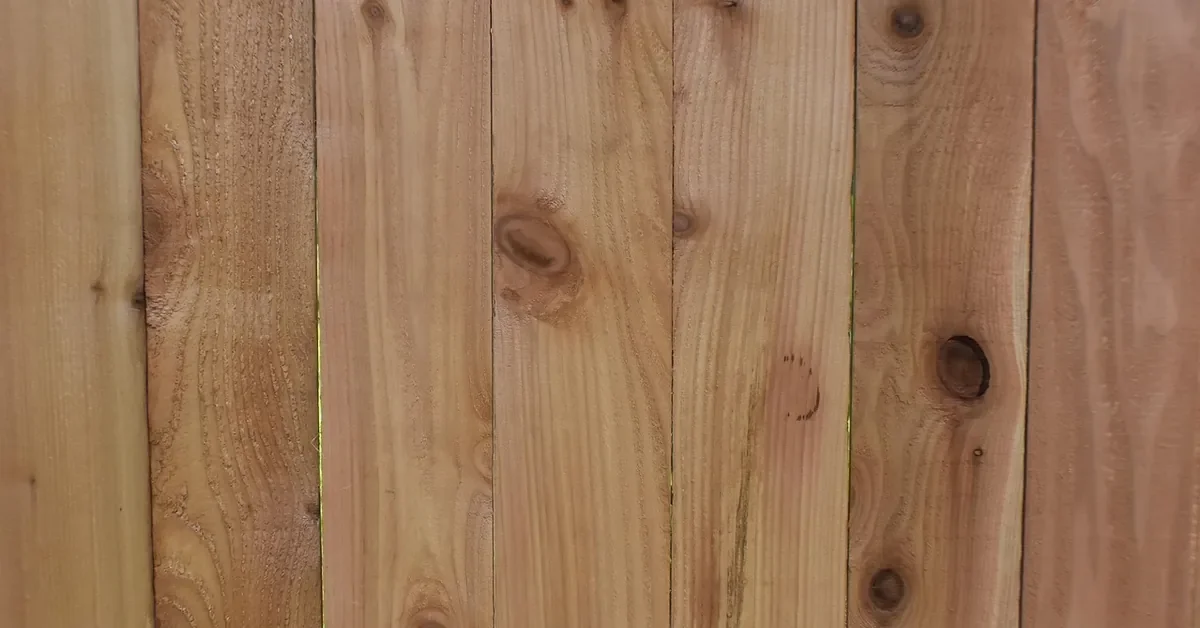
The Wood Database describes western red cedar heartwood as reddish to pinkish brown, often with darker streaks, and the narrow sapwood as pale yellowish white. The extractives are deposited in the heartwood, so the pale edge of a board is the weak link. In the same USDA paper, a test of western juniper, a related durable species, noted that having heartwood present did not improve the durability of the adjacent sapwood. Protection does not spread sideways.
When you buy fence boards or decking, check the faces and end grain. Prefer boards that are mostly dark heartwood, and keep any pale sapwood edges away from soil and standing water. Boards with a lot of sapwood are usually cheaper for exactly this reason (a general lumber-grade pattern, not a figure from the research above).
Why Cedar Still Rots: The Extractives Wash Out
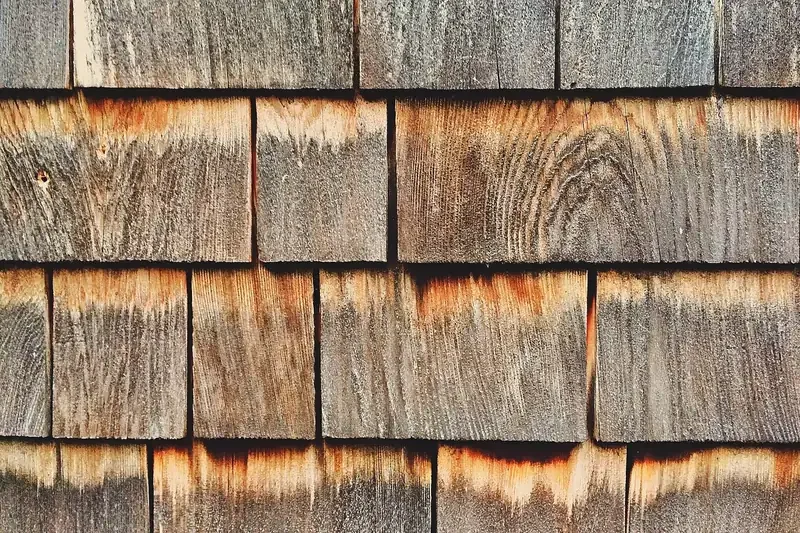
The chemicals are not permanent. The USDA paper cites work by Chedgy and colleagues (2009) finding that leached western red cedar contained 80 percent fewer extractives than un-leached wood, and that keeping the extractives in place was essential to preventing decay. The authors call the leachability of cedar extractives a major obstacle for ground contact use.
That is the mechanism behind the gray, weathered cedar you see on old fences and shingles. Rain washes compounds out of the surface, UV degrades what remains, and posts sitting in wet soil get flushed constantly. For real-world lifespans and warning signs, see our guide on whether cedar wood rots and how long it lasts outdoors. If you are setting posts, read whether a cedar post can be buried in the ground first.
How to Keep Cedar’s Rot Resistance Working
Since you cannot add the extractives back, the goal is to slow the loss and keep the wood dry enough that fungi never get started. The steps below follow from the chemistry above. They are our practical reading of the research, not results from a controlled test of our own.
- Choose heartwood grades for anything touching soil, and keep sapwood edges above grade.
- Seal the end grain. Cut ends absorb and release the most water, which is where leaching and rot tend to start.
- Keep it off the ground and let it drain. Standing water is the enemy whatever the species.
- Use a penetrating finish to slow water and UV exposure; the box above shows the oil we recommend. Our post on whether cedar needs to be treated covers when a finish is optional and when it is not.
- Wear a dust mask when cutting or sanding. The Wood Database notes that plicatic acid and other compounds in western red cedar are linked to an elevated rate of allergic reactions in occupational settings.
If you are weighing cedar against other outdoor woods, our cedar cost and benefits breakdown and list of cedar drawbacks give the other side of the ledger.
Frequently Asked Questions
What chemical makes cedar rot resistant?
Western red cedar heartwood contains thujaplicins, plus compounds such as plicatic acid and beta-thujaplicinol. In lab bioassays reported by USDA Forest Products Laboratory researchers, the thujaplicins and beta-thujaplicinol were directly toxic to decay fungi, and plicatic acid acted as a metal chelator and radical scavenger.
Is cedar rot resistant all the way through?
No. The protection lives in the heartwood, the darker inner wood. The narrow sapwood, which the Wood Database describes as pale yellowish white, does not carry the same protection. Boards with a lot of pale sapwood on the face are the ones most likely to start rotting first.
Does cedar repel termites?
Only partly. The Wood Database rates western red cedar as having mixed resistance to insect attack. In the USDA lab test, subterranean termites fed less on intact cedar but still preferred cedar that had its extractives removed. Treat cedar as termite-resistant, not termite-proof.
Does cedar need to be sealed to resist rot?
Not to start with, because fresh heartwood is already protected. But the compounds can wash out, and researchers found that leached western red cedar held about 80 percent fewer extractives. A penetrating finish slows that loss, so sealing is cheap insurance for cedar that stays wet or sun-exposed.
The Bottom Line
Cedar resists rot because of what is dissolved in its heartwood, not because of density, hardness or waterproofing. That chemistry is real, measurable and, as the extraction test shows, removable. Buy heartwood, keep it dry and slow the leaching with a good finish, and cedar will keep its reputation.
For the bigger picture beyond cedar, see our guide on how to make wood more durable with design, finishes and treatments.
Sponsored / affiliate links. As an Amazon Associate I earn from qualifying purchases. I may earn additional commission from eligible campaigns.