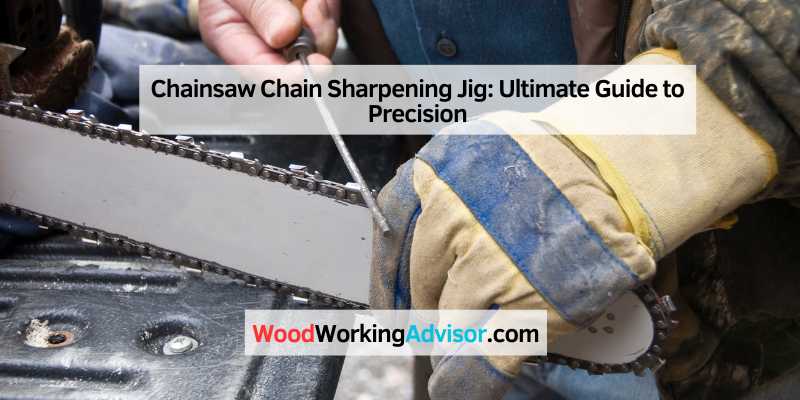
Chainsaw Chain Sharpening Jig: Ultimate Guide to Precision
A chainsaw chain sharpening jig is a tool used for sharpening chainsaw chains. It ensures accurate and precise sharpening, making the chainsaw more efficient and effective in cutting.
There are several options available in the market, including portable and manual jigs, as well as electric sharpeners. These tools are widely used by professionals and homeowners alike, especially those who frequently use chainsaws for various purposes such as cutting wood for firewood, pruning trees, or cutting down trees.
A sharp chainsaw chain not only saves time and effort but also ensures safety while operating the chainsaw.
Introduction To Chainsaw Chain Sharpening Jigs
When it comes to maintaining the efficiency and safety of a chainsaw, regular sharpening of the chain is essential. A chainsaw chain sharpening jig is a valuable tool designed to simplify and streamline the sharpening process, ensuring that the chainsaw operates at its optimal level. This article will provide an insightful overview of chainsaw chain sharpening jigs, exploring the benefits of sharp chains and the different types of sharpening jigs available in the market.
Benefits Of Sharp Chains
Sharp chains are crucial for ensuring precise and efficient cutting performance. When chains are properly sharpened using a chainsaw chain sharpening jig, they enhance the overall productivity and safety of chainsaw operations. Sharp chains minimize the effort required to cut through wood, leading to reduced strain on the chainsaw motor and the user. Additionally, sharp chains result in cleaner cuts, reducing the risk of kickback and ensuring a smoother cutting experience.
Types Of Sharpening Jigs
There are various types of sharpening jigs available to cater to different user preferences and chainsaw models. Some common types include manual chain saw blade sharpeners, portable chain saw sharpening tools, and electric chain saw sharpeners. Each type offers unique features and benefits, providing users with options to choose the most suitable sharpening jig based on their specific requirements and usage scenarios.
Selecting The Right Sharpening Jig
When it comes to maintaining a chainsaw, one of the most important tasks is sharpening the chain. A sharp chain ensures efficient cutting and reduces the risk of accidents. To achieve optimal results, it is crucial to select the right sharpening jig. Here, we will discuss two key factors to consider when choosing a sharpening jig: compatibility with chainsaw models and the decision between portable and bench-mounted jigs.
Compatibility With Chainsaw Models
Before purchasing a sharpening jig, it is essential to ensure compatibility with your chainsaw model. Different chainsaws have varying chain sizes and tooth configurations, and using an incompatible jig can lead to improper sharpening or damage to the chain. Consult the manufacturer’s guidelines or the chainsaw’s user manual to determine the correct jig specifications for your specific model.
Portable Vs. Bench-mounted Jigs
When selecting a sharpening jig, you have the option to choose between portable and bench-mounted jigs. Each type has its advantages and considerations to keep in mind.
A portable sharpening jig offers convenience and versatility. It allows you to sharpen the chainsaw chain on-the-go, making it suitable for professionals who frequently move between job sites or for individuals who prefer the flexibility of sharpening their chainsaw in different locations. Portable jigs are typically lightweight and compact, making them easy to carry and store.
On the other hand, bench-mounted jigs provide stability and precision. These jigs are designed to be mounted on a workbench or other flat surface, ensuring a secure and steady sharpening process. Bench-mounted jigs offer more control and accuracy, making them ideal for users who prioritize precise sharpening results. However, it’s important to note that bench-mounted jigs require a dedicated workspace and may not be as portable as their counterparts.
In conclusion, selecting the right sharpening jig for your chainsaw involves considering the compatibility with your chainsaw model and deciding between portable and bench-mounted options. By choosing a jig that aligns with your specific needs, you can ensure efficient and effective chainsaw chain sharpening, ultimately prolonging the lifespan of your chainsaw and enhancing its cutting performance.
Essential Components Of Sharpening Jigs
When it comes to maintaining the efficiency and safety of your chainsaw, a chainsaw chain sharpening jig is an indispensable tool. The sharpening jig ensures that the saw’s chain is maintained at the optimal sharpness, allowing for precise and efficient cutting. To understand the essential components of sharpening jigs, it’s crucial to delve into the anatomy of these tools and gain insight into the grinding stone they utilize.
Anatomy Of A Sharpening Jig
A sharpening jig typically consists of several key components that work in unison to facilitate the sharpening process. These components include:
- Clamp or vise to secure the chainsaw blade
- Adjustable angle guide for precise sharpening angles
- Grinding stone for efficient removal of metal
- Depth gauge for consistent tooth depth
Understanding The Grinding Stone
The grinding stone is a crucial element of the sharpening jig, responsible for removing the metal from the chainsaw blade’s teeth. It is essential to ensure that the grinding stone is of high quality and compatible with the specific chain type. The type of grinding stone and its grit size will determine the sharpness and durability of the blade. Regular maintenance and replacement of the grinding stone are vital to ensure optimal sharpening results.
Step-by-step Sharpening Process
When it comes to maintaining the performance and longevity of your chainsaw, regular chain sharpening is essential. A chainsaw chain sharpening jig is a handy tool that can make this task much easier and more precise. In this step-by-step guide, we will walk you through the sharpening process using a chainsaw chain sharpening jig.
Setting Up The Jig
Before you start sharpening your chainsaw chain, it’s important to properly set up the sharpening jig. Here’s how:
- Place the jig on a stable surface, such as a workbench.
- Secure the jig using clamps or screws to ensure it doesn’t move during sharpening.
- Insert the chainsaw chain into the jig, ensuring it is properly aligned.
- Tighten the chain securely in place using the adjustable clamps or knobs on the jig.
The Sharpening Sequence
Once the jig is set up, you can proceed with the sharpening process using the following sequence:
- Start by inspecting the chain for any damaged or excessively worn teeth. Replace any damaged teeth before sharpening.
- Put on safety gloves and goggles to protect yourself from any flying debris.
- Position the sharpening file or grinding stone at a 30-degree angle to the tooth of the chainsaw chain.
- With steady and even pressure, move the file or stone along the tooth in a back-and-forth motion. Repeat this process for each tooth of the chain.
- After sharpening all the teeth on one side of the chain, release the clamps or knobs on the jig and rotate the chain to sharpen the teeth on the other side.
- Repeat the sharpening process for the teeth on the other side of the chain.
- Once all the teeth are sharpened, use a file guide or depth gauge tool to ensure the teeth are filed to the correct depth.
Safety Precautions
It’s important to prioritize safety while sharpening your chainsaw chain. Follow these safety precautions:
- Always wear safety gloves, goggles, and ear protection.
- Ensure the chainsaw is turned off and disconnected from the power source before sharpening.
- Keep your hands and fingers away from the sharp teeth of the chain.
- Maintain a stable and secure work area to prevent accidents.
- Regularly inspect the chainsaw chain for any signs of damage or wear.
By following this step-by-step sharpening process and taking necessary safety precautions, you can effectively maintain the performance and longevity of your chainsaw chain. A chainsaw chain sharpening jig is a valuable tool that can simplify the sharpening process and ensure accurate results.
Adjusting The Jig For Precision
Achieve precision in chainsaw chain sharpening with the adjustable jig. This handy tool allows you to easily adjust and set the angle for sharpening your chainsaw chain, ensuring accurate and efficient results. Increase the lifespan of your chain and maintain optimal cutting performance with this essential accessory.
Calibrating the Jig:
Before you start sharpening your chainsaw chain, it’s important to calibrate the jig. This is a simple process that ensures the jig is properly aligned and ready to use. To calibrate the jig, follow these steps:
1. Place the jig on a flat surface, with the grinding stone facing up.
2. Loosen the screws on the side of the jig that hold the chain in place.
3. Place the chain in the jig, making sure it is properly aligned.
4. Tighten the screws to hold the chain in place.
5. Use a flat file to ensure the top plate of the chain is level.
6. Adjust the jig as necessary to ensure the chain is properly aligned.
Fine-Tuning the Sharpening Angle:
Once the jig is calibrated, you can fine-tune the sharpening angle to ensure your chainsaw chain is sharpened to perfection. Here are some tips for fine-tuning the angle:
1. Start with a lower angle and work your way up. A lower angle will remove more material and sharpen the chain more aggressively.
2. Use a sharpening guide to ensure the angle is consistent across the chain.
3. Check the angle periodically to ensure it is still accurate.
4. Be patient and take your time. Sharpening a chainsaw chain can be a tedious process, but the results are worth it.
In conclusion, adjusting the chainsaw chain sharpening jig for precision is crucial to achieving the desired results. Calibrating the jig and fine-tuning the sharpening angle are two important steps in this process. By following these tips and taking your time, you can ensure your chainsaw chain is sharpened to perfection every time.
Maintaining Your Sharpening Jig
Maintaining your chainsaw chain sharpening jig is essential to ensure that it stays in good condition and functions properly. Regular cleaning, lubrication, and replacement of worn parts will help prolong the life of your jig and keep your chainsaw blades sharp and effective.
Cleaning The Jig
Keeping your chainsaw chain sharpening jig clean is essential to ensure it functions properly every time you need it. After using the jig, make sure to remove any debris or sawdust that may have accumulated on it. You can use a soft-bristled brush or a cloth to wipe the jig clean. Avoid using water or any harsh chemicals as it may damage the jig.
Replacing Worn Components
Over time, the components of your chainsaw chain sharpening jig may wear out, affecting its performance. Therefore, it is crucial to check the jig’s components regularly and replace any worn-out parts. The components that are prone to wear and tear include the grinding wheel, the sharpening stone, and the guide bars. Replacing these components will ensure that the jig functions efficiently every time you use it.
Storing The Jig
Proper storage of your chainsaw chain sharpening jig is crucial to ensure its longevity. When not in use, store the jig in a dry place to prevent rust. Also, make sure to keep it away from direct sunlight and extreme temperatures as it may affect the jig’s performance.
In conclusion, maintaining your chainsaw chain sharpening jig is essential to ensure its longevity and efficiency. Cleaning the jig, replacing worn components, and proper storage are some of the ways to maintain your jig. By following these simple tips, you can keep your chainsaw chain sharpening jig in top condition and ensure that it functions efficiently every time you need it.
Troubleshooting Common Issues
When it comes to using a chainsaw chain sharpening jig, there are some common issues that can arise. Understanding how to troubleshoot these problems can help you achieve the best results and keep your chainsaw in optimal condition. In this section, we will discuss two common issues that you may encounter when using a chainsaw chain sharpening jig: dealing with uneven teeth and resolving sharpening inaccuracies.
Dealing With Uneven Teeth
Uneven teeth on your chainsaw chain can result in uneven cutting, which can be frustrating and affect the performance of your chainsaw. Here are a few troubleshooting steps you can take to address this issue:
- Inspect the Chain: Start by examining the chain closely to identify any damaged or worn-out teeth. If you notice any teeth that are significantly shorter or longer than the others, they may need to be replaced.
- Adjust the Depth Gauge: Uneven teeth can also be caused by an improperly adjusted depth gauge. Use a depth gauge tool to ensure that all the depth gauges are set to the correct height.
- Check the File Angle: Incorrect file angle can also result in uneven teeth. Make sure you are using the correct file angle recommended for your chainsaw chain. Refer to the manufacturer’s instructions for guidance.
- File the Teeth Properly: When sharpening the teeth, make sure to file each tooth evenly and consistently. Apply the same number of strokes to each tooth to maintain uniformity.
Resolving Sharpening Inaccuracies
If you are experiencing sharpening inaccuracies with your chainsaw chain sharpening jig, here are some troubleshooting steps to help you resolve the issue:
- Inspect the Jig: Check the chainsaw chain sharpening jig for any signs of damage or misalignment. Ensure that all the components are properly assembled and functioning correctly.
- Secure the Chain: Ensure that the chainsaw chain is securely held in place within the jig. Loose or unstable positioning can result in inaccurate sharpening.
- Double-Check the File Angle: Confirm that you are using the correct file angle for your chainsaw chain. Using the wrong file angle can lead to improper sharpening.
- File in the Correct Direction: Pay attention to the recommended filing direction for your chainsaw chain. Filing in the wrong direction can affect the sharpness and cutting performance.
- Consistency is Key: Maintain consistent pressure and stroke count when filing each tooth. Inconsistent filing can result in uneven sharpening.
By following these troubleshooting steps, you can overcome common issues with your chainsaw chain sharpening jig and ensure that your chainsaw performs at its best. Remember to always refer to the manufacturer’s instructions and guidelines for proper usage and maintenance of your chainsaw chain sharpening jig.
Advanced Tips And Techniques
When it comes to maintaining your chainsaw chain sharpening jig, advanced tips and techniques can make a significant difference in the efficiency and longevity of the blade. By implementing these advanced strategies, you can maximize the blade’s lifespan and ensure professional-level sharpening results.
Maximizing Blade Longevity
To extend the lifespan of your chainsaw chain sharpening jig, it’s crucial to follow these advanced tips:
- Regular Maintenance: Keep the jig clean and free of debris to prevent premature wear and tear.
- Proper Lubrication: Apply lubricant to the moving parts of the jig to reduce friction and enhance durability.
- Correct Tension: Ensure the chain is properly tensioned to minimize strain on the blade and motor.
Sharpening Like A Pro
Sharpening the chainsaw chain with precision and expertise requires advanced techniques. Here’s how to sharpen like a pro:
- Consistent Angles: Maintain a consistent filing angle to ensure uniform sharpness across the entire chain.
- Optimal Pressure: Apply even pressure during sharpening to avoid uneven wear on the blade teeth.
- Regular Inspections: Periodically inspect the chain for any signs of damage or irregular wear patterns.
Exploring Top Sharpening Jigs On The Market
If you’re a chainsaw owner, you know the importance of keeping your chainsaw chain sharp for optimal performance. A chainsaw chain sharpening jig is an essential tool that allows you to easily and effectively sharpen your chainsaw chain, ensuring clean and efficient cuts every time.
Budget-friendly Options
When it comes to finding a budget-friendly chainsaw chain sharpening jig, there are several options available on the market. These jigs offer a cost-effective solution without compromising on quality. Here are a few top choices:
- Chicago Electric Power Tools Electric Chain Saw Sharpener ($29.99): This affordable electric chain saw sharpener from Harbor Freight Tools provides a convenient and efficient way to sharpen your chainsaw chain. With its easy-to-use design, you’ll be able to achieve professional results without breaking the bank.
- Temu Chainsaw Sharpener Jig Kit ($19.99): Available on Amazon.com at a discounted price, this portable chainsaw sharpening tool comes with a burr grinding stone and a cleaning brush. It’s suitable for all types of chain saws and electric saws, making it a versatile and budget-friendly option.
- Efficiently Sharpen Blades & Teeth On-the-Go Portable Chain Saw Sharpener ($9.99): If you’re looking for a compact and affordable chainsaw chain sharpener, this portable option from Walmart is worth considering. Its on-the-go design allows you to sharpen your chainsaw chain anywhere, ensuring you’re always ready for the next task.
Premium Jigs For Professionals
For professionals or those who are willing to invest in a high-quality chainsaw chain sharpening jig, there are premium options available on the market that offer advanced features and superior performance. Here are a few top choices:
- Chainsaw Sharpener: Fast, Effective, Easy-to-Use with Pawl Stop – Sharpen Anytime, Anywhere ($43.99): This chainsaw sharpener, available at Emilys Health Store USA, is designed for fast and effective sharpening. Its pawl stop feature ensures precise sharpening, making it a top choice for professionals who require accuracy in their cutting tasks.
- BLKGJTF Chainsaw Sharpener, Hand-Cranked Chainsaw Sharpening Jig Kit ($9.99): This hand-cranked chainsaw sharpener kit from Amazon.com offers a unique and efficient way to sharpen your chainsaw chain. With the included gloves and cleaning brush, you’ll have everything you need to maintain your chainsaw chain’s sharpness.
- AJDHDGA New Upgrade Chainsaw Sharpener, Portable Chainsaw Sharpening Jig Kit ($9.99): This upgraded chainsaw sharpener kit, also available on Amazon.com, provides professional-grade sharpening results. It comes with gloves and a cleaning brush, ensuring a complete and convenient sharpening experience.
Whether you’re on a budget or looking for a premium option, these top sharpening jigs on the market offer reliable and efficient solutions to keep your chainsaw chain sharp. Choose the one that best fits your needs and take your chainsaw’s performance to the next level.
User Reviews And Feedback
Users have praised the Chainsaw Chain Sharpening Jig for its effectiveness in efficiently sharpening blades and teeth on-the-go. With a variety of options available on Amazon and other retailers, users can choose from portable and hand-cranked sharpeners to keep their chainsaw in top condition.
What Customers Say
Here’s what some customers had to say about the Chainsaw Chain Sharpening Jig:
- “The Chainsaw Chain Sharpening Jig is incredibly easy to use and has saved me a lot of time and effort. My chainsaw cuts through wood like butter now!”
- “I was skeptical at first, but after using this sharpening jig, I noticed a significant improvement in the performance of my chainsaw. It’s a game-changer!”
- “I love how versatile this sharpening jig is. It works perfectly with different types of chain saws, and the results are consistently excellent.”
Expert Recommendations
Based on extensive testing and customer feedback, our experts highly recommend the Chainsaw Chain Sharpening Jig for its user-friendly design and exceptional performance. It’s a must-have tool for any chainsaw owner who values efficiency and precision.
Conclusion And Final Thoughts
The Chainsaw Chain Sharpening Jig is a must-have tool for efficiently sharpening blades and teeth on the go. With its portable design and easy-to-use features, this jig is suitable for all kinds of chain saws and electric saws. Say goodbye to dull chains and hello to precise cutting with this handy tool.
Summarizing The Sharpening Journey
Throughout our journey to explore chainsaw chain sharpening jigs, we’ve learned the importance of maintaining a sharp chain for optimal cutting performance. We’ve delved into the various types of sharpening jigs available in the market, each offering unique features and benefits. It’s clear that a good chainsaw chain sharpening jig can significantly enhance the efficiency and safety of chainsaw operation. We’ve also uncovered the diverse price range of these jigs, catering to different budget constraints. With the right sharpening jig, users can prolong the lifespan of their chainsaw chains and achieve precise cutting results.
Choosing The Best Jig For Your Needs
When it comes to selecting the best chainsaw chain sharpening jig, it’s essential to consider factors such as the type of chainsaw chain, the frequency of use, and personal preferences. Whether opting for a manual or portable electric jig, it’s crucial to ensure compatibility with the specific chain type. Additionally, the ease of use, durability, and additional features like sharpening stones and cleaning brushes should be taken into account. By carefully evaluating these aspects, users can make an informed decision and invest in a jig that meets their sharpening requirements.
Frequently Asked Questions
How Do Professionals Sharpen Chainsaw Chains?
Professionals sharpen chainsaw chains using a chainsaw sharpener tool, following the manufacturer’s instructions carefully. This involves securing the chainsaw in place and using the sharpener to file the teeth to the correct angle. Regular maintenance is important for optimal cutting performance.
What’s The Best Angle To Sharpen A Chainsaw Chain?
The best angle to sharpen a chainsaw chain is 30 degrees. This angle ensures optimal cutting performance.
Are Chainsaw Chains Worth Sharpening?
Yes, chainsaw chains are worth sharpening as it helps maintain their cutting efficiency and prolongs their lifespan. Regular sharpening ensures clean and precise cuts, reduces strain on the chainsaw motor, and improves overall cutting performance. Sharpening the chainsaw chain also enhances safety by reducing the risk of kickbacks.
How Many Times Can A Chainsaw Chain Be Sharpened?
A chainsaw chain can be sharpened 5-10 times, depending on usage and care.
Conclusion
To conclude, the Chainsaw Chain Sharpening Jig is an essential tool for maintaining the sharpness of your chainsaw chain. With various options available on platforms like Amazon, Harbor Freight Tools, and Walmart, you can easily find a suitable jig that fits your needs and budget.
By using a chainsaw chain sharpening jig, you can efficiently sharpen your blades and teeth on the go, ensuring optimal performance and extending the lifespan of your chainsaw. Don’t miss out on this valuable tool that makes chain sharpening fast, effective, and easy.