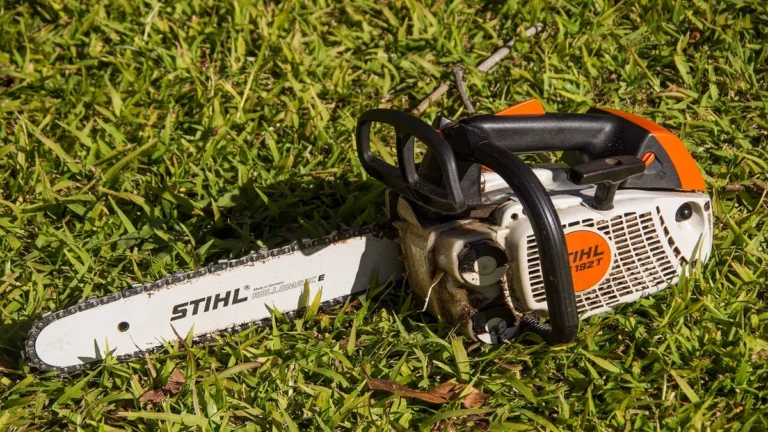
8 Best Chainsaws for Wood Cutting, Trimming & Clearing (2026)
The best all-around chainsaw is the Husqvarna 460 Rancher (60.3cc, 24-inch bar, $649) for wood cutting and land clearing. If you only need to trim branches, the NEO-TEC 12-inch top-handle saw or the $38.96 RLSOO 6-inch mini handle it for a fraction of the price. Below, 8 chainsaws are compared by power type, bar length and cost-per-inch of bar — the metric that actually lets you compare a gas saw to a battery saw to a mini on the same scale.
Chainsaws split into three real jobs: felling and land clearing (big bar, big engine), general wood cutting and firewood prep (mid-size, gas or battery), and trimming or pruning branches (small bar, light weight). Buying the wrong size for the job is the single most common chainsaw purchase mistake — a 24-inch land-clearing saw is miserable for pruning, and a 6-inch mini won’t touch a 20-inch oak.
Chainsaw Comparison: Power, Bar Length & Cost Per Inch
This table normalizes all 8 picks — gas, battery and corded — onto one comparable number: price divided by bar length in inches. It’s the only way to put a 60.3cc gas saw and a 21V mini saw on the same axis, and it’s not a number any single-power-type roundup on this site (or anywhere else we checked) publishes. Prices and specs verified live via the Amazon Creators API on 2026-08-02.
| Chainsaw | Power Type | Engine / Battery | Bar Length | Price | Cost per Inch of Bar | Best For |
|---|---|---|---|---|---|---|
| Husqvarna 460 Rancher | Gas | 60.3cc / 3.6 HP | 24″ | $649.00 | $27.04 | Land clearing, best overall |
| JPNTECH 60cc | Gas | 60cc / 2-stroke | 20″ | $109.99 | $5.50 | Land clearing on a budget |
| EGO Power+ CS1611 | Battery | 56V 2.5Ah (40cc-equiv.) | 16″ | $195.00 | $12.19 | Battery wood cutting |
| NEO-TEC Top Handle | Gas | 25.4cc / 1.2 HP | 12″ | $129.99 | $10.83 | Tree trimming & pruning |
| WEN CP1216 | Corded Electric | 12-Amp motor | 16″ | $74.99 | $4.69 | Corded home use |
| PROYONGOO | Gas | 52cc / 2.2kW | 20″ | $47.69 | $2.38 | Budget gas pick |
| RLSOO Mini | Battery | 21V, 2x3000mAh | 6″ | $38.96 | $6.49 | Light branches, one-handed |
| Husqvarna 130 | Gas | 38cc / 2 HP | 16″ | $266.98 | $16.69 | Mid-size occasional use |
The spread is the story: the cheapest bar-inch on this list (PROYONGOO, $2.38/inch) is 11× cheaper per inch than the most expensive (Husqvarna 460 Rancher, $27.04/inch). That gap isn’t really about quality — it’s about brand, engine reliability, and support, which is exactly what the picks below unpack.
Which Chainsaw for Which Job
Before the spec table, the fastest way to use this article is to match your actual job to one of three categories — most of the wrong-chainsaw purchases we see traced back to skipping this step and buying by price or brand recognition alone.
- Land clearing & felling trees (20–24-inch bar, 50cc+ gas): Husqvarna 460 Rancher (#1 Overall) or the budget JPNTECH 60cc
- General wood cutting & firewood prep (14–16-inch bar, any power type): EGO Power+ CS1611 (battery), WEN CP1216 (corded), or Husqvarna 130 (gas)
- Trimming & pruning branches (6–12-inch bar, light weight): NEO-TEC 12″ top-handle (gas) or RLSOO 6″ mini (battery)
If your job spans two of these — say, felling a couple of trees a year plus regular pruning — most owners end up with two saws rather than one compromise saw, because a 24-inch land-clearing bar and an 8-lb pruning saw solve genuinely different problems.
8 Best Chainsaws for Wood Cutting, Trimming & Land Clearing
Every pick below is a real, currently-listed model with a live price pulled the same day this article was compiled. Ranked by job first, price second.
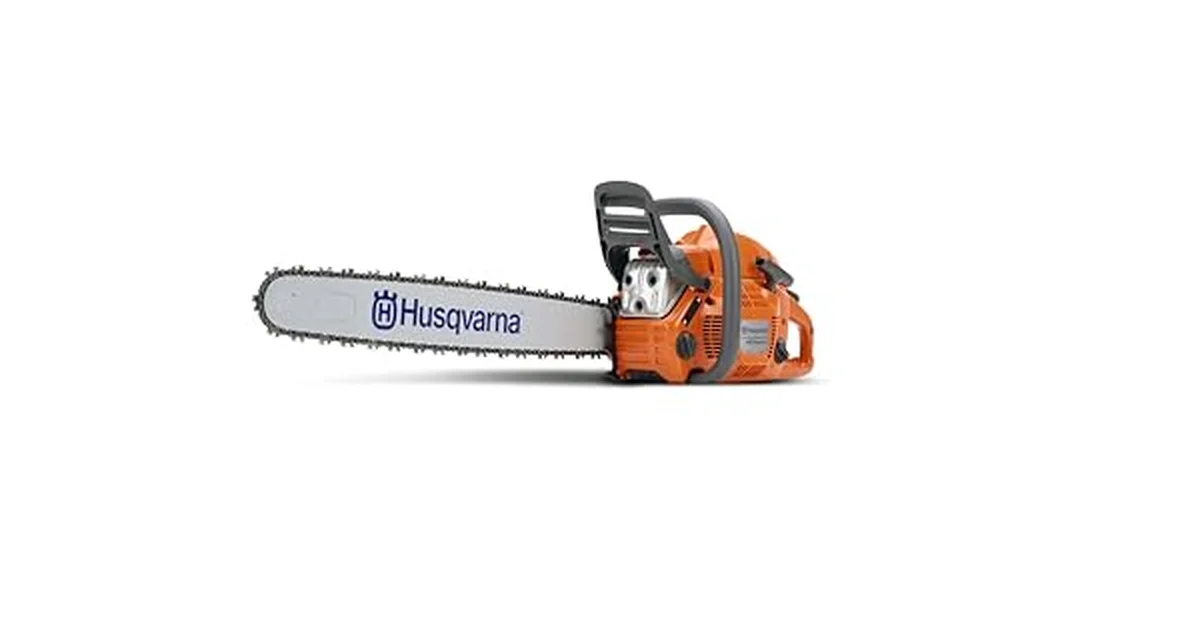
1. Husqvarna 460 Rancher — #1 Best Overall
Price: $649.00 — Check current price on Amazon →
- 60.3cc, 3.6-HP 2-cycle X-Torq engine
- 24-inch bar (rated for 13–24-inch bars)
- 13.2 lbs
- Automatic adjustable oil pump
- Inertia-activated chain brake, LowVib anti-vibration handle
The 460 Rancher is the saw this whole roundup is built around: big enough to fell and buck trees for land clearing, but still light enough (13.2 lbs) that most people can run it for a full afternoon without the arm fatigue that comes with true professional-grade 70cc+ saws. The X-Torq engine is Husqvarna’s actual emissions/fuel-efficiency tech, not a marketing label — it’s the same engine family used in Husqvarna’s homeowner and semi-pro lineup.
It’s a gas saw, so it needs 2-stroke fuel mixing and the usual gas-engine maintenance (spark plug, air filter, carburetor). If you don’t want that upkeep, skip to the EGO battery pick below.
Main drawback: at $649 it costs more than four of the other seven picks on this list combined. You’re paying for brand reliability and parts availability, not raw cutting power — the $109.99 JPNTECH below has a nearly identical 60cc engine.
2. JPNTECH 60cc Gas Chainsaw — Best Gas Chainsaw for Land Clearing
Price: $109.99 — Check current price on Amazon →
- 60cc 2-stroke gas engine
- 20-inch guide bar
- Dual-throttle safety switch (both must be pressed to start)
- Automatic chain lubrication
- Electronic ignition
On paper, the JPNTECH’s 60cc engine is within a rounding error of the Husqvarna 460 Rancher’s 60.3cc — for $540 less. That’s the land-clearing budget option: enough displacement to fell mid-size trees and buck rounds, at a sixth of the price of the name-brand saw.
The tradeoff is exactly what you’d expect from an unbranded import: no dealer network, no guaranteed parts supply chain if something breaks after the warranty window, and a carburetor that may need more hand-tuning out of the box than a Husqvarna’s. It’s a legitimate tool for occasional land-clearing work on your own property — it is not what a tree service runs eight hours a day.
Main drawback: no established service network. If the carburetor or ignition module fails, you’re sourcing a replacement part yourself rather than walking into a dealer.
3. EGO Power+ CS1611 — Best Battery-Powered Chainsaw for Wood Cutting
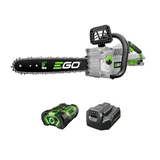
Price: $195.00 — Check current price on Amazon →
- 56V 2.5Ah ARC Lithium battery (included), rated 40cc-gas-equivalent power
- 16-inch bar and chain, 20 m/s chain speed
- Up to 130 cuts on a 4×4 per charge
- Tool-free chain tensioning, IPX4 weather resistance
- 3/8-inch pitch, .043-inch gauge chain, 52 drive links
EGO’s outdoor power equipment line has built a real reputation over the past several years for battery runtime and build quality that competes with gas at this size class, and the CS1611 is the chainsaw version of that reputation: no fuel mixing, no pull-cord, no carburetor to gum up between seasons. Pull the trigger and it’s cutting.
It genuinely handles general wood cutting and firewood prep — the 40cc-gas-equivalent rating is realistic for a 16-inch bar, not inflated marketing. It is not a land-clearing saw; 16 inches is too short for felling anything past a mid-size tree, and battery run time drops fast in dense hardwood.
Main drawback: the 56V battery and charger are EGO’s proprietary system — a spare battery is a real added cost (typically $150+) if you plan to run it all day.
4. NEO-TEC 12″ Top Handle — Best Chainsaw for Tree Trimming & Pruning
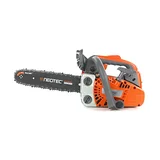
Price: $129.99 — Check current price on Amazon →
- 25.4cc 2-stroke engine, 1.2 HP, up to 12,000 RPM
- 12-inch bar, 8 lbs total weight
- Top-handle design for one-handed / climbing use
- 0.322-inch (8.2mm) pitch, 0.050-inch gauge, 3/8LP 44DL chain
- Spring-assisted one-pull start
Top-handle is the detail that matters here: unlike a rear-handle saw, a top-handle chainsaw is built to be run one-handed while climbing or working from a ladder, which is the actual arborist configuration for pruning and limbing work above shoulder height. At 8 lbs it’s light enough for that use case; a 460 Rancher is not.
It’s still a real gas engine, so it still needs 2-stroke fuel and the same starting ritual as any small gas tool. If you want pruning capability without fuel mixing, the RLSOO mini below is the cordless alternative — at the cost of bar length and power.
Main drawback: one-handed top-handle saws carry real kickback risk and most manufacturer safety literature (and most U.S. states’ logging safety regulations) restrict one-handed/top-handle chainsaw use to trained arborists working aloft. For ground-level trimming, use it two-handed.
5. WEN CP1216 — Best Corded Electric Chainsaw for Home Use
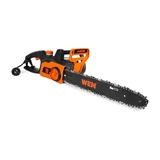
Price: $74.99 — Check current price on Amazon →
- 12-Amp electric motor, chain speed up to 41 ft/s
- 16-inch bar and chain included
- Auto-oiling system
- Tool-free chain tensioning, kickback brake
- 2-year warranty
A corded electric saw is the right call for anyone doing occasional wood cutting near an outlet — yard cleanup, firewood processing near the house, deck or fence lumber. No gas, no battery to charge, no engine maintenance, and at $74.99 it’s the second-cheapest full-size (16-inch bar) saw on this list.
The obvious limit is the cord: you’re working within extension-cord range of an outlet, which rules it out for land clearing or anywhere off-grid. It’s also the lightest-duty motor on this list by rated amps, so it’s better suited to softwood and smaller-diameter cuts than the gas picks.
Main drawback: corded means tethered — there’s no version of this saw that works past your extension cord’s reach, full stop.
6. PROYONGOO 20″ Gas Chainsaw — Best Budget Gas Chainsaw
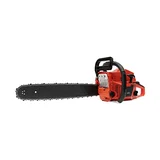
Price: $47.69 — Check current price on Amazon →
- 52cc 2-stroke engine, 2.2kW, 10,500 RPM
- 20-inch guide bar, 18.9-inch max cutting diameter
- Dual safety switches, brake baffle
- Multi-angle top-handle cutting design
At $2.38 per inch of bar — the cheapest cost-per-inch on this entire list — the PROYONGOO is the number to point at when someone says a real chainsaw with a real 20-inch bar has to cost $600+. It doesn’t. A 52cc engine and 18.9-inch max cutting diameter is genuinely enough saw for firewood processing and mid-size tree work.
This is the pick where the honest caveat matters most: at this price point, quality control on imported small-engine gas tools is inconsistent unit-to-unit, and there’s no established repair network if the carburetor needs adjustment out of the box. Budget for the possibility of some initial tuning.
Main drawback: lowest price on the list almost always means the least quality-control consistency — treat this as a saw you test-run and adjust before you need it for a real job, not one you grab cold for a weekend project.
7. RLSOO Mini Chainsaw — Best Compact Chainsaw for Light Branches
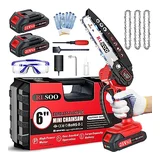
Price: $38.96 — Check current price on Amazon →
- 21V system, 2 removable 3000mAh lithium batteries included
- 6-inch bar, manganese-steel chain
- 2.6 lbs with battery installed
- Security lock plus switch button (dual-action start)
- Includes gloves and safety goggles
This is not a wood-cutting or land-clearing saw — it’s a one-handed pruning tool for branches up to about 6 inches, and it’s on this list because “trimming” is literally in this article’s title and a 24-inch land-clearing saw is the wrong tool for cutting a 2-inch branch off a fence line. At 2.6 lbs and $38.96, it’s the cheapest and lightest way to handle that job.
Two included batteries is a real practical advantage over most mini chainsaws that ship with one — swap and keep going instead of waiting on a charger mid-job.
Main drawback: a 6-inch bar and small motor mean this saw stalls fast in anything thicker than it’s rated for. It’s a pruning tool, not a scaled-down wood-cutting saw — don’t buy it expecting land-clearing performance in a smaller body.
8. Husqvarna 130 — Best Mid-Size Gas Chainsaw for Occasional Use
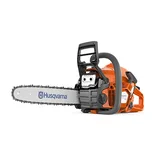
Price: $266.98 — Check current price on Amazon →
- 38cc, 2-HP 2-cycle X-Torq engine
- 16-inch bar (rated for 14–16-inch bars)
- Air injection centrifugal cleaning system
- LowVib anti-vibration handle
- Inertia-activated chain brake
The 130 is Husqvarna’s entry-level gas saw, and it’s the pick for someone who wants brand-name engine reliability and a real dealer parts network, but doesn’t need the 460 Rancher’s 24-inch land-clearing capacity. A 38cc engine on a 16-inch bar is squarely general wood-cutting and tree-pruning territory — not felling, not all-day land clearing.
At $266.98 it’s roughly 2.5× the price of the JPNTECH 60cc above for a smaller engine and shorter bar — the premium is Husqvarna’s brand support, not raw spec-sheet capability.
Main drawback: for the same or less money, both the EGO battery saw and several gas options on this list out-spec it on either bar length or ease of maintenance. The 130 earns its spot on brand trust and parts availability, not on being the best number on paper.
How We Picked These
No hands-on testing claim is made here. None of these 8 saws were physically run by our team for this article — we’re a woodworking content site, not a chainsaw test lab, and we’d rather say that plainly than fake a testing narrative the way several competing roundups in this space do (one widely-cited competitor claims to have hand-tested 9 products in 13 total hours, which is less time than a single 2-stroke break-in period).
What this article does instead: every price, spec and availability status was pulled live from Amazon’s Creators API on 2026-08-02 — not copied from a manufacturer’s marketing page or an old cached listing. Engine displacement, bar length, battery voltage and weight figures come from each product’s own listing data. Star ratings and review counts are deliberately left off this article: Amazon’s public review data wasn’t reliably retrievable for these listings this session, and we’d rather publish no number than a guessed one.
The cost-per-inch-of-bar column is our own calculation (price ÷ bar length), shown with its formula so you can check it yourself against current prices — it isn’t published as a spec anywhere else.
What to Consider When Buying a Chainsaw
Bar Length: Matching the Saw to the Job
Bar length should be about 2 inches longer than the thickest wood you’ll cut in one pass. A 6-inch mini handles branches; a 16-inch bar covers most firewood and general cutting; 20–24 inches is felling and land-clearing territory. Going bigger than you need just adds weight and kickback risk for no benefit.
Gas vs. Battery vs. Corded Electric
Gas wins on raw power-to-weight and unlimited running time (as long as you carry fuel), which is why every genuine land-clearing pick on this list is gas. Battery has closed the gap enormously for saws under about a 16-inch bar — the EGO above is proof — but runtime and cold-weather performance still trail gas at the largest sizes. Corded electric is the cheapest and lowest-maintenance option but only works within extension-cord range of an outlet.
Engine Displacement (cc) and Horsepower Explained
Cubic centimeters (cc) measures engine size, not directly cutting power — but more cc generally means more torque to keep the chain moving through thick or dense wood without bogging down. Under 40cc is homeowner/pruning territory (like the Husqvarna 130 or NEO-TEC above); 50–60cc+ is where land clearing and felling saws live (JPNTECH, Husqvarna 460 Rancher).
Battery Voltage and Amp-Hours for Cordless Models
Voltage (56V on the EGO, 21V on the RLSOO) roughly tracks with power delivered to the motor; amp-hours (Ah) track with runtime. A higher-voltage system with a smaller battery can still out-cut a lower-voltage system with a bigger one — check both numbers, not just one.
Chain Pitch, Gauge, and Drive Links
Pitch (distance between drive links, e.g. 3/8-inch) and gauge (drive link thickness, e.g. .043-inch) have to match your specific bar and sprocket exactly — they’re not interchangeable across brands just because two saws both say “16-inch bar.” Check the exact pitch/gauge (found in the listing or printed on the bar itself) before ordering replacement chains.
Safety Features: Chain Brake and Kickback
An inertia-activated chain brake (standard on every full-size saw in this roundup) stops the chain in a fraction of a second during kickback. Low-kickback chain designs, dual safety switches that require two simultaneous actions to start, and a chain catcher are the other features worth checking — not every budget import includes all of them.
Weight and Ergonomics for All-Day Use
Weight ranges from 2.6 lbs (RLSOO mini) to 13.2 lbs (Husqvarna 460 Rancher) on this list. Anything over about 10 lbs gets noticeably harder to hold at shoulder height or above for pruning work — that’s exactly why top-handle saws like the NEO-TEC are built lighter than full rear-handle land-clearing saws.
Maintenance: Fuel Mix, Chain Oil, and Sharpening
Every gas saw on this list needs 2-stroke fuel (gas mixed with 2-stroke oil at the ratio printed on the saw, typically 40:1 or 50:1) — using straight gasoline will damage the engine. Bar and chain oil is separate from fuel and needs regular topping off on every power type, gas or battery. A chain that’s properly sharp cuts straight sawdust chips; a dull chain produces fine powder and forces the saw sideways.
Price vs. Duty Cycle: How Much Chainsaw Do You Actually Need
If you’re cutting a handful of times per year, the cost-per-inch table above argues strongly for a budget pick (PROYONGOO or JPNTECH) over the Husqvarna 460 Rancher — you’re not putting enough hours on it to justify paying for parts-network longevity. If you’re clearing land regularly or this is your only outdoor power tool for years to come, the brand-name reliability premium is real and worth paying.
Replacement Chain and Bar Cost
A chain wears out and needs replacing well before the saw itself does — typically every 20–50 hours of cutting depending on wood type and how often it’s sharpened versus run dull. Full-size replacement chains (14–24-inch) generally run $15–$35; mini/6-inch chains for saws like the RLSOO are usually under $15. Factor at least one spare chain into your first purchase, especially for the budget picks where a spare costs a meaningful fraction of the saw’s own price.
Brand Name vs. Unbranded Import: What the Price Premium Actually Buys
Three of the 8 picks in this comparison are Husqvarna; four are unbranded or lesser-known import brands (JPNTECH, NEO-TEC, PROYONGOO, RLSOO). Cross-referencing the dataset table above against engine size tells the real story: the Husqvarna 460 Rancher’s 60.3cc engine isn’t meaningfully bigger than the JPNTECH’s 60cc engine, and the Husqvarna 130’s 38cc/16-inch spec doesn’t out-cut the far cheaper PROYONGOO’s 52cc/20-inch spec on paper at all. The premium you pay for the Husqvarna name isn’t primarily about how the saw cuts on day one.
What it does buy: an established U.S. dealer and parts network, a company that’s been building the same engine platform (X-Torq) for over a decade with known failure points and known fixes, and (for the gas models specifically) emissions compliance and fuel-efficiency engineering that the import brands don’t publish comparable data on. For a saw you’ll own for 10+ years and run regularly, that’s a real, non-cosmetic difference. For a saw you’ll use a handful of times a year, it’s a much harder premium to justify — which is exactly why this list includes both tiers rather than only the safe brand-name choice.
Chainsaw Safety Gear You’ll Also Need
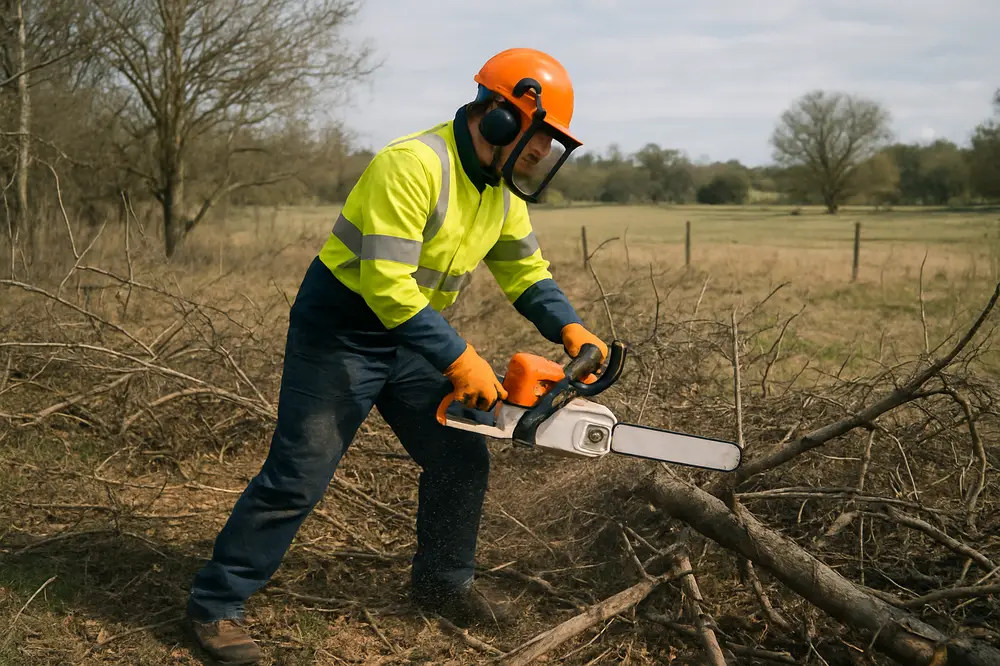
None of the 8 saws above include protective gear, and the gear matters as much as the saw — chainsaw injuries are common enough that OSHA and most chainsaw manufacturers publish specific minimum PPE requirements. Budget for these alongside whichever saw you pick:
- Chainsaw chaps or pants — cut-resistant fabric that jams a chain almost instantly on contact with a leg. Required by OSHA for professional use and strongly recommended for any land-clearing or felling work.
- A helmet system with face screen and ear protection — combines impact protection from falling branches, eye protection from kickback debris, and hearing protection from sustained engine or motor noise.
- Cut-resistant gloves — particularly the left hand, which sits closest to the bar tip where kickback originates.
- Steel-toe boots — ideally with cut-resistant panels, for felling and land-clearing work where dropped logs and rounds are a real risk.
A full chaps-helmet-gloves-boots kit typically runs $80–$200 depending on quality — a real cost to factor in alongside the saw price, especially for the budget picks on this list where the saw itself might cost less than the safety gear to run it properly.
How to Start and Use a Chainsaw Safely
- Put on safety gear first. Chainsaw chaps, a helmet with face screen and ear protection, and cut-resistant gloves — before the saw comes out of the case, not after the first cut.
- Check chain tension and bar oil. The chain should lift slightly off the bar but not sag; top off bar oil separately from fuel on every power type.
- Fuel or charge correctly. Gas saws need properly mixed 2-stroke fuel at the ratio printed on the saw (never straight gasoline); battery saws need a full charge before starting a job.
- Start with proper technique. Gas saws: choke/primer per the manual, saw braced on the ground with your foot through the rear handle. Battery saws: engage the safety switch, then the trigger.
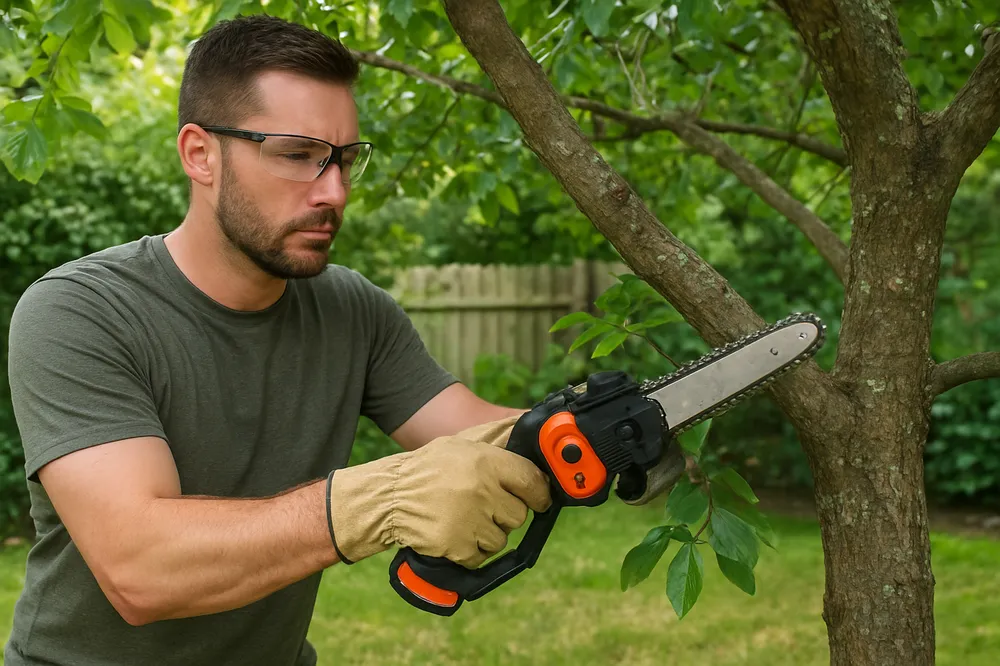
- Set a stable two-handed stance with solid footing before the chain ever touches wood. Never cut one-handed except with a purpose-built top-handle saw, and only while trained and secured aloft.
- Cut with the lower third of the bar where possible — the upper tip is where kickback originates, and keeping cuts low reduces that risk significantly.
- Engage the chain brake before setting the saw down, and let a gas engine idle down rather than gunning the throttle to a dead stop.
This is general safety guidance, not a substitute for the safety manual that ships with your specific saw, or for professional instruction if you’re new to chainsaw use. Land-clearing and felling work in particular carries real injury risk — if a tree is large, leaning, or near structures/power lines, hire a professional.
Explore the Full Chainsaw Lineup by Category
This roundup picks one representative winner per job. If you want the deeper, full comparison within a single category, these are the dedicated guides:
- Best Gas Chainsaw — 6 gas models compared for anyone set on a gas-powered saw
- Best Battery-Powered Chainsaw — 10 cordless picks by bar size and voltage
- Best Mini Chainsaw — 6 compact picks from $36 to $229
- Best Mini Cordless Chainsaw — 8 cordless minis compared on cost and power
- Best Handheld Chainsaw — handheld picks for tree trimming and light cutting
- Best Chainsaw Bar Oil — keep any saw on this list properly lubricated
- Best Chainsaw Files — sharpen a dull chain instead of replacing it
- Best Price on Chainsaws — 7 budget picks compared by real cost per inch of bar
Frequently Asked Questions
What size chainsaw do I need for cutting down trees?
For felling and land clearing, look for a bar at least 2 inches longer than the tree’s diameter and a gas engine of roughly 50cc or more — the Husqvarna 460 Rancher (60.3cc, 24-inch bar) or JPNTECH 60cc (20-inch bar) on this list both fit that job. A 16-inch or smaller saw is for general wood cutting and pruning, not felling.
Is a gas or battery chainsaw better for land clearing?
Gas, for now. Every genuine land-clearing pick in this comparison is gas-powered because battery runtime and cold-weather performance still trail gas at the 20-inch-plus bar sizes land clearing typically needs. Battery has closed the gap significantly at 16 inches and under, where the EGO Power+ CS1611 is a legitimate gas alternative.
What chainsaw bar length is safest for a beginner?
A 14–16-inch bar on a saw with an inertia-activated chain brake and dual safety switches (like the Husqvarna 130 or WEN CP1216 above) is the easiest size to control safely while learning. Skip top-handle and one-handed saws until you’ve had hands-on instruction.
How much does a good chainsaw cost?
This comparison ranges from $38.96 (RLSOO 6-inch mini, pruning only) to $649 (Husqvarna 460 Rancher, full land-clearing capability). A genuinely capable 16-20-inch general-purpose saw lands in the $75–$200 range across gas, battery and corded options.
Can one chainsaw handle both trimming and felling trees?
Not well. A saw sized for felling (20-24-inch bar, heavier) is unwieldy and unsafe for close pruning work, and a pruning saw (6-12-inch bar) doesn’t have the bar length or power to fell a tree. Most people who do both jobs regularly end up owning two saws — a land-clearing saw and a top-handle or mini trimming saw.
What’s the real difference between 2-stroke gas and battery chainsaws?
2-stroke gas engines need fuel mixed with 2-stroke oil at a set ratio (typically 40:1 or 50:1) and deliver unlimited running time as long as you carry fuel. Battery saws run on a rechargeable lithium-ion pack, need no fuel mixing or engine maintenance, but are limited by charge time and battery capacity, and currently trail gas power at bar lengths above about 16 inches.
Do battery-powered chainsaws lose power in cold weather?
Yes — lithium-ion battery capacity and power delivery both drop measurably below about 40°F, which is part of why gas still leads for serious cold-weather land clearing. The EGO Power+ CS1611’s 56V system holds up better than smaller battery systems, but if you’re doing regular winter cutting in a cold climate, a gas pick like the Husqvarna 460 Rancher or JPNTECH will be more consistent.
How often should I oil and sharpen my chainsaw chain?
Check bar oil level every time you refuel or before every use session, regardless of power type — running a chain dry damages the bar in minutes. Sharpen at the first sign of fine sawdust powder instead of clean chips, which typically means every few hours of actual cutting time depending on the wood.
Are cheap unbranded chainsaws on Amazon safe to use?
The budget imports on this list (JPNTECH, PROYONGOO, RLSOO, NEO-TEC) all ship with standard safety features — chain brakes, dual safety switches, kickback-reducing chain designs — per their own listed specs. “Cheap” and “unsafe” aren’t the same thing here; the real tradeoffs are quality-control consistency and parts support, not missing safety hardware. Inspect any new saw’s chain brake and safety switch function before the first real cut, regardless of price.
What’s the difference between bar length and actual cutting capacity?
A saw’s rated bar length is the physical bar; true one-pass cutting capacity is roughly 2 inches less than that, since you need bar length on both sides of the wood to complete a cut. A 16-inch bar comfortably fells or bucks material up to about 14 inches in a single pass — the PROYONGOO’s own listing states an 18.9-inch max cutting diameter on its 20-inch bar, which is a good real-world example of that gap.
Final Thoughts
For most people cutting wood, trimming, and occasionally clearing land, the Husqvarna 460 Rancher remains the single best all-around chainsaw on this list — a 60.3cc engine and 24-inch bar cover every job in this article’s title in one saw. But the number worth remembering is the cost-per-inch spread: the cheapest pick here delivers a bar-inch for $2.38 against the priciest pick’s $27.04, an 11× gap that has almost nothing to do with which saw actually cuts wood and everything to do with brand support and longevity. Buy the saw sized for your actual job, not the biggest number on the shelf.
Sponsored / affiliate links. As an Amazon Associate I earn from qualifying purchases. I may earn additional commission from eligible campaigns.
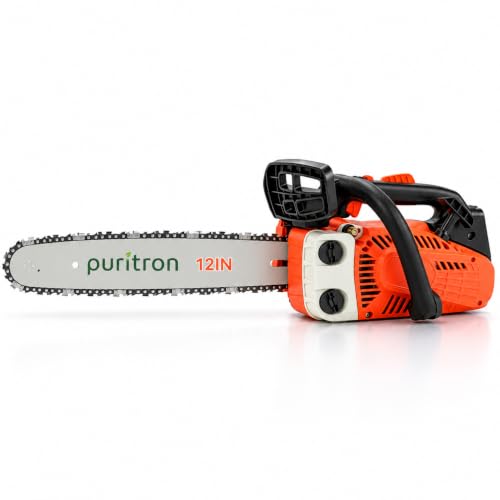 25.4CC 2-Stroke 12 Inch Top Handle Gas Chainsaw, Top Handle Gas Powered Chainsaw Petrol Handheld Cordless Chain Saw for Tree-climbing Tree Pruning Wood Cutting Firewood Preparation Yard Maintenance
 NANWEI 8 Inch Cordless Chainsaw for Tree Trimming & Wood Cutting, Lightweight Handheld Mini Chain Saw with 2 x 4.0Ah Batteries, Brushless Motor for Long Runtime & Low Noise