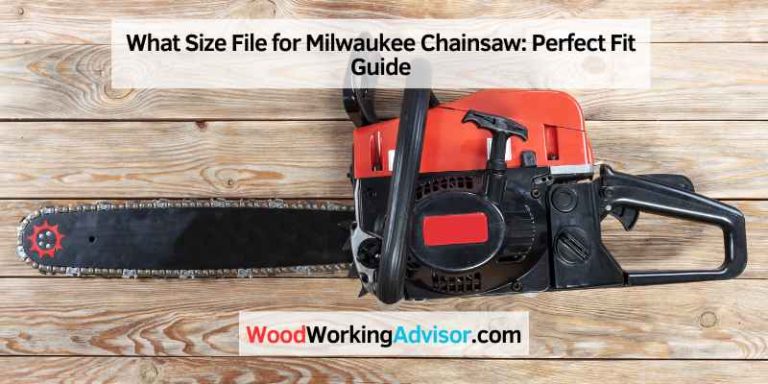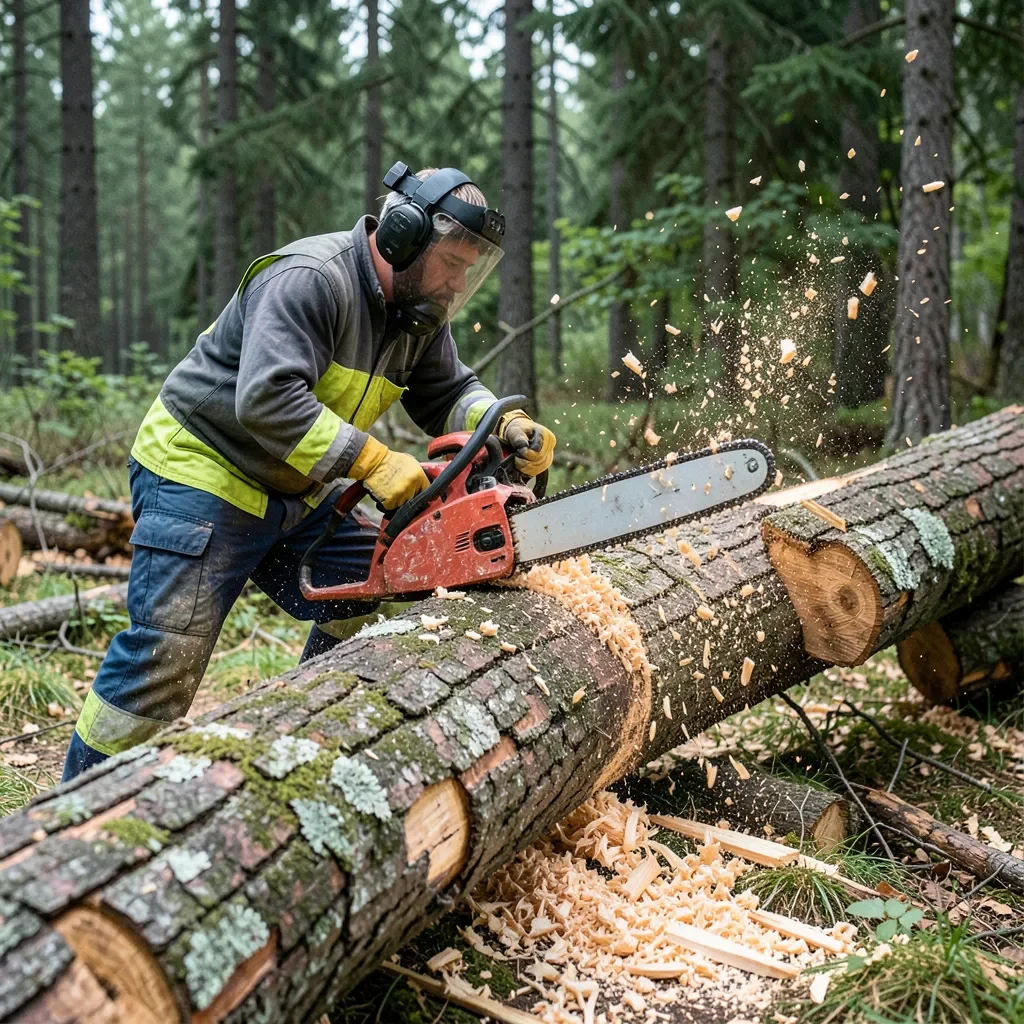
Chainsaw Cutting Crooked? Check the Rakers, Not Just the Chain
A chainsaw cuts crooked most often because the rakers (depth gauges) on one side of the chain sit higher than the other, not because the chain is simply dull. Ignoring rakers while only sharpening teeth can leave the curve unfixed even after a full resharpen. This guide covers the raker-height mechanism, a 2-minute stump test to find the culprit side, and the exact filing fix.
What Makes a Chainsaw Cut Crooked
Best Chainsaw Depth Gauge Pick
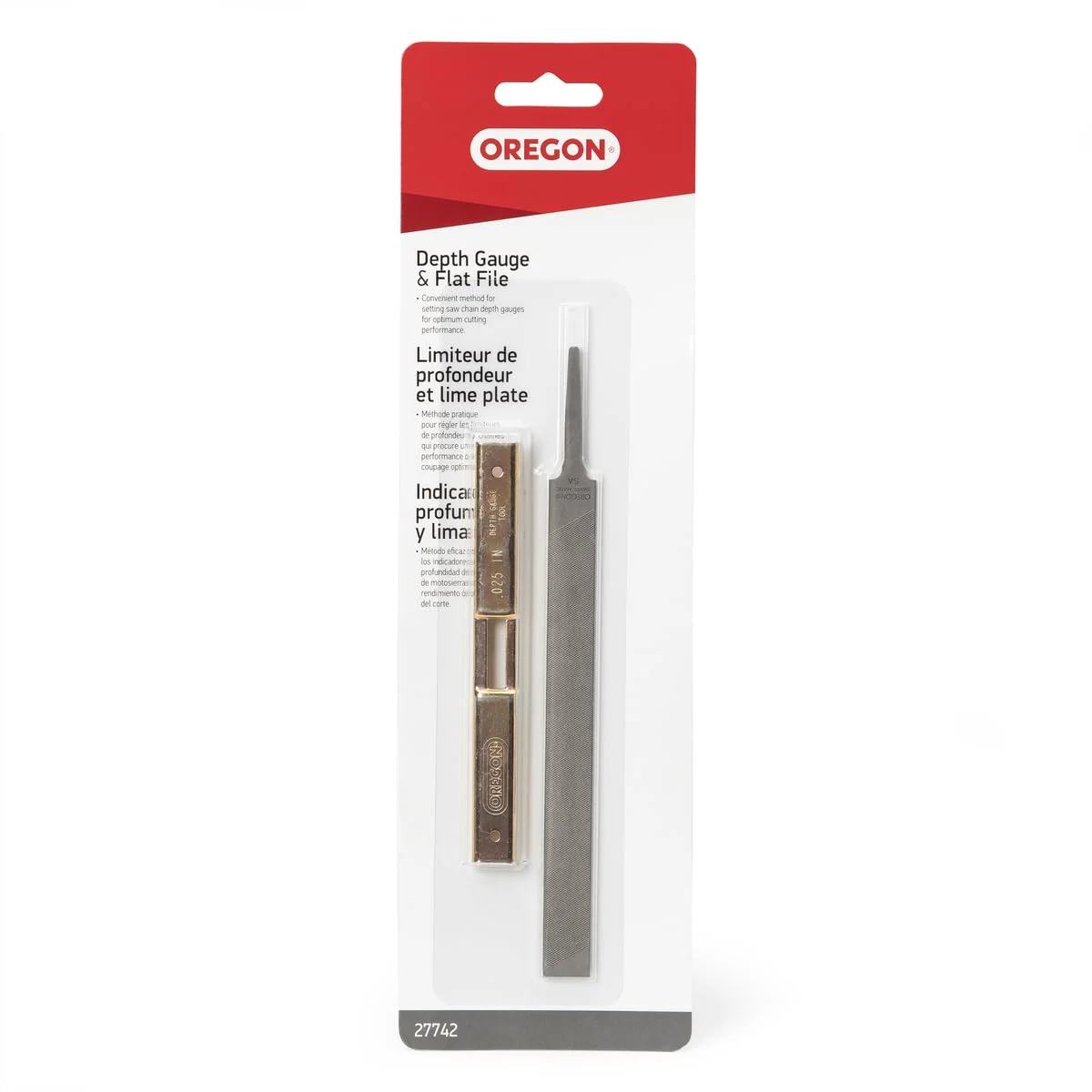 |
Oregon Chainsaw Chain Depth Gauge Tool with Flat File – $8.10 This is the exact style of tool this guide’s raker section refers to — it sets depth gauge height to the standard 0.025" spec across every tooth, which is what stops one side of the chain from biting deeper and curving the kerf.
|
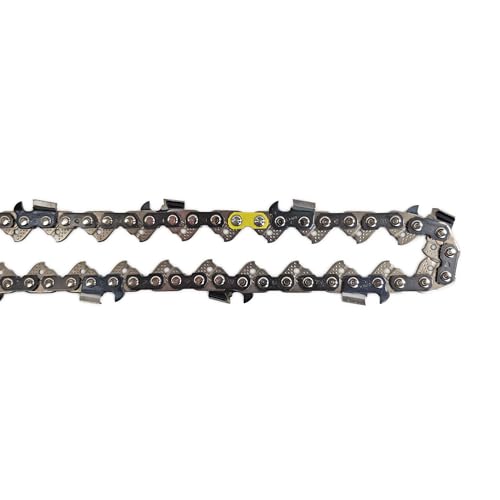
Five mechanical issues account for almost every crooked cut: uneven tooth length from lopsided sharpening, a dull or chipped tooth on one side, incorrect or inconsistent filing angle, a loose or misaligned chain, and a worn or bent guide bar. Any one of these makes the chain remove more wood on one side than the other, and the bar simply follows wherever the chain cuts easiest.
Lubrication matters too — a chain running dry drags and heats unevenly, which accelerates wear on whichever side is already working harder. If you haven’t checked your oiler output recently, confirm the chain is getting adequate bar oil before assuming the problem is purely a filing issue.
The Cause Most Guides Skip: Uneven Rakers (Depth Gauges)
A raker (also called a depth gauge) is the small hook-shaped tab in front of every cutting tooth on a chainsaw chain that limits how deep that tooth bites into the wood on each pass. It doesn’t cut anything itself — its only job is to control depth. Every time you sharpen the cutting teeth, the teeth get shorter but the rakers stay the same height, so the rakers effectively get taller relative to the teeth and start limiting the bite more than they should.
Here’s the part most articles on this topic skip: if you file the teeth on one side of the chain more aggressively than the other (which happens easily with hand-filing, especially if you’re right-handed and apply more pressure on one stroke direction), the rakers on that side end up relatively taller too. That side’s teeth take a shallower bite, so the chain pulls toward the side that’s cutting less — producing a curved kerf even though every tooth is technically sharp.
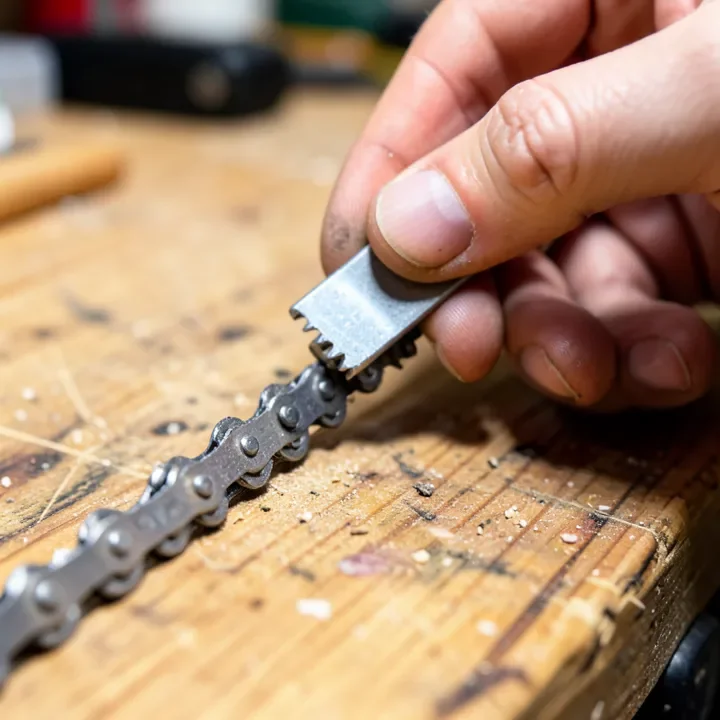
📊 Standard raker height is 0.025 inch below the top of the cutter for most 3/8″ and .325″ pitch chains (0.030″ is common for softer wood) — Source: Oregon Products, depth gauge tool spec
The 2-Minute Stump Test: Find Which Side Is Off
Before you touch a file, confirm which side of the chain is actually the problem. This takes about two minutes on any stable log or stump you have on hand.
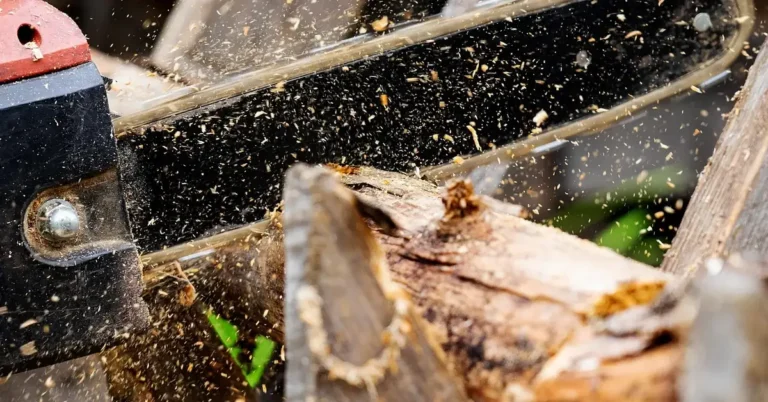
- Make a test cut: Cut straight down through a stable log or stump 6–8 inches thick, keeping the saw level and letting the chain do the work without steering it sideways.
- Read the kerf: Look at the cut face. If it angles away from square instead of running straight down, the chain curved toward the side with the duller teeth or the taller raker.
- File only that side: Touch up the teeth and check raker height on the side the cut curved toward, then make a second test cut to confirm it now runs straight before moving on to the rest of the chain.
“The stump test is the fastest way to stop guessing — most home users sharpen the whole chain evenly when only one side actually needs work, which just wastes chain life without fixing the curve.”
How to Fix a Chainsaw That’s Cutting Crooked
Once the stump test identifies the problem side, work through these steps in order rather than resharpening the entire chain from scratch:
- Sharpen the identified side only — use a round file at the same angle stamped on the chain (usually 25–35 degrees) and count strokes so both teeth on that side end up equal length. A sharpening jig makes it much easier to hold that angle consistently by hand.
- Check and file the rakers — use a depth gauge tool set to 0.025″ (0.030″ for softwood) and file only where the raker sticks up above the gauge slot.
- Re-tension the chain — a loose chain can twist slightly on the bar and mimic a filing problem. It should sit snug against the bottom of the bar but still pull freely by hand.
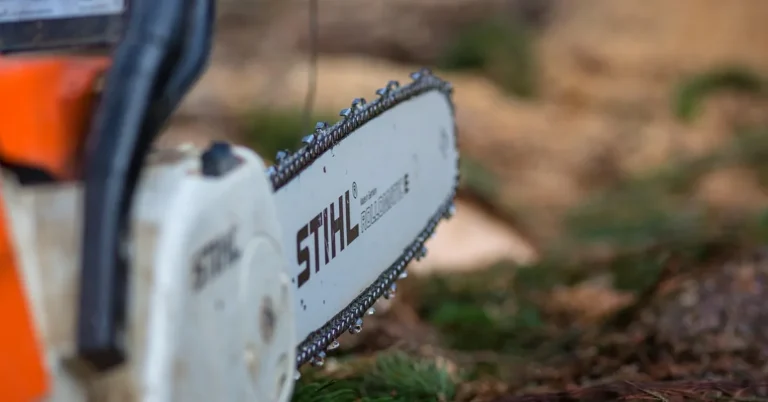
- Inspect the guide bar rails — sight down the bar for a bend, or compare rail height on both sides. A visibly worn or bent bar will keep producing a curved cut no matter how well the chain is filed, and needs replacing.
- Re-run the stump test — confirm the cut runs straight before returning the saw to regular use.
Frequently Asked Questions
How do I fix a chainsaw that’s cutting crooked?
Run the stump test first to find which side is off, then sharpen only the teeth on that side until the chain cuts an even length again. If the cut still curves after that, check raker height with a depth gauge tool — rakers set unevenly at 0.025″ will curve a cut even with perfectly sharp teeth.
Why does a chainsaw pull to one side when cutting?
It pulls toward the side with duller or shorter teeth, or the side where the raker (depth gauge) sits lower and lets that tooth bite deeper. A bent guide bar or uneven bar rail wear can cause the same pull even with a freshly sharpened chain.
What are rakers on a chainsaw chain?
Rakers, also called depth gauges, are the small hooks in front of each cutting tooth that limit how deep the tooth bites into the wood per pass. Most standard 3/8″ and .325″ chains need rakers filed to 0.025″ below the cutter — 0.030″ is common for softwood — and they get taller relative to the tooth every time the chain is sharpened.
How often should chainsaw rakers be filed?
File rakers back down to spec roughly every third time you sharpen the cutting teeth, per Oregon’s maintenance guidance. Skipping this is one of the most common reasons a chain that still looks sharp keeps cutting crooked or slow.
Can a bad guide bar cause a chainsaw to cut crooked?
Yes. A bent bar or a bar with unevenly worn rails lets the chain sit lower or looser on one side, pulling the cut off-line even when the chain itself is correctly sharpened and tensioned. Sight down the bar rails for visible wear or bending, and replace the bar if one rail is noticeably thinner than the other.
A crooked cut almost always traces back to one of these mechanical causes rather than skill — the stump test tells you which side to work on, and checking rakers alongside teeth is what actually keeps the fix from wearing off after a few more cuts.
Sponsored / affiliate links. As an Amazon Associate I earn from qualifying purchases. I may earn additional commission from eligible campaigns.