Does Home Depot Sharpen Chainsaw Blades? (No — Here’s Why)
Home Depot does not sharpen chainsaw chains in-store — a chain has 20 to 100+ cutters that all need the same angle and depth, which takes an indexed chain grinder, not the bench grinder used for mower blades. Cutting with a dull chain longer than a day’s work raises kickback risk and burns extra bar oil. This guide covers why chain sharpening isn’t offered, what Home Depot’s Powercare filing kits cost, and where to get a chain professionally ground instead.
Does Home Depot Sharpen Chainsaw Chains In-Store?
Best Chainsaw Sharpening Kit Pick
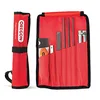
Oregon Universal Chainsaw Field Sharpening Kit
A complete hand-filing kit with three round file sizes, a filing guide, and a flat depth-gauge file in a portable pouch.
- Best for: touch-up sharpening in the field between full grinds
- Why we picked it: covers the 3 most common file sizes and includes a guide for a consistent angle
- Main drawback: hand filing takes practice to keep every cutter even
Compare more chainsaw sharpening options
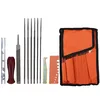 Option 1 Hipa 12-Piece Chainsaw File Sharpening Kit
|
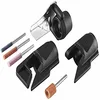 Option 2 Dremel A679-02 Sharpening Attachment Kit
|
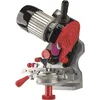 Option 3 Oregon Professional Compact 120-Volt Bench Chain Grinder
|
As an Amazon Associate we earn from qualifying purchases.
No. As of 2026, standard Home Depot locations do not offer an in-store chainsaw chain sharpening service. This is different from some of the other sharpening Home Depot does provide — many stores will touch up a lawn mower blade or a circular saw blade on a bench grinder, but chainsaw chains are not part of that lineup at any U.S. store.
Home Depot’s own Powercare brand sells the tools to sharpen a chain yourself instead: manual filing kits and battery or corded electric chain sharpeners, stocked in the chainsaw-accessories aisle next to bar and chain oil and replacement chains.
Why Doesn’t Home Depot Sharpen Chainsaw Chains Like Mower Blades?
A mower blade is one straight edge — a store employee can true it up on a bench grinder in a couple of minutes. A chainsaw chain is a loop of 20 to 100+ individual cutters, and every one needs the identical top-plate angle and the same depth-gauge (raker) height, or the chain pulls to one side and cuts crooked. Getting that consistency takes an indexed chain grinder that clamps and rotates each cutter into position — equipment most Home Depot locations simply don’t stock or staff for, so the job is left to DIY kits or a dedicated sharpening shop instead of a general in-store service.
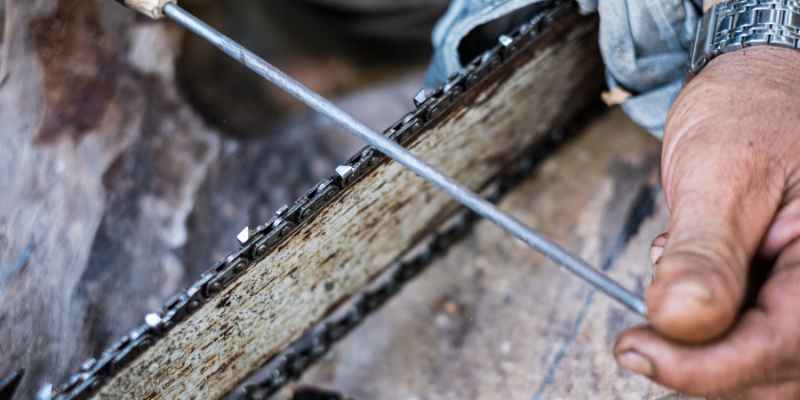
What Home Depot Sells Instead: Powercare Chainsaw Sharpening Kits
Home Depot’s house brand, Powercare, covers both ends of DIY sharpening. A manual sharpening field kit (roughly $20) bundles round files in the three most common diameters, a filing guide, a flat depth-gauge file, and a carrying pouch — everything needed to touch up a chain by hand. Step up to a 110-volt electric chain sharpener (roughly $35) and a motorized stone does the grinding for you at an adjustable 8,000 to 30,000 RPM, with replacement stones sold separately once the abrasive wears down.
Home Depot In-Store Sharpening: Chainsaw Chains vs. Other Blades
Home Depot’s in-store sharpening lineup varies by tool — here’s how a chainsaw chain compares to the blades some locations will touch up on-site.
| Tool | Sharpened In-Store? | What to Expect |
|---|---|---|
| Chainsaw chain | No, at any location | Sold Powercare DIY kits ($17–$35) instead |
| Lawn mower blade | Some locations | Roughly $6–$10; availability varies by store |
| Chop / circular saw blade | Some locations | Availability varies; call ahead |
| Drill bit | Rare / DIY only | Sharpening stones and bits sold in-store |
How to Sharpen a Chainsaw Chain Yourself
Sharpening a chain at home takes a handful of inexpensive tools and about 10–15 minutes once you know the routine:
- Round file: matched to your chain’s pitch (check the spec on the file-size chart if you’re not sure which diameter you need).
- File guide: holds the file at the correct angle so every cutter matches.
- Depth gauge tool and flat file: keeps the raker height consistent across the chain.
- Gloves and safety glasses: protect your hands and eyes while filing.
Prefer a jig over freehand filing? A chainsaw sharpening jig clips onto the bar and holds the correct angle for you, which is worth it if your hand-filed chains tend to cut crooked.
- Clean the chain: Remove debris and dried sap from the chain and bar groove with a stiff brush before filing.
- Secure the saw: Clamp the bar in a vise or a dedicated chain-filing clamp so both hands stay free for the file.
- File each cutter: Using a round file sized to your chain’s pitch and a filing guide, stroke forward through every cutter at the same angle and count of strokes.
- Check the depth gauges: Every third or fourth sharpening, use a flat file and depth-gauge tool to bring the rakers back to spec.
- Test the chain: Reinstall the chain, tension it, and make a test cut — a properly sharpened chain pulls itself into the wood without you forcing it.
From experience: the depth-gauge step is the one most people skip when they file a chain by hand — and it’s usually why a chain that was just sharpened still doesn’t cut as well as it should. Checking the rakers every few sharpenings matters as much as the cutters themselves.
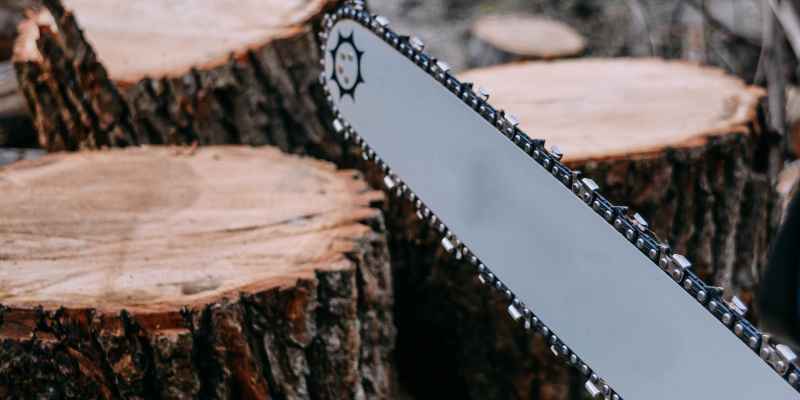
Where to Get a Chainsaw Chain Professionally Sharpened
Since Home Depot won’t do it in-store, a few other options actually will:
- Local chainsaw or small-engine repair shops: typically charge $5–$15 per chain using a bench-mounted chain grinder.
- Stihl, Husqvarna, or Echo dealers: most authorized dealers sharpen chains for saws they service, even if you didn’t buy the saw there.
- Mail-in sharpening services: worth it if you own multiple chains and don’t need same-day turnaround.
For a saw used only a few times a season, a $20 filing kit usually pays for itself before the first shop visit would. For daily or professional use, a bench grinder like the one below or a standing relationship with a local shop makes more sense than filing by hand every day.
How Often Should You Sharpen a Chainsaw Chain?
For most cutting, sharpen after every 3–5 hours of use — sooner if you’ve been cutting near dirt, rock, or old fence wire. Regularly checking sharpness (see the signs below) matters more than following a fixed schedule; see our guide on when to replace a chainsaw chain for when filing stops being enough and the chain needs replacing instead.
Signs Your Chainsaw Chain Needs Sharpening
Watch for these warning signs between scheduled sharpenings:
- Fine powder instead of coarse chips coming out of the cut
- The saw pulling to one side instead of cutting straight, which shows up as a crooked cut
- Having to force the bar through the wood instead of letting the chain pull itself in
- Increased vibration or smoke at the cut even with correct chain tension and oiling
Frequently Asked Questions
Does Home Depot sharpen chainsaw chains?
No. Home Depot does not offer an in-store chainsaw chain sharpening service at its standard locations. It sells Powercare filing kits and electric sharpeners so you can sharpen the chain yourself, and some stores separately sharpen simpler straight-edge tools like lawn mower blades.
How much does it cost to sharpen a chainsaw chain?
A local chainsaw or small-engine repair shop typically charges $5 to $15 per chain for professional sharpening. Doing it yourself costs roughly $17 to $35 for a one-time filing or electric sharpening kit that lasts for dozens of sharpenings.
Can you sharpen a chainsaw chain yourself?
Yes. A round file matched to your chain’s pitch, a filing guide, and a flat file for the depth gauges are enough to sharpen a chain by hand in the field. An electric sharpener or bench grinder speeds up the process but isn’t required.
How often should you sharpen a chainsaw chain?
Sharpen after every 3 to 5 hours of cutting, or sooner if fine sawdust turns to powder, the saw starts pulling to one side, or you have to force the bar through the wood.
Does Home Depot sharpen lawn mower blades?
At some locations, yes. A mower blade is a single straight edge that a bench grinder can true up in a couple of minutes, which is why that service is more widely available than chainsaw chain sharpening. Availability and pricing vary by store, so call ahead.
Conclusion
Home Depot is a reliable stop for chainsaw bar oil, replacement chains, and Powercare sharpening tools — just not for an in-store chain sharpening service. Keep a round file or electric sharpener on hand for touch-ups between cuts, and send the chain to a local shop for a full professional grind once filing alone stops bringing back a clean cut.
Sponsored / affiliate links. As an Amazon Associate I earn from qualifying purchases. I may earn additional commission from eligible campaigns.
 6 Inch Chainsaw Chain, 5 Pieces Replacement Chains for Almost 6-inch Cordless Electric Portable Mini Chainsaws, Durable Carbon 6Inch Chainsaw Chains for Pruning Shears and Wood Cutting
 Drill Saw Blades for Dremel Rotary Tool 6Pcs HSS Saw Disc Wheel Cutting Blades with 2Pcs 1/8" Round Shank,1Pcs 1/4" Round Shank,Made of Heavy Duty Carbon Steel and Strong HSS