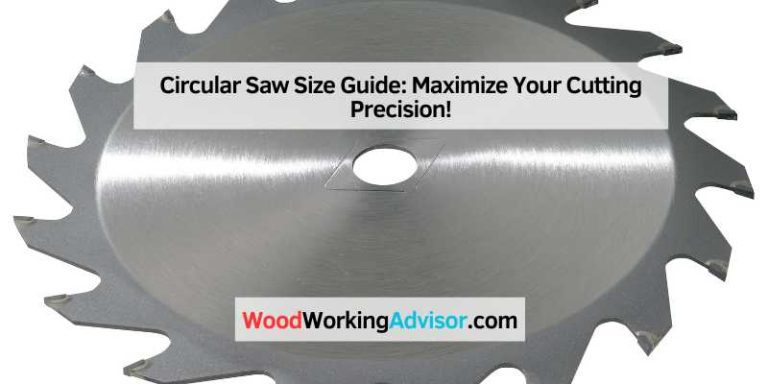
Circular Saw Parts: Essential Components for Optimal Performance
A circular saw consists of several key parts, including the blade, motor, base plate, and guard. Understanding these components enhances safety and efficiency while using the tool.
Circular saws are essential tools in woodworking and construction. Their versatility allows for cutting various materials like wood, metal, and plastic. Familiarity with circular saw parts can significantly improve your project outcomes. Each component plays a critical role in performance and safety.
For instance, the blade determines the type of cut and material compatibility, while the motor powers the saw. The base plate provides stability during cuts, and the guard enhances safety by protecting users from accidental contact with the blade. Knowing how to maintain and troubleshoot these parts can extend the life of your circular saw.
Introduction To Circular Saw Parts
A circular saw is a powerful tool used in woodworking and construction. Understanding its parts is essential for safe and effective use. Each component plays a vital role in the saw’s performance. Knowing these parts helps in maintenance and repairs.
Key Components Overview
Here are the main parts of a circular saw:
- Blade: The cutting element that slices through materials.
- Motor: Powers the blade to rotate quickly.
- Base Plate: Provides stability and support during cutting.
- Handle: Allows for grip and control of the saw.
- Guard: Protects users from accidental contact with the blade.
| Component | Function |
|---|---|
| Blade | Cuts through wood and other materials. |
| Motor | Drives the blade’s rotation. |
| Base Plate | Stabilizes the saw during use. |
| Handle | Provides a firm grip for control. |
| Guard | Ensures safety from the blade. |
Importance Of Quality Parts
Quality components ensure the saw operates smoothly. They enhance safety and improve cutting accuracy. Here’s why quality matters:
- Durability: High-quality parts last longer.
- Performance: Better parts increase efficiency.
- Safety: Quality reduces the risk of accidents.
- Maintenance: Good parts require less frequent repairs.
Investing in quality parts is essential for any woodworker. It leads to better results and a safer working environment.
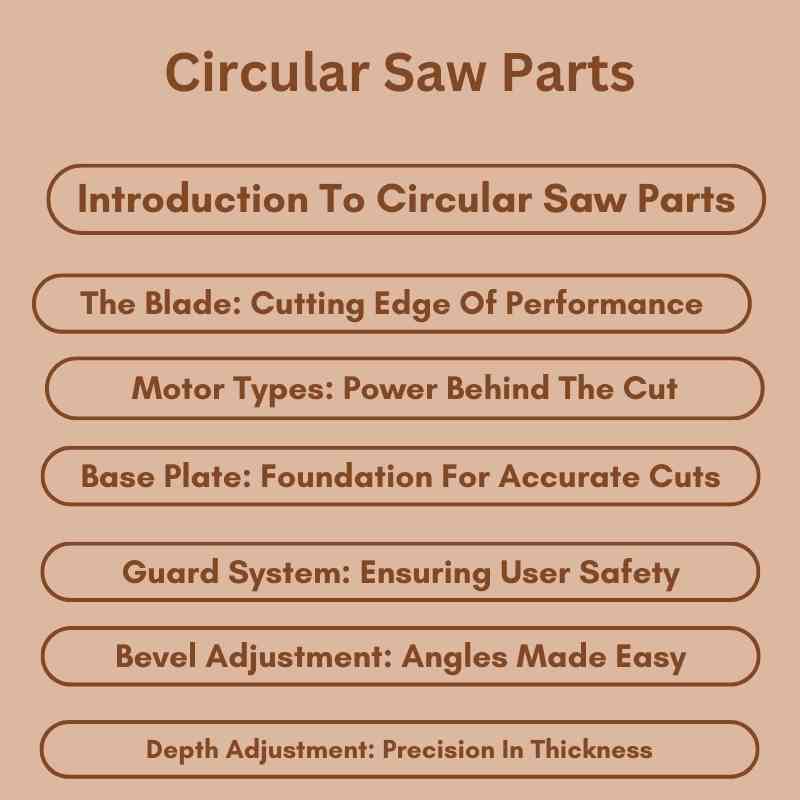
The Blade: Cutting Edge Of Performance
The blade is the heart of a circular saw. It determines how well the tool performs. Choosing the right blade affects cutting speed and quality. Understanding blade types and maintenance can enhance your projects significantly.
Types And Uses
Different blades serve various purposes. Here’s a quick look at common types:
| Blade Type | Material | Use |
|---|---|---|
| Crosscut Blade | High-Speed Steel (HSS) | Cutting wood across the grain |
| Rip Blade | Carbide-Tipped | Cutting wood with the grain |
| Combination Blade | Carbide-Tipped | General-purpose cutting |
| Metal Cutting Blade | Bi-metal | Cutting metal sheets |
| Diamond Blade | Diamond-embedded | Cutting tile and concrete |
Select the blade based on your project needs. Each type offers unique advantages. Consider the material and thickness of what you will cut.
Maintenance Tips
Keeping your blade in good shape is essential. Proper maintenance extends blade life. Follow these tips:
- Clean the Blade: Remove resin and debris after each use.
- Check for Damage: Inspect for chips or cracks regularly.
- Sharpen the Blade: Sharpen blades every few uses to maintain performance.
- Store Properly: Keep blades in a protective case to prevent damage.
- Use the Right Blade: Always match the blade to the material.
Regular maintenance ensures safe and efficient cutting. A sharp blade reduces strain on your saw. It also improves the quality of your cuts.
Motor Types: Power Behind The Cut
The motor is the heart of a circular saw. It determines how well the saw performs. Choosing the right motor type is crucial. Two main types exist: corded and cordless. Each has its own advantages and drawbacks.
Corded Vs. Cordless
Corded and cordless circular saws serve different needs. Understanding their features helps you make the right choice.
| Feature | Corded | Cordless |
|---|---|---|
| Power Source | Electric outlet | Battery |
| Runtime | Unlimited | Limited (depends on battery) |
| Portability | Less portable | Highly portable |
| Weight | Heavier | Lighter |
| Power | Consistent | May vary |
Corded saws provide constant power. They are ideal for heavy-duty jobs. Cordless saws offer mobility. They suit quick cuts and outdoor tasks.
Selecting The Right Power
Power ratings are essential in choosing a circular saw. They are usually measured in amps or volts. Higher ratings mean more cutting power.
- Amps: Measures electrical current.
- Volts: Measures battery power.
For home projects, 10-15 amps is enough. For heavy-duty work, opt for 15 amps or higher. Always choose a model that fits your needs.
- Assess your project requirements.
- Decide between corded or cordless.
- Check the power rating.
- Select a reliable brand.
Base Plate: Foundation For Accurate Cuts
The base plate of a circular saw is crucial for achieving precise cuts. This component supports the saw and helps maintain stability. A well-designed base plate enhances accuracy and control during cutting tasks.
Material Choices
The material of the base plate affects performance. Common materials include:
- Aluminum: Lightweight and durable.
- Steel: Heavier but very sturdy.
- Plastic: Lightweight but less durable.
Aluminum is popular for its balance of weight and strength. Steel offers durability for heavy-duty tasks. Plastic is ideal for lighter projects, but it may wear out quicker.
Adjustment And Alignment
Proper adjustment and alignment ensure accurate cuts. Most saws have adjustment features for the base plate. Here are key adjustment aspects:
- Leveling: Keep the base plate flat.
- Angle Setting: Set precise angles for bevel cuts.
- Depth Adjustment: Control the cut depth easily.
Check the alignment often. Misalignment can lead to uneven cuts. Ensure all settings are secure before starting.
| Material | Weight | Durability | Ideal Use |
|---|---|---|---|
| Aluminum | Lightweight | Moderate | General use |
| Steel | Heavy | High | Heavy-duty tasks |
| Plastic | Very light | Low | Light projects |
Guard System: Ensuring User Safety
The guard system on a circular saw plays a crucial role in user safety. It protects the operator from accidental contact with the blade. Proper understanding and usage of guards can prevent injuries and ensure safe operation.
Types Of Guards
There are several types of guards for circular saws. Each serves a specific purpose. Below are the main types:
| Guard Type | Description |
|---|---|
| Blade Guard | This cover protects the blade when not in use. |
| Retracting Guard | This moves up as you cut, covering the blade when not in contact with the material. |
| Anti-Kickback Guard | This helps prevent the saw from moving back towards the user. |
Understanding these guards helps users operate the saw safely.
Proper Usage And Care
Using guards correctly is vital for safety. Follow these guidelines:
- Always check the guard before use.
- Ensure the guard functions properly.
- Never remove the guard during operation.
- Keep the guard clean and free of debris.
Regular maintenance is essential for the guard system. Inspect it frequently for wear and tear. Replace any damaged parts immediately.
Educate all users on the importance of the guard system. Safety should always be a priority in any cutting task.
Bevel Adjustment: Angles Made Easy
Bevel adjustments on a circular saw are vital for angled cuts. They allow you to tilt the blade, creating precise angles for various projects. Mastering this feature opens up a world of possibilities in woodworking.
How To Adjust
Adjusting the bevel angle is simple. Follow these steps:
- Locate the bevel adjustment lever.
- Loosen the lever to unlock the angle.
- Set the desired angle on the scale.
- Tighten the lever to secure the angle.
Most circular saws allow adjustments from 0° to 45°. Some models even reach 50°.
Benefits For Complex Cuts
Bevel adjustments provide several advantages:
- Creates accurate angled cuts.
- Improves the fit of joints.
- Enhances design versatility.
- Allows for creative woodworking techniques.
These benefits make bevel adjustments essential for any woodworker.
Depth Adjustment: Precision In Thickness
Depth adjustment on a circular saw is crucial for accurate cuts. It allows users to control the thickness of the material being cut. Proper adjustment leads to clean cuts and improved efficiency.
Setting The Depth
Setting the depth of your circular saw is simple. Follow these steps:
- Loosen the depth adjustment lever.
- Raise or lower the blade to your desired depth.
- Check the blade height against your material.
- Tighten the lever to secure the setting.
Ensure the blade barely touches the material. This setup prevents excess wear on the blade.
Impact On Cutting Efficiency
Depth adjustment affects cutting efficiency significantly. Here’s how:
- Accuracy: Correct depth ensures precise cuts.
- Speed: Proper settings help achieve faster cuts.
- Blade Lif
Handles And Controls: Grip And Command
The handles and controls of a circular saw determine its ease of use. A good grip enhances safety and precision. Understanding these components helps users choose the right tool for their projects.
Ergonomic Designs
Ergonomic designs focus on user comfort. They reduce strain during prolonged use. Key features include:
- Comfortable Grip: Soft materials provide a secure hold.
- Adjustable Handles: Customizable for different users.
- Weight Distribution: Balanced weight reduces fatigue.
Ergonomics enhance control and safety. Users can operate the saw with less effort. This design is crucial for long-term projects.
Switches And Triggers
Switches and triggers are vital for operation. They control the saw’s power and speed. Important aspects include:
| Feature | Description |
|---|---|
| Safety Switch | Prevents accidental starts. |
| Trigger Lock | Holds the saw in operation. |
| Variable Speed Control | Adjusts speed for different materials. |
Understanding these controls enhances safety. Users can make precise cuts with confidence. Proper use of switches and triggers improves the overall experience.
Maintenance And Troubleshooting
Maintaining your circular saw ensures its longevity and safety. Proper care prevents issues and improves performance. Understanding common problems helps in quick troubleshooting.
Regular Care Practices
- Clean the Saw: Remove dust and debris after use.
- Inspect the Blade: Check for dullness or damage.
- Lubricate Moving Parts: Use appropriate oil for smooth operation.
- Check the Power Cord: Look for frays or cuts.
- Store Properly: Keep in a dry, safe place.
Common Issues And Fixes
| Issue | Possible Cause | Fix |
|---|---|---|
| Blade Won’t Spin | Dull blade or motor issue | Replace blade or check motor connections |
| Excessive Vibration | Unbalanced blade | Check blade installation and tighten |
| Power Cuts Out | Faulty power cord | Replace or repair the power cord |
| Overheating | Blocked air vents | Clean vents and allow cooling |
Regular maintenance keeps your circular saw in top shape. Quick fixes save time and money. Familiarity with common issues helps you work efficiently.
Choosing The Right Circular Saw Parts
Selecting the right circular saw parts is crucial for effective cutting. The right parts ensure safety and efficiency during your projects. Understanding compatibility and quality helps in making informed choices.
Compatibility And Quality
Compatibility is essential in selecting circular saw parts. Always check if the parts fit your specific model. Mismatched parts can lead to poor performance or even accidents.
Quality matters too. High-quality parts last longer and perform better. Look for parts made from durable materials.
| Part | Compatibility | Quality Features |
|---|---|---|
| Blades | Check size and arbor hole | High-carbon steel or carbide tips |
| Motor | Match voltage and power ratings | Brushless for longevity |
| Base Plate | Ensure it fits your saw’s design | Aluminum for lightweight strength |
Investing In Durability
Investing in durable parts saves money over time. Durable parts resist wear and tear from frequent use. This reduces the need for replacements.
- Choose parts with warranties.
- Look for customer reviews on durability.
- Consider reputable brands known for quality.
Durable parts enhance the performance of your circular saw. They ensure safety and reliability during every project.
Frequently Asked Questions
What Are The Main Parts Of A Circular Saw?
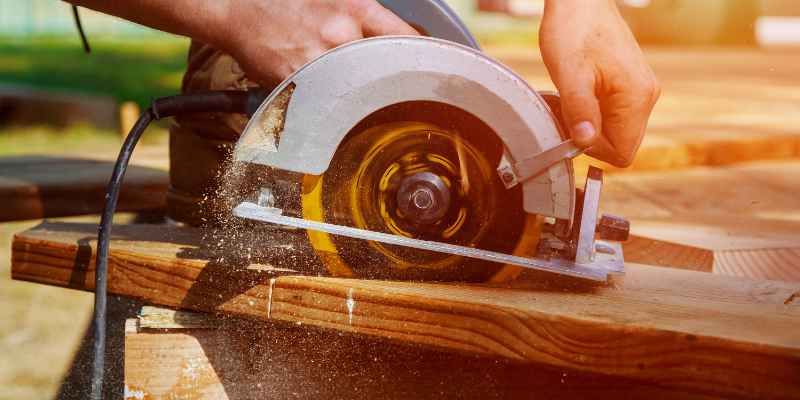
The main parts of a circular saw include the blade, motor, base plate, and safety guard. The blade cuts through materials, while the motor powers the saw. The base plate stabilizes the saw during operation, and the safety guard protects users from accidental contact with the blade.
How Does A Circular Saw Blade Work?
A circular saw blade works by rotating rapidly to cut through various materials. The teeth on the blade are designed for specific tasks, such as ripping or cross-cutting. When the saw is powered on, the blade spins, allowing it to slice through wood, metal, or plastic efficiently.
What Safety Features Are On Circular Saws?
Circular saws come equipped with several safety features, including blade guards, electric brakes, and safety switches. The blade guard covers the blade when not in use. Electric brakes stop the blade quickly, and safety switches prevent accidental starts. These features enhance user protection during operation.
How Do I Maintain My Circular Saw?
To maintain your circular saw, regularly check the blade for damage and replace it if needed. Keep the saw clean by removing dust and debris after each use. Additionally, lubricate moving parts and ensure electrical components are functioning properly. Regular maintenance extends the life of your saw.
Conclusion
Understanding circular saw parts is essential for effective use and maintenance. Each component plays a crucial role in performance and safety. Proper knowledge helps you make informed decisions when purchasing or replacing parts. Invest time in learning about these components, and enhance your woodworking skills significantly.
Your projects will thank you!