Circular Saw Vs Track Saw: Which One Should You Choose?
Choosing between a circular saw and a track saw can be tough. Both have unique features and benefits.
Understanding the differences is crucial for making the right decision. Whether you’re a professional woodworker or a DIY enthusiast, selecting the right tool can impact your project’s success. Circular saws are known for their versatility and portability, making them a common choice for many tasks.
On the other hand, track saws are celebrated for their precision and straight cuts, ideal for more detailed work. In this blog post, we will explore the key differences between these two tools. This will help you determine which saw best suits your needs and projects. Let’s dive into the comparison to help you make an informed choice.
Circular Saw Basics
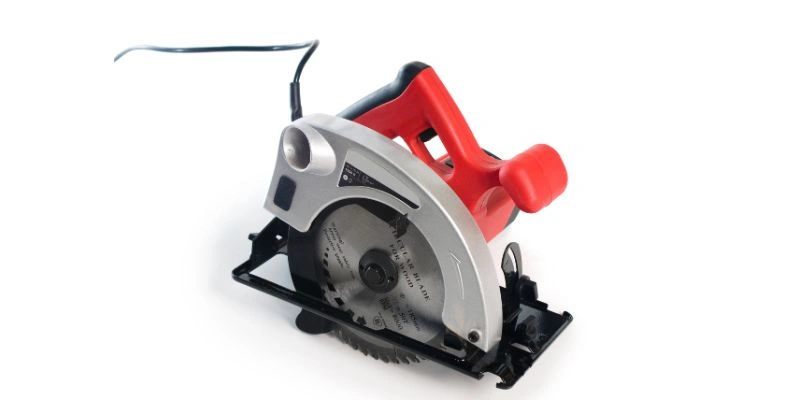
Ah, the circular saw! A staple in any DIY enthusiast’s toolkit. It’s like the Swiss Army knife of saws. Compact, versatile, and powerful, the circular saw can tackle a variety of cutting tasks with ease. But what exactly makes it so special? Let’s dive into the essentials of this handy tool.
Features
The circular saw comes with a range of features that make it a must-have for any woodworking project:
- Blade Size: Typically, circular saws have blades ranging from 5 1/2 to 7 1/4 inches. The size of the blade determines the depth of the cut.
- Motor Power: The power of the motor is measured in amps. A 15-amp motor is quite common, providing the strength needed for most cutting tasks.
- Bevel Capacity: Many circular saws offer bevel adjustments, allowing you to make angled cuts up to 45 degrees or more.
- Ergonomics: Modern circular saws are designed with comfort in mind. Features like rubberized grips and well-balanced bodies make them easier to handle.
Common Uses
So, when do you reach for a circular saw? Here are some of the most common applications:
- Cross-Cutting: Need to cut across the grain of the wood? A circular saw makes quick work of cross-cuts.
- Rip Cuts: For cutting along the length of the wood, a circular saw is your go-to tool. It’s perfect for trimming down large sheets of plywood.
- Bevel Cuts: Thanks to the bevel adjustment feature, you can make precise angled cuts for projects like picture frames or furniture.
- Plunge Cuts: A circular saw can also make plunge cuts, which are useful for creating openings in the middle of a piece of wood.
Whether you’re building a deck, crafting a bookshelf, or simply cutting down lumber to size, the circular saw is a versatile ally. Remember, it’s not just about owning the tool; it’s about knowing how to wield it effectively. So, ready to make some sawdust?

Track Saw Basics
When it comes to precision cutting, the track saw is a game-changer. This tool, also known as a plunge saw, offers a level of accuracy and ease that traditional circular saws often struggle to match. Whether you’re a hobbyist woodworker or a professional craftsman, understanding the basics of a track saw can elevate your projects to new heights. Let’s dive into the features and common uses of this versatile tool.
Features
The track saw stands out with its unique features. Here’s what makes it special:
- Track System: The saw runs along a track, ensuring straight and precise cuts every time.
- Plunge Mechanism: Unlike circular saws, a track saw can plunge into the material, allowing for starting cuts in the middle of a piece.
- Dust Collection: Many track saws come with built-in dust collection systems, keeping your workspace cleaner.
- Adjustable Depth: You can easily control the depth of the cut, making it versatile for different projects.
Common Uses
Track saws are incredibly versatile and are used in a variety of projects. Here are some common applications:
- Sheet Goods: Cutting large sheets of plywood or MDF is a breeze with a track saw. The track ensures a perfectly straight cut, eliminating the need for a table saw.
- Cabinetry: For precise cuts needed in cabinet making, the track saw is invaluable. The clean edges and accuracy help in creating professional-quality cabinets.
- Flooring: Need to trim a bit off the edge of a floorboard? The plunge feature of a track saw allows you to do this without damaging the rest of the board.
- Doors and Windows: Making precise cuts for door and window installations is another area where track saws excel. The ability to control depth ensures you don’t cut too deep.
In conclusion, a track saw can be a valuable addition to your toolkit, offering precision, ease of use, and versatility. Whether you’re tackling large sheets of material or need a clean edge on a new kitchen cabinet, a track saw has got you covered.
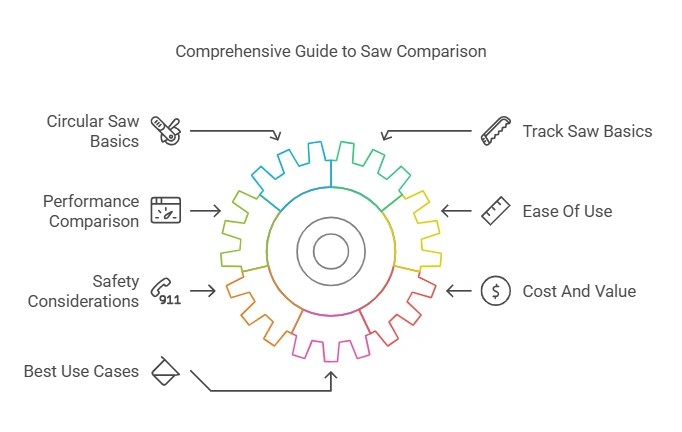
Performance Comparison
Comparing the performance of a circular saw and a track saw is essential. Each tool has its strengths. Understanding these differences can help you choose the right tool for your needs.
Accuracy
Circular saws offer good accuracy for general cuts. However, they require a steady hand. This can lead to slight deviations. Track saws, on the other hand, excel in precision. The track guides the blade. This ensures straight and clean cuts every time.
Speed
Speed is another important factor. Circular saws are fast. They can make quick cuts on the go. This makes them ideal for rough work. Track saws are also fast but in a different way. They excel in making long, straight cuts quickly. The setup might take a little longer. But the cutting process is smooth and efficient.
Ease Of Use
Choosing the right saw can be a daunting task. Ease of use is a key factor to consider. Circular saws and track saws offer different experiences in this regard.
Setup And Operation
Circular saws are straightforward to set up. Attach the blade, plug it in, and you’re ready. They are intuitive for most users, even beginners. You can start cutting almost immediately.
Track saws require a bit more preparation. You need to align the track with your cut line first. This extra step ensures precision. It can take a bit longer to get started. But, the results are often worth the effort.
Portability
Circular saws are generally lighter. They are easy to carry around. Their compact size makes them ideal for quick jobs. You can easily transport them from one location to another.
Track saws are bulkier. The track adds to the weight and size. Moving them can be less convenient. They are better suited for workshop use or larger projects.
Safety Considerations
When comparing circular saws and track saws, safety is a top priority. Both tools have their unique features and handling methods. Understanding these can help you stay safe while working.
Safety Features
Circular saws come with blade guards to protect your hands. These guards retract when you start cutting. Track saws often include anti-kickback features. This helps prevent the saw from jerking back during a cut. Both saws may have electric brakes. This feature stops the blade quickly after you release the trigger.
Handling Tips
Always use both hands when operating a circular saw. Keep your fingers away from the blade. Wear safety goggles to protect your eyes from debris. For track saws, ensure the track is secure before cutting. This prevents slipping and ensures a straight cut. Always check the blade before starting. A dull blade can cause accidents. Wear hearing protection to guard against loud noise.
Cost And Value
When choosing between a circular saw and a track saw, understanding the cost and value is essential. Both tools have their unique advantages. But the price and long-term value can influence your decision. Let’s dive into the cost aspects of these two saws.
Initial Investment
A circular saw generally has a lower upfront cost. You can find basic models for as low as $50. Higher-end models with more features may cost up to $200. This makes circular saws accessible for beginners and hobbyists.
Track saws tend to be more expensive. Entry-level models start around $300. Professional-grade track saws can exceed $800. The higher price reflects the precision and additional features they offer. Investing in a track saw may be worthwhile for professional use.
Long-term Value
While circular saws are cheaper initially, they may require more maintenance over time. Blade replacements, repairs, and possible upgrades add to the long-term cost. Their affordability makes them a popular choice, but they may not last as long as track saws.
Track saws offer greater long-term value for serious woodworkers. Their precision and durability often mean fewer repairs and replacements. The initial higher cost is balanced by their longevity and efficiency. They provide cleaner, straighter cuts, reducing waste and saving time.
Consider your specific needs and usage frequency. A circular saw may be enough for occasional use. But if you need precision and durability, a track saw is a better investment.
Best Use Cases
When it comes to choosing between a circular saw and a track saw, understanding their best use cases can make all the difference. These tools might seem similar, but they shine in different scenarios. Let’s dive into when you might reach for one over the other.
DIY Projects
If you’re a DIY enthusiast, a circular saw is often your best friend. Why? It’s versatile and can handle a range of tasks with ease. Whether you’re building a bookshelf or cutting plywood for a shed, a circular saw is up for the challenge.
- Portable: Circular saws are lightweight and easy to carry around.
- Cost-effective: They are generally more affordable than track saws.
- Multi-functional: Great for quick, rough cuts and general use.
Think of the circular saw as your go-to tool for most home improvement projects. It’s like the Swiss Army knife of power tools – handy and reliable.
Professional Applications
On the other hand, if you’re a professional woodworker or contractor, a track saw might be more up your alley. This tool is designed for precision and efficiency.
- Accuracy: Track saws provide straight, clean cuts every time.
- Dust Collection: They often come with superior dust management systems, keeping your workspace cleaner.
- Safety: The design reduces the risk of kickback, making it safer for continuous use.
For large projects or when exact cuts are essential, the track saw is unbeatable. Imagine needing to cut multiple sheets of plywood with perfect alignment – the track saw makes it a breeze.
In summary, the choice between a circular saw and a track saw boils down to your specific needs. For quick, varied tasks around the house, the circular saw is ideal. For precise, professional-grade work, the track saw is the better choice. Choose wisely, and happy cutting!
Frequently Asked Questions
Can Any Circular Saw Be Used As A Track Saw?
Not all circular saws can be used as track saws. Compatibility and modifications are often required. Verify before use.
What Makes A Track Saw Better Than A Circular Saw?
A track saw offers precise cuts, enhanced safety, and portability. Its guide rail ensures straight, splinter-free edges, outperforming a circular saw.
What Are The Disadvantages Of A Track Saw?
Track saws can be expensive. They require a flat surface for accurate cuts. Dust collection systems may be inadequate.
What Do You Use A Track Saw For?
A track saw is used for making precise, straight cuts in wood, plywood, and other materials. It’s ideal for long rip cuts.
Conclusion
Choosing between a circular saw and a track saw depends on your needs. Circular saws are versatile and great for general use. Track saws excel in precision and straight cuts. Think about your projects and skills. Both tools offer unique benefits.
Evaluate your budget and requirements. Make an informed choice based on your tasks. Happy woodworking!