Forrest Saw Blades vs. Freud: Are They Worth $166+?
Forrest Woodworker II blades cut cleaner than most competitors — but at $166 and up, they cost roughly double a big-box carbide blade. Skip the upgrade on a benchtop saw with a wobbly arbor and you’ll never see what Forrest’s hand-tensioned steel plate is built for. This guide compares Forrest to Freud and Infinity on price and sharpening life, breaks down which Forrest model fits which cut, and covers the mail-in sharpening service most buyers never use.
Quick Answer
Forrest Woodworker II blades ($166–$178) are worth it on cabinet-grade table saws that can exploit their C-4 micrograin carbide and hand-tensioned plate — expect up to 300% longer life between sharpenings than ordinary carbide. Freud Diablo and Infinity blades cut nearly as clean for 40–60% less and are the better pick for portable jobsite saws.
The Legacy of Forrest Saw Blades
Best All-Purpose Forrest Pick
Forrest Woodworker II 10″ 40T – $166.65
The combination-grind blade this guide’s “Choosing the Right Forrest Blade” section recommends as the default first purchase — handles ripping and crosscutting without a blade swap.
- Best for: General table saw work, ripping and crosscutting on one blade
- Why we picked it: Forrest’s best-selling, most-reviewed model (4.8★, 800+ ratings on Amazon)
- Main drawback: Nearly 3× the cost of a Freud Diablo combination blade
Compare more Forrest blade options
 Option 1 ChopMaster 12″ 80T – $223.99
|
 Option 2 Dado King 6″ Set – $368.05
|
 Option 3 Duraline Hi-A/T 10″ 80T – $241.95
|
As an Amazon Associate we earn from qualifying purchases.
Forrest Manufacturing has made circular saw blades and dado sets in Clifton, New Jersey since 1946 — nearly 80 years of building the same style of hand-tensioned steel-plate blade the company started with. That longevity is why Forrest shows up so often in “worth the price” debates on woodworking forums: the blades aren’t new, and the reputation is built on decades of repeat buyers, not a marketing push.
A Tradition of Quality
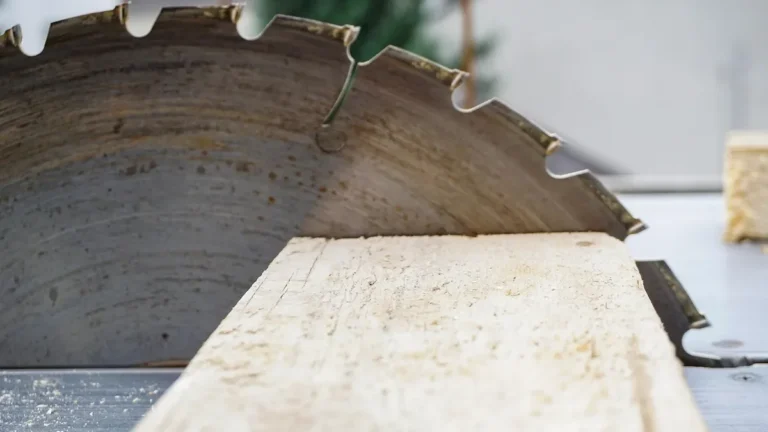
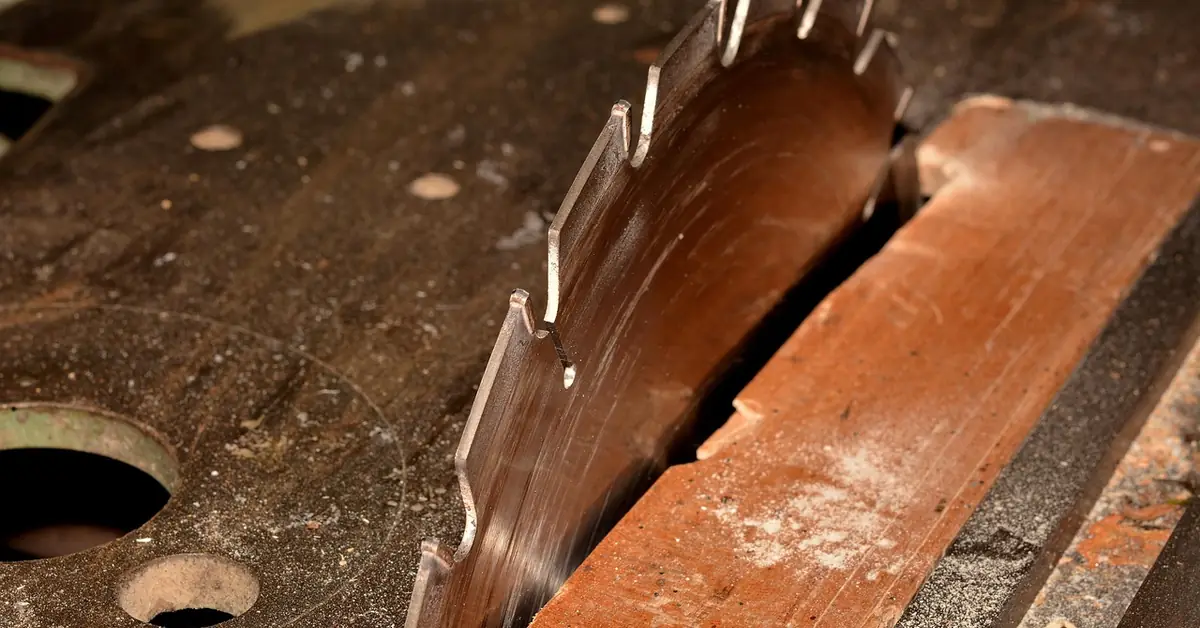
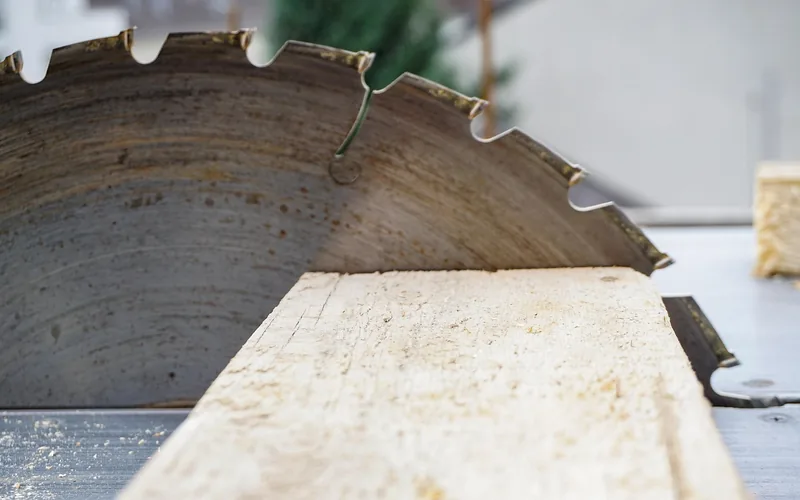
Every Forrest blade is hand-tensioned — a technician physically flexes the steel plate to counteract the distortion that happens at operating RPM, a step most mass-produced blades skip entirely. Combined with a carbide tooth designed to resist deflection, this is what lets a Forrest blade rip and crosscut without the wandering cut line that causes tear-out on the exit side of a board.
Made in the USA
Forrest blades and dado sets are manufactured in the company’s own New Jersey facility, not assembled from imported components. Keeping production in-house is also what makes the mail-in sharpening service possible — the same shop that cut the teeth also re-grinds them to the original specification.
Choosing the Right Forrest Blade for Your Cut
Forrest doesn’t sell one universal blade — matching the model to the cut matters more with a $166+ blade than with a $30 one. The saw and blade type you’re already running narrows the choice fast.
- Woodworker II (crosscut/rip combination): the all-purpose pick for a table saw doing both ripping and crosscutting — a 30-degree ATB tooth grind that handles most general woodworking without a blade change.
- ChopMaster (crosscut only): an 80-tooth miter/chop-saw blade built for the cleanest possible crosscut on trim and cabinet parts — not designed for ripping.
- Duraline Hi-A/T (melamine/plywood): a higher tooth count (80T) with a modified grind for chip-out control on veneered plywood, melamine, and laminate.
- Dado King (dado sets): a stacked carbide set for grooves and rabbets, sold separately from the single-blade line above.
If you’re deciding between a dedicated crosscut blade and a combination blade in general, the tooth-count breakdown in our plywood blade comparison covers the same ATB-grind logic Forrest uses on the Duraline.
Forrest vs. Freud vs. Infinity: Is the Price Worth It?
This is the comparison Forrest’s own marketing won’t run for you. Freud and Infinity both use similar micrograin carbide and undercut Forrest on price — the real question is whether the sharpening life and hand-tensioning are worth the gap.
| Brand / Line | 10″ 40T street price | Plate tensioning | Best for |
|---|---|---|---|
| Forrest Woodworker II | $166–$178 | Hand-tensioned | Cabinet-grade table saws, repeat sharpening over years |
| Freud Diablo D1040X | $40–$55 | Machine-tensioned | Jobsite/portable saws, budget-conscious shops |
| Infinity Super General | $70–$90 | Machine-tensioned, laser-cut plate | Mid-range shops wanting near-Forrest finish for less |
Woodworking forum threads on this exact question (LumberJocks, FineWoodworking) land in the same place repeatedly: Forrest wins on cut quality and blade life on a saw that can actually hold a true arbor, but Infinity is the better dollar-for-dollar pick for most home shops, and Freud’s Diablo line is hard to beat on a jobsite saw that already can’t hold Forrest-level tolerances.
📊 Forrest blades are made from C-4 micrograin carbide, rated for up to 300% longer life between sharpenings than ordinary carbide blades. — Source: Highland Woodworking, Forrest Saw Blades product page
Forrest Blades in Action
Forrest blades show up disproportionately often in cabinet shops and fine-furniture workshops, where a clean cut off the saw means less sanding and fewer tear-out repairs before glue-up. On a well-tuned table saw, a Woodworker II leaves a rip cut smooth enough to glue directly, without a pass over the jointer first.
“Forrest saw blades are one of those rare products where expectation is far exceeded.”
Where Forrest Falls Short
A Forrest blade won’t fix a saw with a bent arbor, worn bearings, or a warped throat plate — the hand-tensioning only pays off when the rest of the saw is already dialed in. On a portable jobsite saw, the extra cost buys less visible benefit than it does on a cabinet saw with a solid trunnion.
Caring for Your Blades & the Sharpening Service
Wipe pitch and resin buildup off the plate and teeth after use with a blade-and-bit cleaner or mineral spirits — buildup increases friction, heat, and burning on the next cut. Store blades in individual sleeves or a rack, not stacked loose in a drawer where the teeth can nick each other.
When a blade starts burning wood or leaving visible saw marks instead of a clean cut, it’s dull, not damaged — that’s the resharpening trigger, not a reason to replace it. Forrest runs its own mail-in sharpening service: pack the blade with the shipping form from forrestblades.com, and the same shop that ground the original teeth restores them to factory geometry rather than a generic re-grind. Turnaround is typically 1–2 weeks; budget for return shipping in addition to the sharpening fee, which Forrest quotes per blade at checkout since it varies by tooth count and diameter.
Where to Buy Forrest Blades
Buy from an authorized dealer to guarantee you’re getting a genuine, currently-manufactured blade rather than old stock. Authorized dealers include Highland Woodworking, Rockler, Acme Tools, Woodcraft, and Forrest’s own site at forrestblades.com — prices vary by model and retailer, so compare the exact blade (diameter, tooth count, kerf) rather than the brand name alone.
On Amazon, the Woodworker II 10″ 40-tooth currently runs about $166 with Prime shipping (verified live at publish time) — check current stock and price before ordering, since Forrest inventory on third-party marketplaces fluctuates more than at the authorized dealers above.
Frequently Asked Questions
Where are Forrest saw blades made?
Forrest saw blades are manufactured in Clifton, New Jersey, where the company has made circular saw blades and dado sets since 1946. Production, hand-tensioning, and the mail-in sharpening service all happen at the same facility.
Are Forrest saw blades worth the price?
Yes, for a cabinet-grade table saw with a true arbor and fence — the C-4 micrograin carbide and hand-tensioned plate deliver up to 300% longer life between sharpenings than ordinary carbide blades. On a portable jobsite saw, a Freud Diablo or Infinity blade delivers most of the cut quality for 40–60% less.
How long do Forrest blades last between sharpenings?
Forrest’s C-4 micrograin carbide is rated for up to 300% longer life between sharpenings than ordinary carbide blades, according to Forrest’s own published specs. Actual life still depends on material — ripping abrasive MDF or plywood dulls any blade faster than clean hardwood.
What is Forrest’s most popular blade?
The Woodworker II is Forrest’s best-selling and most-reviewed blade — a 40-tooth combination grind that handles both ripping and crosscutting on a table saw without a blade change, which is why it’s the default recommendation for a first Forrest purchase.
Does Forrest make blades for saws other than table saws?
Yes — Forrest also makes the ChopMaster line for miter and chop saws, plus the Duraline Hi-A/T for plywood and melamine and stacked Dado King sets for grooves and rabbets. Forrest does not currently make jigsaw or reciprocating-saw blades; its product line is limited to circular saw blades and dado sets.
Conclusion
Forrest earns its price on a cabinet-grade table saw that’s already tuned to hold a true cut — the hand-tensioned plate and C-4 carbide pay off over years of resharpening, not on the first cut alone. If your saw is a portable jobsite model, put the savings toward a Freud Diablo or Infinity blade instead and spend the difference on getting the fence and arbor trued up first.
Sponsored / affiliate links. As an Amazon Associate I earn from qualifying purchases. I may earn additional commission from eligible campaigns.