Circular Saw vs Miter Saw: Which Do You Actually Need?
Choosing the right saw can make a big difference in your woodworking projects. You might be wondering whether a circular saw or a miter saw is the better choice for your needs.
Each tool has its strengths, and understanding these can save you time, effort, and money. You’ll discover which saw fits your style and tasks perfectly. By the end, you’ll feel confident making the right decision for your next project. Keep reading to unlock the key differences and find the saw that works best for you.
Circular Saw Basics
Best Entry-Level Pick
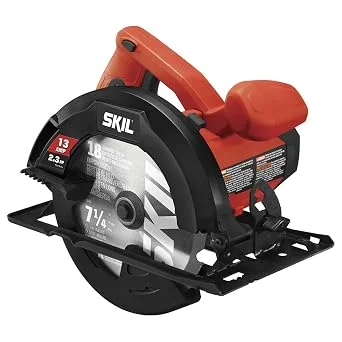 |
Skil 5080-01 13-Amp 7-1/4in Circular Saw – $36.68 If you’re only buying one saw to start, this is the affordable, versatile pick the article itself points toward – straight cuts on big boards, rip cuts, and general framing work.
|
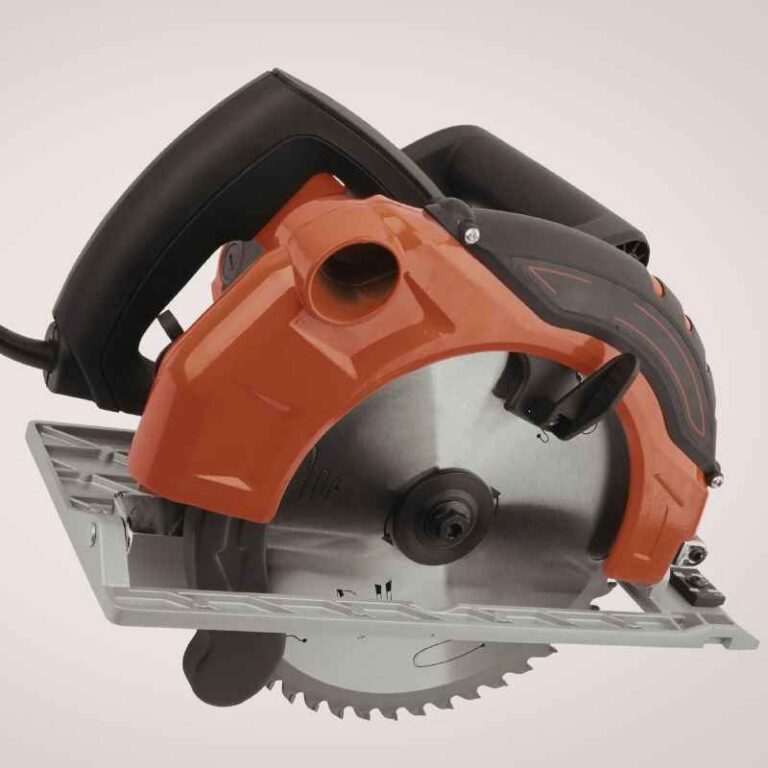
The circular saw is a popular power tool used in many woodworking and construction tasks. It uses a round blade that spins fast to cut through different materials. Understanding its basics helps you choose the right tool for your needs and get the best results.
This section explains the key features, common uses, and blade types of circular saws. These points make it easier to compare circular saws with miter saws later.
Key Features
Circular saws have a round, rotating blade powered by electricity. They are handheld and portable, making them easy to move around. Most models have adjustable blade depth and angle for different cuts. The motor size varies but usually offers enough power for wood and light metal. Safety guards cover the blade to protect users during operation.
Common Uses
Circular saws cut wood, plywood, and plastic sheets easily. They work well for straight cuts and rip cuts along the grain. Many users cut lumber, trim boards, and panels with them. They also handle some metal cutting with the right blade. Their portability suits job sites and home projects alike.
Blade Types
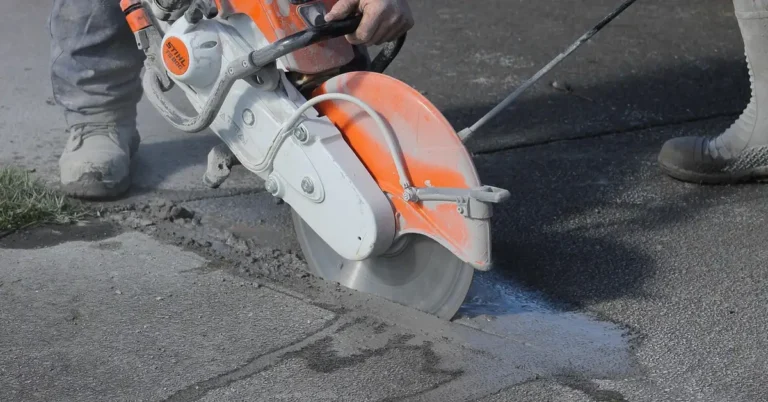
The blade choice depends on the material and cut type. Wood blades have many teeth for smooth cuts. Metal blades have fewer, stronger teeth to cut metal sheets. There are also blades for masonry, like concrete and brick. Blade size usually ranges from 5 to 7.25 inches. Using the correct blade improves cut quality and blade life.
Miter Saw Essentials
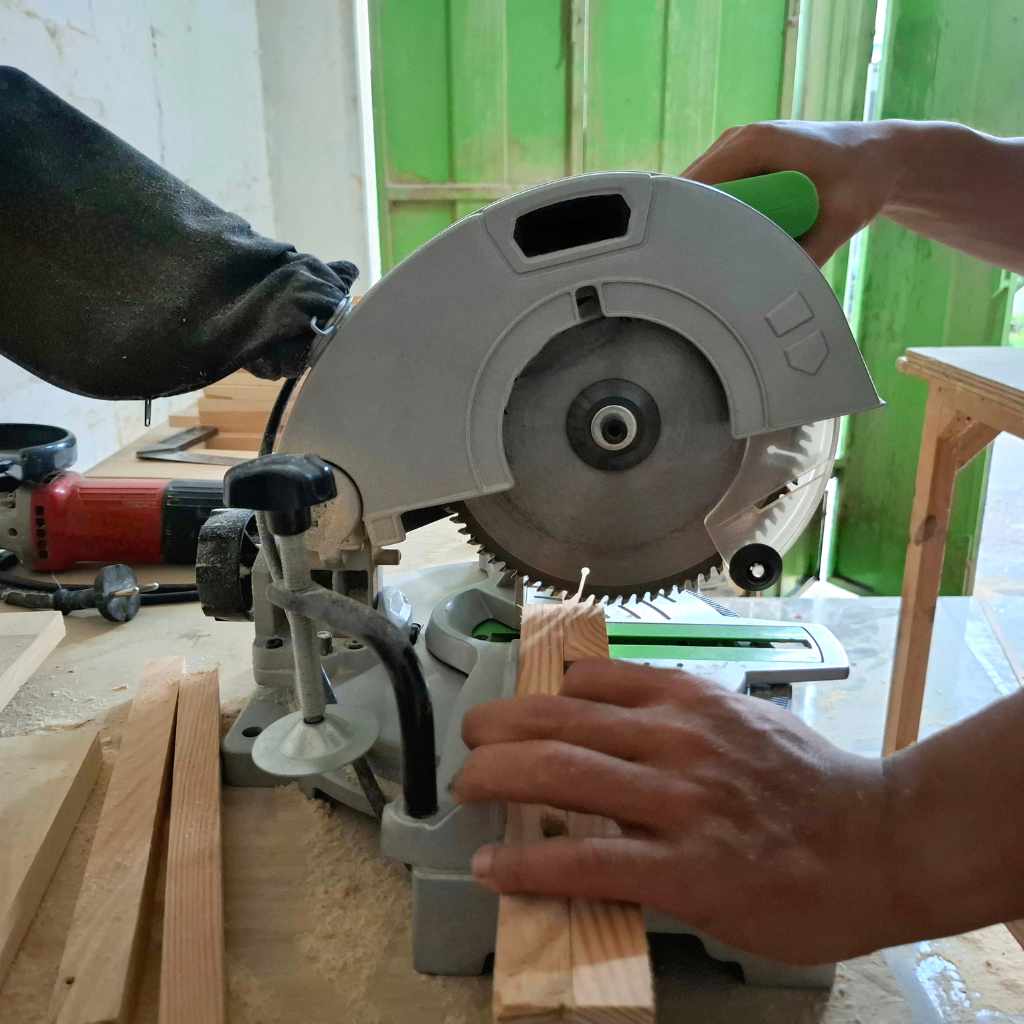
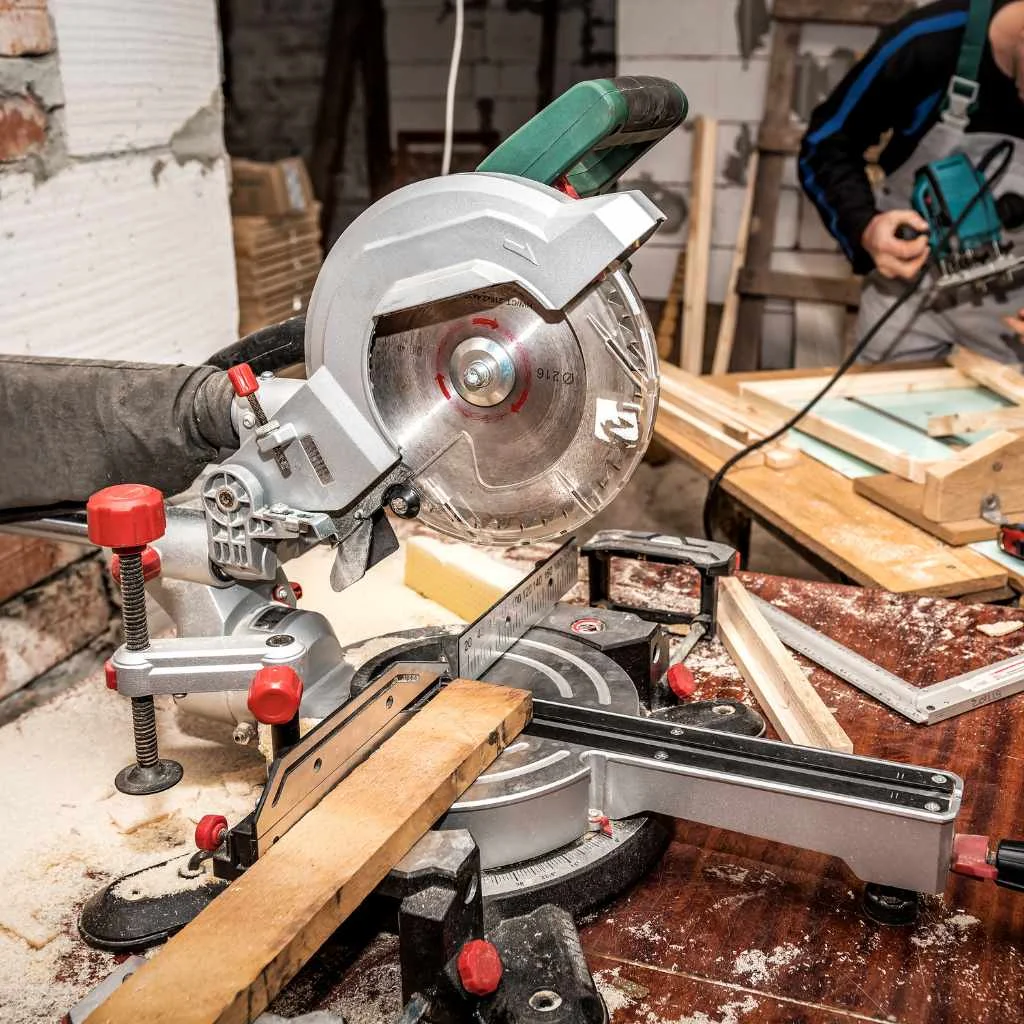
A miter saw is a power tool designed to make precise angled cuts. It is popular among woodworkers and DIY enthusiasts. The saw helps create clean crosscuts and miter cuts quickly and accurately.
Understanding the key parts and uses of a miter saw makes choosing the right tool easier. Knowing the blade types helps match the saw to your project needs.
Core Components
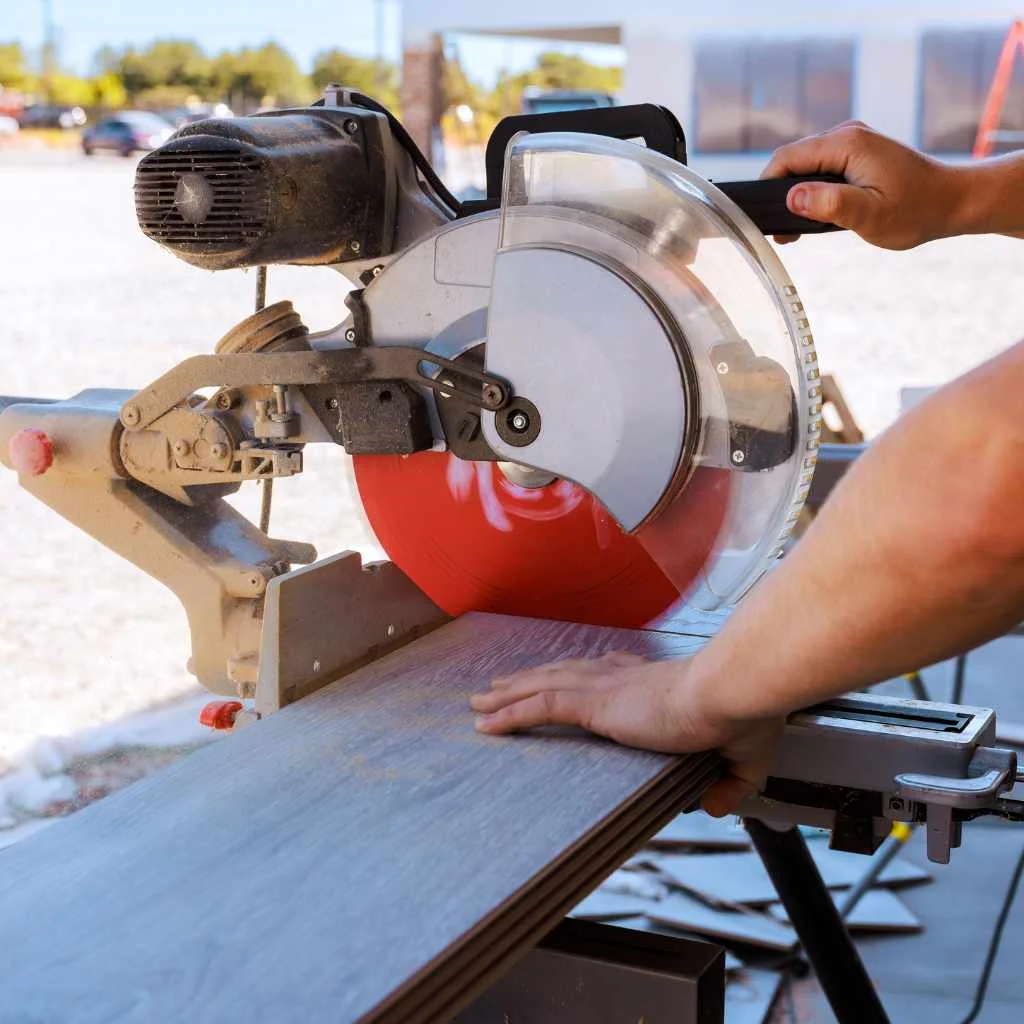
The motor drives the blade to cut through materials. A circular blade spins at high speed for smooth cuts. The base supports the workpiece and often has angle guides. The fence holds the wood steady during cutting. A handle controls the blade movement safely. The bevel adjustment allows tilting the blade for angled cuts.
Typical Applications
Miter saws are ideal for cutting wood trim, molding, and framing pieces. They work well for furniture making and home renovation. Cutting angles for picture frames or door casings is easier with a miter saw. They save time and improve accuracy compared to hand saws.
Blade Varieties
Blades come in different sizes, teeth counts, and materials. A 10 or 12-inch blade is common for most miter saws. More teeth on a blade give smoother cuts but cut slower. Carbide-tipped blades last longer and stay sharp. Specialized blades cut metal or plastic in some models.
Cutting Precision
Cutting precision is a key factor in choosing between a circular saw and a miter saw. Each tool offers different levels of accuracy depending on the type of cut. Understanding how each saw performs helps you pick the right one for your project. Precise cuts save time and improve the finish of your work.
Straight Cuts
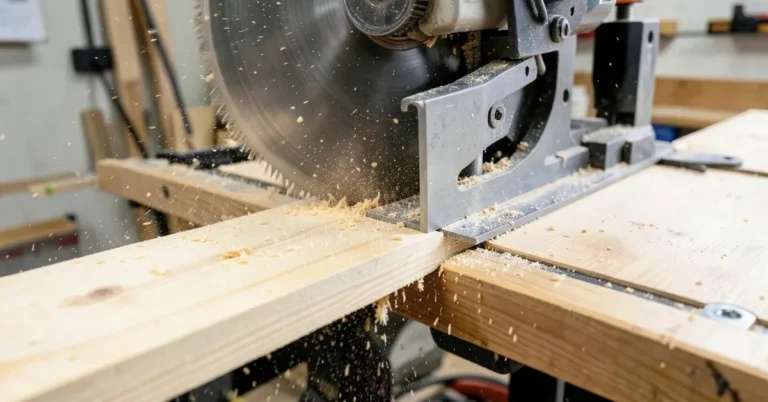
Circular saws excel at long, straight cuts on large boards. They are portable and can handle various materials. However, the blade can wander if not guided properly. Miter saws provide very straight cuts but are limited to smaller pieces. Their fixed base keeps the blade steady, ensuring clean, straight edges.
Angled Cuts
Miter saws are designed for accurate angled cuts. They have built-in angle adjustments for quick settings. Circular saws can make angled cuts but require careful measurement and skill. The chance of error is higher with circular saws on angled cuts. Miter saws offer repeatable and consistent results for angles.
Bevel Cuts
Bevel cuts tilt the blade to cut edges at an angle. Miter saws provide easy bevel adjustments with clear markings. Circular saws can do bevel cuts but need manual blade tilt and steady hands. Miter saws give more control and cleaner bevel edges. They are preferred for projects needing precise bevel cuts.
Portability And Setup
Portability and setup play key roles in choosing between a circular saw and a miter saw. These factors affect how easy it is to carry, move, and start working with the tool. A saw that is easy to move and quick to set up saves time and effort on any project.
Weight And Size
Circular saws are usually lighter and smaller. They fit easily into a toolbox or bag. This makes them good for jobs in tight spaces or far from a workshop. Miter saws tend to be bigger and heavier. They need a flat surface to rest on and are not easy to carry around.
Ease Of Use
Circular saws start quickly and cut with one hand. They require less effort to position. Miter saws need a stable base and often two hands to operate. Setting the angle and fence can take time but helps make precise cuts.
Workspace Requirements
Circular saws work well in small or cluttered areas. They need only a flat surface to guide the cut. Miter saws need a wide, clear workspace. The blade swings down and back, so space is essential for safety and accuracy.
Safety Considerations
Safety is a top priority when using circular and miter saws. Both tools can cause serious injuries without proper care. Understanding key safety points helps reduce risks and keeps users protected.
Protective Features
Both saw types include safety features to protect users. Blade guards cover the blade when not cutting. Some models have electric brakes to stop the blade quickly. Safety switches prevent accidental starts. These features lower the chance of accidents.
User Precautions
Wear safety goggles and ear protection every time. Keep hands away from the blade path. Use clamps to hold the wood steady. Avoid loose clothing or jewelry near the saw. Always check the blade for damage before use. Follow the tool’s instructions carefully for safe operation.
Cost And Maintenance
Choosing between a circular saw and a miter saw affects your budget and maintenance efforts. Each tool has different costs upfront and over time. Understanding these factors helps you decide which fits your needs best.
Initial Investment
Circular saws usually cost less than miter saws. Basic models start around $50 to $100. Miter saws often begin near $150 and go higher. The price difference reflects their design and cutting precision. Consider how often you will use the saw. A higher price may be worth it for frequent use.
Blade Replacement
Blade costs vary between saw types. Circular saw blades are cheaper and easier to replace. They cost around $15 to $40 each. Miter saw blades tend to be larger and more expensive. Expect to pay $40 to $80 for a good quality blade. Regular blade changes keep cuts clean and safe.
Long-term Upkeep
Both saws need routine care to last long. Circular saws require cleaning and blade checks after each use. Miter saws need blade sharpening and hinge lubrication. Keeping parts free from dust prevents damage. Regular maintenance avoids costly repairs later.
Choosing The Right Saw
Selecting between a circular saw and a miter saw depends on your needs. Each saw suits different tasks and users. Knowing which one fits your project saves time and effort.
Consider what kind of cuts you need and your skill level. Budget is also important. These factors help you choose the right tool.
Project Types
Circular saws cut straight lines on large boards or sheets. They work well for framing and rough cuts. Miter saws excel at angled cuts and trim work. They create precise, clean edges for molding and frames. Choose based on the shape and detail your project needs.
Skill Levels
Circular saws require steady hands and experience. They can be tricky for beginners to control. Miter saws offer more stability and easier operation. They suit those new to woodworking or DIY tasks. Match the saw to your comfort with tools.
Budget Factors
Circular saws are usually more affordable and versatile. They suit many jobs without extra costs. Miter saws tend to cost more but offer precision. Consider how often you will use the saw. Balance price with the value you get.
Frequently Asked Questions
What Is The Main Difference Between Circular And Miter Saws?
A circular saw is handheld and versatile for straight cuts. A miter saw is stationary, designed for precise angled cuts and crosscuts.
Which Saw Is Better For Woodworking Projects?
Miter saws provide accuracy for detailed woodworking. Circular saws offer portability and are suitable for rough cuts and large materials.
Can A Circular Saw Make Miter Cuts?
Yes, but it requires skill and a guide. Miter saws are specifically designed for easy, precise miter cuts.
Are Miter Saws More Expensive Than Circular Saws?
Generally, miter saws cost more due to their precision and features. Circular saws are usually more affordable and versatile.
Conclusion
Choosing between a circular saw and a miter saw depends on your needs. Circular saws cut straight and are good for big boards. Miter saws make angled cuts and work well for frames. Both saws have strong points for different jobs.
Think about the type of work you do most. This helps pick the right saw for your projects. A good saw makes cutting easier and safer. Use the saw that fits your work style best. Simple and smart choices lead to better results.
Sponsored / affiliate links. As an Amazon Associate I earn from qualifying purchases. I may earn additional commission from eligible campaigns.