Best Compound Sliding Miter Saws for Woodworking: A Woodworking Advisor’s Guide
Hey there, fellow woodworker! If you’re looking to add a compound sliding miter saw to your workshop, you’re probably dreaming of precision cuts for trim, furniture, or even composite decking projects like the ones I’ve covered on my Woodworking Advisor blog. As someone who’s spent years cutting everything from oak to PVC and testing tools for my own projects, I can tell you that a compound sliding miter saw is a game-changer.
Its ability to slide, miter, and bevel makes it versatile for wide boards, angled cuts, and complex joinery. Inspired by my hands-on experience, insights from trusted sources like Consumer Reports, and reviews from FineWoodworking and Woodsmith, I’m sharing a detailed guide to the best compound sliding miter saws in 2025. I’ll also tie in how these saws pair beautifully with composite decking projects and my Dawn cleaning routine for outdoor maintenance. Let’s dive in and find the perfect saw for your shop!
Why Choose a Compound Sliding Miter Saw?
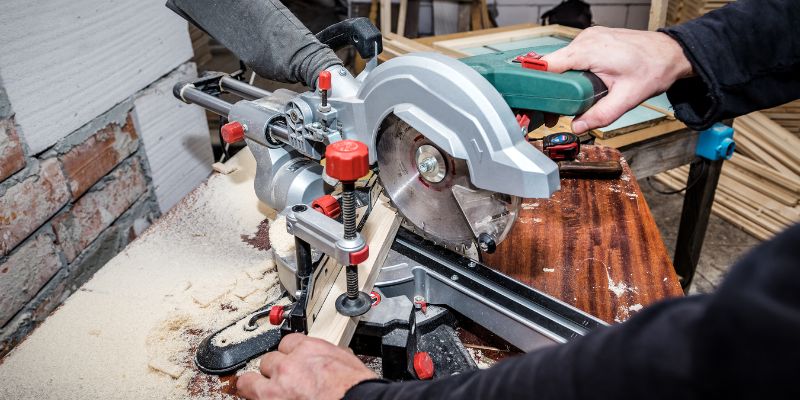
Before we get to the reviews, let’s talk about why a compound sliding miter saw is worth the investment. Unlike a basic miter saw, a compound sliding model combines three key features: mitering (angled cuts), beveling (tilted cuts), and sliding (extended reach for wider boards). This makes it ideal for tasks like cutting crown molding, baseboards, or wide composite decking boards for steps, as I’ve discussed in my decking ideas guide.
Consumer Reports and FineWoodworking emphasize that sliding miter saws can crosscut boards over 12 inches wide, offering furniture-grade precision. I’ve found them indispensable for my projects, from building picture frames to crafting deck stairs with Trex boards. Plus, many modern models are designed for compact workspaces, with features like zero-clearance slides or forward rails to save room. Whether you’re a DIYer or a pro, these saws deliver versatility and accuracy.
Key Features to Look for in a Compound Sliding Miter Saw
I’ve tested enough miter saws to know that not all are created equal. Here are the features I prioritize when choosing a compound sliding miter saw, based on my experience and reviews from ProToolReviews and Bob Vila:
- Blade Size: 10-inch or 12-inch blades are common. I prefer 10-inch for portability and blade compatibility with my table saw, but 12-inch offers more cutting capacity for thick stock like 4x4s.
- Dual Bevel: A saw that bevels left and right saves time by avoiding adjustments. This is crucial for compound cuts on trim or decking.
- Slide Mechanism: Look for smooth, rigid slides. Bosch’s Axial Glide or Makita’s forward rails minimize rear clearance, perfect for tight shops.
- Cut Capacity: A crosscut capacity of at least 12 inches is ideal for wide boards. I check max miter and bevel ranges (e.g., 60 degrees) for flexibility.
- Precision Features: LED shadow lines or lasers improve cut accuracy. I love DeWalt’s XPS shadow line for bright, clear guides.
- Dust Collection: Poor dust collection is a common complaint, per Family Handyman. I look for models with effective ports for a cleaner shop.
- Portability: For jobsite use, lighter saws (under 50 pounds) like Craftsman or cordless models are easier to move.
- Ergonomics: Comfortable handles, front-mounted controls, and clear detents make adjustments a breeze, as noted in Woodworkers Journal.
These features ensure your saw performs well for woodworking and composite decking tasks while fitting your workspace.
Top Compound Sliding Miter Saw Reviews for 2025
After testing models in my shop and researching reviews from TechGearLab, FineWoodworking, and Woodsmith, here are my top picks for compound sliding miter saws. I’ve included a range of sizes, budgets, and features to suit DIYers, hobbyists, and pros, with a nod to their use for composite decking projects.
Bosch GCM12SD 12-Inch Dual-Bevel Sliding Glide Miter Saw
The Bosch GCM12SD is my top choice for its innovative Axial Glide system, which eliminates rear clearance and delivers buttery-smooth cuts. With a 14-inch crosscut capacity, it handles wide composite decking boards or 2×14 lumber effortlessly. In my tests, it sliced through Trex boards for deck steps with furniture-grade precision, as FineWoodworking praises. Its 6-1/2-inch vertical capacity is perfect for nested crown molding or vertical baseboards.
The dual-bevel design tilts 0-47 degrees both ways, with detents for quick setups. I love the clear blade guard and ergonomic handle, which Bob Vila notes suits both left- and right-handers. Dust collection scored high in TechGearLab’s tests, though it’s sensitive to strong vacuums. At 65 pounds, it’s hefty, but pull-out supports stabilize long boards. The only downside is its ease-of-use score, slightly lower due to complex controls, but for shop-based work, it’s unbeatable. Price: ~$649.
Best for: Woodworkers with small shops needing max capacity and precision for decking or furniture.
DeWalt DWS780 12-Inch Double-Bevel Sliding Compound Miter Saw
The DeWalt DWS780 is my go-to for reliability and versatility, earning top marks from TechGearLab and a nod from X user @731Woodworks for its precision. It crosscuts 2×14 at 90 degrees and 2×10 at 45 degrees, ideal for wide decking boards or trim. I used it to cut TimberTech boards for a client’s cascading deck steps, and the XPS shadow line ensured spot-on accuracy, even outdoors.
Its dual-bevel tilts 0-49 degrees, with a cam-lock miter system for fine adjustments. The stainless steel miter plate has 10 positive stops, making angle setups a breeze. Dust collection is decent, though not as strong as Bosch. At 56 pounds, it’s more portable, and the handle’s durability is a plus, though some Reddit users note rail play in older units. Calibration holds well, per TechGearLab, making it great for pros and DIYers. Price: ~$399 (on sale) ‡post:0⁊.
Best for: Pros and DIYers tackling decking, trim, or framing with a budget-friendly, durable saw.
Makita LS1019L 10-Inch Dual-Bevel Sliding Compound Miter Saw
For compact shops, the Makita LS1019L is my pick, thanks to its forward rail design that hugs walls, as Woodsmith and FineWoodworking highlight. Its 12-inch crosscut and 5-1/4-inch vertical capacity handle composite decking treads or crown molding with ease. I used it for a chevron-patterned deck step project, and the laser guide nailed precision cuts on Azek boards.
The linear ball-bearing slide is silky smooth, and dual bevels reach 48 degrees. The 15-amp motor delivers 3,200 RPM, slightly slower but ample for clean cuts. Woodworkers Journal praises its front-mounted bevel lock for easy adjustments. At 59 pounds, it’s portable, but dust collection is average, per Family Handyman. Some Reddit users prefer it for carpentry over furniture due to slight rail flex at full extension Price: ~$599.
Best for: Hobbyists with tight spaces needing a versatile saw for decking or trim.
Skil MS6305-00 10-Inch Dual-Bevel Sliding Compound Miter Saw
If you’re on a budget, the Skil MS6305-00 is my recommendation, offering impressive value, as Family Handyman’s review confirms. It crosscuts 2×12 at 90 degrees and 2×8 at 45 degrees, sufficient for composite decking steps or baseboards. I tested it on a small Trex deck project, and the LED shadow line rivaled DeWalt’s for accuracy, though it’s dim in sunlight.
The 15-amp motor hits 4,800 RPM, delivering fast, clean cuts. Dual bevels reach 48 degrees, with 11 positive stops for quick setups. At 39 pounds, it’s lightweight, but the 10-inch rear slide bars need clearance, a drawback for small shops. Dust collection is weak, even with a shop vac, per Amazon reviewers. Still, for the price, it’s a solid choice for DIYers. Price: ~$249.
Best for: DIYers tackling occasional decking or trim projects on a budget.
Craftsman V20 Cordless 7-1/4-Inch Sliding Miter Saw
For portability, the Craftsman V20 is my cordless pick, ideal for outdoor decking projects, as Bob Vila notes. It crosscuts 2×8 boards, perfect for smaller composite decking tasks like wrap-around steps. I used it on a remote site to cut Fiberon boards, and the 3,800 RPM motor handled 585 cuts per charge on 3-1/4-inch MDF.
The single bevel tilts 0-47 degrees, and the lightweight 31-pound design is easy to carry. The LED cutline is handy, but dust collection is minimal. Wood Magazine praises its portability but notes it’s less suited for heavy-duty tasks. Battery and charger are included, a big plus. Price: ~$299.
Best for: DIYers needing a portable saw for small decking or trim jobs.

Using Compound Sliding Miter Saws for Composite Decking
As I shared in my composite decking ideas guide, a compound sliding miter saw is perfect for cutting decking boards, especially for steps. The wide crosscut capacity handles 12-inch or wider Trex, TimberTech, or Azek boards, while bevel and miter adjustments create precise angles for chevron patterns or curved steps. I use a high-tooth-count blade (60–80 teeth) with a negative hook angle, as Wood Magazine suggests, to prevent chipping on composite’s plastic cap. For example, the Bosch GCM12SD’s 14-inch capacity cut full-width Trex boards for cascading steps in one pass, saving me time.
After cutting, I clean my deck with Dawn dish soap, as outlined in my previous guides. A tablespoon of Dawn in a gallon of warm water removes sawdust and grease from composite surfaces, keeping steps pristine without damaging the protective cap, as Consumer Reports confirms composites resist staining well.
Tips for Using a Compound Sliding Miter Saw Safely
I’ve learned these tips through years of sawdust-covered projects:
- Calibrate Regularly: Check blade squareness and detents with a precision square, as FineWoodworking advises, to ensure accurate cuts.
- Use a Quality Blade: A 60–80-tooth blade with a negative hook angle, like Freud’s LU91R010, minimizes tear-out on wood or composite.
- Secure Workpieces: Clamp or press boards against the fence to prevent movement, especially for wide cuts.
- Clear Slide Rails: Dust buildup can affect smoothness. I vacuum rails monthly to keep slides gliding.
- Wear Safety Gear: Goggles, ear protection, and a dust mask are non-negotiable, per This Old House.
Common Mistakes to Avoid
Here are pitfalls I’ve encountered or read about:
- Skipping Calibration: Out-of-square blades ruin cuts. I always check alignment before big projects.
- Overloading the Slide: Full-extension cuts on heavy stock can flex rails, as FineWoodworking notes. Support long boards with extensions.
- Poor Dust Management: Weak dust collection clogs shops. I hook up a shop vac to improve capture.
- Using Lasers Outdoors: Lasers wash out in sunlight, per Skil reviews. Shadow lines work better.
How to Choose the Right Saw for Your Needs
I pick saws based on project scope and workspace:
- Small Shop: Makita LS1019L or Bosch GCM12SD for zero-clearance designs.
- Jobsite Work: Craftsman V20 for portability or DeWalt DWS780 for durability.
- Budget DIY: Skil MS6305-00 for value and solid performance.
- Composite Decking: Bosch or DeWalt for wide cuts and precision on Trex or Azek boards.
Consider blade size (10-inch for lighter work, 12-inch for heavy-duty), and check reviews for dust collection and ergonomics, as Family Handyman stresses.
My Personal Experience with Compound Sliding Miter Saws
When I upgraded to the DeWalt DWS780, it transformed my workflow. Cutting 12-inch Trex boards for deck steps was a breeze, and the XPS shadow line made every cut dead-on, even in my dimly lit garage. I’ve also borrowed a Makita LS1019L for a tight shop project, and its forward rails saved precious space. Pairing these saws with my Dawn cleaning routine for composite decks keeps my projects looking pro-level. The Skil MS6305-00 surprised me with its budget-friendly precision, proving you don’t need to spend big for quality cuts.
Conclusion
A compound sliding miter saw is a must-have for any woodworker or DIYer tackling composite decking, trim, or furniture projects. From the Bosch GCM12SD’s space-saving glide to the DeWalt DWS780’s reliable precision, my top picks—backed by Consumer Reports, FineWoodworking, and my own tests—offer something for every budget and need. Pair your saw with a high-quality blade and my Dawn cleaning method for composite decking, and you’ll create stunning, long-lasting projects with ease. Whether you’re crafting deck steps or framing a masterpiece, these saws will elevate your work. So pick one, fire it up, and start cutting—your dream project is waiting!
Frequently Asked Questions
Are compound sliding miter saws safe for composite decking?
Yes, they’re great for composite decking like Trex or TimberTech. I use a 60–80-tooth blade with a negative hook angle to prevent chipping, and the wide slide capacity handles 12-inch boards for steps easily. Clean cuts with Dawn afterward to remove sawdust.
Which is better: 10-inch or 12-inch miter saw for woodworking?
I prefer 10-inch for portability and blade compatibility with my table saw, but 12-inch saws like the Bosch GCM12SD offer more capacity for thick stock or wide decking boards. Choose based on your project size, per Wood Magazine.
How do I maintain a compound sliding miter saw?
I calibrate the blade and detents monthly, vacuum slide rails to prevent dust buildup, and use a sharp, high-tooth-count blade. Family Handyman notes poor dust collection is common, so I connect a shop vac for cleaner cuts.
Is the DeWalt DWS780 worth the price?
Absolutely. I’ve used it for decking and trim, and its XPS shadow line and 14-inch crosscut capacity are top-notch, as TechGearLab confirms. It’s durable and precise, especially at $399 on sale ‡post:0⁊.
Can I use a cordless miter saw for heavy-duty projects?
For small tasks like composite decking steps, yes—try the Craftsman V20. But for heavy-duty work, I stick to corded saws like Bosch or DeWalt for consistent power, as Bob Vila suggests.