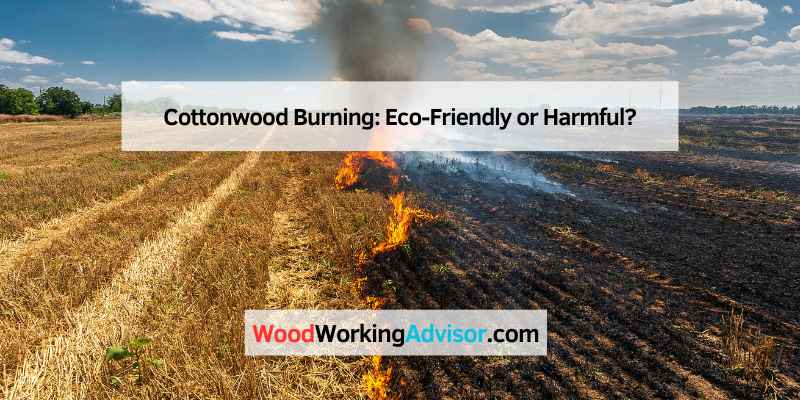
Cottonwood Burning: Eco-Friendly or Harmful?
Cottonwood burning refers to the act of using cottonwood trees as firewood. It produces a lot of smoke and can create a strong odor.
Cottonwood trees are widespread in North America, known for their rapid growth and soft wood. Many people consider them for firewood, but cottonwood burning has unique characteristics. The wood burns quickly, making it less suitable for long-lasting fires. It produces a significant amount of smoke, which can be an issue for nearby residents.
Some enjoy the aroma, while others find it overpowering. Understanding the pros and cons of using cottonwood as firewood can help homeowners make informed decisions. Proper preparation and storage can enhance its burning efficiency, providing a better experience for those who choose to use it.
The Cottonwood Conundrum
The Cottonwood Conundrum refers to the challenges of burning cottonwood trees. Cottonwood trees produce a lot of fluffy seeds. These seeds can create problems for those who try to burn them. Understanding cottonwood’s characteristics helps address these issues.
Characteristics Of Cottonwood
Cottonwood trees belong to the Populus genus. They grow quickly and can reach great heights. Here are some key features:
- Height: Up to 100 feet tall
- Bark: Thick, furrowed, and grayish-brown
- Leaves: Triangular and glossy
- Seeds: Light and fluffy, easily dispersed by wind
Cottonwood wood burns differently than other types. It can produce a lot of smoke and sparks. The high moisture content makes it harder to ignite. This can lead to frustrating burning experiences.
Traditional Uses And Cultural Significance
Cottonwood trees hold special meaning in many cultures. Native American tribes use cottonwood for various purposes:
- Medicine: Bark and leaves treat ailments.
- Crafts: Wood is used for making tools and art.
- Symbolism: Represents strength and resilience.
Many people cherish cottonwood for its beauty. It provides shade and shelter for wildlife. Understanding its significance can help appreciate its role in nature.
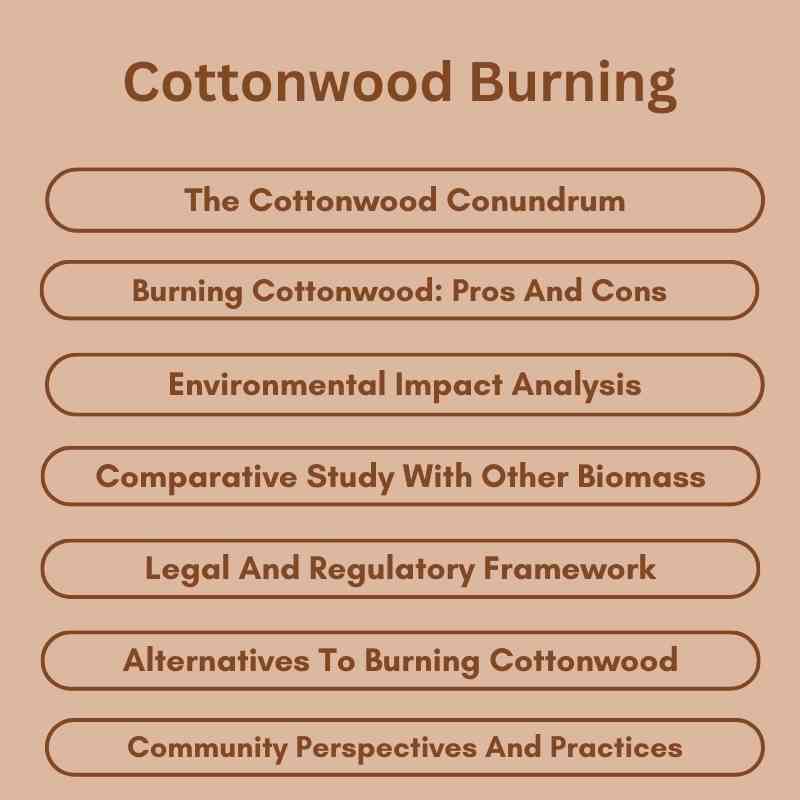
Burning Cottonwood: Pros And Cons
Cottonwood trees are common in many areas. Many people consider burning them as a fuel source. This section explores the benefits and drawbacks of using cottonwood for burning.
Benefits Of Cottonwood As A Fuel Source
Cottonwood offers several advantages as a fuel source:
- Rapid Growth: Cottonwood trees grow quickly. This makes them a renewable resource.
- Availability: They are commonly found in North America. This ensures easy access for many.
- Low Cost: Cottonwood is often cheaper than other woods. This makes it budget-friendly for heating.
- Lightweight: Cottonwood is easier to handle. It makes for simpler stacking and transportation.
- Good Heat Output: Cottonwood burns fairly hot. This helps in efficient heating.
Potential Drawbacks And Environmental Concerns
Despite the benefits, there are some drawbacks:
- High Moisture Content: Cottonwood can have more moisture. This leads to less efficient burning.
- Sparking: It tends to spark more than other woods. This can pose a fire hazard.
- Shorter Burn Time: Cottonwood burns faster. This means more frequent refueling.
- Smoke Production: It produces more smoke. This can affect air quality.
- Environmental Impact: Cutting down trees can harm local ecosystems. Careful management is necessary.
| Aspect | Benefits | Drawbacks |
|---|---|---|
| Growth Rate | Fast | Requires management |
| Cost | Low | Variable prices in some areas |
| Burn Time | Good heat | Shorter burn time |
| Environmental Impact | Common resource | May harm ecosystems |
Environmental Impact Analysis
The burning of cottonwood trees has various environmental impacts. Understanding these effects is crucial for promoting healthier ecosystems. This section focuses on emissions, air quality, soil, and water effects.
Emissions And Air Quality
Cottonwood burning releases several harmful emissions. These include:
- Carbon Dioxide (CO2): A greenhouse gas that contributes to global warming.
- Particulate Matter (PM): Tiny particles that can harm respiratory health.
- Volatile Organic Compounds (VOCs): These can lead to smog formation.
According to studies, cottonwood burning can significantly degrade air quality. Areas near burning sites often report:
| Pollutant | Impact |
|---|---|
| CO2 | Increases global warming |
| PM | Causes respiratory issues |
| VOCs | Contributes to smog |
Effects On Soil And Water
Burning cottonwood affects soil and water quality negatively. Key impacts include:
- Soil Erosion: Heat from burning can degrade soil structure.
- Nutrient Loss: Essential nutrients can be lost during burning.
- Water Quality: Ash can contaminate nearby water sources.
These changes can lead to:
- Reduced agricultural productivity.
- Increased runoff pollution.
Addressing these issues requires careful planning and management strategies.
Comparative Study With Other Biomass
Cottonwood burning offers unique benefits compared to other biomass sources. Understanding its efficiency and sustainability is crucial. This section explores how cottonwood stacks up against alternatives.
Burning Efficiency And Heat Output
Cottonwood has distinct characteristics that affect its burning efficiency. Here’s a quick comparison:
| Biomass Type | Burning Efficiency (%) | Heat Output (BTU/LB) |
|---|---|---|
| Cottonwood | 75 | 3,000 |
| Pine | 80 | 4,500 |
| Oak | 85 | 4,200 |
| Maple | 80 | 3,500 |
Cottonwood burns efficiently, though not as hot as oak or pine. Its lower heat output makes it suitable for specific applications. It works well for heating but may not be ideal for heavy-duty needs.
Sustainability Of Different Biomass Sources
When evaluating sustainability, consider the following factors:
- Regrowth Rate: Cottonwood grows quickly, making it a renewable resource.
- Carbon Footprint: Burning cottonwood releases carbon but can be offset by new growth.
- Land Use: Cottonwood can thrive in diverse environments, minimizing land degradation.
Here’s a brief comparison of sustainability aspects:
| Biomass Type | Regrowth Rate (Years) | Carbon Offset (%) |
|---|---|---|
| Cottonwood | 5 | 70 |
| Pine | 20 | 60 |
| Oak | 30 | 50 |
| Maple | 15 | 65 |
Cottonwood stands out for its rapid regrowth. This helps maintain a balance in ecosystems. Its sustainability is attractive for eco-conscious consumers. Other biomass types may take longer to regrow.
Legal And Regulatory Framework
The legal and regulatory framework for cottonwood burning is crucial. It ensures safety and health standards are met. Understanding these regulations helps in responsible burning practices.
Local Restrictions On Open Burning
Many areas have specific rules for open burning. These rules vary by location. Local authorities manage these restrictions. Key points include:
- Time of year for burning
- Permits required for burning
- Prohibited materials
Check with local fire departments. They provide updated information on restrictions. Following local laws prevents fines and promotes safety.
Regulations On Air Pollutants And Emissions
Air quality regulations aim to reduce pollutants. Cottonwood burning can release harmful emissions. Federal and state laws oversee these emissions. Important regulations include:
| Regulation | Description |
|---|---|
| Clean Air Act | Sets limits on air pollutants. |
| State Implementation Plans | States create plans to meet federal standards. |
| Burning Bans | Temporary bans during high pollution days. |
Always check current air quality reports. Burning during poor air quality can lead to penalties. Stay informed about local regulations to ensure safe burning practices.
Alternatives To Burning Cottonwood
Burning cottonwood may seem practical, but it has downsides. Alternatives exist that are more eco-friendly and sustainable. Explore these options for a cleaner future.
Green Energy Solutions
Using cottonwood for green energy can be a smart choice. Here are some key methods:
- Biomass Energy: Cottonwood can be processed into biomass. This method uses plant material to create energy.
- Pellet Production: Cottonwood can be turned into wood pellets. These pellets serve as an efficient fuel source.
- Gasification: This process converts cottonwood into gas. It generates energy while reducing waste.
These methods reduce reliance on fossil fuels. They also lower carbon emissions significantly.
Recycling And Repurposing Cottonwood
Recycling cottonwood offers many benefits. This approach helps reduce waste and promotes sustainability. Here are ways to recycle or repurpose:
- Mulch: Shredded cottonwood makes excellent mulch. It enriches soil and retains moisture.
- Furniture: Cottonwood can be crafted into furniture. Its unique grain adds character.
- Craft Projects: Use cottonwood for arts and crafts. Kids can create fun projects and learn.
Repurposing cottonwood supports a circular economy. It reduces the need for new materials.
Community Perspectives And Practices
Community perspectives on cottonwood burning vary widely. Some see it as a resource, while others view it as a nuisance. Understanding these views helps shape better practices. Local attitudes influence how communities manage cottonwood effectively.
Local Attitudes Towards Cottonwood Use
Many communities have mixed feelings about cottonwood burning. Here are some common attitudes:
- Resourceful Use: Some communities utilize cottonwood as fuel.
- Environmental Concerns: Others worry about smoke and emissions.
- Cultural Significance: Cottonwood holds cultural value for some groups.
- Health Issues: Smoke can cause respiratory problems for residents.
Case Studies: Communities Managing Cottonwood
Different communities implement various strategies for managing cottonwood. Here are a few case studies:
| Community | Strategy | Outcome |
|---|---|---|
| River Valley | Controlled Burns | Reduced fire hazards |
| Sunnydale | Recycling Programs | Increased wood use |
| Greenwood | Education Campaigns | Better air quality |
Each community showcases unique methods. Engagement and education play key roles in successful management. Local practices often adapt based on community needs.
Future Outlook
The future of Cottonwood Burning holds exciting possibilities. Innovations in biomass utilization can enhance sustainability. Effective policies can ensure a cleaner environment. This section explores these aspects in detail.
Research And Innovations In Biomass Utilization
Research on Cottonwood Burning is growing. Scientists focus on efficient biomass use. Innovations can lead to cleaner energy sources.
- Advanced Combustion Techniques: New methods reduce emissions.
- Biochar Production: Creates a stable form of carbon.
- Energy Conversion Technologies: Improve energy extraction from biomass.
| Innovation | Benefit |
|---|---|
| Gasification | Produces synthetic gas for energy. |
| Pelletization | Makes biomass easier to transport and use. |
| Digesters | Convert waste into renewable energy. |
Investments in research are crucial. Increased funding can accelerate these innovations. Collaboration among universities, industries, and governments is vital.
Policy Recommendations For Sustainable Practices
Effective policies can support Cottonwood Burning sustainability. Governments should focus on regulations that promote clean burning techniques.
- Implement Emission Standards: Limit harmful pollutants from biomass burning.
- Encourage Incentives for Clean Technologies: Support businesses adopting eco-friendly practices.
- Promote Community Awareness Programs: Educate the public on sustainable burning methods.
Policies should also include funding for research. This will boost innovation and help achieve environmental goals. Engaging local communities is essential for successful implementation.
Frequently Asked Questions
What Is Cottonwood Burning?
Cottonwood burning refers to the process of using cottonwood trees as firewood. This type of wood is known for its quick burn and high smoke output. While it ignites easily, it may not produce a long-lasting fire. It’s ideal for kindling but less preferred for sustained heat.
Is Cottonwood Good For Firewood?
Cottonwood can be used as firewood, but it has its drawbacks. It burns quickly and produces a lot of smoke. This means it’s better suited for short-term use or kindling rather than long, cozy fires. If you’re looking for longevity, consider hardwood options instead.
How To Properly Burn Cottonwood?
To properly burn cottonwood, ensure the wood is seasoned. Seasoned wood has lower moisture content, which helps it burn efficiently. Avoid burning green cottonwood, as it produces excessive smoke and creosote. Always use it in a well-ventilated area to minimize smoke inhalation risks.
Does Cottonwood Produce A Lot Of Smoke?
Yes, cottonwood typically produces a significant amount of smoke when burned. Its high moisture content contributes to this issue. Burning seasoned cottonwood can reduce smoke but not eliminate it entirely. Consider using it in outdoor fire pits to manage smoke better.
Conclusion
Cottonwood burning can impact air quality and health. Understanding its effects is crucial for communities. By being informed, individuals can make better choices regarding outdoor activities. Awareness and preparation can help mitigate risks. Stay educated and protect yourself and your loved ones from the potential hazards of cottonwood burning.