Covering Scratches in Wood Floors: A Comprehensive Guide to Restoring Your Home’s Beauty
Hey there! If you’re like me, your wood floors are the heart of your home. They bring warmth, character, and timeless beauty to every room. But let’s be real—scratches happen. Whether it’s from dragging furniture, your dog’s enthusiastic zoomies, or just the daily wear and tear of life, those little marks can make your floors look tired. I’ve been there, staring at a scratch and wondering how to make it disappear without breaking the bank or tearing up my floors. The good news? Covering scratches in wood floors is totally doable, and I’m excited to share everything I’ve learned from my own trial-and-error journey. In this guide, I’ll walk you through practical, budget-friendly, and effective ways to restore your floors to their former glory. Let’s dive in and make those scratches a thing of the past!
Why Scratches Happen on Wood Floors
Wood floors are stunning, but they’re not invincible. Understanding why scratches show up can help you prevent them and choose the right fix. In my house, I’ve noticed scratches pop up for all sorts of reasons. Moving a chair without lifting it, dropping a heavy object, or even wearing high heels can leave marks. Kids and pets are also culprits—my golden retriever once left a trail of scratches during a particularly wild play session.
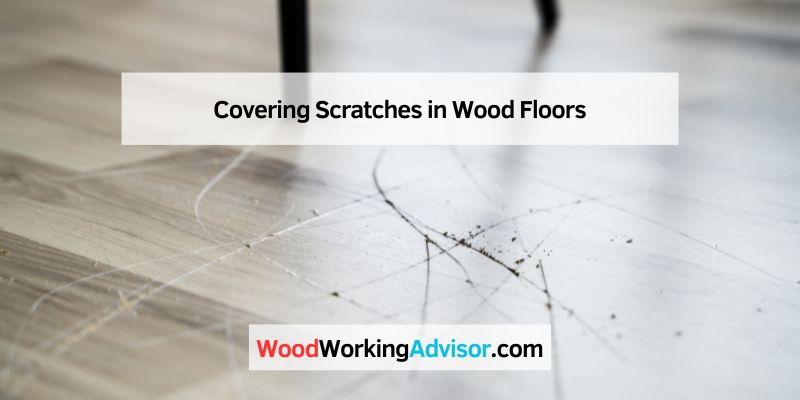
Scratches occur when the protective finish on your wood floor gets damaged, exposing the wood beneath or creating visible grooves. Light scratches only affect the surface finish, while deeper ones dig into the wood itself. The type of wood, the finish (like polyurethane or wax), and how much traffic your floors get all play a role in how scratches appear and how you’ll need to tackle them. Knowing this helped me figure out which solutions would work best for my floors, and it’ll help you too.
Assessing the Damage: Light vs. Deep Scratches
Before you grab any tools or products, take a close look at the scratch. I learned the hard way that not all scratches are created equal, and treating them the same can make things worse. Run your finger over the scratch. If you can’t feel it, it’s likely just a surface scuff in the finish. These are the easiest to fix. If your nail catches or you see raw wood, it’s a deeper scratch that needs more attention.
Here’s a quick way to assess:
| Scratch Type | Characteristics | Fix Difficulty |
|---|---|---|
| Light Scuff | Barely visible, no groove felt, only in finish | Easy, DIY-friendly |
| Medium Scratch | Slightly felt with a nail, may show raw wood | Moderate, may need special products |
| Deep Gouge | Deep, rough, exposes raw wood | Challenging, may need professional help |
I always start by checking the scratch in good lighting. Sometimes, what looks like a deep gouge is just a shadow playing tricks. This step saves time and helps you pick the right method without overcomplicating things.
Quick Fixes for Light Scratches and Scuffs
Light scratches are my favorite to deal with because they’re so easy to fix. I’ve tried a bunch of methods, and these are the ones that worked best for me. They’re affordable, use stuff you might already have, and don’t require fancy skills.
Household Items That Work Wonders
One day, I noticed a few light scuffs on my living room floor from moving a coffee table. I didn’t want to buy anything new, so I rummaged through my kitchen. Believe it or not, a walnut did the trick! I cut a walnut in half, rubbed the fleshy part over the scratch, and watched it blend away. The natural oils in the nut fill in the scratch and match the wood’s color. It’s like magic for light scratches on darker floors.
Olive oil mixed with a bit of vinegar is another go-to. I dabbed a small amount on a soft cloth and gently rubbed the scratch. The oil moisturizes the wood, and the vinegar cleans the area, making the scuff less noticeable. Be careful not to overdo it—too much oil can leave your floor greasy.
Touch-Up Pens and Markers
For slightly more stubborn light scratches, I swear by wood touch-up pens. I picked up a set at my local hardware store, and they come in shades to match different wood tones. I tested the color on a hidden spot first (like under a rug) to make sure it blended well. Then, I carefully colored over the scratch. It’s like using a marker to cover a scratch on paper—simple but effective. Afterward, I buffed the area with a soft cloth to blend it in. This works great for floors with a polyurethane finish.
Tackling Medium Scratches
Medium scratches are trickier because they often go beyond the finish and into the wood. I had one in my hallway from a dropped toolbox that drove me nuts every time I walked by. These scratches need a bit more effort, but you can still handle them at home with the right approach.
Sanding and Blending
For a medium scratch, I start by lightly sanding the area with fine-grit sandpaper (like 220-grit). I sand only the scratch, not the surrounding area, to avoid creating a bigger problem. After smoothing it out, I clean the spot with a damp cloth to remove dust. Then, I apply a wood stain marker that matches my floor’s color. I let it dry completely before adding a thin layer of polyurethane to seal it. This method takes patience, but it made that hallway scratch disappear.
Wax Sticks for a Seamless Fix
Wax sticks are another lifesaver for medium scratches. I found a wax stick that matched my oak floors and gently pressed it into the scratch, like filling a tiny pothole. Then, I buffed it with a cloth to smooth it out. The wax fills the groove and blends with the surrounding wood. It’s not permanent, but it’s a quick fix that looks great and holds up for months.
Dealing with Deep Gouges
Deep gouges are the toughest, and I’ll be honest—they can be intimidating. I had a deep scratch in my dining room from dragging a heavy chair, and it felt like the floor was ruined. But don’t panic! You can fix these too, though it might take more time and tools.
Wood Filler for Serious Damage
For deep gouges, wood filler is my go-to. I picked a filler that matched my floor’s color (test it first!) and applied it with a putty knife, pressing it into the gouge. After it dried, I sanded it smooth with fine-grit sandpaper and applied a matching stain. The final step was sealing it with polyurethane. This took a couple of hours, but the result was worth it—the gouge was practically invisible.
When to Call a Professional
Sometimes, a gouge is too deep or covers a large area. I had one spot near my front door that was so bad I didn’t trust myself to fix it. That’s when I called a professional. They sanded the area, filled the gouge, and refinished a small section of the floor. It wasn’t cheap, but it saved me from replacing the whole floor. If you’re dealing with multiple deep scratches or valuable antique floors, a pro might be your best bet.
Preventing Future Scratches
Fixing scratches is great, but preventing them is even better. After dealing with my fair share of scratches, I got serious about protecting my floors. Here are the habits I’ve built to keep my wood floors looking pristine.
Furniture Pads and Rugs
I put felt pads on all my furniture legs—chairs, tables, everything. They’re cheap and stop scratches from happening when you move things around. I also added area rugs in high-traffic spots, like the hallway and living room. Rugs not only protect the floor but also add a cozy vibe.
Pet and Footwear Tips
My dog’s nails were a big scratch culprit, so I keep them trimmed regularly. I also set up a no-shoes rule in my house. It took some getting used to, but it’s made a huge difference. If you have kids or guests, keep a basket of slippers by the door—it’s a fun way to enforce the rule.
Regular Maintenance
I sweep my floors daily to remove dirt and grit that can act like sandpaper. Every few months, I polish them with a wood-safe polish to keep the finish strong. It’s like giving your floors a little TLC to prevent scratches before they start.
Choosing the Right Products for Your Floor Type
Not all wood floors are the same, and I learned this the hard way. My living room has hardwood with a polyurethane finish, while my kitchen has engineered wood with a wax finish. Using the wrong product can damage the finish or make scratches worse.
For polyurethane-finished floors, touch-up pens and polyurethane sealants work great. For waxed floors, stick to wax-based products like wax sticks or polish. If you’re unsure about your floor’s finish, test a small amount of water in a hidden spot. If it beads up, it’s likely polyurethane. If it soaks in, it’s probably waxed. When in doubt, check with the manufacturer or a flooring expert.
My Favorite Tools and Products
Over time, I’ve built a little toolkit for fixing scratches. Here’s what I keep on hand:
- Walnuts: For light scratches on dark wood.
- Wood Touch-Up Pens: A set with multiple shades for versatility.
- Wax Sticks: For medium scratches, easy to apply.
- Wood Filler: For deep gouges, with a putty knife for precision.
- Fine-Grit Sandpaper: 220-grit for smoothing scratches.
- Polyurethane or Wax Polish: To seal and protect repairs.
- Soft Cloths: For buffing and cleaning.
Having these ready makes fixing scratches a breeze. Most are available at hardware stores or online, and they’re budget-friendly.
Mistakes to Avoid
I’ve made plenty of mistakes fixing scratches, so let me save you some trouble. Don’t use a dark marker on light wood—it’ll stand out like a sore thumb. Don’t skip sanding for medium or deep scratches; it helps the repair blend in. And never apply too much product, whether it’s oil, wax, or filler. A little goes a long way, and excess can make your floor sticky or discolored.
The Emotional Side of Fixing Scratches
Fixing scratches isn’t just about the floor—it’s about loving your home. Every time I see a scratch, I’m reminded of a memory, like my kids playing or a fun dinner party. Repairing those marks feels like giving my home a hug. It’s satisfying to see the floors shine again, and it’s a reminder that imperfections don’t have to be permanent. You’re not just fixing a floor; you’re keeping your space warm and inviting.
Conclusion
There’s something so rewarding about covering scratches in wood floors and watching them transform back to their beautiful selves. Whether you’re tackling a light scuff with a walnut or filling a deep gouge with wood filler, you’ve got the power to make your floors look amazing again. I’ve shared my favorite tips and tricks from years of trial and error, and I hope they help you feel confident in fixing your floors. Start small, take your time, and don’t be afraid to call a pro if you need to. Your wood floors are worth the effort, and with a little care, they’ll keep shining for years to come. So grab those tools, roll up your sleeves, and let’s make those scratches disappear!
Frequently Asked Questions
Can I use a regular marker to cover scratches?
No, regular markers can make scratches worse because they don’t blend with the wood’s finish. I made this mistake once, and the ink looked unnatural. Use wood touch-up pens designed for floors—they’re made to match wood tones and seal properly.
How often should I polish my wood floors to prevent scratches?
I polish my floors every three to four months with a wood-safe polish. It strengthens the finish and keeps scratches at bay. Don’t overdo it, though—too much polish can build up and make floors slippery.
Will fixing scratches damage my floor’s finish?
If you’re careful, fixing scratches won’t harm the finish. I always test products in a hidden spot first and use light sanding for deeper scratches. Avoid harsh chemicals or abrasive tools that can strip the finish.
Can I prevent pet scratches completely?
It’s tough to prevent all pet scratches, but I’ve found that keeping my dog’s nails trimmed and using rugs in play areas helps a lot. Training pets to avoid certain areas or using pet booties can also work.
How do I know if my floor needs professional refinishing?
If you have multiple deep gouges or large damaged areas, like I did near my front door, a professional refinish might be needed. It’s also worth considering for old floors with worn finishes. A pro can sand and refinish sections to make them look brand new.