Creative Cedar Trellis Ideas For Your Garden
It’s easy to feel a bit stuck when you’re looking for Creative Cedar Trellis Ideas for Your Garden. You want something beautiful and functional, but sometimes the options can seem overwhelming, especially if you’re just starting out. Don’t worry, though.
We’ll walk through simple ways to find the perfect cedar trellis to make your garden shine. Get ready for easy steps and fun ideas that will transform your outdoor space.
Creative Cedar Trellis Ideas For Your Garden
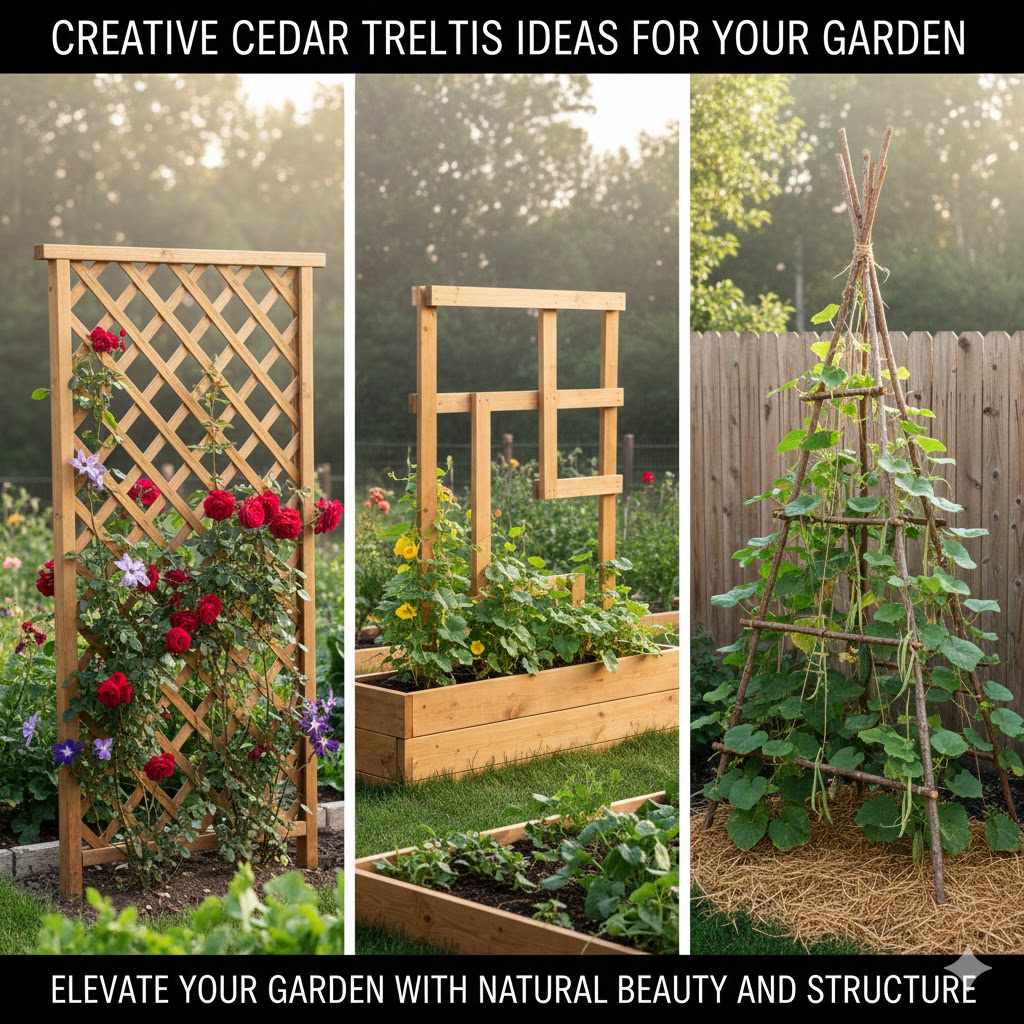
This section focuses on inspiring and practical ways to use cedar wood to build unique trellises for your garden. We explore why cedar is a great choice for this project, looking at its natural beauty and durability. You’ll find a variety of designs, from simple to more elaborate, suitable for different types of plants and garden styles.
The goal is to spark your imagination and give you concrete examples of how to add vertical interest and support to your green spaces using cedar.
Why Choose Cedar for Your Garden Trellis
Cedar wood is a top choice for outdoor projects like garden trellises, and for good reason. It’s naturally resistant to rot and insects, meaning your trellis will last a long time even when exposed to rain and sun. This natural protection means you won’t have to worry as much about it falling apart quickly.
Plus, cedar has a beautiful, natural color that looks lovely in any garden setting, whether modern or rustic. It also has a pleasant, subtle scent.
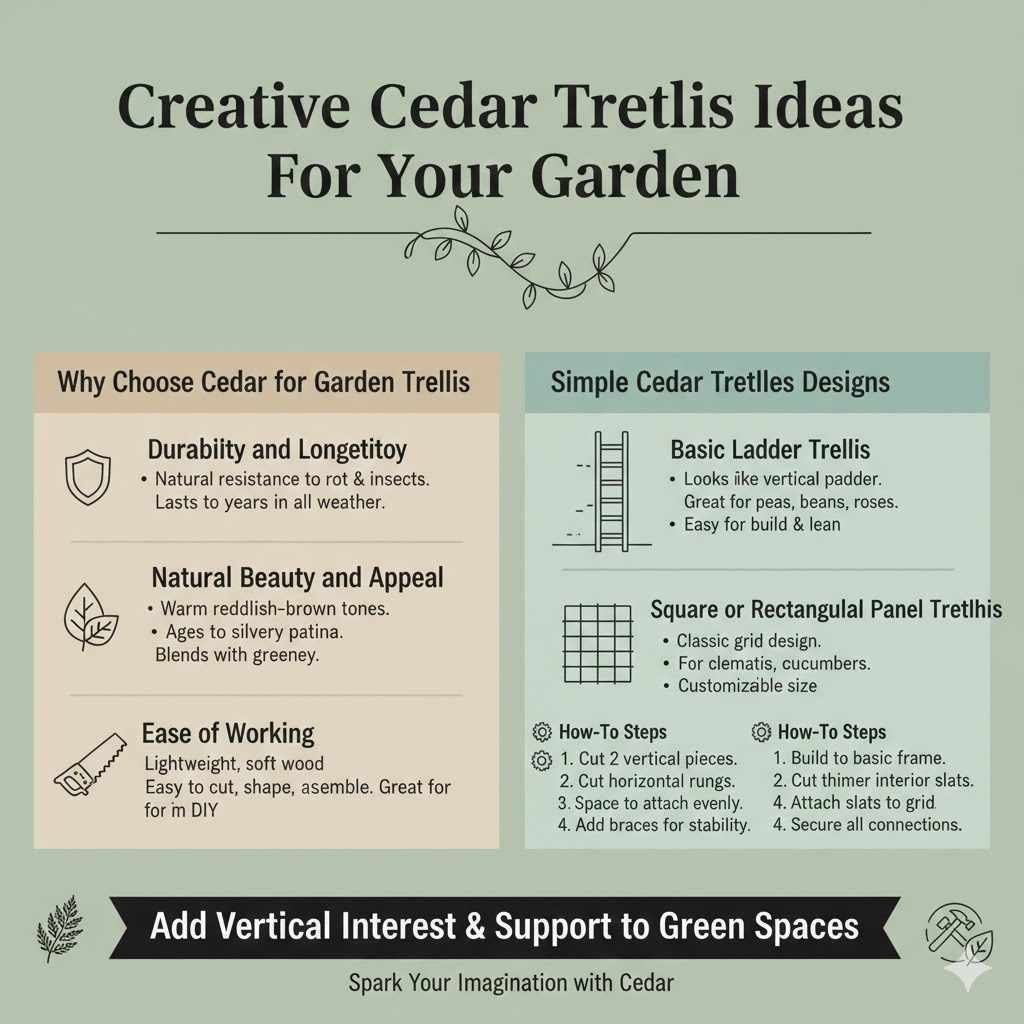
- Durability and Longevity. Cedar wood contains natural oils and tannins that make it highly resistant to decay, fungi, and insect infestations. This means a cedar trellis can withstand the elements for many years without needing constant repairs or
- Natural Beauty and Appeal. The warm, reddish-brown or blonde tones of cedar wood lend a natural elegance to any garden. It ages gracefully, developing a silvery patina over time if left untreated, which many gardeners find very attractive. This aesthetic appeal allows a cedar trellis to blend seamlessly with the surrounding greenery or act as a striking focal point. Its smooth grain and pleasant aroma add sensory value to your outdoor experience, making it more than just a functional garden structure.
- Ease of Working. Cedar is a relatively lightweight and soft wood, making it easy to cut, shape, and assemble. This makes it an excellent material for DIY projects, even for those with limited woodworking experience. You won’t need heavy-duty tools, and most projects can be completed with basic hand tools. Its workability means you can create custom designs without a lot of struggle, allowing for more creative freedom in your garden design.
Simple Cedar Trellis Designs
For those new to gardening or DIY projects, starting with simple designs is key. These ideas are easy to build and look great, providing excellent support for your climbing plants. They focus on clean lines and straightforward construction, making them achievable for anyone.
Basic Ladder Trellis
A ladder trellis is one of the simplest and most versatile designs. It looks like a small ladder and leans against a wall or fence, or can stand freely with a bit of added support. This design is perfect for smaller plants like peas, beans, or even delicate flowering vines.
- Cut two vertical cedar pieces of the desired height.
- Cut several horizontal cedar pieces for the rungs. Make sure they are all the same length.
- Space the rungs evenly along the vertical pieces.
- Attach the rungs securely to the vertical pieces using screws or nails. For extra stability, you can add diagonal braces at the top or bottom.
Example: A gardener wanted a quick way to support their climbing roses along a garden path. They built two ladder trellises, each about five feet tall, using simple cedar fence pickets. They spaced the rungs about a foot apart.
After assembling, they secured each trellis with stakes driven into the ground on either side. The roses quickly grew up the ladders, adding beautiful color and fragrance to the path.
Square or Rectangular Panel Trellis
This design involves creating a simple rectangular frame with horizontal and vertical slats inside to create a grid. It’s a classic look that works well for a variety of climbing plants like clematis or cucumbers. You can make them any size you need for your garden space.
- Build a basic square or rectangular frame using four cedar boards.
- Cut thinner cedar slats for the inside grid.
- Attach these slats horizontally and vertically within the frame, spacing them evenly. You can create a simple criss-cross pattern or a more intricate grid.
- Ensure all connections are strong, using screws for best results.
Scenario: Imagine you have a blank section of fence where you want to grow some morning glories. You can build a rectangular panel trellis, perhaps three feet wide and four feet tall. Attach it directly to the fence.
The grid provides many places for the vines to grab hold and climb, quickly covering the fence with vibrant blooms.
Decorative Cedar Trellis Ideas
Once you’re comfortable with the basics, you can explore more decorative options that add a unique artistic touch to your garden. These designs might involve slightly more complex shapes or combined elements, but they significantly enhance the visual appeal.
Fan-Shaped Trellis
A fan-shaped trellis offers a softer, more organic look than straight designs. It’s perfect for a corner of the garden or as a beautiful backdrop for flowering plants. The widening shape provides ample support as plants grow upwards and outwards.
- Start with two longer vertical pieces that form the base.
- Cut shorter pieces for the radiating “ribs” of the fan.
- Attach these ribs to the vertical supports, angling them outwards.
- You can add horizontal cross pieces for extra stability and visual interest.
Example: A homeowner wanted to add charm to a small patio area. They built a fan-shaped cedar trellis, about six feet tall. The wider top section offered plenty of space for a climbing jasmine to grow.
They placed it behind a large planter, and the jasmine soon cascaded over the fan, creating a fragrant, green wall that softened the patio’s hard edges.
Arbor and Arch Trellises
Arbors and arches create a grand entrance or a charming walkway. They are larger structures that frame a space beautifully and allow plants to grow up and over, creating a natural tunnel. These are excellent for roses, wisteria, or honeysuckle.
- Arbor Trellis: This is typically a freestanding structure with two posts and a connecting top piece, often with an open or latticed roof. It’s designed to walk through.
- Arch Trellis: Similar to an arbor but often simpler, an arch can be a standalone decorative element or lean against a wall. It has a curved top.
Construction for these involves building two strong upright supports and then connecting them at the top with a curved or straight beam. You can add latticework or slats to the sides for plants to climb. Securing them firmly in the ground is crucial due to their size.
Case Study: A community garden group wanted to create a welcoming entrance to their vegetable plots. They constructed a sturdy cedar arbor archway. The sides were fitted with a diamond-patterned lattice.
They planted climbing beans on one side and sugar snap peas on the other. Within a season, the arch was covered in greenery and pods, providing both a beautiful visual and a productive harvest.
Advanced Cedar Trellis Projects
For those who enjoy a woodworking challenge or want to make a statement piece, these advanced projects offer more intricate designs and greater customization. They require a bit more skill and planning but result in truly unique garden features.
Geometric and Lattice Designs
Moving beyond simple grids, geometric designs involve creating patterns like diamonds, hexagons, or even more complex tessellations. This requires careful measuring and cutting of many smaller pieces.
To create a geometric pattern, you might build a basic frame and then fill it with precisely cut cedar pieces. For a diamond pattern, you would cut many identical diamond shapes and assemble them into a repeating mosaic within the frame. This can be time-consuming but results in a very sophisticated look.
Statistic: According to a recent survey on garden trends, decorative elements like trellises and pergolas are increasingly popular, with over 60% of homeowners reporting that they have added such structures to their gardens in the last five years to enhance visual appeal and plant support.
Multi-Tiered or Sculptural Trellises
These trellises are not just functional but are works of art. They might involve multiple levels, curved elements, or abstract shapes designed to complement specific plants or garden layouts.
A multi-tiered trellis could feature platforms or shelves at different heights, allowing you to grow a variety of plants with different light or water needs. Sculptural trellises might use bent cedar wood or combine different types of cedar pieces to create a form that stands out as a garden feature even without plants. These often require a good understanding of woodworking joinery and structural integrity.
Scenario: A garden designer was asked to create a feature for a modern garden that would support a rare climbing orchid. They designed a sculptural trellis made from several curved cedar elements that spiraled upwards. The orchid’s tendrils could weave through the curves, and the natural wood contrasted beautifully with the orchid’s delicate blooms.
Planning Your Cedar Trellis Project
Before you start cutting wood, thoughtful planning ensures your trellis is successful. This includes considering the plants, location, and size. Proper planning saves time, materials, and prevents future problems.
Choosing the Right Location
The placement of your trellis is as important as its design. Think about sunlight, wind, and how it will fit into your overall garden layout.
- Sunlight: Most climbing plants need plenty of sun to thrive. Place your trellis where the plants will receive the recommended amount of sunlight, usually six hours or more per day for flowering or fruiting varieties. Consider the direction of the sun throughout the day and across the seasons.
- Wind Protection: Strong winds can damage both the plants and the trellis. If your garden is in a windy area, choose a sheltered spot or design your trellis to be extra sturdy with wider bases or anchoring systems. A location near a fence or wall can offer some natural protection.
- Aesthetics and Functionality: Think about how the trellis will look from your house or patio. Will it create a desired focal point or a sense of privacy? Also, consider ease of access for watering, pruning, and harvesting plants.
Selecting Appropriate Plants
The type of plant you want to grow will influence the size, strength, and design of your trellis. Different plants have different needs for support.
- Weight: Heavy climbers like wisteria or mature climbing roses require a very strong and sturdy trellis. Opt for thicker cedar pieces and robust joinery.
- Growth Habit: Some plants, like clematis or morning glories, have tendrils that can grip thin wires or mesh. Others, like climbing beans, benefit from a lattice to wrap around. Vining plants might need more horizontal support.
- Speed of Growth: Fast-growing plants can cover a trellis quickly, so consider how the structure will look when fully enveloped by foliage.
Example: A gardener planning to grow tomatoes wanted a trellis that could support heavy fruit. They opted for a simple, strong rectangular panel trellis made from 2×2 cedar posts and wider 1×4 cedar slats, spaced about 6 inches apart. They also added a diagonal brace at the back for extra support.
This sturdy design prevented the trellis from bowing under the weight of the ripening tomatoes.
Tools and Materials Checklist
Having the right tools and materials ready before you begin will make the building process much smoother.
- Cedar Wood: Lumber (e.g., 2x2s, 1x4s, fence pickets), depending on your design.
- Fasteners: Exterior-grade screws (e.g., galvanized or stainless steel) are best for durability. Nails can be used for some parts, but screws offer more strength.
- Tools: Measuring tape, saw (hand saw, circular saw, or miter saw), drill with drill bits and screwdriver bits, level, sandpaper, safety glasses, gloves.
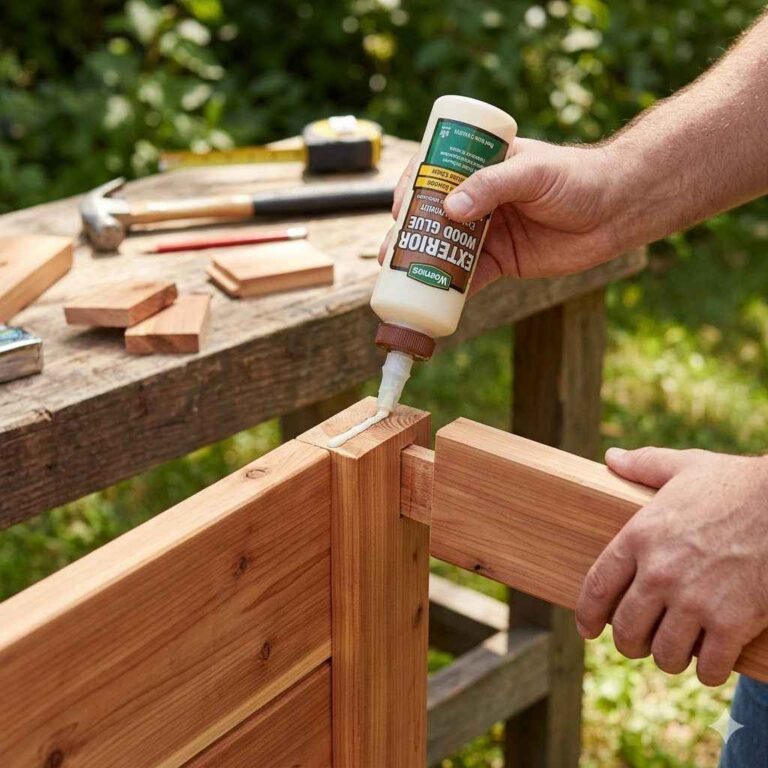
- Optional: Wood glue (exterior grade), sealant or stain (if you wish to preserve the wood color), stakes or anchors for securing the trellis.
Statistic: Cedar prices can vary, but on average, a standard 8-foot long 1×4 cedar board might cost between $8 and $15, depending on the grade and location. For a simple ladder trellis, you might need two to three of these boards, making it a cost-effective garden enhancement.
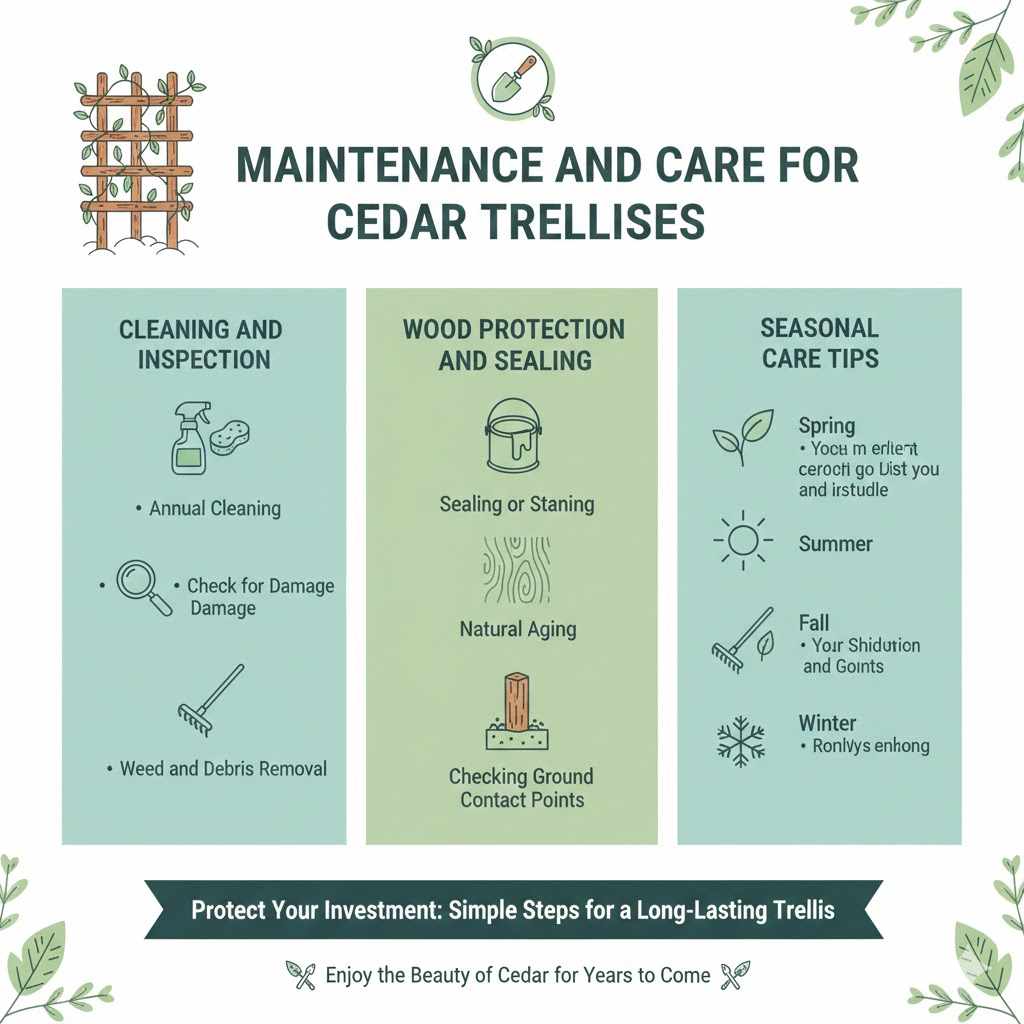
Maintenance and Care for Cedar Trellises
To ensure your beautiful cedar trellis lasts for years and continues to support your plants, a little bit of maintenance goes a long way. Cedar is durable, but proper care will keep it looking its best and functioning perfectly. This section covers simple steps to keep your trellis in top condition.
Cleaning and Inspection
Regularly checking your trellis for any issues is important. Cleaning off dirt and debris helps prevent problems from developing.
- Annual Cleaning: Once a year, typically in late spring or early fall, gently clean your trellis. Use a soft brush or a damp cloth to remove dirt, dust, and any cobwebs. Avoid using high-pressure washers, as they can damage the wood fibers.
- Check for Damage: While cleaning, inspect the wood for any signs of rot, cracking, or loose joints. Pay close attention to areas where the wood meets the ground or where there are many connections. Loose screws or nails should be tightened.
- Weed and Debris Removal: Keep the base of the trellis clear of weeds, leaves, and mulch. Excessive moisture trapped around the wood can lead to rot and invite pests.
Wood Protection and Sealing
While cedar is naturally resistant, further protection can extend its life and maintain its appearance.
- Sealing or Staining: If you want to maintain the original warm color of the cedar, apply an exterior-grade sealant or stain specifically designed for wood. These products offer UV protection and water repellency. They need to be reapplied every few years, depending on the product and climate.
- Natural Aging: Many gardeners prefer to let cedar age naturally. It will turn a beautiful silvery-gray over time. This process does not diminish the wood’s durability; it’s purely an aesthetic choice. If you choose this route, ensure the wood is still sound.
- Checking Ground Contact Points: If your trellis posts are in the ground, ensure they are not sitting directly in water. You might consider using gravel or concrete footings to keep the wood elevated and allow for better drainage.
Seasonal Care Tips
Adapting your care routine to the changing seasons helps your trellis withstand different weather conditions.
- Spring: After winter, check for any frost heave that might have loosened the trellis. Trim back any overgrowth from winter and prepare for new plant growth by ensuring the trellis is stable and clear.
- Summer: Ensure climbing plants are properly trained onto the trellis. Water plants at the base to avoid excess moisture on the wood.
- Fall: Trim back dead or overgrown plant material. This prevents moisture from being trapped and reduces the risk of mold or decay. It also makes it easier to inspect the trellis before winter.
- Winter: While cedar is robust, very heavy snow or ice loads can stress structures. If you expect extreme weather, you might consider removing very delicate plants from the trellis to reduce weight.
Frequently Asked Questions
Question: What is the best type of cedar for outdoor trellises
Answer: Western Red Cedar is highly recommended for its excellent natural resistance to rot and insects, as well as its stability and beautiful appearance. It’s known for its longevity in outdoor conditions.
Question: How tall should a garden trellis be
Answer: The ideal height depends on the plants you’re growing. For smaller plants like peas or beans, 3-4 feet is often enough. For larger plants like roses or wisteria, you might need 6 feet or taller.
Question: Do I need to seal cedar trellises
Answer: Sealing is optional. Cedar is naturally durable. If you want to preserve its original color, use an exterior-grade sealant or stain.
If you prefer the natural silver-gray aging process, sealing is not necessary.
Question: How do I attach a trellis to a fence
Answer: You can attach a trellis to a fence using exterior-grade screws. Mount the trellis directly to fence posts for the strongest support. You can also use brackets for a more secure connection, especially for heavier trellises or plants.
Question: Can I use treated lumber instead of cedar
Answer: Yes, treated lumber is an option, but cedar is often preferred for its natural beauty and resistance without chemical treatments. Treated lumber is also heavier and can sometimes warp. Cedar is generally considered a more aesthetically pleasing and environmentally friendly choice for visible garden structures.
Summary
You’ve explored many Creative Cedar Trellis Ideas for Your Garden. From simple ladder designs to elegant arches and geometric patterns, cedar offers beauty and durability. Planning, choosing the right plants, and simple maintenance will ensure your trellis enhances your garden for years to come.
Now you can build with confidence and enjoy your beautiful, thriving garden space.