Crosscut Saw Sharpening Tools: A Beginner’s Guide to Keeping Your Saw Sharp
I remember my first time sharpening a crosscut saw. I was nervous, holding a dull saw my grandpa gave me, worried I’d ruin it. But with a few simple tools and some practice, I turned that old blade into a wood-cutting champ! In this guide, I’ll share everything you need to know about crosscut saw sharpening tools. Whether you’re a beginner, a woodworking enthusiast, or an advanced user, you’ll learn how to sharpen your saw easily. I’ll cover what these tools are, how to use them, and tips to make your saw cut like new. Let’s dive in!
What Are Crosscut Saw Sharpening Tools?
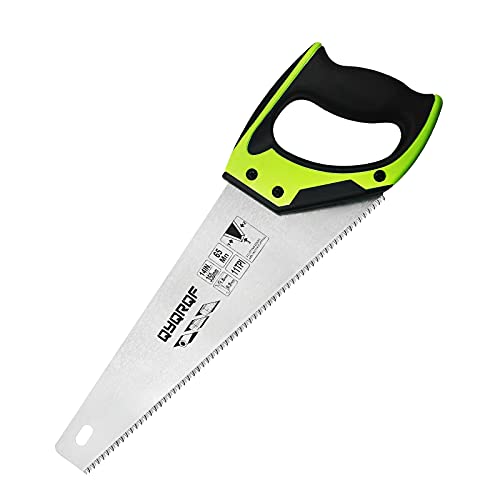
Crosscut saw sharpening tools help keep your saw’s teeth sharp. A crosscut saw cuts wood across the grain, and sharp teeth make it smooth and fast. These tools fix dull blades, so your saw works better and lasts longer.
Why Sharpening Matters
Dull saws make cutting hard and slow. Sharp saws save time and effort. Using the right tools keeps your saw in top shape, whether you’re building a birdhouse or felling a tree.
Common Tools You’ll Need
You don’t need fancy gear to sharpen a crosscut saw. Here are the basics:
- Saw File: A small, triangular file to shape the teeth.
- Saw Vise: Holds the saw steady while you work.
- Saw Set: Bends teeth for better cutting.
- Raker Gauge: Measures tooth depth for smooth cuts.
- Flat File: Smooths rough spots on the blade.
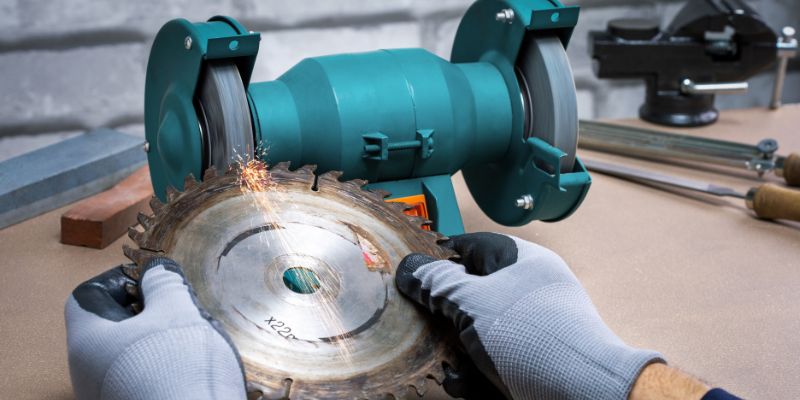
Visual Idea: A simple diagram showing a saw file shaping a tooth at a 15-degree angle.
Step-by-Step Guide to Sharpening a Crosscut Saw
Sharpening a crosscut saw is easy if you follow these steps. I’ll break it down so anyone can do it, even if it’s your first time.
Step 1: Secure the Saw
Clamp your saw in a saw vise. Make sure it’s tight so it doesn’t wiggle. This keeps your work safe and steady.
Step 2: Check the Teeth
Look at the saw’s teeth. Are they dull or uneven? If they’re really worn, you might need to file them down first to make them even.
Step 3: File the Teeth
Use a triangular saw file. Hold it at a 15-degree angle for crosscut saws. File every other tooth, pushing gently across the blade. Do this for one side, then flip the saw and file the other side.
Step 4: Set the Teeth
Use a saw set to bend every other tooth slightly outward. This makes the cut wider, so the saw doesn’t stick in the wood. Be gentle—too much bend can break teeth.
Step 5: Adjust the Rakers
Rakers are special teeth that clear wood chips. Use a raker gauge to check their height. File them down if they’re too tall, so they’re shorter than the cutting teeth.
Step 6: Test Your Saw
Try cutting a piece of scrap wood. If it cuts smoothly, you’re done! If not, check the teeth and file again.
Visual Idea: A labeled diagram of a crosscut saw showing teeth, rakers, and the saw set in action.
Tools Comparison: What’s Best for You?
Not all sharpening tools are the same. Here’s a table to help you choose:
| Tool | Best For | Cost | Why Use It? |
|---|---|---|---|
| Triangular File | Beginners, small saws | $5-$15 | Easy to use, fits most teeth sizes. |
| Diamond File | Advanced users, fine teeth | $20-$40 | Super durable, great for tiny teeth. |
| Saw Set Pliers | All users, any saw | $15-$30 | Precise tooth bending, easy to adjust. |
| Raker Gauge | Enthusiasts, frequent sharpening | $10-$25 | Ensures rakers are the right height. |
Caption: Comparing common crosscut saw sharpening tools for different skill levels.
Where to Buy Tools
You can find these tools at hardware stores or online. Check trusted sites like Lee Valley or Woodcraft for quality options. For free sharpening guides, visit the US Forest Service website.
Benefits of Sharpening Your Own Saw
Sharpening your saw saves money. Professional sharpening can cost $20-$50, but tools cost less and last years. You also get better cuts, making projects like building a bookshelf easier. Plus, it’s fun to learn a new skill!
Drawbacks to Watch For
Sharpening takes practice. You might file unevenly at first, making the saw cut poorly. It also takes time—about 30 minutes for a small saw. If you’re busy, sending it to a pro might be easier.
Other Options
You can buy pre-sharpened saws, but they’re pricey. Another option is a professional sharpener, like United Saw & Tool in Asheville, NC. They’re great for tricky saws but cost more.
My Top Tips for Sharpening Success
I’ve sharpened dozens of saws, and here are my best tips:
- Start Small: Practice on a cheap saw before tackling an expensive one.
- Stay Safe: Wear gloves to avoid cuts from sharp teeth.
- Be Patient: File slowly to keep teeth even.
- Check Your Work: Test the saw after every few teeth.
Visual Idea: A photo of a saw vise setup with a bright light to show proper workspace.
Common Mistakes to Avoid
Beginners often make these mistakes:
- Filing Too Hard: Pressing too hard can ruin the file or teeth.
- Wrong Angle: Filing at the wrong angle (not 15 degrees) makes cuts rough.
- Skipping Rakers: Forgetting to adjust rakers clogs the saw with chips.
Here’s a table of mistakes and fixes:
| Mistake | How to Fix It |
|---|---|
| Filing too hard | Use light, even strokes with the file. |
| Wrong file angle | Use a paper guide for a 15-degree angle. |
| Uneven raker height | Check with a raker gauge before cutting. |
Caption: Common sharpening mistakes and how to avoid them.
Cost-Saving Ideas
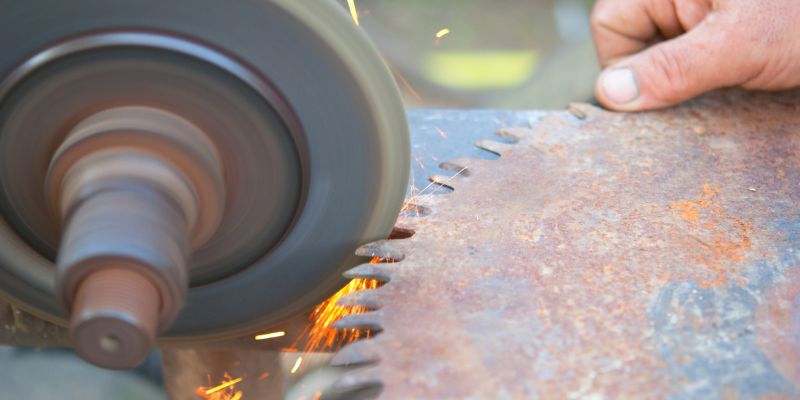
Sharpening at home saves money. A good saw file costs $10, and a vise can be homemade with wood scraps. Check flea markets for used tools—they’re often just $5! Clean rusty saws with wet sanding to make them like new.
My Personal Sharpening Story
When I started woodworking, I bought a cheap crosscut saw. It dulled fast, and I was frustrated. Then I learned to sharpen it myself with a $7 file and a homemade vise. Now, I sharpen all my saws, and they cut like butter. It’s a skill anyone can learn with practice!
Frequently Asked Questions
What Are Crosscut Saw Sharpening Tools?
Crosscut saw sharpening tools include files, vises, and gauges. They shape and adjust the saw’s teeth for smooth cutting. A triangular file sharpens teeth, a vise holds the saw, and a saw set bends teeth. These tools are cheap and easy to use with practice.
How Often Should I Sharpen My Crosscut Saw?
Sharpen your saw when cuts feel slow or rough, usually every few months. If you use it a lot, check it weekly. Test it on scrap wood. If it sticks or wobbles, it’s time to sharpen with a file and saw set.
Can Beginners Sharpen a Crosscut Saw?
Yes, beginners can sharpen a crosscut saw! Start with a cheap saw and a simple file. Follow a guide, like the one above, and practice on scrap wood. It takes time, but you’ll get better with each try.
What’s the Best File for Sharpening?
A 7-8 inch triangular saw file works best for most crosscut saws. It’s cheap, about $5-$15, and fits most teeth sizes. For finer teeth, try a diamond file. Always match the file size to your saw’s teeth.
How Do I Know If My Saw Is Sharp?
Test your saw on a piece of wood. If it cuts smoothly and doesn’t stick, it’s sharp. You can also touch the teeth lightly (be careful!). Sharp teeth feel “grabby” on your skin. File again if it’s not smooth.
Are There Safety Tips for Sharpening?
Always clamp the saw in a vise to keep it steady. Wear gloves to avoid cuts. Use a bright light to see clearly. Don’t rush—filing slowly prevents mistakes and keeps you safe while working.
Can I Sharpen a Hard-Point Saw?
Hard-point saws have hardened teeth that can’t be sharpened with regular files. Check if your saw is hard-point by looking at the packaging or testing with a file. If it’s hard, replace it or get a professional to handle it.
Conclusion
Sharpening a crosscut saw is easier than you think. With simple tools like a file, vise, and saw set, you can make your saw cut like new. It saves money and makes woodworking fun. Try sharpening a cheap saw first to build your skills. Share your results with friends or on a woodworking forum! Grab a saw, pick up a file, and start sharpening today. You’ll love the feeling of a sharp blade slicing through wood!