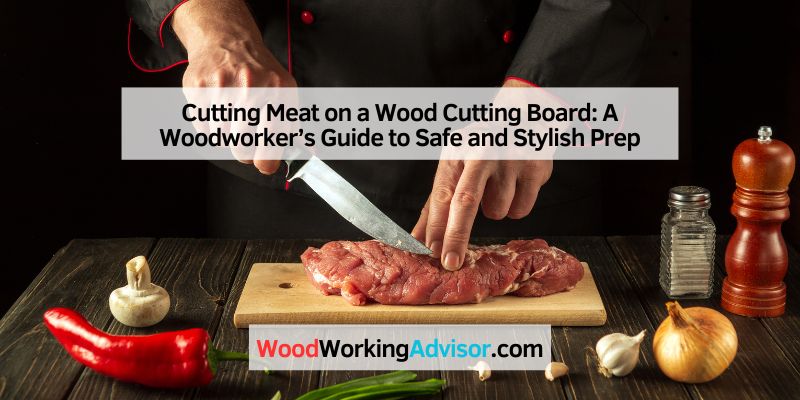
Cutting Meat on a Wood Cutting Board: A Woodworker’s Guide to Safe and Stylish Prep
Hey there! If you’re like me, you love the charm of a sturdy wood cutting board in your kitchen. There’s something so warm and inviting about prepping meals on a beautifully crafted piece of wood. But when it comes to cutting meat on a wood cutting board, I know there are questions swirling in your mind. Is it safe? Does it ruin the board? How do I keep it clean? I’ve spent years exploring woodworking and kitchen prep, so I’m excited to share everything I’ve learned about using wood cutting boards for meat.
Whether you’re a home cook or a woodworking enthusiast, this guide will walk you through the ins and outs of using your wood cutting board like a pro. Let’s dive in and make sure your kitchen prep is both safe and stylish!
Why I Love Wood Cutting Boards for Meat Prep
Wood cutting boards have been a staple in my kitchen for years. There’s a reason they’ve been used for generations. They’re durable, naturally beautiful, and feel great under a knife. When I chop meat on my walnut cutting board, the surface grips the knife just enough to make precise cuts without slipping. Unlike plastic, wood has a natural give that’s easier on my knives, keeping them sharper for longer. Plus, let’s be honest—a well-crafted wood board makes my kitchen look like something out of a cooking magazine.
But it’s not just about looks. Wood has some unique properties that make it a solid choice for cutting meat. Studies have shown that certain woods, like maple, have natural antibacterial qualities. The porous surface of wood can trap bacteria, but it also pulls them away from the surface, making it harder for them to thrive. That said, I’ve learned that proper care is key to keeping my board safe for meat prep. Let’s explore what makes wood boards special and how to use them right.
Are Wood Cutting Boards Safe for Cutting Meat?
When I first started using wood cutting boards, I worried about whether they were safe for raw meat. After all, raw chicken, beef, or pork can carry bacteria like salmonella or E. coli. I didn’t want my beautiful board to become a health hazard. But here’s what I found: wood cutting boards are perfectly safe for cutting meat if you follow some basic rules.
The key is to prevent cross-contamination. I always use one side of my board for raw meat and the other for vegetables or cooked foods. This simple habit keeps things clean. Hardwoods like maple, walnut, or cherry are best because they’re less porous than softer woods like pine. A tight grain means fewer places for bacteria to hide. I also make sure to clean my board thoroughly after every use. With the right care, my wood board has been a safe and reliable tool for years.
Choosing the Right Wood for Your Cutting Board
Not all wood is created equal when it comes to cutting boards. I learned this the hard way when I tried using a soft pine board early on—it got scratched up and held onto odors like nobody’s business. Here’s what I’ve figured out about picking the perfect wood for meat prep:
- Hard Maple: This is my go-to. It’s tough, has a tight grain, and resists deep knife marks. It’s also naturally antibacterial, which is a big win for meat.
- Walnut: I love walnut for its rich, dark color. It’s slightly softer than maple but still durable and great for a stylish kitchen.
- Cherry: Cherry boards have a warm, reddish hue that looks amazing. They’re sturdy but a bit softer, so they’re kind to your knives.
- Avoid Soft Woods: Pine or cedar might look nice, but they’re too soft and porous for meat. They soak up juices and are harder to clean.
Here’s a quick table to help you choose:
| Wood Type | Durability | Antibacterial Properties | Aesthetic Appeal | Knife Friendliness |
|---|---|---|---|---|
| Hard Maple | High | Excellent | Neutral | Good |
| Walnut | High | Good | Stunning | Very Good |
| Cherry | Medium | Good | Warm, Elegant | Excellent |
| Pine | Low | Poor | Rustic | Poor |
I stick with maple or walnut for meat prep because they balance durability and safety. If you’re crafting your own board, go for a hardwood with a tight grain—it’ll last longer and keep your kitchen safer.
How to Prep Your Wood Cutting Board for Meat
Before I even think about slicing meat, I make sure my board is ready. A brand-new wood cutting board needs a little love to be meat-ready. Here’s my routine:
First, I season the board with food-grade mineral oil. This seals the wood and keeps meat juices from soaking in too deeply. I pour a generous amount of oil on the board, rub it in with a clean cloth, and let it sit overnight. I do this every few weeks to keep the board in top shape. Beeswax is another great option for sealing—it adds an extra layer of protection and gives the board a nice sheen.
I also check for any rough spots. If the board feels uneven, I sand it lightly with fine-grit sandpaper and re-oil it. A smooth surface is easier to clean and less likely to trap bacteria. Finally, I designate one side for meat and mark it subtly (a small notch in the corner works for me). This keeps my prep organized and safe.
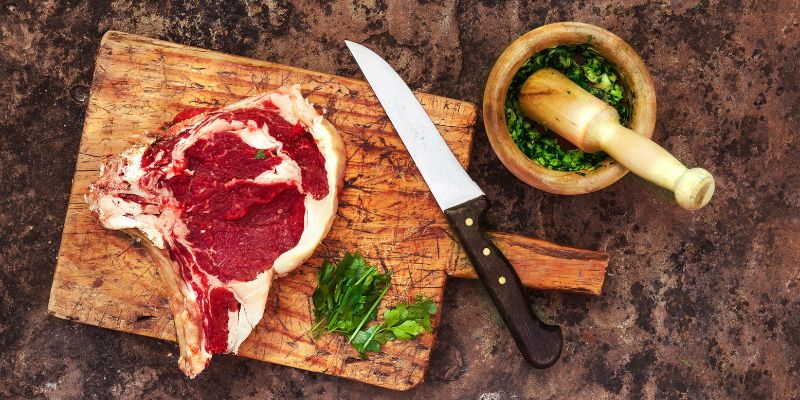
Best Practices for Cutting Meat on a Wood Board
Over the years, I’ve picked up some habits that make cutting meat on a wood board a breeze. Here’s what works for me:
- Use a Sharp Knife: A dull knife tears the meat and damages the board. I sharpen my knives regularly to keep cuts clean and precise.
- Cut on a Stable Surface: I place a damp towel under my board to keep it from slipping. This is especially important when I’m breaking down a whole chicken.
- Work in Small Batches: I don’t overcrowd the board with meat. This gives me room to maneuver and keeps juices from spilling over.
- Clean Up Immediately: As soon as I’m done, I scrape off any meat bits and wash the board. Waiting too long can let juices soak in, which is harder to clean.
I also keep a separate board for raw meat if I’m prepping a big meal. It’s not always necessary, but it gives me peace of mind when I’m juggling multiple ingredients.
Cleaning and Maintaining Your Wood Cutting Board
Cleaning a wood cutting board after cutting meat is non-negotiable. I’ve made the mistake of being lazy about it, and trust me, you don’t want a smelly board. Here’s how I keep mine spotless:
Right after cutting meat, I scrape off any stuck-on bits with a bench scraper. Then, I rinse the board under hot water to loosen any grease. I use a mild dish soap and a soft sponge to scrub both sides, even if I only used one. Hot water and soap are enough to kill most bacteria, but I’m careful not to soak the board—too much water can warp the wood.
For a deeper clean, I sprinkle coarse kosher salt on the board and scrub it with half a lemon. The salt acts like a gentle abrasive, and the lemon’s acidity helps kill bacteria and remove odors. I do this once a week or after cutting something pungent like fish. After cleaning, I let the board air-dry completely before storing it upright to prevent moisture buildup.
Every month or so, I check if the board needs re-seasoning. If water beads up on the surface, it’s still well-protected. If it soaks in, I grab my mineral oil and give it a good rubdown. This routine keeps my board looking and performing like new.
Can You Cut Raw and Cooked Meat on the Same Board?
This is a question I get a lot, and I used to wonder about it too. The short answer is: you can, but you shouldn’t unless you’re very careful. Raw meat, especially poultry, can carry harmful bacteria. If you cut cooked meat on the same surface without cleaning it thoroughly, you risk cross-contamination.
My solution is simple: I use one side for raw meat and the other for cooked meat or veggies. After cutting raw meat, I wash the board thoroughly before flipping it over. If I’m in a rush, I grab a second board to avoid any risk. It’s a small extra step that keeps my meals safe and worry-free.
How to Prevent Damage to Your Wood Cutting Board
Wood cutting boards are tough, but they’re not indestructible. I’ve learned a few tricks to keep mine from getting beat up while cutting meat:
- Avoid Deep Cuts: I try not to hack at the board with heavy cleavers. For tough cuts like bone-in meat, I use a heavier-duty board or a cleaver designed for the job.
- Rotate the Board: I don’t always cut in the same spot. Rotating the board spreads out the wear and prevents deep grooves.
- Don’t Soak It: I never let my board sit in water or put it in the dishwasher. The heat and moisture can crack or warp the wood.
- Store It Properly: I store my board in a dry, upright position to prevent moisture buildup and warping.
If I notice small scratches, I sand them out with fine sandpaper and re-oil the board. For deeper grooves, I take it to my workshop for a light planing. With a little care, my boards stay smooth and functional for years.
Wood vs. Plastic: Which Is Better for Meat?
I’ve used both wood and plastic cutting boards, and each has its pros and cons. Plastic boards are lightweight, dishwasher-safe, and often cheaper. But I’ve noticed they get scratched up faster, and those grooves can harbor bacteria if not cleaned properly. Plastic also feels less stable under my knife, and it’s not as kind to the blade.
Wood, on the other hand, is heavier and more stable. It’s gentler on knives and has that natural antibacterial edge. The downside is that wood requires more maintenance—no dishwasher, regular oiling, and careful drying. For me, the extra effort is worth it for the durability and beauty of wood. If you’re cutting meat often, I’d recommend a wood board for its longevity and safety, as long as you’re committed to proper care.
Adding Style to Function: Customizing Your Wood Cutting Board
As a woodworker, I love adding personal touches to my cutting boards. If you’re handy, you can make your board both functional and a showpiece. I’ve carved handles into some of my boards for easy carrying. Others have inlaid designs, like a checkerboard pattern using maple and walnut. These don’t just look good—they make the board feel like mine.
If you’re buying a board, look for ones with practical features like juice grooves. These catch meat juices and keep your counter clean. I also like boards with non-slip feet for extra stability. Whether you’re crafting or buying, choose a board that fits your style and kitchen needs. It’s a tool you’ll use every day, so make it something you love.
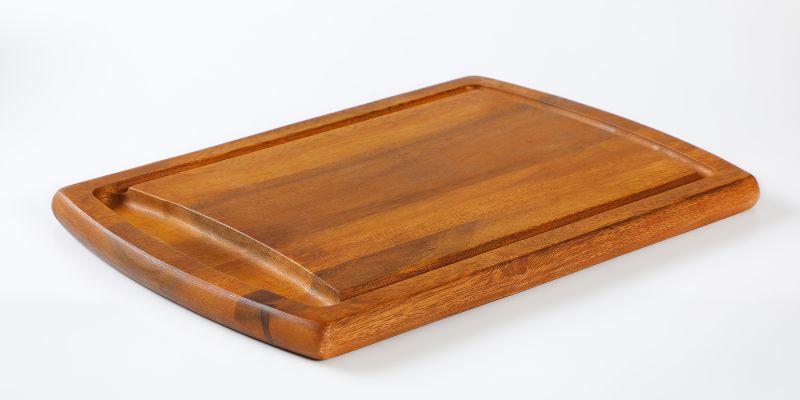
My Favorite Wood Cutting Board for Meat Prep
After years of trying different boards, my favorite is a thick, edge-grain maple board with a juice groove. It’s 18 by 12 inches, big enough for a whole chicken but not so huge it hogs my counter. The maple is tough and resists deep knife marks, and the juice groove saves me from messy cleanups. I bought it from a local woodworker, but there are great options online too. Look for boards at least an inch thick for stability and durability. If you’re on a budget, check out brands like John Boos or Epicurean—they make quality boards that last.
Conclusion
After years of chopping, slicing, and dicing, I can say with confidence that a wood cutting board is my go-to for meat prep. It’s not just about the rustic charm or the way it feels under my knife. Wood boards are durable, knife-friendly, and, when cared for properly, safe for cutting meat. From choosing the right hardwood to seasoning and cleaning, I’ve learned that a little effort goes a long way in keeping my board in top shape. Whether I’m prepping a steak or breaking down a whole chicken, my wood board makes the process feel effortless and even a little luxurious. So, grab your favorite board, follow these tips, and enjoy the process of creating delicious meals with a tool that’s as beautiful as it is functional. Happy chopping!
FAQs
Is it safe to cut raw meat on a wood cutting board?
Yes, it’s safe if you clean it properly. I use one side for raw meat and wash it thoroughly with hot water and soap after each use. Hardwoods like maple or walnut are best because they’re less porous and have natural antibacterial properties.
How do I clean a wood cutting board after cutting meat?
I scrape off any meat bits, then wash the board with hot water and mild dish soap. For a deeper clean, I sprinkle kosher salt and scrub with a lemon half. Always let it air-dry completely to avoid warping.
Can I use the same wood cutting board for meat and vegetables?
You can, but I recommend using one side for raw meat and the other for vegetables or cooked foods. Wash the board thoroughly between uses to prevent cross-contamination.
What’s the best wood for a meat cutting board?
I love hard maple for its durability and antibacterial properties. Walnut and cherry are great too, but avoid soft woods like pine—they’re too porous and hard to clean.
How often should I oil my wood cutting board?
I oil mine every few weeks with food-grade mineral oil. If water soaks into the board instead of beading up, it’s time for a quick re-seasoning. It keeps the wood protected and looking great.